Best 12000 Btu Window Air Conditioners (2026): Types, Sizing and Buying Tips
Disclosure: We may earn a commission when you buy through links on this page, at no extra cost to you. As an Amazon Associate I earn from qualifying purchases. Learn more
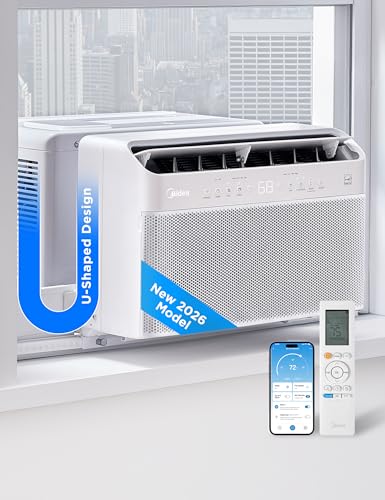
How to choose the best 12000 btu window air conditioner: type, window fit, room coverage, noise level and budget.
A 12000 BTU window unit sits in a sweet spot. It is strong enough for a large bedroom, a living room, or a small open plan space, yet it still fits a standard window and plugs into a normal household outlet in most homes. Choosing the best 12000 btu window air conditioner comes down to more than cooling power alone. Noise, energy use, window shape, and control options all change how the unit feels in daily use. The product table on this page lists current options, and this guide walks you through the criteria that matter most.

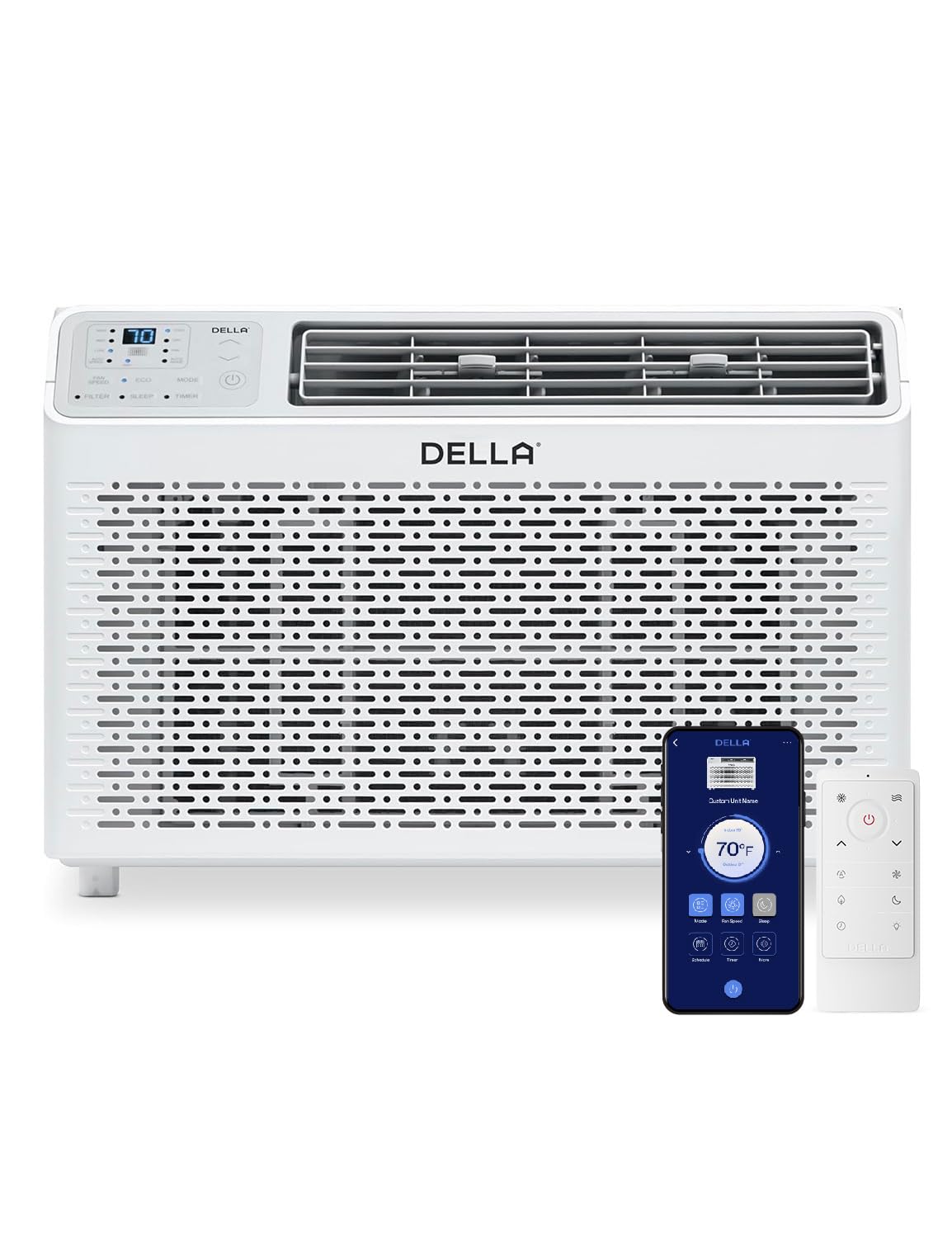

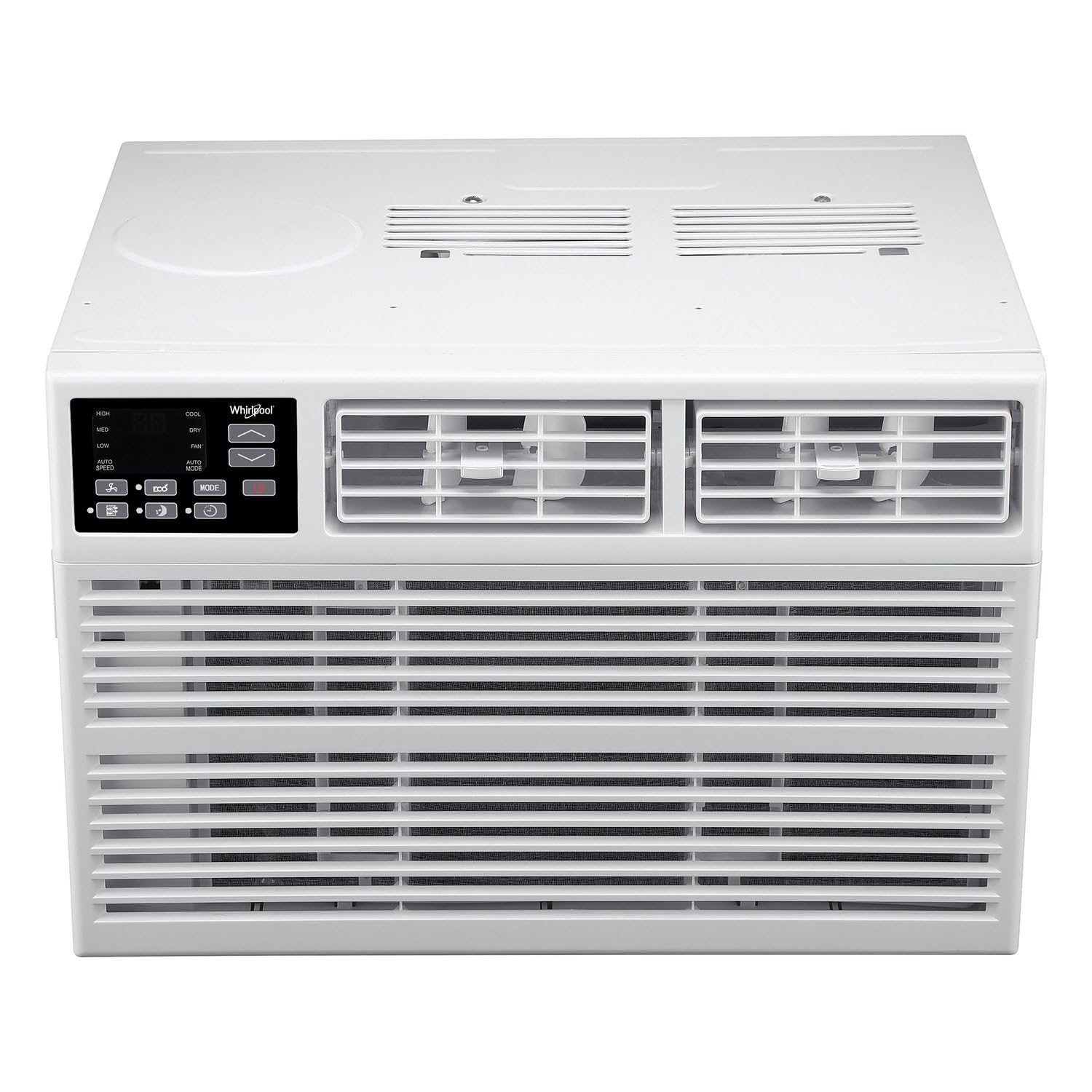

Types Compared at a Glance
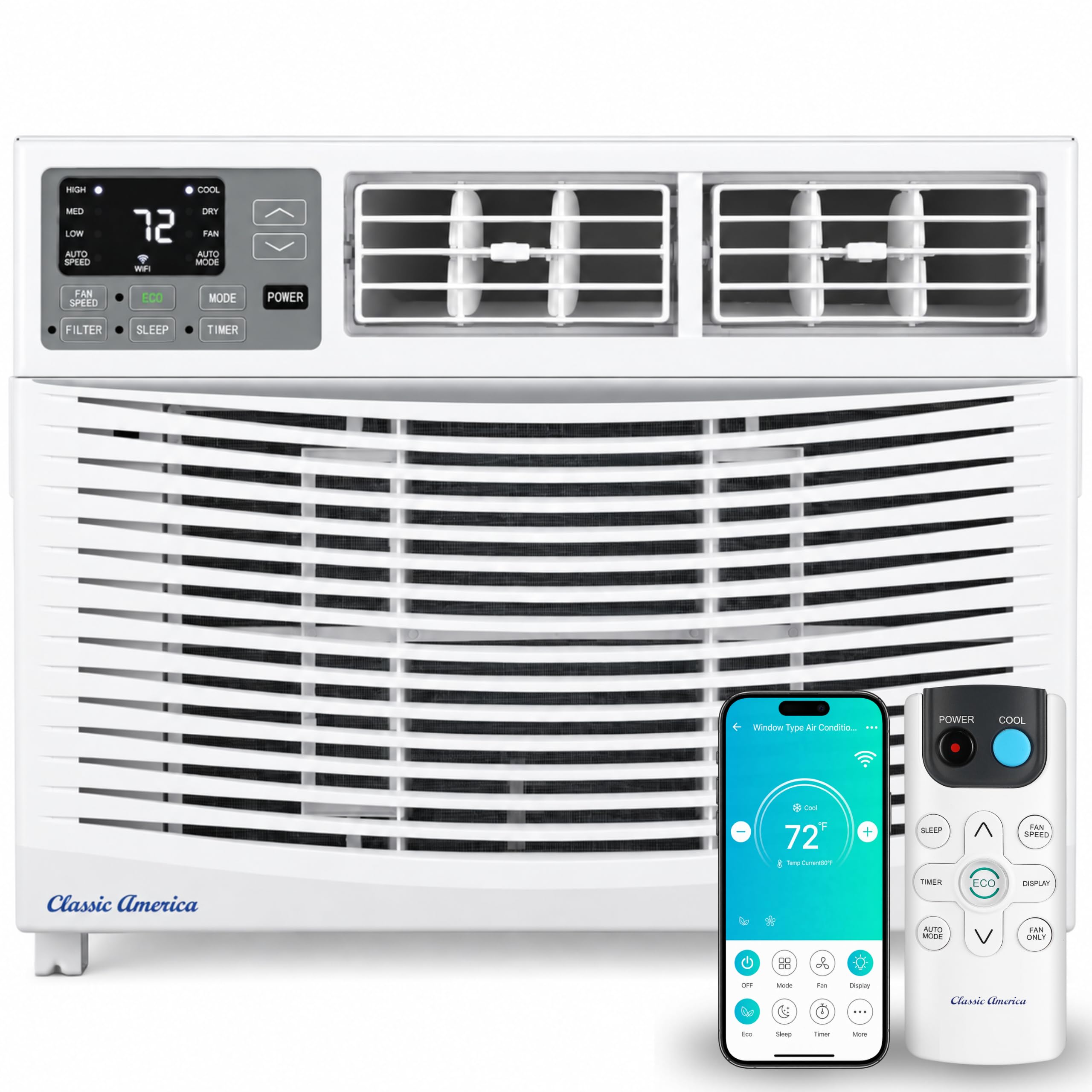
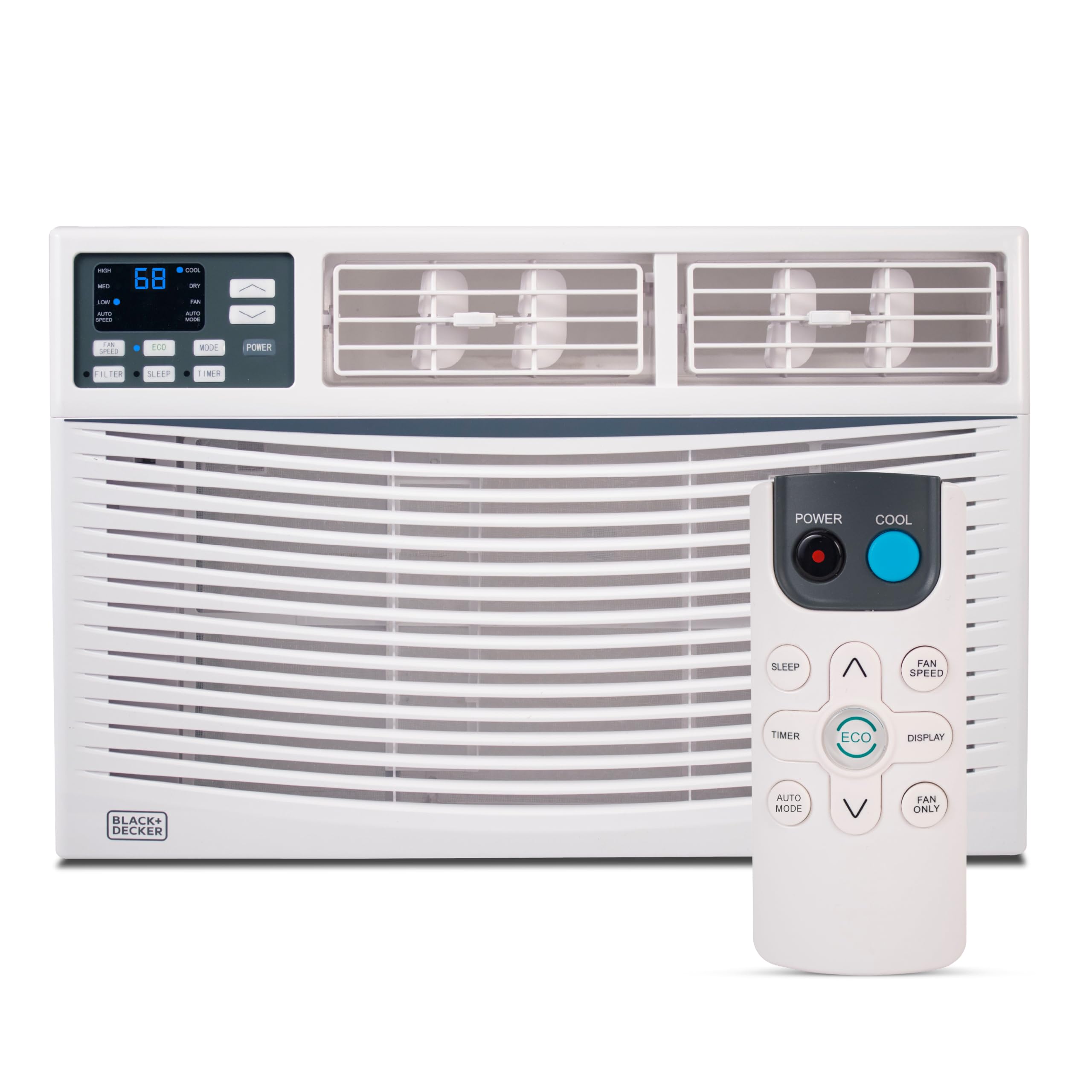
Compare the three build types at this size. An inverter type adjusts compressor speed, holds a steady temperature, and usually runs quieter at low settings. A standard single speed type costs less and cools fast, but cycles on and off more often. A U shaped or saddle type straddles the sill and leaves more of the window view open.
How We Chose the Main Criteria for This Size
This guide weighs coverage, performance, noise, energy use, filter care, and smart features, in that order. Specs come from manufacturer listings and Energy Star data, and buyer feedback helps flag weak seals and rattles.
Who Should Buy a 12000 BTU Window Unit?
Large bedroom and primary suite owners
You need steady cooling through the night without a unit that roars each time the compressor starts. Look for a low noise rating, a sleep mode, and remote or app control. An inverter type suits you best for long, quiet runs.
Living room and open plan households
Your room collects heat from cooking, screens, and several people at once, and doors stay open to other spaces. You need strong air throw and swing louvers that spread the flow instead of blasting one chair. A type with high fan speed and wide louver swing fits you.
Renters and home office users
You need cooling you can install and remove without altering the building, and quiet enough for calls. A U shaped or saddle type helps, since the loudest parts sit outside. Check lease rules, sill depth, and bracket permission before you order.
How to Choose the Right Window Air Conditioner
Size and form factor
Window units run from about 5000 BTU for a small bedroom up to about 15000 BTU for large open spaces. At 12000 BTU, the chassis is wide and heavy, often around 50 to 70 pounds, so check the window width range and plan on two people for the lift. Most models fit double hung windows only. A sliding or casement window needs a unit built for that frame style.
Type
Inverter models vary compressor speed and tend to be quieter and more efficient during long runs. Standard models cost less and are simple to operate. U shaped and saddle designs can reduce indoor noise and light blockage. Casement and slider models use a taller, narrower cabinet. Through the wall models go into a wall sleeve and are a separate class.
Features worth paying for
WiFi control earns its cost if the room heats up while you are out, since you can start cooling before you get home. A remote is worth having in any large room. Dehumidifier mode helps on muggy days without overcooling. Heat and cool models add electric heat for shoulder seasons.
Room size and coverage ratings
A 12000 BTU rating generally covers about 450 to 550 square feet with ceilings near 8 feet, average insulation, and moderate sun. That range shrinks with strong sun, kitchen heat, or several people in the room. Add about 10 percent capacity for a sunny room and about 4000 BTU for a kitchen space. At the top of the range, expect longer run times on hot days.
Running cost and energy use
Efficiency at this size is shown by the combined energy efficiency ratio, listed as CEER. A higher number means more cooling for each watt used, and a top rated inverter can cost noticeably less to run over a summer than a basic model. For a plain estimate of your bill, see our guide on how much electricity does a window air conditioner use, which shows how wattage, hours, and your local rate combine.
Noise levels for bedrooms
Noise is listed in decibels, and lower is better for sleep. Many standard units run in the mid 50s to low 60s on high, while quiet inverter and U shaped types can drop into the high 40s or low 50s on low. A gap of about 10 decibels sounds roughly half as loud. Steady fan noise is easier to ignore than compressor clunks or rattles.
Filters, tanks and maintenance
Window units have no tank to empty in normal use, since water drains outside or is flung onto the outdoor coil. The main upkeep is the washable mesh filter behind the front grille. Dust cuts air flow and forces longer run times, so rinse it about once a month during heavy use and let it dry fully before refitting. For the full routine, including coil and case cleaning, follow our steps on how to clean a window air conditioner at the start and end of each season.
How much should you spend?
Basic standard models often fall at about $200 to $300. Inverter and smart models commonly sit at about $300 to $500, with the quietest U shaped builds at the top of that band. Spending more buys lower noise, better efficiency, and app control, not more rated cooling. For all night bedroom use, the step up is often worth it.
Is a 12000 Btu Window Air Conditioner the Right Size for You?
Choose this size if your room measures roughly 450 to 550 square feet, or a bit less with high heat load from sun, cooking, or workout gear. If your space is closer to 250 square feet, stepping down will cycle less and control humidity better, so compare the best window air conditioner options across sizes before you commit. If your space is a large open area well above 600 square feet, look at our guide to the best window air conditioner for large rooms, since one 12000 BTU unit may run all day without catching up on hot afternoons.
This class also needs a sturdy frame, a slight outward tilt for drainage on most models, foam sealing, and often a support bracket. If your only window is painted shut or unusually narrow, a different route may fit better. Our comparison of window ac vs mini split lays out when a permanent system beats a window unit.
Common Mistakes to Avoid
- Buying on BTU alone and ignoring window type, so the unit cannot seal or sit level in the frame you actually have.
- Undersizing for a sunny or open plan room, which leaves the unit running at full power for hours without reaching the set point.
- Skipping the support bracket on a heavy chassis, which strains the frame and can let the unit shift or leak air around the sides.
- Blocking the indoor air intake with curtains or furniture, which starves air flow and cuts cooling in the part of the room you use most.
- Never washing the filter, so dust builds up, cooling drops, and the unit works harder for the same result.
- Running the unit with wide gaps at the side panels, which lets warm air pour in and can undo a large share of the cooling.
How to Make Your Window Air Conditioner Last Longer
Store the unit indoors over winter if you remove it, upright in a dry spot with a clean filter. If it stays in the window, fit a proper outdoor cover and check the seal each spring. Keep shrubs and debris clear of the outdoor side, and run the fan briefly after heavy cooling on humid days to dry the case and limit musty smells.
If cooling fades with a clean filter and clear air flow, or ice builds on the indoor coil, stop and call a service professional. Low refrigerant or a failing fan needs trained repair, and sealed system work is not a home job.
FAQ
What size window air conditioner do I need for a 500 square foot room?
A 500 square foot room with standard ceilings usually needs about 12000 BTU, which puts this size right in range. Adjust upward if the room gets strong sun, holds a kitchen, or seats several people for hours. Adjust downward for a shaded, well insulated room that stays closed. Measure length times width for the floor area, then check the maker sizing chart for that model, since charts vary a little between brands.
Can a 12000 BTU window air conditioner run on a normal outlet?
Most 12000 BTU window units are built for a standard 115 volt household outlet, but you should confirm the plug type and amp rating on the listing before you buy. Run the unit on a circuit that is not already loaded with other heavy draws, and never use a light duty extension cord. If the breaker trips more than once, stop using that outlet and have an electrician check the circuit rather than swapping in a larger breaker.
How long does a window air conditioner last with regular care?
With filter washing, seasonal cleaning, and dry indoor storage in winter, many window units serve for about 8 to 12 years. Life shortens when a unit runs with a clogged filter, sits in standing water, or is left uncovered outdoors through harsh winters. Smaller signs come first, such as weaker air flow, louder operation, or longer run times for the same cooling. Those changes signal service or replacement planning, not an urgent failure on their own.
Is a window air conditioner worth it compared with a portable unit?
For the same rated BTU, a window unit usually cools more effectively and uses less energy, since its hot side sits fully outside and the seal wastes less cooled air. A portable unit earns its place only when no window can hold a unit or rules ban window installs. Window models also tend to cost less at this size and leave floor space free. The trade off is the heavier lift and the need for a suitable window in the room you want to cool.
Why does a window air conditioner drip water inside the room?
Indoor dripping usually means the unit is tilted inward instead of slightly outward, the drain path is blocked by dirt, or humid air is leaking past poor side seals and condensing on cold surfaces. Check the tilt first, then clear debris from the base pan and confirm the side panels and foam close the gaps. If water still appears after those fixes, inspect for a cracked pan and seek service, since ongoing leaks can damage the sill and wall below the window.
Do smart controls on a window air conditioner save energy?
Smart controls save energy only when you use them to avoid cooling an empty room. A schedule that starts cooling shortly before you arrive and a geofence style shutoff when you leave can cut run hours each week. Voice control and app access alone change nothing about efficiency. Pair the controls with a sensible set point, since each degree lower adds run time, and use the energy saver mode so the fan stops when the compressor rests instead of blowing all day.
Final Thoughts
Match the type to the room first, then check noise, CEER, and window fit before you look at extras. An inverter type suits bedrooms and long daily runs, a standard type suits tight budgets and simple needs, and a U shaped type suits renters who want more window back. Whichever route you take, the product table above pulls the key specs together so you can confirm that your pick for the best 12000 btu window air conditioner fits your window, your circuit, and your summer routine before you order.