Best 4K Cameras under 500: A Buyer Checklist for 2026
Disclosure: We may earn a commission when you buy through links on this page, at no extra cost to you. As an Amazon Associate I earn from qualifying purchases. Learn more

Compare the best 4k cameras under 500 by sensor, autofocus, stabilization and lens choice, with a buyer checklist, red flags and care tips for you.
Finding the best 4k cameras under 500 starts with a checklist, not with the longest spec list. At this price, every model gives up something, and the useful question is whether what it keeps matches what you shoot. This guide scores cameras on sensor quality, honest 4K video, autofocus, stabilization, lens choice and total cost.
Use the checklist to set your priorities first. A travel shooter, a parent filming school events and a new creator recording at home need different strengths from the same budget. Start with the comparison table below, then work through the sections that match your use.


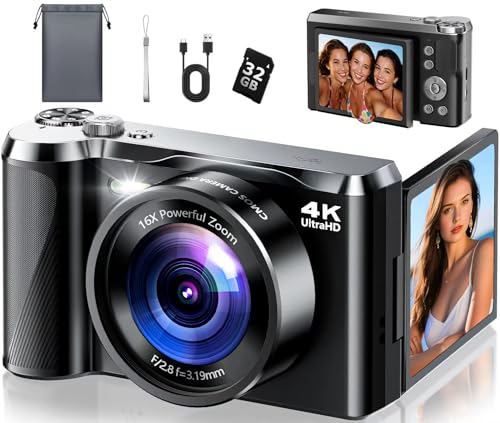

Who Should Buy a 4K Camera Under $500?
Most buyers here want a clear step up from a phone without a large or costly kit.
Travel and Family Shooters Who Want One Small Kit
You carry the camera all day, so size, quick startup and reliable auto modes matter as much as resolution. A compact body with a versatile zoom covers landscapes, portraits and indoor moments without lens changes. If that setup sounds right, see our guide to the best compact cameras under 500 for smaller options.
New Video Creators Recording at Home and Outdoors
You need clean 4K footage, a microphone input if possible, and a screen you can monitor while you record yourself. Autofocus that holds a face matters more than a long burst rate. Readers who shoot video first can also see our guide to the best 4k video cameras under 500 for models built around recording.
Hobby Photographers Ready to Move Beyond a Phone
You want manual controls, larger files for editing and the option to change lenses as your interests grow. An interchangeable lens body with a kit zoom gives you that path, even if the starting lens is modest. Leave room for a second battery and a fast memory card from day one.
Key Features to Compare
Judge each camera against the same six factors. A strong score in one area does not cancel a weak score in an area you rely on daily.
Sensor Size and Clean Images When Light Falls
Sensor size shapes detail, depth of field and how clean your images look as light falls. A 1 inch sensor suits compact bodies and still beats most phones, while Micro Four Thirds and APS C sensors gather more light and give you more control over background blur. Megapixel count alone tells you little, because a modest count on a larger sensor often looks better than a huge count on a tiny sensor.
4K Video Detail, Frame Rates and Recording Limits
True 4K means 3840 by 2160 pixels, but two cameras with that label can record very different footage. Check the frame rate at full width, because some models crop the sensor heavily in 4K or limit you to 24 or 30 frames per second. Note the recording time limit too, because a camera that records 45 minutes without stopping beats one with sharper 10 minute clips when you film events.
Autofocus and Stabilization
Good autofocus finds a face quickly and holds it as your subject moves, and eye detection makes portraits and vlogging far easier. Stabilization comes from the body, the lens or electronic processing. Electronic stabilization crops the frame, while body based and lens based systems keep the full view and work better in dim light.
Lens Choice, Optical Zoom and Aperture
The lens decides what you can frame and how the camera copes indoors. Optical zoom works through glass and keeps full detail, while digital zoom only enlarges pixels and softens the image quickly. A wider maximum aperture, shown by a lower f number such as f/2.8, lets in more light and blurs backgrounds more strongly. On a fixed lens camera, check both ends of the zoom range, and on an interchangeable lens body, check the price of the next lens you would want.
Low Light Performance and Noise Control
Low light results depend on the sensor, the lens aperture and how the camera handles high ISO settings. As ISO rises, fine detail gives way to grain and smeared textures, and the point where that becomes distracting varies between models. A fast lens can keep ISO lower, which is why a modest body with a bright lens often beats a pricier body with a slow kit zoom.
Controls, Screens and Everyday Ease of Use
Controls decide whether you adjust settings quickly or dig through menus while the moment passes. A touchscreen, a clear menu system and a few direct dials help new users learn and work faster. Check whether the screen tilts for low angles or flips forward for self recording, and whether the camera sends photos to your phone over WiFi.
Strengths to Expect and Corners Cut at This Budget
Expect a strong sensor for the price, honest 4K at common frame rates and one standout strength, such as autofocus or portability. Expect to give up the largest sensors, the fastest burst rates and pro level weather sealing. In practice, the best 4k cameras under 500 are strong in about three areas and ordinary in the rest, so your job is choosing which three.
Total cost is the trap in this bracket, because the body price is only part of what you will spend. Add a memory card fast enough for 4K, a spare battery and a bag. If still images matter more to you than 4K frame options, see our guide to the best cameras under 500 for a wider view of this budget.
- Does the camera record 4K at the frame rate you need, without a crop that ruins your framing?
- Is the sensor at least 1 inch, or larger if low light work matters?
- Does autofocus track faces and eyes in video, not only in stills?
- Does the total kit, with card, battery and lens, stay under $500?
- Is there a microphone input if you record speech often?
- Can you hold the body comfortably and reach the main controls easily?
- Is the warranty clear, and is the seller an authorized dealer?
Picking the Right 4K Camera for Different Uses
Best 4K Cameras for under 500
The word for in this heading points to fit, not specs. A camera that suits a hiking trip, where weight and quick handling rule, differs from one that suits a desk studio, where a tripod removes the need for stabilization. Name your main use first, then pick the type: compact for travel, interchangeable lens for growth, action style for rough handling.
Common Mistakes to Avoid
- Trusting a 4K label without checking frame rate and crop, so footage ends up narrower and softer than expected.
- Paying for digital zoom numbers, so distant subjects look smeared instead of detailed.
- Spending the whole budget on the body, so no money remains for the card speed 4K recording requires.
- Ignoring vague spec sheets and short warranties, so you miss clear warning signs of a weak model.
- Choosing the largest sensor body with a slow kit lens, so indoor photos still look noisy.
- Assuming every camera shoots while charging, so a long recording day ends with the first battery.
How to Make Your 4K Camera Last Longer
Clean the lens with a proper lens cloth, not your shirt, because shirt fabric can drag grit across the coating. Blow dust off the glass first, then wipe in small circles from the center outward. If you change lenses, point the body downward in a sheltered spot so less dust reaches the sensor.
Carry a spare battery and rotate both so neither sits empty for months, which shortens its life. Store the camera in a dry, padded bag with the lens cap on, away from steam and car heat. Format memory cards in the camera after copying your files, and replace a card that ever reports an error.
FAQ
Can you get a good 4K camera for under 500 dollars?
Yes, you can get a genuinely good 4K camera at this price if you accept a focused set of strengths. One point buyers miss is resale value: a known brand body with a standard lens mount is easier to sell or build on later than an obscure brand with no lens system behind it.
How much of a 500 dollar budget should a first 4K camera body get?
Give the body about $350 to $400 of the budget and reserve the rest for the parts that make it usable. That reserve covers a fast memory card, a spare battery, a basic bag and a simple tripod for home recording. A camera that pauses during 4K clips because the card is slow will frustrate you more than a slightly simpler body would.
What specs matter most for beginners buying a 4K camera under 500 dollars?
For beginners, autofocus reliability, clear menus and stabilization matter most, because they decide how many of your early shots succeed. Resolution is rarely the limiting factor at this level. Also check the guided shooting modes: a camera that explains settings on screen teaches you as you shoot, so you outgrow full auto at your own pace.
Which 4K camera features matter most for low light video under 500 dollars?
For low light video at this price, lens aperture and stabilization matter most, because video shutter speeds leave little room to fix darkness later. A bright lens plus steady handheld footage keeps ISO lower and faces cleaner. Also check for a flat picture profile, since that option preserves more shadow detail for editing, though it needs color work afterward.
Is a smartphone enough instead of a 4K camera under 500 dollars?
A smartphone is enough if you mainly share short clips online and shoot in good light. A dedicated camera pulls ahead when you zoom often, record long sessions, use a separate microphone or want blurred backgrounds that look natural rather than computed. Battery swaps help too, since a fresh battery keeps the camera working while your phone saves charge for calls.
The Bottom Line on 4K Cameras under 500
Start with the sensor and the lens, confirm that the 4K mode records the frame rate and clip length you need, and keep the total kit inside your budget. Match the type to your main use instead of chasing the longest feature list. Chosen that way, the best 4k cameras under 500 will serve you well for years, so compare your shortlist against the product table above before you order.