
Best 4K Monitors Under 500: Matching the Right Monitor to Your Routine in 2026
Disclosure: We may earn a commission when you buy through links on this page, at no extra cost to you. As an Amazon Associate I earn from qualifying purchases. Learn more

Match the best 4k monitors under 500 to your routine, from gaming to photo work, with the panel, port and stand trade offs at this price explained.
There is no single screen that suits every desk, because a monitor that delights a gamer can frustrate a photo editor working to the same budget. The best 4k monitors under 500 are best understood as matches for routines, and this guide starts with how you actually spend your hours before it talks about specs.
Once your routine is clear, the trade offs at this price become easy to read: something is always trimmed, and the skill is choosing what gets trimmed. The product table below puts the main options side by side so you can see those choices at a glance.
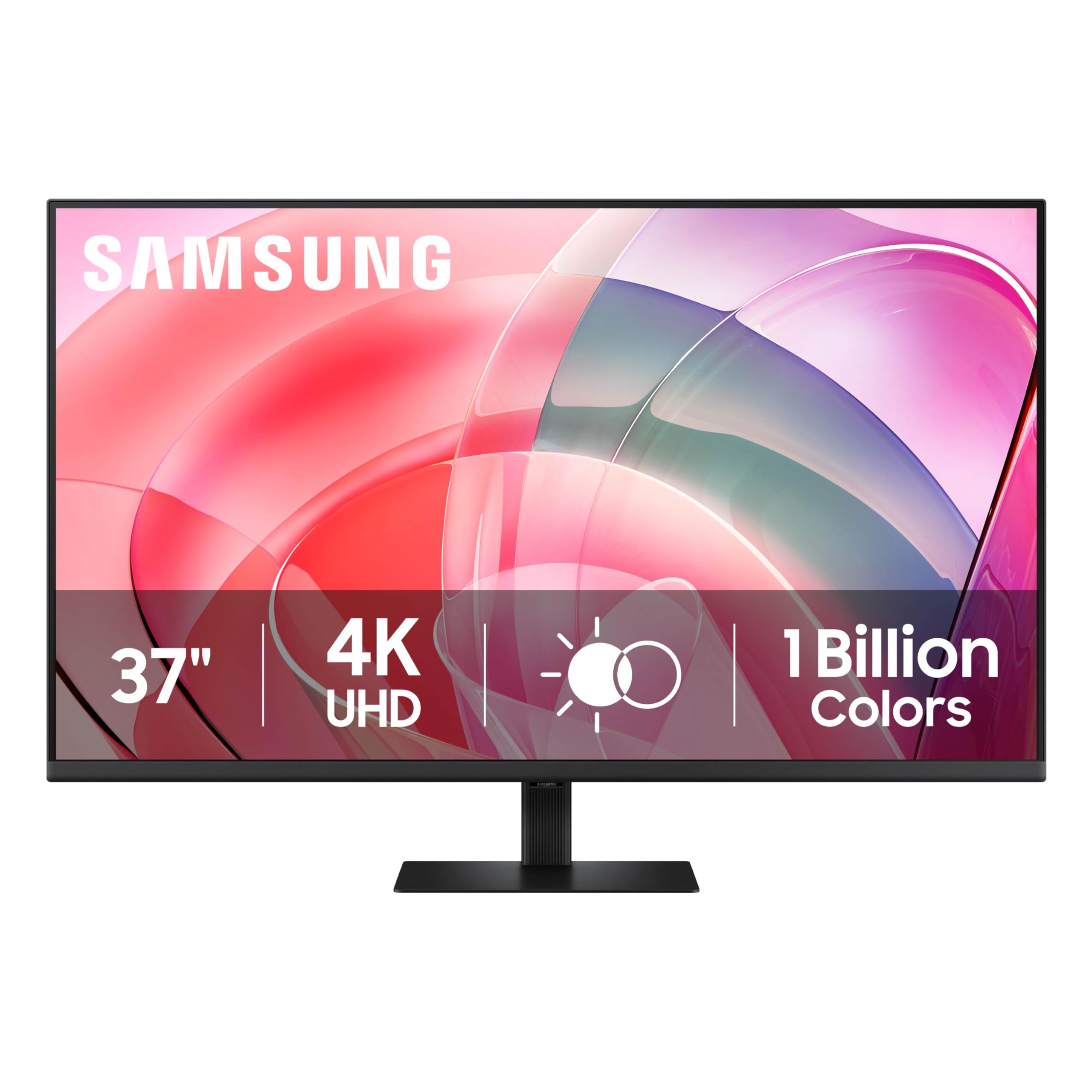
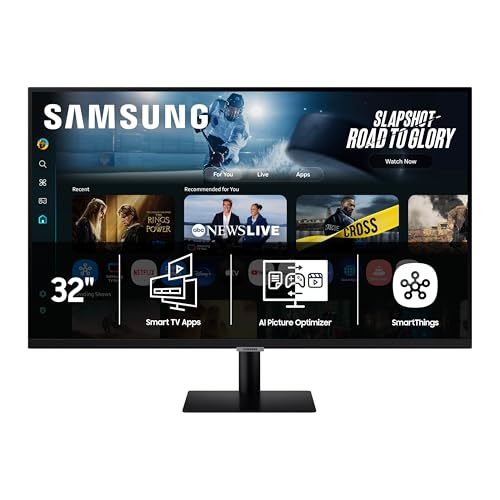

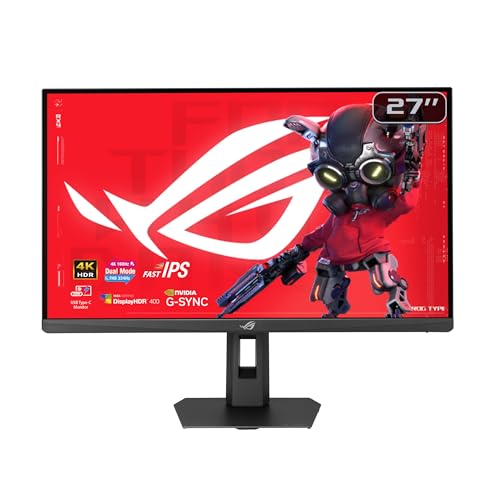
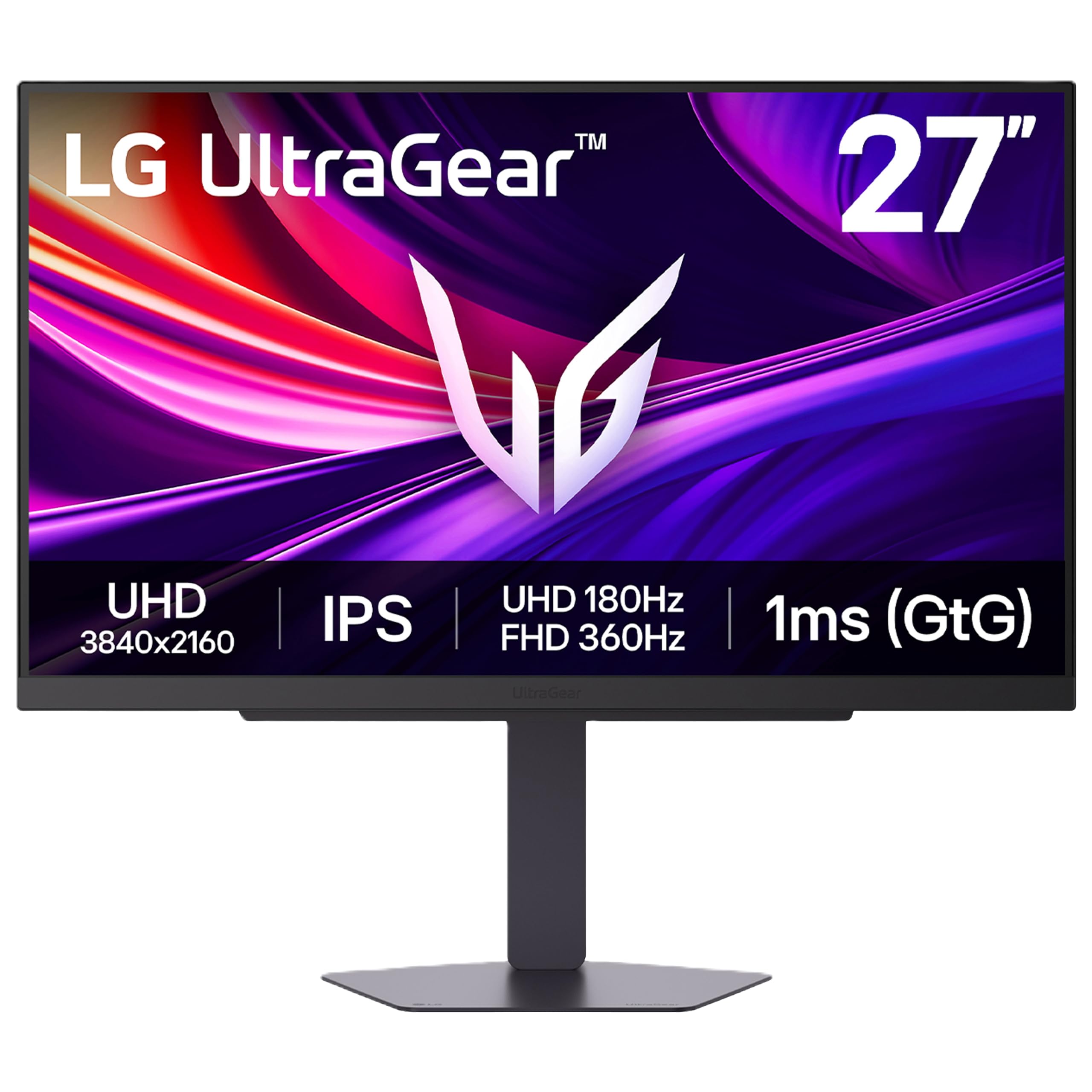
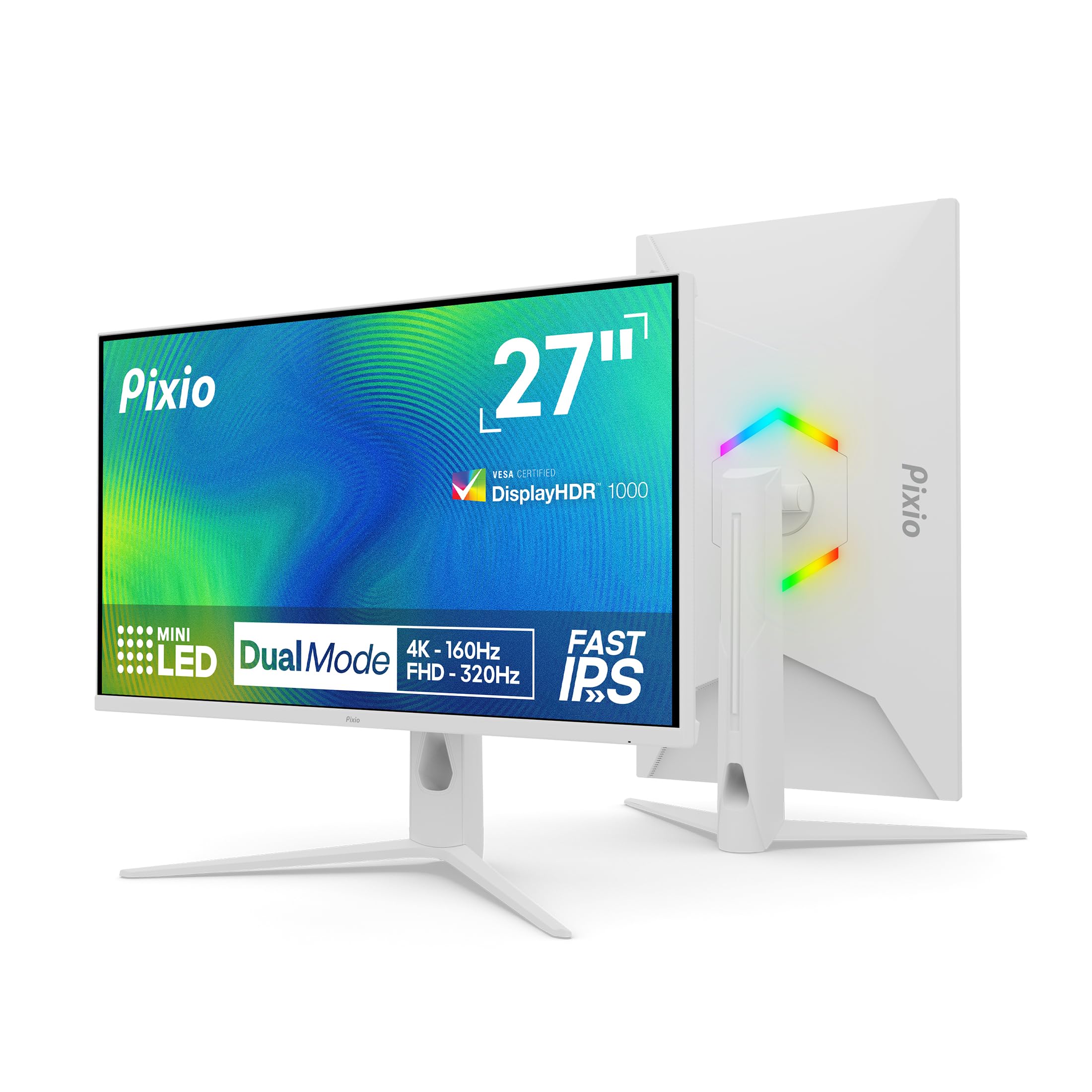

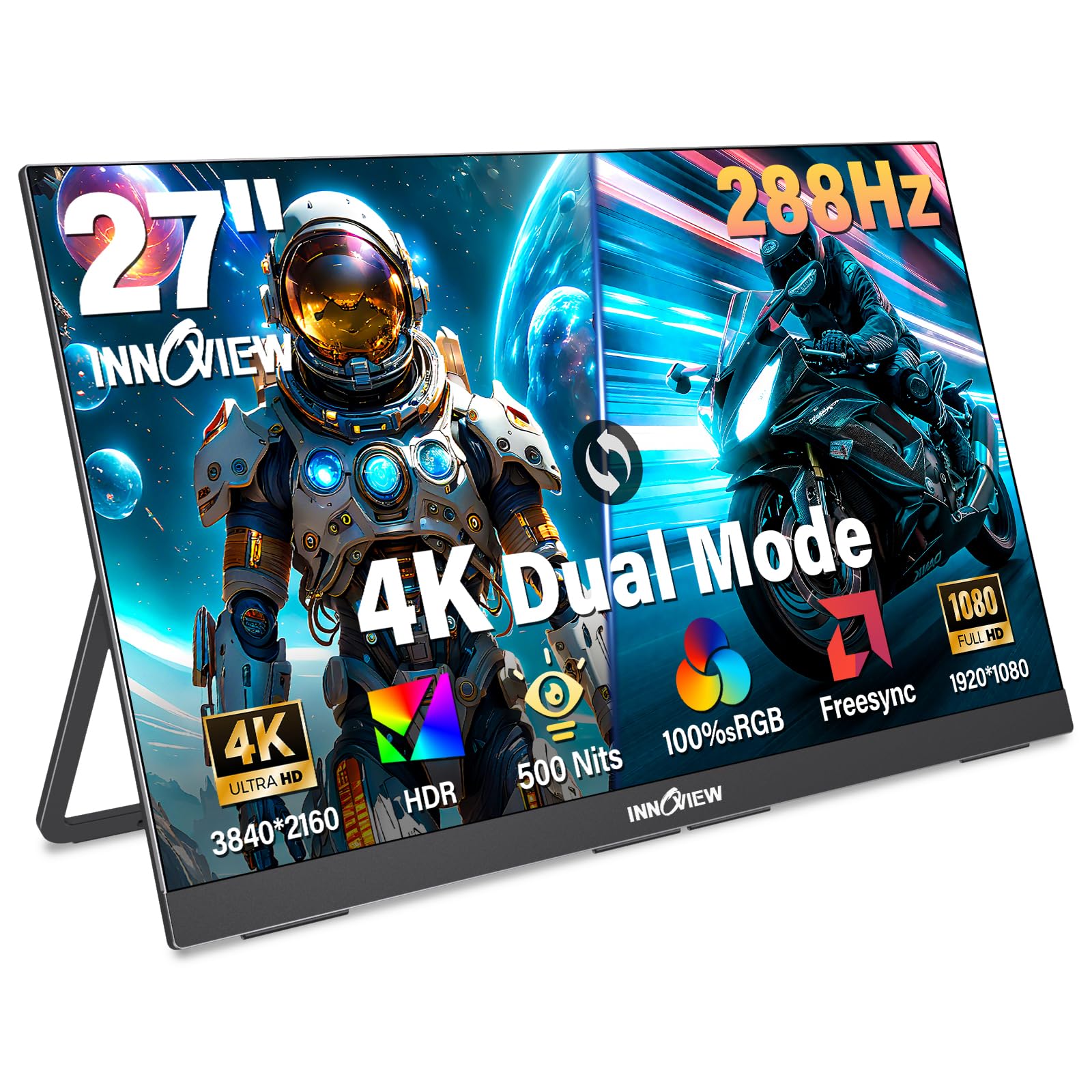
Who Should Buy Which 4K Monitor?
Four routines cover most buyers under this ceiling. Read the one that sounds like your week, note the features it tells you to protect, and let the others go without guilt.
For Travelers and Commuters
If your desk changes weekly, the portable class is your shelf: slim 4K panels that run from a single USB C cable and slip into a laptop bag at about two to three pounds. You give up screen size, usually landing near 15 or 16 inches, and stands are simple folding covers rather than real ergonomics. What you gain is the same sharp text in a hotel room, a client office or a spare room at home, with no power brick to pack.
For Gamers and Power Users
Players should spend the budget on motion first: a 27 inch panel with a refresh rate of 120 Hz or 144 Hz, adaptive sync and an HDMI 2.1 port for consoles. That combination exists under this ceiling, but it leaves less money for color tuning, so expect good rather than reference color. Players who want the gaming case argued on its own can compare best 4k gaming monitors under 500 before deciding how much color to trade away.
For Remote Workers and Creators
A work desk lives on its ports, so protect USB C with power delivery of about 65 to 90 watts, which lets one cable charge the laptop and carry the picture. Full sRGB coverage keeps slides, documents and light photo work honest, and a height adjustable stand matters more than any headline spec across a forty hour week. Panels in this class with decent uniformity run about $300 to $500, and they are the easiest buys in this whole guide to live with.
For Students and Everyday Users
Study and streaming reward size and simplicity over exotic specs, so a straightforward 27 inch IPS panel with honest sRGB color is the sensible default. Spend the savings on a longer warranty rather than on a higher refresh rate you will rarely notice in lectures and films. Students who would trade resolution for a bigger screen can weigh the wider class in our guide to best monitors under 500 before settling on 4K at all.
Similar Names, Different Products
A few near identical names point at entirely different shelves, and mixing them up wastes an evening of research. A studio monitor is a speaker built for near field listening, not a display at all, and that class is covered in our guide to best studio monitors under 500. A launch monitor is a golf device that reads ball flight at the range, and it belongs with best launch monitors under 500. Speakers sold to sit beside a screen form their own accessory class, covered in our guide to best monitor speakers under 500.
Picking the Right 4K Monitor for Different Uses
Best 4K Monitors under 500 Dollars: What to Prioritize
At this ceiling, prioritize the panel itself and a height adjustable stand over headline extras like HDR badges. The dollars go furthest on an IPS panel with full sRGB coverage and even brightness, because those are the things you see in every minute of use. A screen that skips the fancy modes but nails the basics will feel more expensive than its price. Save the remaining budget for a monitor arm later rather than stretching for features you will test once and forget.
Best Photo Editing 4K Monitors under 500: What to Prioritize
Photo work at this price means choosing your compromises carefully: full sRGB coverage is non negotiable, and some panels add a useful slice of the wider DCI P3 space at the top of the band. Brightness uniformity matters more than peak brightness, because a corner that glows will bend your editing decisions. Also check that the screen accepts a hardware calibration profile, since a calibrator you may already own can pull an honest panel a class higher for stills work.
Key Features to Compare
State the cap plainly: a price cap governs the panel class you can reach, and it shows up first in the stand and the port selection. Screens under this ceiling share panels across many enclosures, so the honest differences are stand quality, the ports actually fitted and the color tuning done at the factory. Judge those three things and you have judged most of what separates one option from another.
Panel Technology: IPS, VA, OLED and Mini LED
At 27 inches, a 4K panel sits at about 163 ppi, which keeps text crisp at a normal desk distance without scaling tricks. IPS is the default under this cap for its stable color at an angle, while VA trades some of that stability for deeper blacks in films. OLED is still rare under $500 and usually appears only in smaller sizes, and Mini LED shows up at the very top of the band, adding local dimming that lifts HDR scenes.
Refresh Rate and Response Time
Most screens under the cap run at 60 Hz, which suits work, study and streaming perfectly well. Gaming models reach 120 Hz or 144 Hz by spending the panel budget on speed instead of color extras. Printed response figures are maker figures from ideal test setups, so read them as class labels rather than measurements of your unit. For consoles, check that the HDMI port accepts a 120 Hz signal at full resolution before assuming a game will use it.
Adaptive Sync and Gaming Features
Adaptive sync lets the panel match the frame rate a game actually delivers, removing the tearing that appears when the two drift apart. It costs little at this level and appears on many work screens too, where it also smooths video playback. Console players should confirm variable refresh support over HDMI, since not every port on a budget panel carries it. Beyond sync, gaming extras like crosshair overlays are harmless garnish rather than reasons to choose one screen over another.
Stand, Mounting and Ergonomics
No monitor treats eye strain, so comfort comes from setup rather than from a special panel mode: match screen brightness to the room, set the top of the panel near eye level and look at a distant point every 20 minutes or so. A height adjustable stand makes that setup possible out of the box, and it is the first thing cheap models cut. VESA mounting holes are the insurance policy, letting you add an arm later for about the price of a modest dinner out.
What You Can Realistically Get Under $500
Set expectations by band: about $250 to $350 buys the resolution, full sRGB color and a basic stand, while about $350 to $500 adds better uniformity, USB C power delivery or a higher refresh rate. What gets cut at this ceiling is real HDR depth, premium build materials and generous port counts. Do not save money on the stand or on panel uniformity, because both are felt daily, while a missing second HDMI port is felt almost never.
Common Mistakes to Avoid When Buying 4K Monitors
- Judging only by the sticker price, then paying again for the arm, cables and hub the cheap screen left out.
- Ignoring refresh rate and response needs until a console or game reveals the panel cannot keep up.
- Buying a 32 inch screen for a shallow desk, then sitting so close that the corners leave your comfortable view.
- Skipping the warranty terms, which separate the serious makers from the rest more honestly than any spec sheet.
- Assuming an HDR logo means real HDR, when the panel lacks the brightness and dimming to show it.
Setup and Care Tips
- Turn off the vivid picture mode and start from the standard preset, which sits far closer to honest color.
- Use a cable rated for 4K at your refresh rate, because an old cable can silently cap the signal lower.
- Clean the panel with a dry microfiber cloth only, since sprays and paper towels can mark the surface coating.
- On the rare OLED under this cap, run the pixel refresh cycle when prompted instead of postponing it.
- Check for a firmware update after setup, as makers quietly fix sync and sleep faults in early software.
Frequently Asked Questions
Can you get a good 4k monitor for under $500?
Yes, and the class has improved quickly as panel prices fell. One buying trick the spec sheets will not tell you: when a maker launches a new line, the outgoing model often drops into this band with its panel unchanged, and it is frequently the best value on the shelf. Check that the warranty still runs from your purchase date and that the stand and ports match the listing, since clearance listings sometimes mix generations.
How long does a 4k monitor under $500 usually last?
Expect about five to eight years of daily use from a sound panel in this class. The backlight dims gradually, so an older screen needs a higher brightness setting to reach the same level, and internal power components age faster in hot rooms with poor airflow. Keeping the vents clear and avoiding maximum brightness around the clock are the two habits that stretch the upper end of that range. Most makers cover these screens for about three years.
What size 4k monitor should I get for my desk?
A 27 inch screen is the sweet spot under this cap, with 32 inches reserved for deep desks. Measure before ordering: you want roughly 24 inches or more between your eyes and the panel, and a shallow desk can fail that test with a large screen. At 27 inches, plan on display scaling around 125 to 150 percent for comfortable text, which still leaves far more working room than a smaller screen at its native setting.
Is a 4k monitor worth it for everyday use?
For text heavy days, yes: letters render with smooth edges, and long reading sessions feel closer to paper than to a grid of pixels. Photos and films also gain real detail when the source material is 4K, and modern laptops drive the resolution without complaint. The honest limit is content, since a standard definition stream stays soft no matter what screen it lands on. Buy the resolution for your reading and writing first, and treat sharper video as a welcome bonus.
IPS vs OLED: which is better under $500?
IPS is the realistic answer at this price, since OLED panels under the cap are scarce and usually small. The interesting middle path is Mini LED, which reaches the top of this band with local dimming that gives films and games much of the contrast people want from OLED, without the burn in worries or the price. If your routine is mostly documents and browsing, a plain IPS panel spends the money where you will actually see it.
Final Thoughts
Let your routine make the decision: protect the panel, the stand and the ports your week depends on, and let the headline extras go. The product table above will confirm the details of any shortlist you build from the groups in this guide. Matched that way, the best 4k monitors under 500 for your desk is the one whose compromises you never notice.


