
Best 4K Monitors for Eye Strain in 2026: How Budget, Midrange, and Premium Models Differ
Disclosure: We may earn a commission when you buy through links on this page, at no extra cost to you. As an Amazon Associate I earn from qualifying purchases. Learn more
Compare the best 4k monitors for eye strain at every price point. Learn what you get at budget, midrange, and premium levels and where spending more pays off.
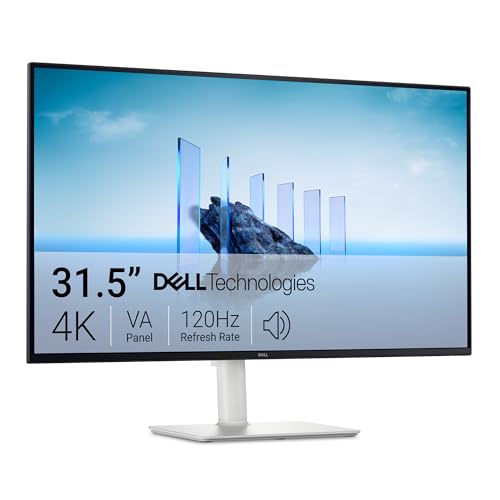
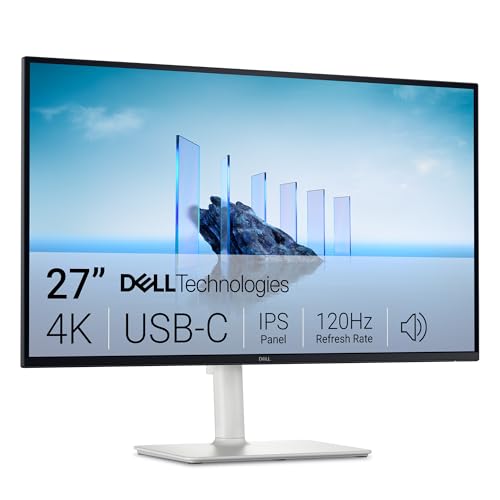
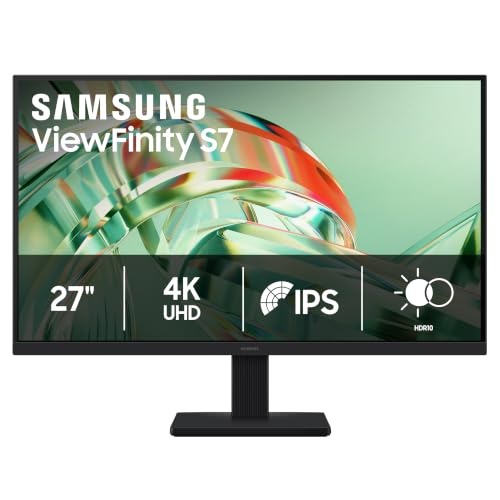
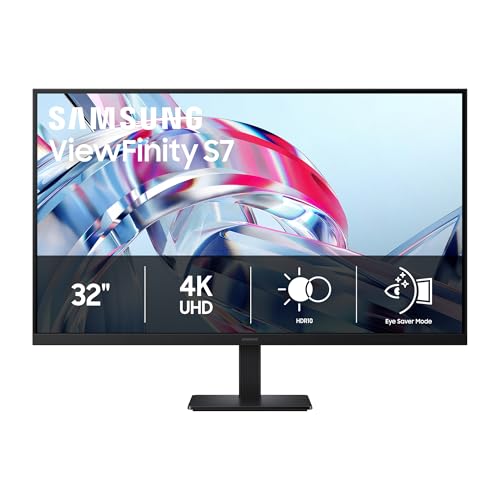
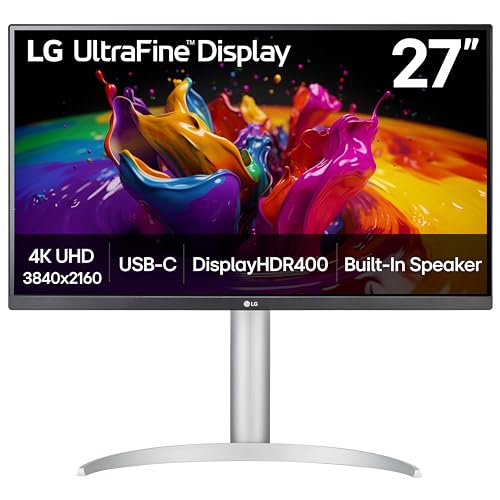
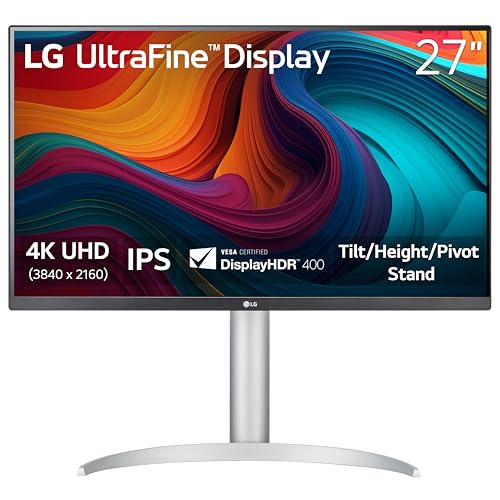
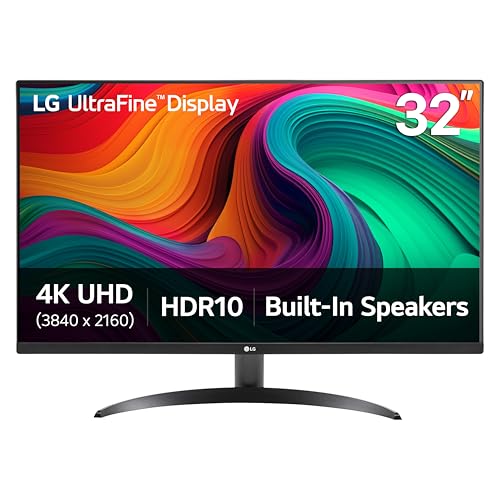
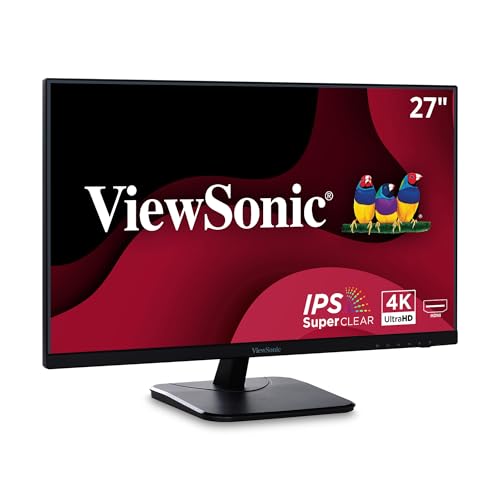
Prices for 4K monitors run from a few hundred dollars to well over a thousand, and the gap is not only about sharpness. The best 4k monitors for eye strain pair crisp text with a steady backlight, sensible brightness, and a stand that puts the screen at the right height. Use the product table below to match those points to your budget.
Start with how you spend your screen time. Long reading, detailed creative work, and mixed evening use each reward different features.


Who Should Buy a 4K Monitor for Easier Viewing?
Choose by the task that fills most of your day, because that task decides whether size, color, or motion matters most.
Office and Study Users Who Read Text for Hours
You read documents, mail, and spreadsheets for long stretches, so sharp letters and a calm screen matter more than fast motion. Look for a 27 inch or 32 inch panel, a flicker free backlight, and a stand you can raise to eye level. If desk work is your main use, see our guide to the best computer monitors for eye strain for a narrower office focused view.
Creative Workers Who Edit Photos and Video
You judge color and fine detail, so a wide color range and even brightness across the panel matter alongside comfort. A larger screen lets you keep tool panels open without shrinking the image you are checking.
Mixed Use Viewers Who Work and Play on One Screen
You switch between documents in the day and video or games in the evening, so you need balanced comfort rather than one extreme spec. Prioritize smooth motion, good contrast for dim scenes, and brightness you can lower at night. If play is a large share of your use, see our guide to the best gaming monitors for eye strain for motion focused advice.
Key Features to Compare
Work through these factors before price, because a cheap screen that strains your eyes is not a saving. For a broader view across screen types, see our guide to the best monitors for eye strain alongside the 4K points below.
Flicker, Dimming, and Low Blue Light Modes
Some backlights dim by pulsing rapidly, and that pulsing can leave sensitive viewers tired after long sessions even when they cannot see any flicker. Choose a monitor described as flicker free, and prefer a hardware low blue light mode over a software tint that washes the image yellow. A monitor cannot treat an eye condition. If you have eye pain, double vision, sudden changes in vision, or headaches that keep returning despite setup changes, contact an eye care professional promptly, and talk with your clinician about personal needs before relying on a screen change alone.
Brightness, Matte Coating, and Room Light
Comfort depends on how screen brightness compares with the room around it. A panel that reaches about 300 to 400 nits gives headroom for a bright room, while smooth dimming matters more after dark. A matte coating scatters reflections from windows and lamps instead of mirroring them back at you. Set brightness so a white page feels close to a sheet of paper under your room light.
Screen Size, Text Scaling, and Viewing Distance
A 4K panel packs 3840 by 2160 pixels, so text stays sharp when you enlarge it, and enlarging it is exactly what you should do. At 27 inches, scaling of about 125 to 150 percent keeps letters large and crisp for most users. At 32 inches you can sit a little farther back, which suits deeper desks. Sit roughly an arm length away, and pick the size you can read there without leaning in.
Panel Type, Contrast, and HDR
IPS panels hold color and brightness well when you shift in your chair, which suits shared desks and long reading. VA panels give deeper blacks for less money, though dark tones can shift at wide angles. OLED displays control each pixel, so contrast is superb in dark rooms, but static text shown for many hours raises the risk of image retention.
Refresh Rate, Response Time, and Adaptive Sync
Refresh rate counts how often the image redraws each second, and 60 Hz is the common floor for office work. Higher rates such as 120 Hz or 144 Hz make scrolling and cursor movement look steadier, which some readers find easier to follow. Adaptive sync matches the screen rate to the source rate, smoothing uneven motion in video and games. Response time matters mainly for fast games.
Stand Adjustment and VESA Mounting
A stand that adjusts for height and tilt lets you place the screen so your neck stays neutral, with the top edge at or just below eye level. Budget models often tilt only. Check for a VESA mount pattern, commonly 100 by 100 mm, so you can fit a separate arm later.
What Your Money Gets You at Each 4K Price Tier
When you compare the best 4k monitors for eye strain by price, the pattern is consistent. Higher tiers rarely change the resolution, and they mostly buy better ergonomics, calmer dimming, and stronger panels.
Budget Tier: Core Comfort for Text and Office Work
Expect to pay about $250 to $400 for a 27 inch 4K IPS or VA panel with a flicker free backlight and basic brightness control. Low blue light modes are common here, so core comfort is genuinely covered. The trade offs are a tilt only stand and modest peak brightness. Budget for a stand or arm as well if the fixed height misses your eye line.
Midrange Tier: Better Ergonomics and Brighter, Calmer Panels
Prices of about $400 to $700 usually add a full height adjustable stand, better matte coatings, and more even brightness across the screen. Many models add higher refresh rates, USB C input with power for a laptop, and wider color coverage. For most full day users, this tier buys features you will feel daily.
Premium Tier: OLED Contrast and the Most Flexible Stands
Spending about $700 to $1,500 or more brings OLED displays or top tier IPS panels at 32 inches, with excellent contrast, strong HDR, and stands that adjust in every direction. Extra ports, built in hubs, and ambient light sensors that adjust brightness for you also appear here. Choose this tier for creative work or dark room viewing, rather than to fix a bad basic setup.
Common Mistakes to Avoid
These errors waste money or leave the real source of discomfort in place.
- Running a bright 4K monitor at full brightness in a dim room makes your eyes work harder against the glare.
- Reading tiny unscaled text on a 27 inch 4K screen forces you to lean in and squint, tiring your eyes and neck.
- Skipping stand adjustment to save money leaves the screen too low, so neck strain joins eye strain by evening.
- Judging a monitor under bright store lights hides weak dimming and strong reflections that will bother you at home.
- Chasing the fastest response time for office work spends money on a spec your documents will never use.
Care and Maintenance for a 4K Monitor
Clean the screen only when it is off and cool, using a dry microfiber cloth first and a cloth lightly dampened with water for stubborn marks. Never spray liquid straight onto the panel, because drips can reach the lower edge and damage the layers inside. Press gently, since hard rubbing can harm the matte coating.
Keep the vents at the back and top clear of dust and papers so heat can escape. Check cables for a snug fit if the image ever flickers. Recheck stand height after any desk or chair change.
Frequently Asked Questions
What features matter most in a 4K monitor bought to ease eye strain?
A flicker free backlight, smooth low brightness control, and a height adjustable stand matter most in a 4K monitor bought to ease eye strain. Add one habit no purchase replaces. Follow the 20 20 20 pattern by looking at something about 20 feet away for about 20 seconds every 20 minutes, because distance breaks rest the focusing effort a new screen cannot remove.
How long does a 4K monitor usually last with daily use?
A 4K monitor usually lasts about five to eight years with daily use, and the backlight often fades gradually before anything fails outright. Raise brightness slowly over the years to hold the same look, and treat a panel that needs near maximum brightness in a normal room as nearing replacement.
Does refresh rate matter for 4K monitor users who do not play games?
Yes, refresh rate can matter for 4K monitor users who do not play games, though the gain is modest rather than essential. Smooth scrolling makes long articles easier to track line by line, and a steadier cursor is simpler to follow across a large screen. Many office apps still run at 60 Hz, so a higher rate helps only where your computer can deliver it.
What 4K monitor size suits a standard home desk?
A 27 inch 4K monitor suits most standard home desks, while a 32 inch model suits desks deep enough to keep the screen an arm length away. Measure from the wall to the front edge of your desk before ordering. If you must sit closer, choose the smaller size.
Is IPS or OLED better for a 4K monitor used for long reading sessions?
IPS is usually the safer choice for a 4K monitor used for long reading sessions, because it shows static text all day with no risk of image retention. Some OLED pixel layouts can also make letter edges look slightly colored at small sizes, which careful readers may notice. OLED still wins for evening video in dark rooms, so let your longest task decide.
The Bottom Line
Put your money first into a flicker free backlight, brightness that matches your room, and a stand that meets your eye line. Then choose size and panel type for your main task. Most full day workers get the best value in the midrange tier.
Compare best 4k monitors for eye strain with those points in mind, check the sizes and stands in the product table above, and you will land on a screen you can read comfortably for years.


