Best 4 Stroke String Trimmers (2026): Engines, Shafts and Care
Disclosure: We may earn a commission when you buy through links on this page, at no extra cost to you. As an Amazon Associate I earn from qualifying purchases. Learn more

Choose the best 4 stroke string trimmer: curved, straight and attachment capable layouts and care tips.
A 4 stroke engine asks a little more from you than a basic trimmer, and it gives a lot back in return. It runs on plain gasoline while oil sits in its own sump, so there is no fuel mixing before you start work. If you want the best 4 stroke string trimmer for steady torque, calmer sound, and a cleaner exhaust smell, the comparison table below sorts the main layouts by engine size, shaft style, and weight.
This guide skips named picks and brand rankings on purpose. Instead, it compares the three layouts you will actually shop among, explains the specs that change how the machine feels in your hands, and shows where 4 stroke power beats a 2 stroke or battery rival and where it does not. By the end, you will know which layout suits your yard size, your strength, and your storage space.


4 Stroke Types at a Glance
Every 4 stroke trimmer shares the same basic engine plan, with intake, compression, power, and exhaust handled in separate strokes. The machines still split into three clear groups once shaft shape and engine size enter the picture. Compact curved shaft models keep weight low, straight shaft models add reach, and attachment capable models carry the largest engines. Our guide to the best string trimmer covers the wider category if you want that overview before narrowing in.
- Compact curved shaft, a smaller engine and a narrower cutting path, lightest to carry on small flat lots.
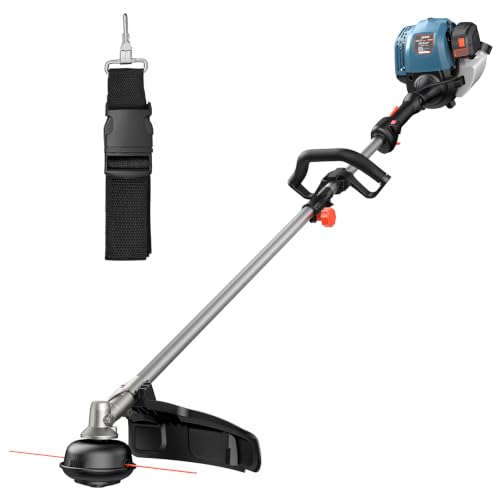
- Straight shaft, a mid size engine and a wider path, balanced reach for most suburban yards.
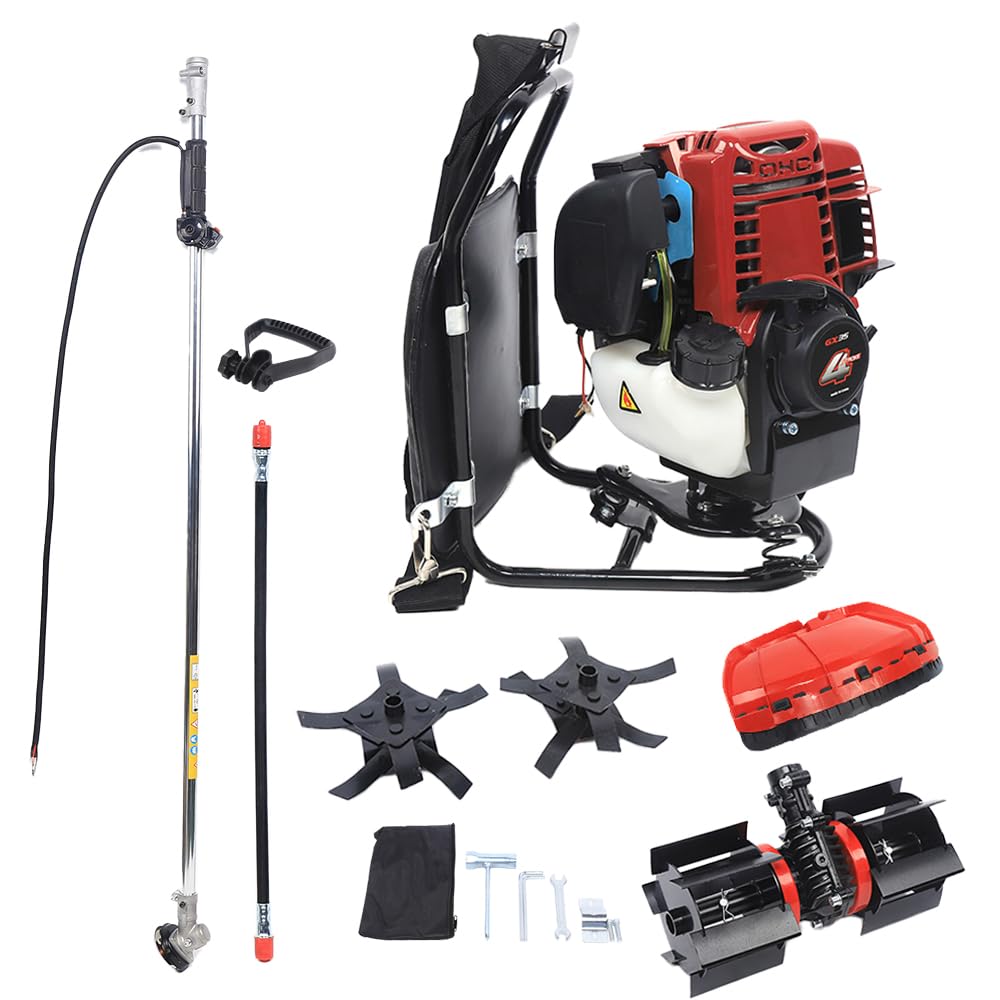
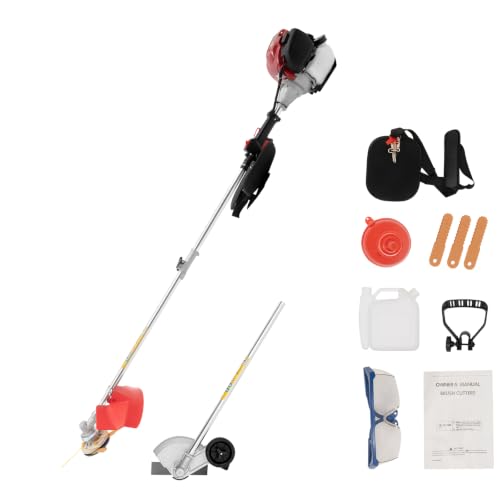
- Attachment capable split shaft, the largest engines, swaps heads for edging and brush cutting tasks.
Three Types Compared: Finding Your Fit
Price and weight climb as you move down this list, while cutting power and reach climb with them. Match the layout to the toughest growth you cut each month, not the lightest grass you cut each week.
Compact Curved Shaft Models for Small Yards
Compact curved shaft models pair a small engine with a short bent shaft that keeps the head level on flat ground. They suit small lots where trimming means edging a driveway, circling a few trees, and tidying along a short fence. The light build helps if you store the machine on a high hook or carry it up basement steps. Tall weeds and thick stems will slow this layout down, and the short shaft can make taller users stoop, so try the grip height before you commit.
Straight Shaft Models for Most Homes
Straight shaft models are the default choice for most homes, and they earn that spot with reach. The long straight tube slides the head under shrubs, decks, and low branches where a curved shaft cannot angle in cleanly. Balance improves too, since the engine weight sits behind you and the head weight sits ahead, which steadies the cut on slopes. Most accept a shoulder strap, and the common head size means replacement line and parts are easy to find locally.
Attachment Capable Models for Big Jobs
Attachment capable models use a split shaft and a larger engine, so one power head can drive several tools. You can swap the string head for an edger, a pole saw, or a brush blade as the season changes, which saves storage space versus owning separate machines. The trade is weight and price, since the coupling hardware and larger engine add both. Choose this layout if your property mixes lawn edges with ditch banks, brush lines, or orchard work that a string head alone cannot finish.
How to Compare 4 Stroke String Trimmers
Build the comparison from maker manuals and published specification sheets rather than from marketing claims. The factors that matter most for this engine type are build materials and weather resistance, engine size and tank capacity, ease of assembly, expected durability, and warranty length. Weigh patterns in verified owner feedback as well, especially reports about starting effort, oil leaks, and head wear after several seasons. The goal is a fair framework you can apply to any model on a store shelf.
How to Choose the Right String Trimmer
Work through the points below in order, because each one narrows the field before you look at price. A trimmer that fits your yard and your body will get used weekly, while a poor fit gathers dust.
Type
Start by confirming that gas power suits your routine at all, since a 4 stroke machine still needs fuel storage, oil checks, and seasonal care. If your lot is tiny and you dislike engine upkeep, a cordless model may serve you better, and our guide to the best cordless string trimmer shows what modern batteries handle well. Within the 4 stroke family, your real choice is shaft shape and engine size, which the type sections above already cover in detail.
Features Worth Paying For
A bump feed head that reloads without tools saves real time, since line changes happen often during heavy growth. Auto feed heads remove the tapping step but can waste line on hard surfaces, so pick based on how much concrete you trim against. An easy start system with a primer bulb and a gentle recoil pull matters more on 4 stroke engines, which turn over with firm compression. Rubber isolation mounts that calm engine vibration are also worth paying for if your hands tingle during long sessions.
Weather Resistant Materials
Look for a steel drive shaft inside the tube, since steel handles torque and knocks better than thin alloy in this price class. Fuel caps with intact rubber seals keep rain and wash water out of the tank, and a covered air filter housing keeps wet grass dust from packing the element. Powder coated or painted metal guards resist rust longer than bare metal. Store the machine under a roof or cover regardless, because sun degrades fuel lines and grips faster than rain harms the engine.
Size for Your Space
Match engine size to growth, not to lot size alone, because a small yard full of thick weeds still needs a stronger engine. Cutting swath matters for pace, since a wider head clears open ground faster while a narrower head threads between plantings more easily. Tank capacity decides how often you walk back to refill. Finally, weigh the machine honestly, because 4 stroke models carry extra weight and that load feels very different after an hour.
Assembly and Setup
Most models arrive with the shaft, handle, and guard detached, and assembly takes basic hand tools plus about half an hour. The step new owners miss most is engine oil, because many 4 stroke trimmers ship with an empty sump to prevent spills in transit. Fill the sump to the dipstick mark with the oil grade the manual lists before the first start, then add plain unleaded gasoline to the tank. Fit the guard before you ever pull the starter, since the guard carries the line cutting blade.
Care and Off Season Storage
Change the engine oil after the first short break in period the manual specifies, then at least once each season after that. Rinse or replace the air filter as dust builds, and check the spark plug gap each spring so starts stay easy. Our notes on how to clean a string trimmer cover washing the head and guard without soaking the engine. For winter, run the tank dry or add stabilizer, wipe the shaft clean, and store the machine upright so oil stays pooled in the sump where it belongs.
How Much Should You Spend?
Entry level 4 stroke trimmers carry a curved shaft and a basic head. Mid priced models usually add a straight shaft, a larger engine, and a longer warranty, which suits most midsize properties. The top tier moves toward attachment capable power heads and commercial leaning build quality. Budget a little extra for oil, spare line, and a fuel can if you are new to gas tools, since those supplies are rarely in the box.
4 Stroke vs Other String Trimmers: Pros and Cons
Against a 2 stroke gas trimmer, the 4 stroke design removes fuel mixing, runs more quietly, and smells cleaner at idle, which neighbors tend to appreciate. It also delivers smooth torque at low speed for careful work near flowers and fences. The costs are extra weight, a higher price, and oil changes that a 2 stroke never needs. Shoppers comparing gas options broadly can start with our guide to the best gas string trimmer for the full field.
Against battery power, a 4 stroke trimmer wins on runtime, since a fuel refill takes a minute and a dead battery takes far longer to recharge. It also holds power better through wet, dense growth late in the season. Battery models answer with instant starts, lower weight, and no oil or fuel to store. Our gas vs battery trimmer breakdown weighs running costs in detail, and the best battery string trimmer guide fits readers who value quiet starts over long runtime.
FAQ
What is the best 4 stroke string trimmer?
The right answer depends on your layout match, because no single layout leads every yard type. Compact curved shaft models win on small flat lots, while attachment capable models win where brush and edging share the workload. One point buyers overlook is dealer access, since a nearby shop that stocks filters, plugs, and line for your engine size saves days when a small part fails mid season.
Are 4 stroke string trimmers worth it?
They are worth it if you trim often and dislike mixing fuel or breathing sharp exhaust during close work. The quieter running also helps in dense neighborhoods with early morning schedules. They are harder to justify for a tiny patch of grass, where the purchase price and yearly oil care outweigh the small amount of trimming the yard actually needs each week.
How long does a 4 stroke string trimmer last?
With steady oil care, a homeowner grade 4 stroke engine can serve for many seasons of weekly use. Life usually ends at wear parts rather than the engine itself, and items like the clutch, recoil starter, and string head wear first. Checking valve clearance during a tune up every few seasons, a step many owners skip, keeps compression and starting strength from fading quietly over time.
Is a 4 stroke string trimmer worth it for a small yard?
It can be, if the small yard has tough edges along stone walls or chain link fencing that demand gas torque. The catch is storage, since the machine needs upright floor or hook space plus room for a fuel can and an oil bottle. If your storage is a small apartment balcony closet, the total footprint often matters more than cutting power at this scale.
How do you clean a 4 stroke string trimmer?
Start by pulling the spark plug boot off so the engine cannot fire while your hands are near the head. Scrape packed grass from the guard and gearbox with a plastic tool, then wipe the cooling fins and starter vents with a dry brush so airflow stays open. Avoid pressure washing, because forced water can pass the air filter seal and reach the carburetor.
What makes a 4 stroke string trimmer reliable over time?
Reliability comes mostly from simple, serviceable design rather than from extra features. A metal gear head, a filter you can reach without tools, and a head that accepts standard line sizes all reduce downtime. Published parts diagrams and a warranty of at least two years also signal that the maker expects to support the machine, which matters once the first wear parts need replacing.
Final Thoughts
Look back at the product table above and match each layout against your toughest monthly task, your storage space, and the weight you can carry without rushing. Chosen that way, the best 4 stroke string trimmer becomes a calm weekly tool instead of a chore you postpone. Fill the oil sump before the first start, keep spare line on hand, and your trimmer should reward that small discipline with easy starts season after season.