
Best 3D Printers under 3000: What Actually Matters Before You Buy for 2026
Disclosure: We may earn a commission when you buy through links on this page, at no extra cost to you. As an Amazon Associate I earn from qualifying purchases. Learn more

Use a clear checklist to find the best 3d printers under 3000, covering build volume, materials, speed, reliability, support, and total ownership cost.
A budget ceiling of $3000 sounds generous, and it is, but it also invites waste. At this level you can buy genuine production capability or an oversized hobby machine with expensive lights, and the listings rarely tell you which is which. This guide to the best 3d printers under 3000 gives you the evaluation checklist first, so you can score any candidate against the same criteria before money enters the conversation.
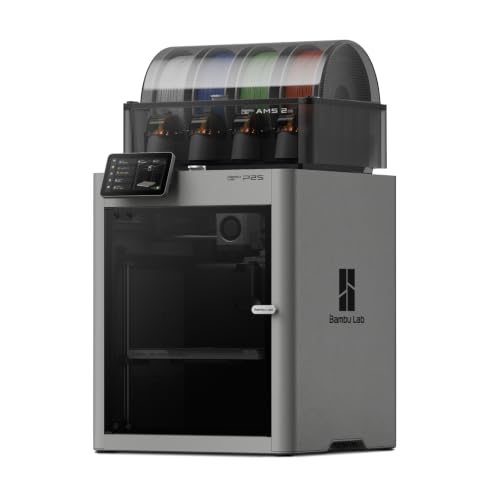
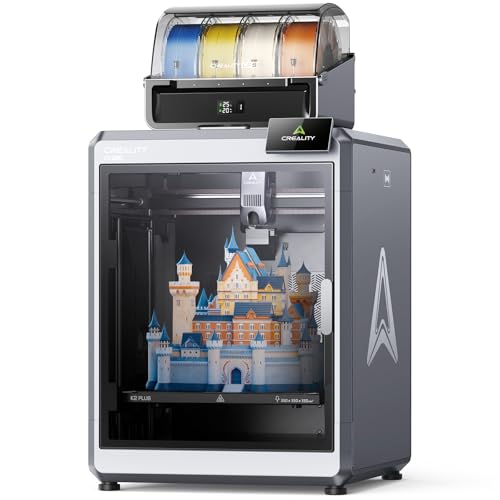
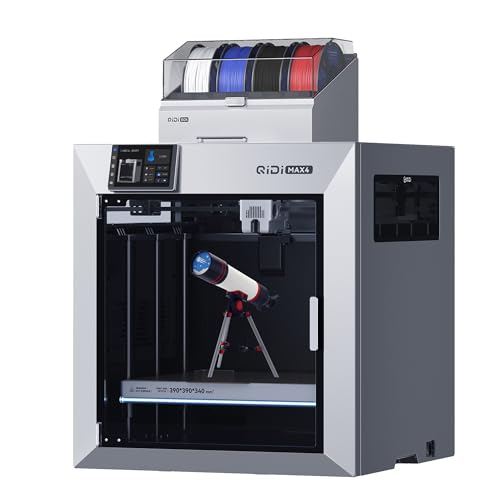
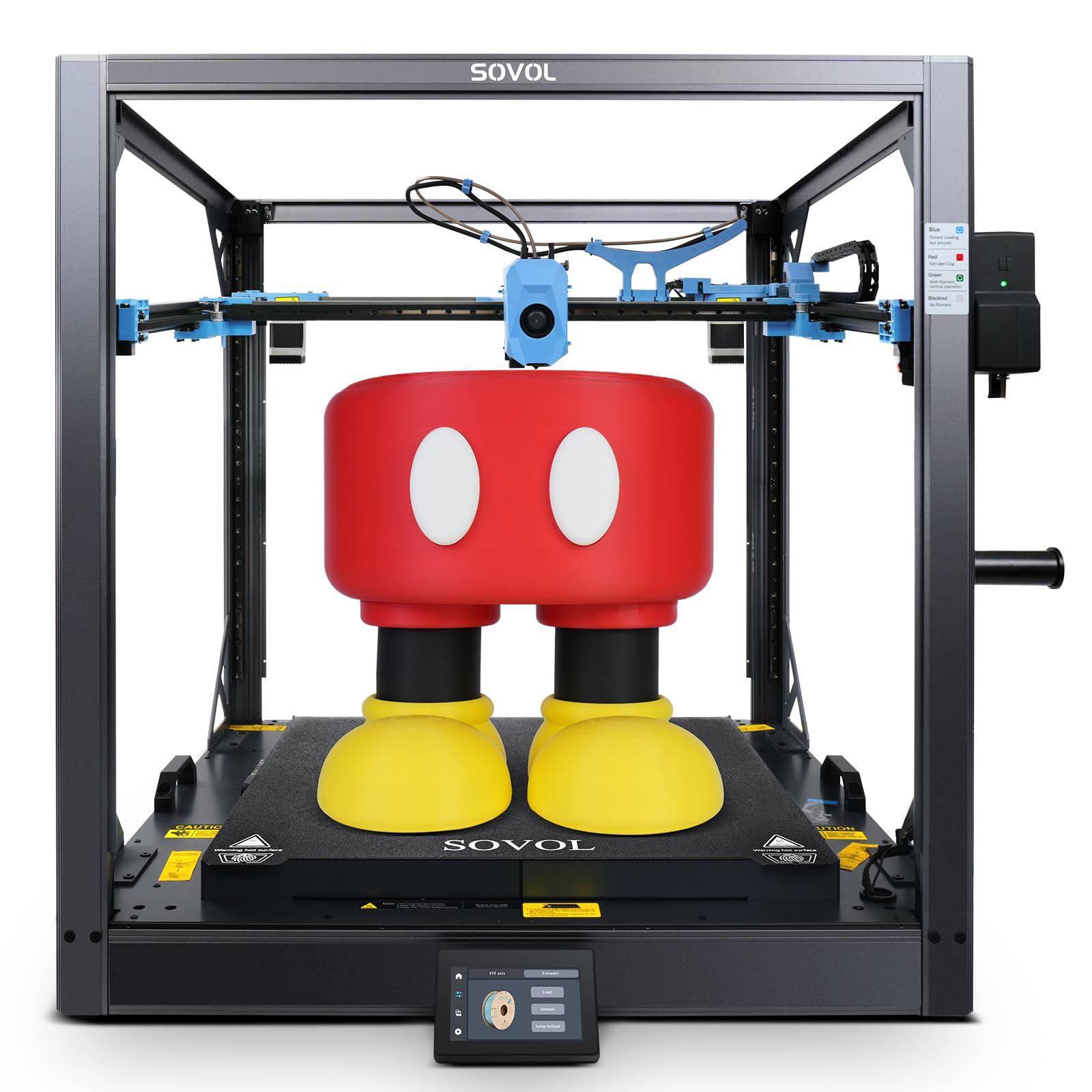
Use the product table alongside the checklist. For each machine you consider, work through the criteria in order, note where it passes or fails, and let the total picture, not one headline specification, drive your decision.



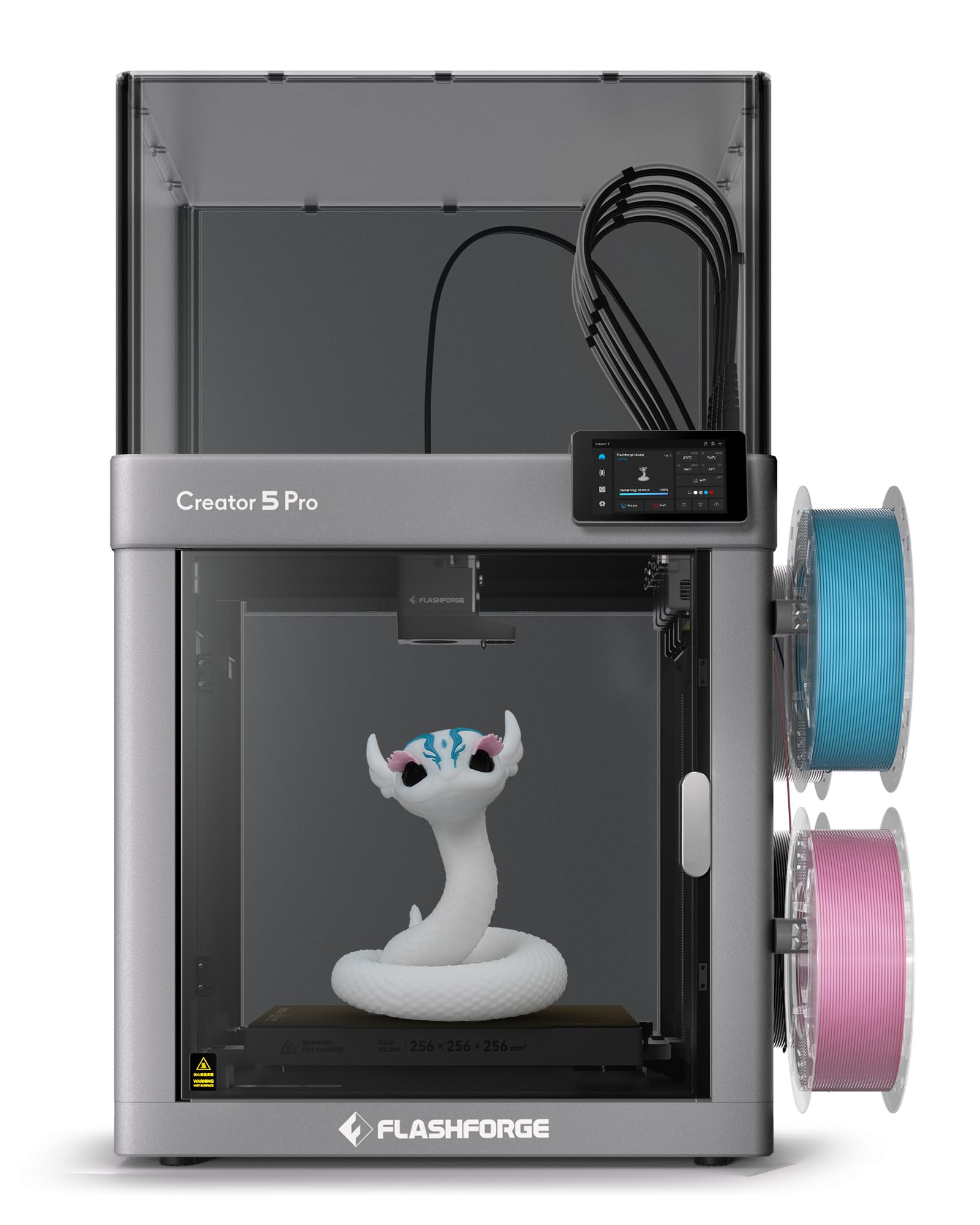


How to Evaluate 3D Printers Under This Budget: Best 3D Printers Under 3000
What You Can Realistically Get Under $3000
Under $3000 you can realistically expect an enclosed machine with a high temperature hot end, quality motion components, and support for engineering filaments such as nylon, polycarbonate blends, and abrasive filled materials with a hardened nozzle. Active or well managed passive chamber heating, filtration, and remote monitoring all appear in this range. What still gets cut, even here, is industrial service coverage and very large heated build volumes. Do not economize on the hot end, motion system, or spare parts access to pay for a bigger screen or decorative features, because those core parts decide print quality every single day.
Printer Type: FDM Workhorses and Resin Specialists
At this budget, FDM machines are the versatile default, handling large functional parts in many materials with modest running costs. Resin machines at similar prices offer far finer detail and bigger build plates than entry resin models, which suits dental style precision work, jewelry masters, and detailed models. Some buyers split the budget, pairing a strong FDM machine with a mid priced resin unit, and gain more total capability than one premium machine provides. Decide by part type: load bearing and large means FDM first, small and intricate means resin deserves a serious look.
Reliability and Support
Score reliability with evidence, not adjectives. Look for documented spare parts pricing, firmware update history, and a warranty that clearly covers electronics and motion parts for at least a year. A strong owner community with shared profiles signals a machine that people actually keep running. Ask what a replacement hot end, build plate, and main board cost, because those three numbers predict your worst week with the printer. At this price, you are buying uptime as much as hardware, and support quality is where premium brands most clearly separate themselves from anonymous imports.
Connectivity and Workflow
WiFi transfer, camera monitoring, and print queue management matter in this tier because long engineering prints are normal. A camera that you can check from another room saves real parts over a year. Prefer machines that also accept files over a local network or removable media without a cloud account, so your workflow survives any change in a vendor platform. Slicer quality belongs in this score too: profiles that are maintained by the maker, with material presets that match the filaments they sell, reduce setup time on every new project.
Print Quality and Resolution
For FDM machines, judge quality by motion design and cooling rather than the smallest layer height on the box. Layer heights of 0.1 to 0.3 mm cover nearly all real work, and consistent extrusion matters more than extreme thinness. Input shaping and rigid frames keep walls clean at useful speeds. For resin machines, pixel size and light uniformity define detail, much as DPI once described document sharpness in paper printing. Either way, look for sample part photographs at full resolution from owners, not renders, and check corners and overhangs rather than flat, easy surfaces.
Footprint and Noise
Premium machines are rarely small. Enclosed FDM printers in this range can occupy a full workbench corner, and resin units need extra room for washing and curing equipment beside them. Measure your space with doors open and ventilation in place, not just the closed footprint. Noise scores matter in home offices: cooling fans and motion systems vary, and filtration fans run for entire prints. A machine that your household can tolerate will run more hours per week, which is the real productivity figure nobody prints on a box.
Three Buying Briefs That Pass the Checklist
Balanced Brief: The Balanced Production Machine
The overall brief at this budget is an enclosed FDM printer with a hot end near 300 degrees Celsius, a hardened nozzle option, a build volume around 250 to 300 mm per side, and documented spare parts. It should handle PLA through nylon blends without modification and hold calibration across weeks of use. Expect to pay around $1,500 to $2,800 for this profile. Its limitation is that it will not match a dedicated resin machine for fine detail or an industrial unit for exotic high temperature polymers. For a single printer that must do almost everything well, this is the brief to fund first.
Value Brief: Last Generation Flagship Capability
The value brief looks for proven designs that have been on the market long enough for prices to soften and communities to mature. You give up the newest convenience features and some speed, and in return you get known reliability, abundant shared profiles, and spare parts everywhere. Expect capable enclosed machines around $800 to $1,500 that meet most of the checklist. This brief suits buyers who would rather spend the remaining budget on filament, a dryer, measuring tools, and a second specialized machine later. Comparing with smaller budgets shows the jump clearly: our guide to the best 3d printers under 1000 marks the line where enclosures and high temperature parts become standard expectations.
Compact Brief: Premium Results, Smaller Footprint
The compact brief prioritizes a smaller enclosed machine that still meets the material and reliability criteria, for buyers whose workspace is a desk rather than a workshop. Build volume drops to around 180 to 220 mm per side, which still covers most functional parts, brackets, and models. Expect prices around $700 to $1,600 for genuine quality at this size. The limitation is obvious: large parts need splitting and joining. The gain is a machine that fits your life, runs quietly nearby, and gets used daily instead of dominating a room. Owners stepping up from the machines in our guide to the best 3d printers under 300 will feel the quality jump most in consistency, not size.
Quick Buyer Checklist
- Does the hot end reach about 300 degrees Celsius, with a hardened nozzle available for abrasive filaments?
- Is the build volume at least as large as your biggest routine part, with a heated bed across the full area?
- Are replacement hot ends, beds, and boards listed for sale today at stated prices?
- Can you transfer and monitor prints without depending entirely on a cloud account?
- Does the maker publish firmware updates and maintain slicer profiles for common materials?
- Will the enclosed footprint, door swing, and ventilation fit your actual workspace?
- Does the total budget still cover filament, a dryer, and basic measuring tools after the purchase?
- Is the warranty at least one year, with support channels you can reach in your time zone?
If a candidate fails two or more of these questions, keep shopping, no matter how attractive its discount looks. Readers building skills on tighter budgets will find the same questions work, scaled down, for machines like those in our guide to the best 3d printers under 200.
Red Flags to Watch For
- Vague specifications. Accuracy claims with no test method, no tolerance figure, and no sample evidence are marketing, not engineering.
- Missing spare parts. If wear items are not sold openly, a minor failure becomes a long outage or a total loss.
- Closed material systems. Proprietary filament locks you into premium prices forever. At this budget, open material support should be non negotiable.
- Implausible review patterns. Waves of short, generic praise with no owner photographs or long term updates deserve deep skepticism.
- Short or evasive warranties. A maker unwilling to stand behind electronics and motion parts for a year is telling you something important.
Tips to Get the Most From Your Printer
- Keep the bed clean. Wipe build surfaces with isopropyl alcohol between prints, since premium speed means nothing when a part lifts at hour six.
- Dry engineering filament. Nylon and similar materials absorb moisture quickly, so a dryer protects the quality you paid this much to obtain.
- Calibrate once, record everything. Run the maker calibration prints, measure them, and save your verified profiles so good results are repeatable. Owners who also run casual machines from our guide to the best hobby 3d printers will find the same record keeping habit pays off there too.
3D Printers: Your Questions Answered
Can you get a good 3d printer under $3000?
Yes, $3000 buys genuinely capable machines with enclosures, engineering material support, and strong reliability when you choose by checklist rather than by advertising. The main limits at this price are industrial service coverage and very large or exotic high temperature builds. One overlooked advantage: this budget leaves room for a quality filament dryer and calipers within the same total spend, and those tools improve results as much as the printer itself.
Which 3D printer type is easiest for beginners at this budget?
An assembled enclosed FDM machine with automatic bed leveling and maintained slicer profiles is easiest at this budget. Premium machines are not automatically harder; the good ones automate more setup than budget models do. What trips beginners is material ambition, so start with PLA and PETG, learn the workflow, and add nylon or polycarbonate blends once your first layers and measurements are consistently right.
FDM or resin: which is cheaper long term under this budget?
FDM is cheaper long term for most owners, because filament costs less per part and needs no washing chemicals, gloves, or curing equipment. Resin running costs concentrate in consumables and replacement screens and films. The exception is very small, highly detailed work, where resin wastes almost no material per part and FDM cannot reach the quality at any price. Judge by your parts, not by a universal rule.
What does cost per print mean at this price level?
Cost per print is the material, electricity, and wear cost of one finished part, and at this level it also deserves a line for your time. A failed overnight engineering print can waste filament worth several dollars plus a day of schedule. Borrowed from document printing ideas like cost per page, the concept simply forces honesty: a slightly pricier machine that finishes reliably often produces the cheapest usable parts.
Are extended warranties worth it on premium printers?
An extended warranty is worth considering when the machine earns money or anchors a workshop schedule, because downtime costs more than the coverage. Read the exclusions carefully, since hot ends and other wear parts are often classed as consumables. A cheaper alternative many owners prefer: bank the warranty price as a spare parts fund and stock a hot end, a build plate, and common cables from day one.
Our Verdict
Score candidates on material capability, support, and workflow before you look at speed or size, and this budget becomes easy to spend well. The product table shortlists machines that fit the ceiling; the checklist in this guide tells you which of them fits your bench, your materials, and your tolerance for maintenance. Apply both, and the best 3d printers under 3000 decision turns into arithmetic rather than guesswork.


