
Best 3D Printers Under 1000 Buying Guide 2026
Disclosure: We may earn a commission when you buy through links on this page, at no extra cost to you. As an Amazon Associate I earn from qualifying purchases. Learn more
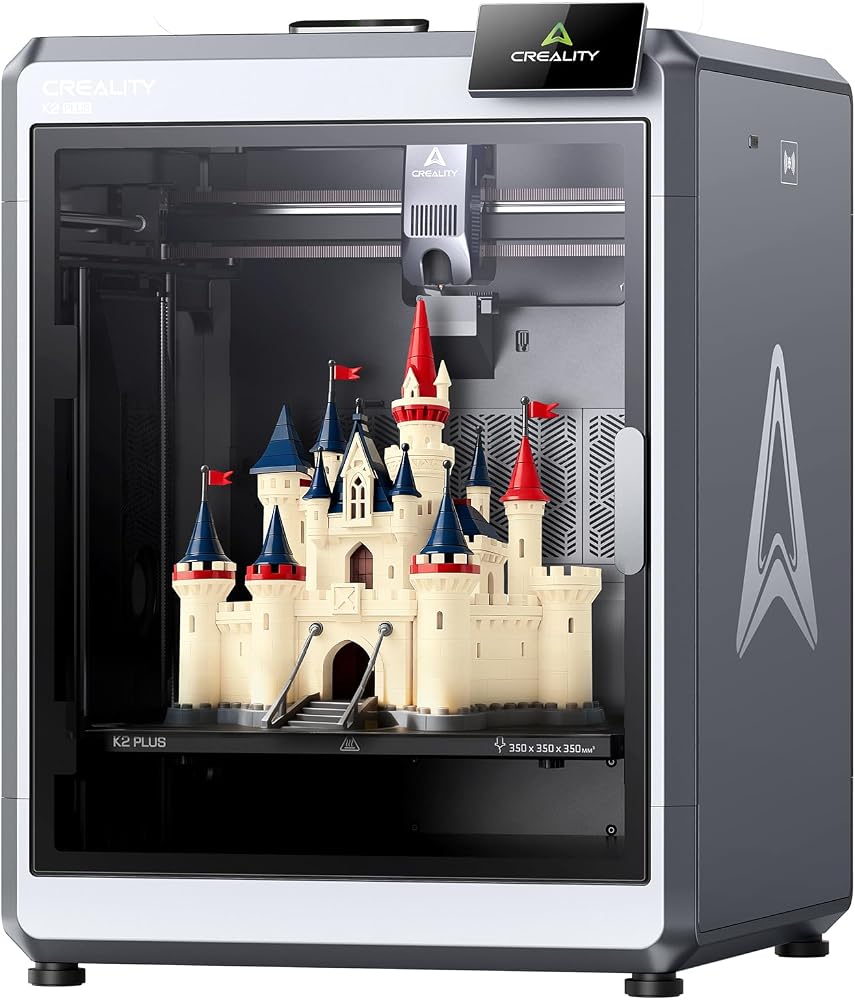
Build size, speed, noise, and setup compared to help you choose the best 3d printers under 1000.
Choosing best 3d printers under 1000 means balancing build size, material choice, and ease of use within a clear budget. At this price you can buy a capable machine for models, prototypes, household parts, and hobby projects, but not every machine suits every material or every skill level. The right choice depends on what you plan to print most often.
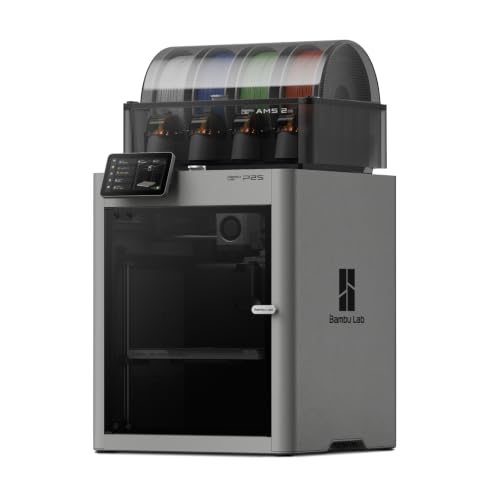
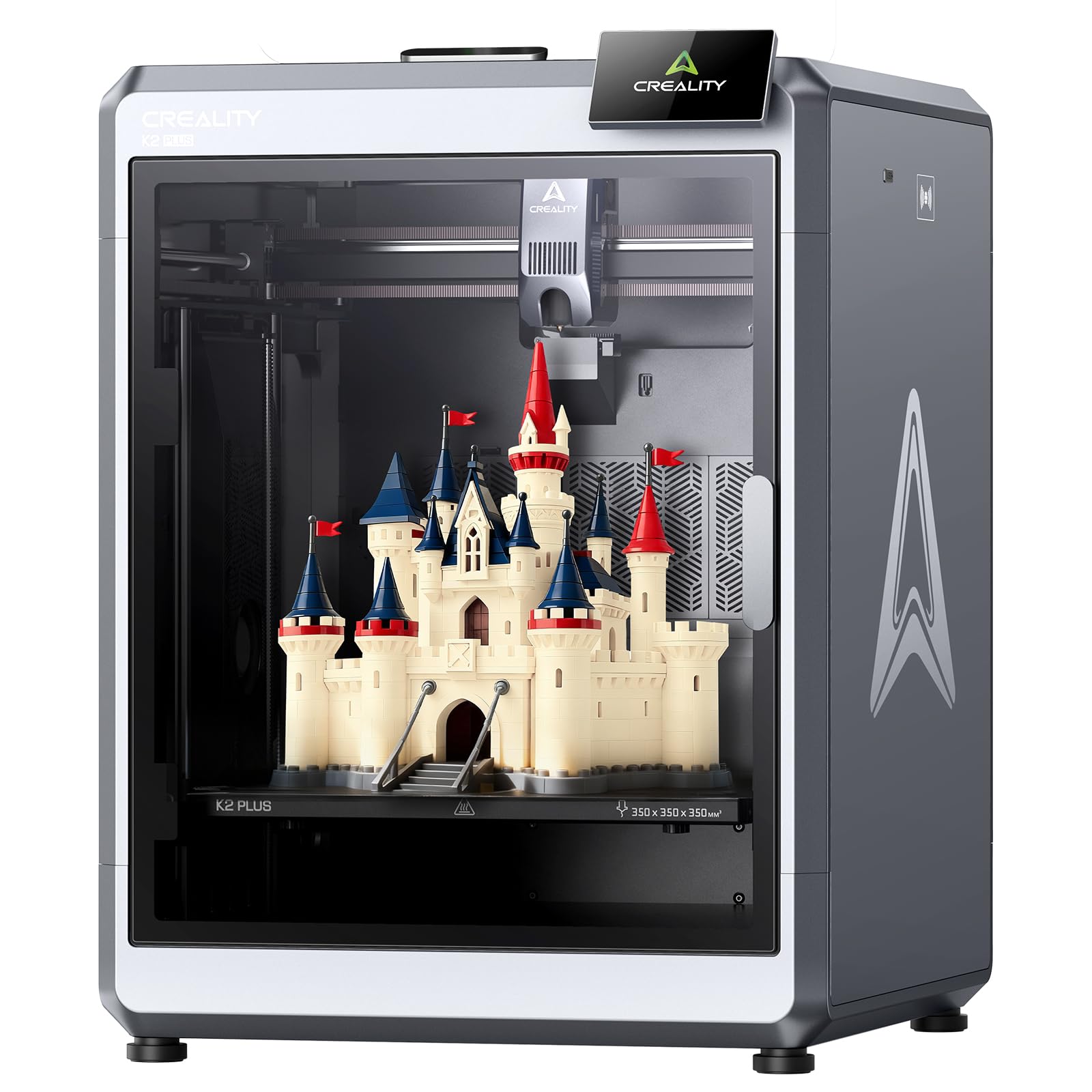
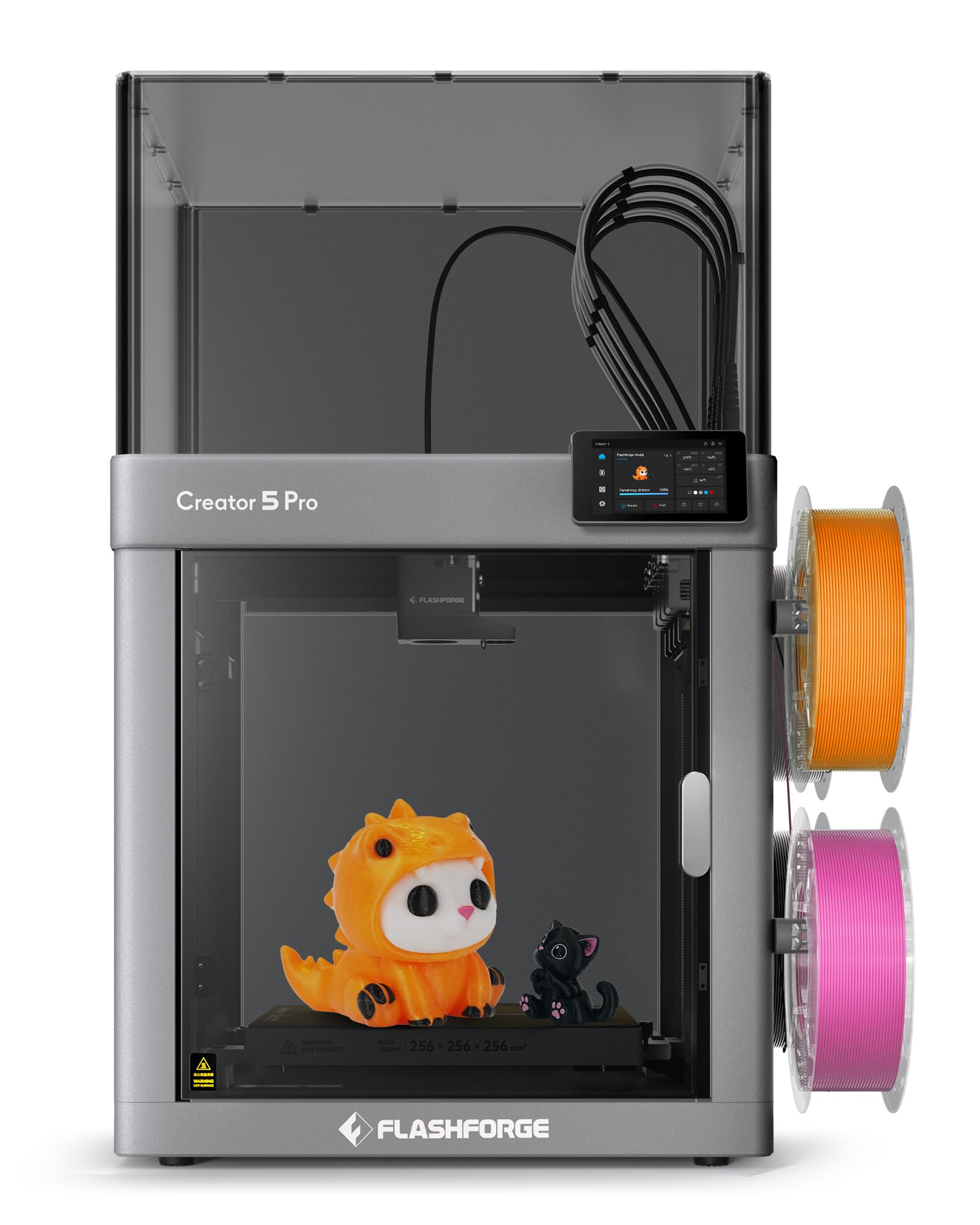
The product table below brings the main options together, but the sections below explain the trade offs that matter in daily use. Print quality, reliability, noise, and software support decide whether a printer becomes a favourite tool or a machine that sits unused after the first few prints.

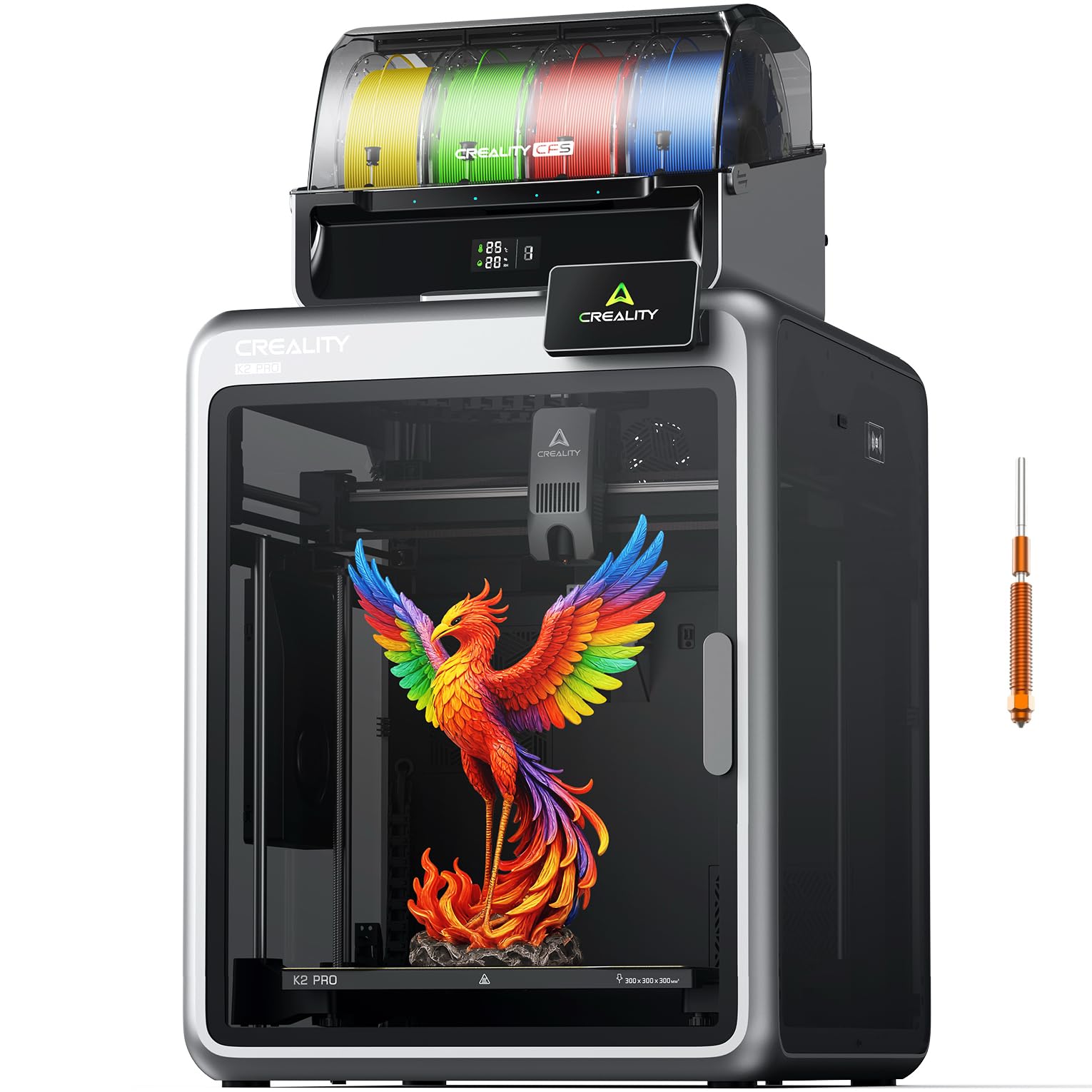
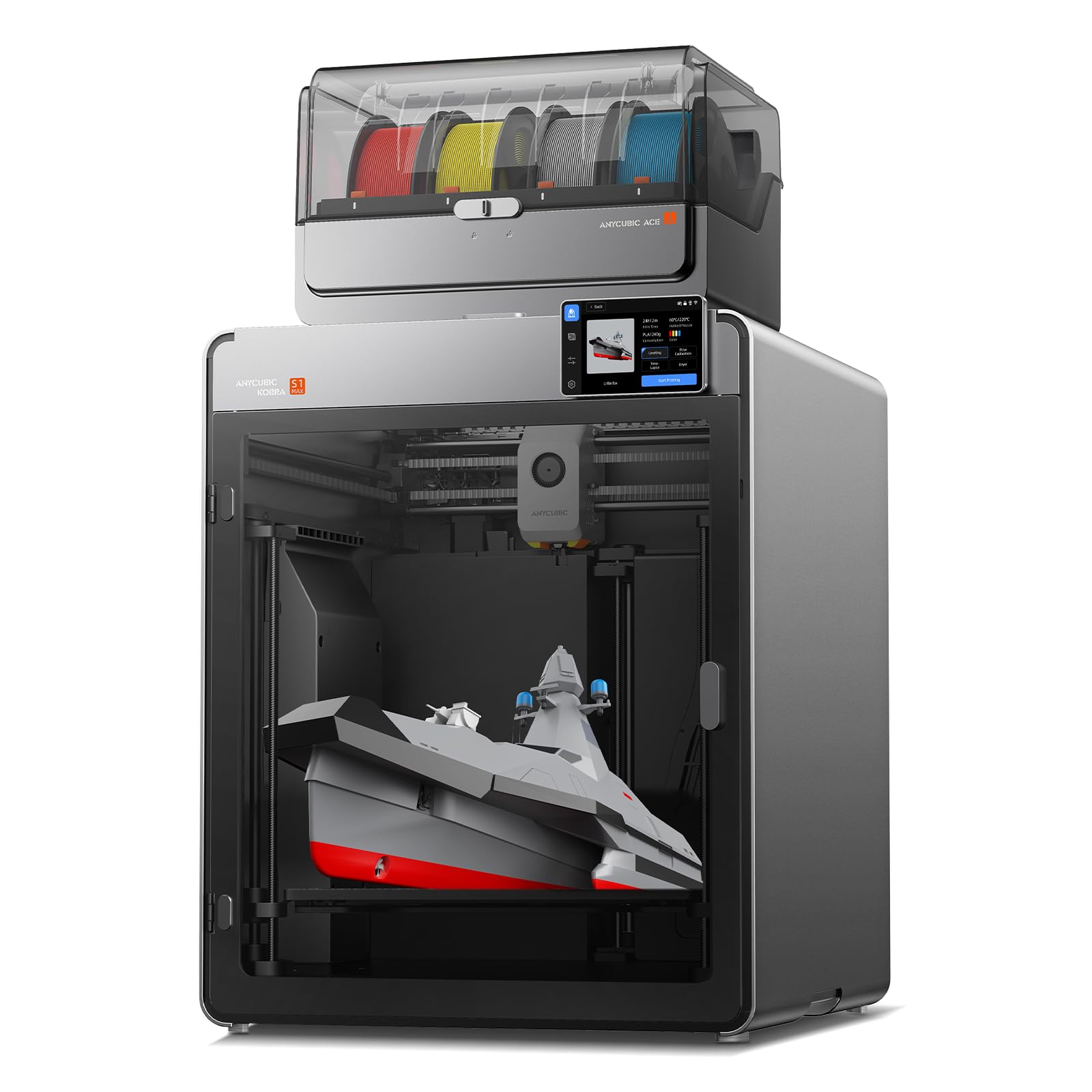
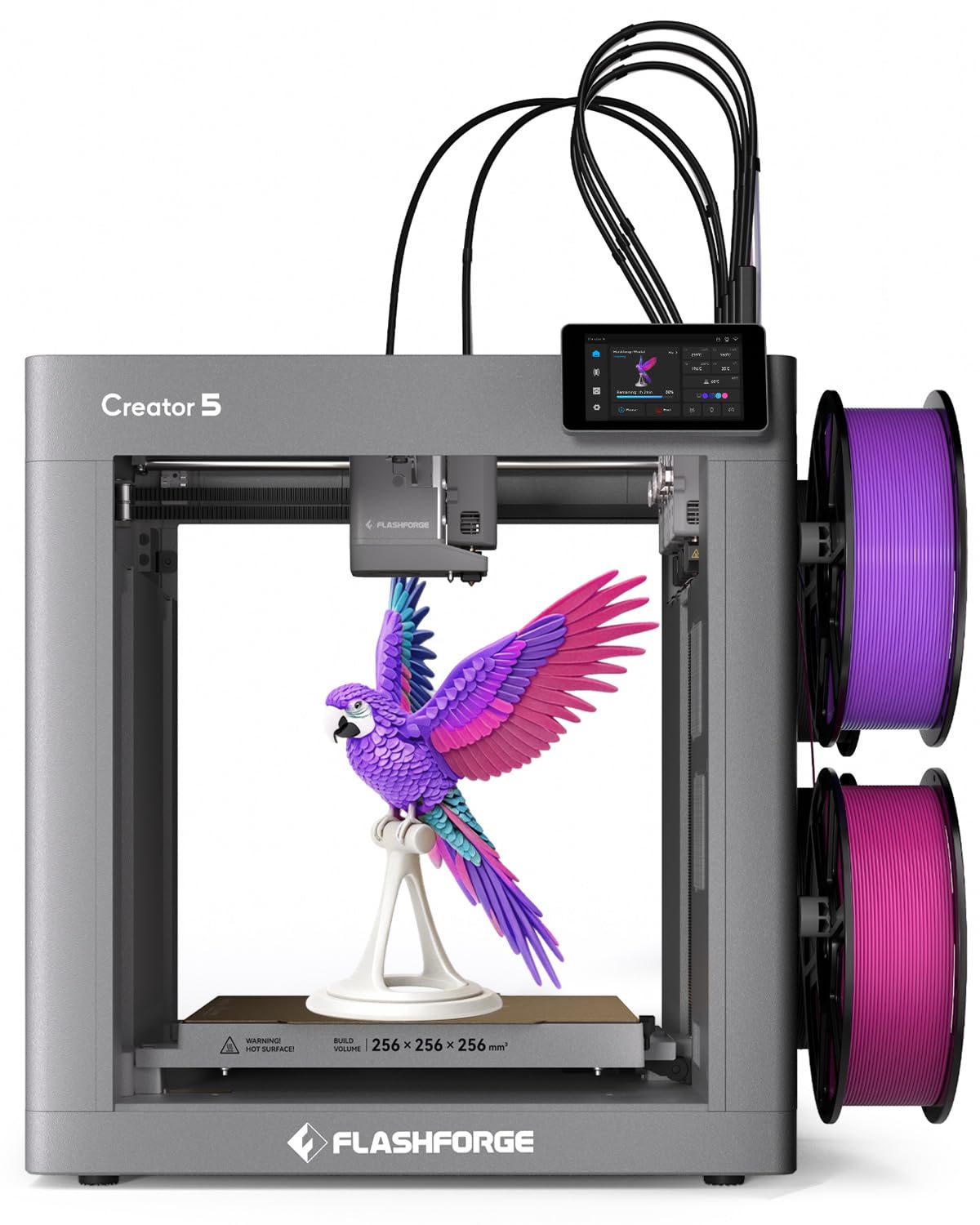
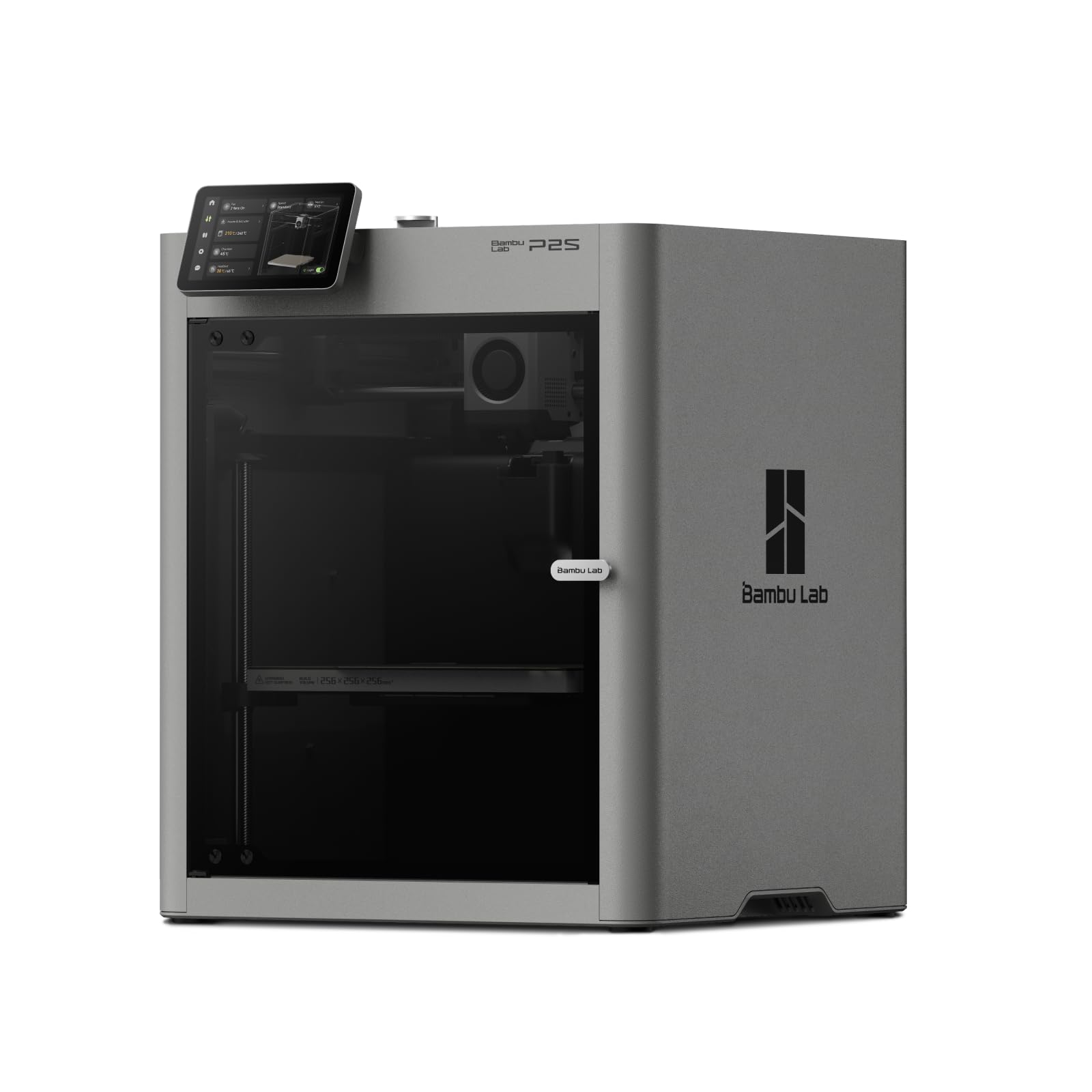

Who Should Buy at This Price
This budget suits hobbyists, students, makers, and small workshops that want reliable prints without paying for industrial features. It also suits first time buyers who want room to grow, since many machines at this price accept common materials and popular slicer software. If you need very large parts, specialist engineering plastics, or high volume production, a higher budget or a print service may fit better.
Beginners should favour machines with guided setup, automatic bed levelling, and a helpful community, since those features shorten the learning curve. Experienced users may trade some hand holding for a larger build volume or faster printing. Be honest about the time you can spend tuning, since even a good printer needs occasional calibration and care.
Key Features to Compare in 3D Printers Under 1000
Build volume sets the largest part you can print in one piece, and it is easy to overbuy here. A medium volume covers most household and hobby parts, while a large volume helps for helmets, cosplay pieces, and multi part assemblies. Nozzle temperature and bed type decide which materials print well, from easy PLA to tougher PETG and flexible filaments.
Print speed matters less than reliability for most buyers, since a fast print that fails wastes more time than a slow print that succeeds. Noise matters in a shared home, so check fan and motor noise if the printer will run overnight. Filament runout detection, power loss recovery, and a sturdy frame all reduce failed prints and frustration.
- Build volume for your largest part
- Nozzle and bed temperature range
- Automatic bed levelling
- Noise level for home use
- Slicer software and community support
Types Compared
Filament printers, often called FDM machines, melt plastic layer by layer and suit strong functional parts, prototypes, and larger models. Resin printers cure liquid resin with light and produce very fine detail for miniatures, jewellery, and dental style models, but they need careful handling, washing, and curing steps. At this budget, filament machines are usually the simpler first choice for general use.
Enclosed machines control temperature and reduce draughts, which helps with warp prone materials and keeps fumes contained. Open machines cost less, run cooler materials well, and are easier to watch and maintain. Choose enclosure based on materials and room ventilation rather than looks alone, and check whether the maker rates the machine for the filament you plan to use most.
Budget and Long Term Value
The printer price is only part of the cost, since filament, spare nozzles, build plates, and occasional parts add up over time. Budget for a few spools to learn with, and for basic tools such as scrapers, cutters, and calipers. A machine with standard parts and a large community usually costs less to maintain than a machine with rare spares.
Check warranty, spare part availability, and software updates before buying. A printer from a maker with a clear support channel and an active user base ages better than a bargain machine with no help when something breaks. Read the return policy too, since a machine that arrives damaged or misaligned should be easy to exchange.
Common Mistakes to Avoid
A common mistake is buying the largest build volume available and then printing only small parts, which wastes space, time, and money. Another is choosing a machine for one exotic material while ignoring the materials you will actually use weekly. A third mistake is skipping calibration, since a level bed and correct first layer solve most early failures.
Ventilation is often overlooked, especially for resin printing and for materials that give off noticeable smells. Place the printer in a ventilated room, keep it away from bedrooms when possible, and follow the maker guidance for each material. Safety and comfort matter as much as print quality in a home setting.
Care and Everyday Use
Keep filament dry in sealed bags with desiccant, since damp filament causes stringing, blobs, and weak layers. Clean the build plate regularly, check belts and wheels for wear, and replace nozzles when prints lose detail. A short maintenance routine every few weeks prevents most reliability problems and keeps dimensions accurate.
Store the printer away from dust and direct sunlight, and keep cables tidy so nothing snags during a long print. Save successful slicer profiles for each material, and note changes when you tune settings. That simple record saves hours when you return to a material after a break.
Related Guides Worth Reading Next
If you want to compare a neighbouring option, read our guide to best 3d printers under 1000 dollars, which covers the same kind of buying decision from a slightly different angle and can help you narrow the shortlist.
If you want to compare a neighbouring option, read our guide to best hobby 3d printers, which covers the same kind of buying decision from a slightly different angle and can help you narrow the shortlist.
If you want to compare a neighbouring option, read our guide to best 3d printers under 300, which covers the same kind of buying decision from a slightly different angle and can help you narrow the shortlist.
If you want to compare a neighbouring option, read our guide to best 3d printers under 200, which covers the same kind of buying decision from a slightly different angle and can help you narrow the shortlist.
If you want to compare a neighbouring option, read our guide to best 3d printers under 400, which covers the same kind of buying decision from a slightly different angle and can help you narrow the shortlist.
A Closer Look Before You Decide
Your first spool choice shapes the learning curve more than any other consumable decision. A forgiving PLA filament in a neutral colour lets you practise bed adhesion, layer height, and support settings without fighting warping or stringing on every print. Print small calibration models first, such as a cube and a temperature tower, and keep notes on the settings that worked for that spool before moving to tougher materials.
Placement deserves the same attention as the printer itself, since a stable, level table away from draughts reduces failed prints noticeably. Keep the printer out of bedrooms when possible, especially for resin work or for materials with noticeable smells, and leave room around the machine for filament loading and part removal. A tidy workspace with tools, spare nozzles, and dry filament storage turns printing from a fiddly chore into a relaxed hobby.
Frequently Asked Questions
What can I print with a printer under 1000?
You can print a wide range of hobby and household items, including models, brackets, organisers, replacement knobs, prototypes, and decorative pieces. Filament machines handle strong functional parts well, while resin machines excel at fine detail. Very large parts, high temperature engineering plastics, and food contact items need specialist machines or materials, so check suitability before starting such projects.
Is filament or resin better for a beginner?
Filament printing is usually easier for a beginner, because setup is simpler, materials are forgiving, and cleanup is straightforward. Resin printing gives finer detail but needs gloves, washing, curing, and careful disposal of waste. Beginners who want miniatures may still choose resin, but they should budget for the extra safety steps and workspace it requires.
How much does printing cost per model?
Cost depends on size, infill, and material, but small models often use only a small amount of filament worth a modest sum. Larger or denser parts use more material and more time, and failed prints add cost. Slicer software estimates material use before printing, which helps you judge whether a design is worth the time and filament it will consume.
How noisy is a home 3d printer?
Noise varies by machine, with fans and stepper motors producing a steady hum during printing. Many home machines are quiet enough for a separate room, but may disturb light sleepers if placed in a bedroom. Enclosures, silent drivers, and slower speeds can reduce noise. Check user reports for the specific model if overnight printing matters to you.
Do I need experience to use one?
No, but a willingness to learn helps a lot. Modern machines offer guided setup and preset profiles, and large online communities share advice for common problems. Expect a learning curve around bed levelling, slicer settings, and material choice. Starting with simple models and one forgiving material builds skill faster than tackling complex projects on day one.
Final Thoughts
best 3d printers under 1000 offer real capability for hobbyists and makers who match the machine to their projects. Compare build volume, materials, reliability, and support before chasing speed or size. That measured choice keeps printing enjoyable long after the novelty fades.
The product table above brings the main options together, so use it beside the checklist in this guide when you compare size, features, and price before you order.


