
Best 3D Printers Under 300 2026
Disclosure: We may earn a commission when you buy through links on this page, at no extra cost to you. As an Amazon Associate I earn from qualifying purchases. Learn more

Clear checks on features, price and upkeep to help you choose the best 3d printers under 300.
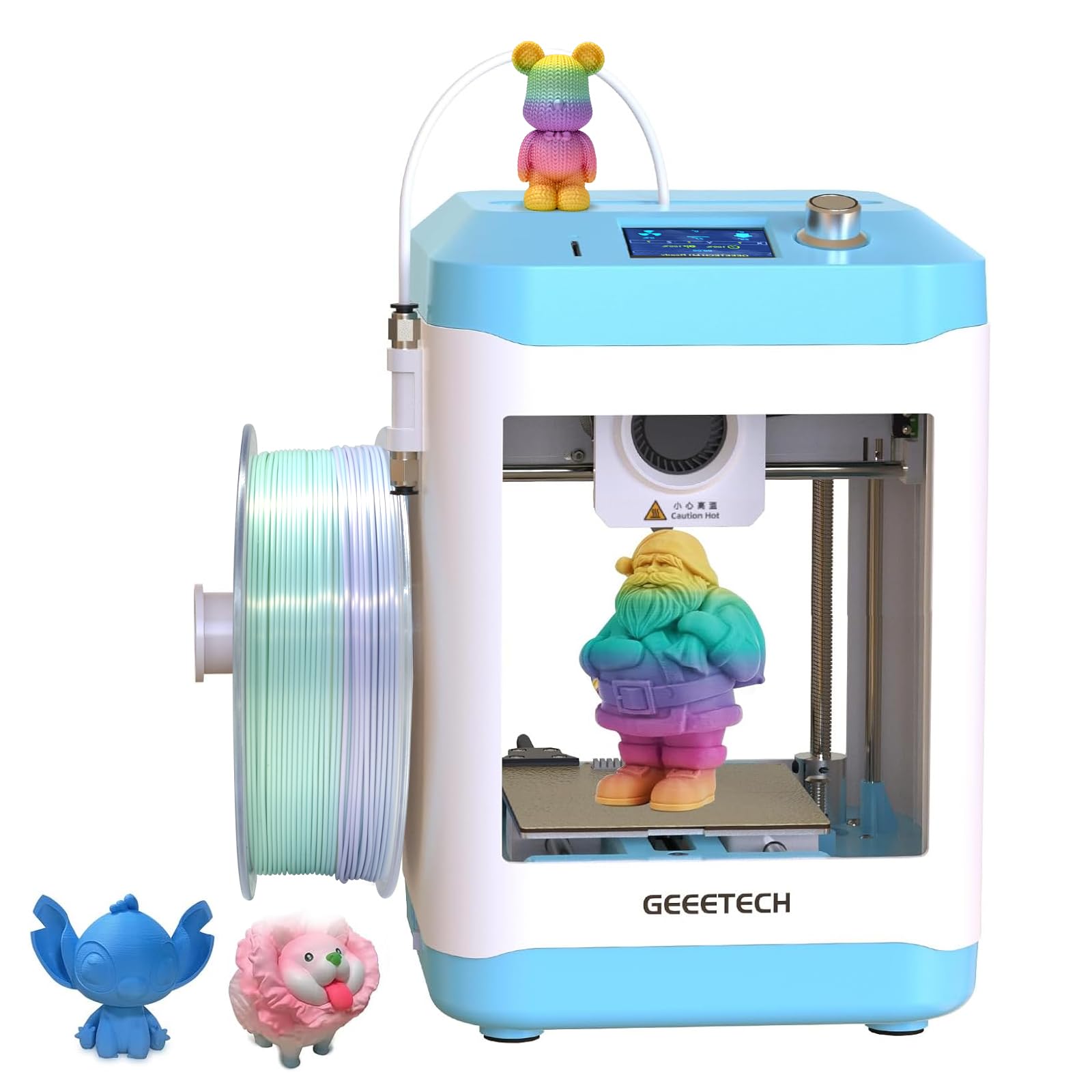
Budget 3D printers have improved hugely, offering capable machines for learning, prototyping, and hobby projects, so the best 3d printers under 300 are judged on reliability and ease of use as much as on print quality. A good budget printer levels easily, prints consistently, and does not need constant tinkering to produce useful parts. The product table outlines the main budget printer types, and this guide explains build volume, levelling, materials, and running costs.
This guide is for beginners, students, hobbyists, and makers who want a first printer without a large investment. It covers FDM printing, which melts plastic filament layer by layer, and helps you set realistic expectations for budget machines. For related budget printers, see best 3d printers under 300 dollars and best hobby 3d printers.
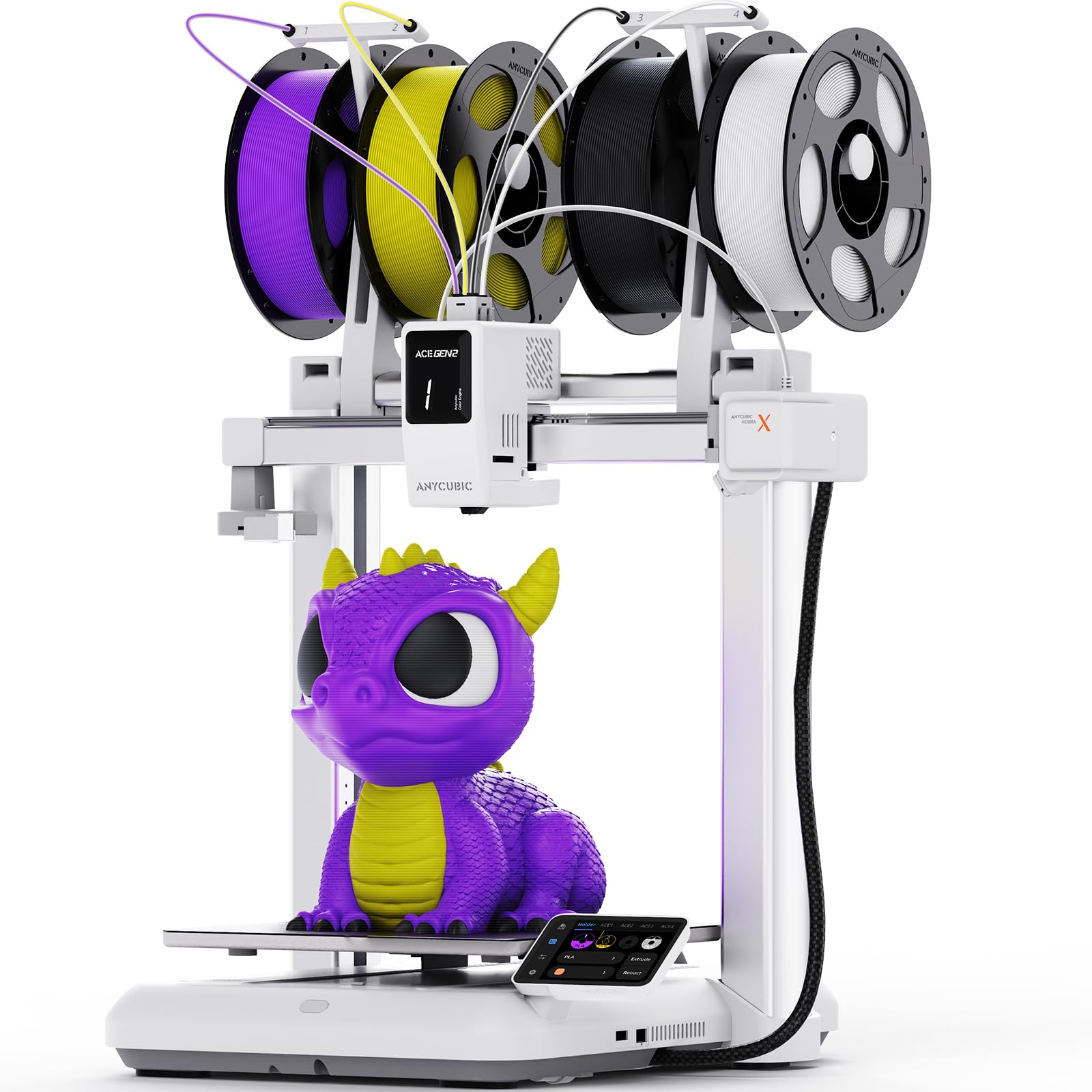
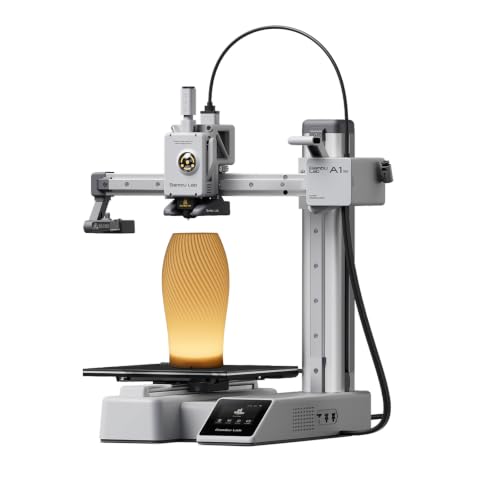


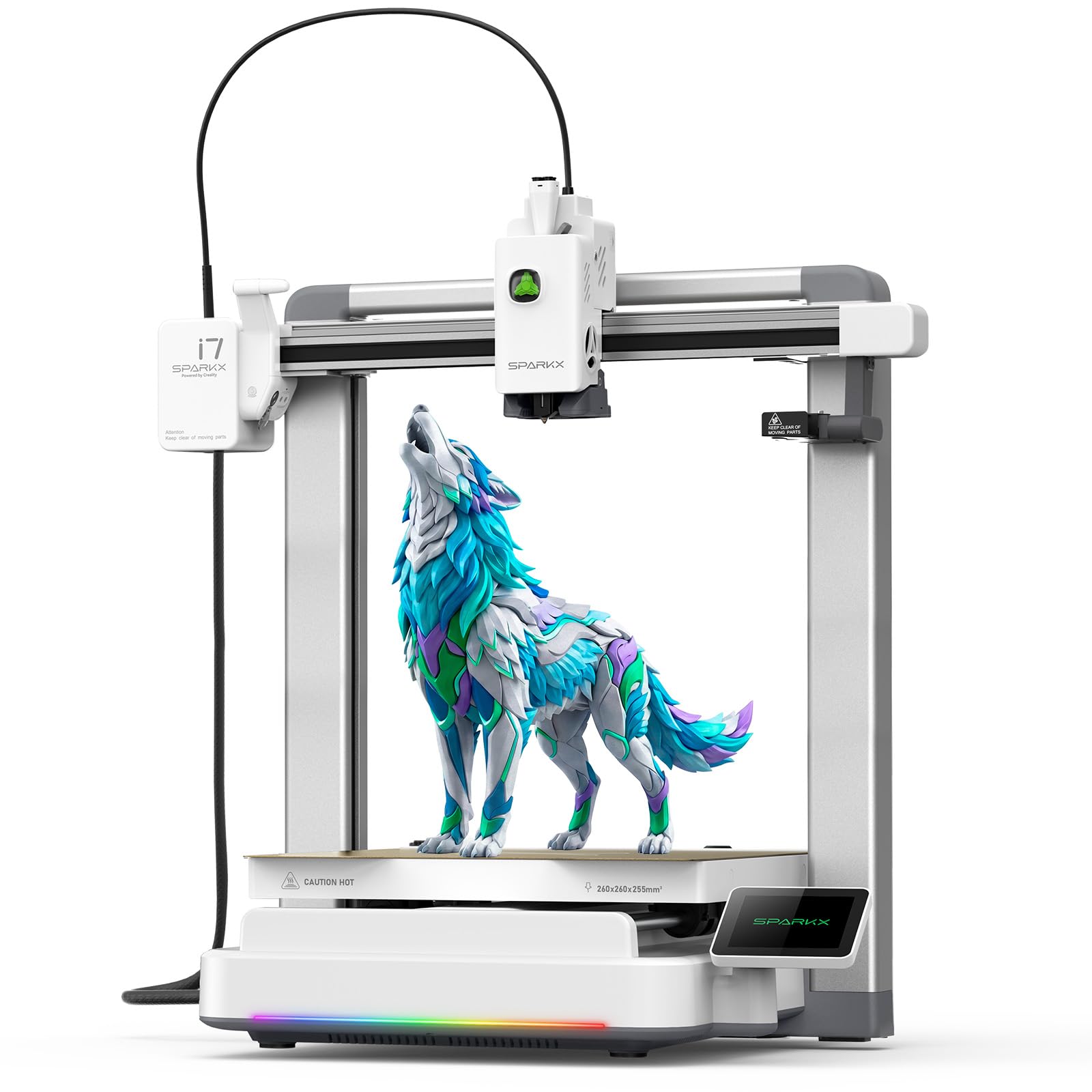
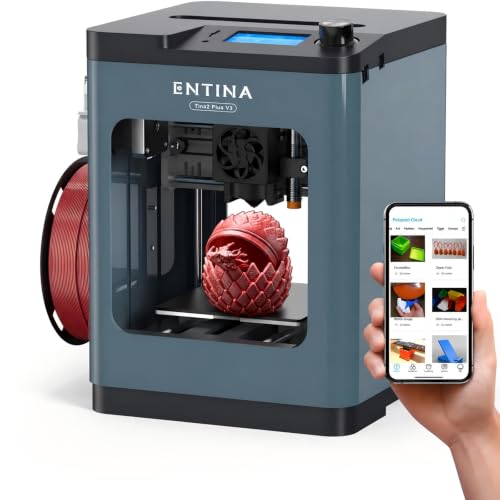


Who Should Buy a Budget 3D Printer
Beginners, students, and hobbyists who want to learn 3D printing, make prototypes, or print household fixes benefit most from budget printers. They suit users who print a few times a week and enjoy learning slicing, settings, and basic maintenance. Budget printers also suit schools and makerspaces where several machines are needed.
If you need very high detail, large parts daily, or production reliability, a midrange or professional printer will serve better. Budget printers need more patience, calibration, and troubleshooting than premium machines. Buy budget for learning and hobby use, not for deadline critical production.
Build Volume, Print Quality, and Speed
Build volume decides the largest part you can print in one piece, with most budget printers offering around 220 mm in each direction. Larger volumes help for helmets and large models, but bigger prints take longer and fail more often if adhesion or levelling is off. Choose volume for the parts you actually print, not the largest possible.
Print quality depends on layer height, nozzle size, and tuning, with finer layers giving smoother surfaces but much longer print times. Budget printers can print well at moderate layer heights with good calibration. Speed claims matter less than reliable speed, since a fast print that fails wastes more time than a slower successful print.
Bed Levelling, Adhesion, and First Layers
Bed levelling is the most important setup step, since a first layer that is too high will not stick, and one that is too low will clog or damage the bed. Auto bed levelling probes the bed and compensates for unevenness, which helps beginners hugely. Manual levelling works too, but needs patience and practice with paper gap tests.
Adhesion aids include heated beds, PEI sheets, glue sticks, and brims or rafts in slicer settings. PLA filament sticks well to heated PEI beds for most users, while other materials need more care. Clean the bed regularly, since fingerprints and dust reduce adhesion and cause failed prints.
Materials, Safety, and Ventilation
PLA is the best beginner material, printing easily at moderate temperatures with low warping and minimal odour. PETG offers stronger, more weather resistant parts but strings more and needs tuning. ABS and ASA offer strength and heat resistance but warp easily and need ventilation, since they release more fumes during printing.
Print in a ventilated room, away from bedrooms, and avoid breathing fumes directly, especially with ABS and ASA. Keep printers away from flammable materials, never leave long prints entirely unattended if you can avoid it, and check wiring and heater safety regularly. For other budget options, best printers under 300 covers printers under 300 more broadly.
Slicing, Software, and Learning Curve
Slicer software turns 3D models into printer instructions, controlling layer height, infill, supports, and speed. Free slicers offer profiles for common printers that work well for beginners, with advanced settings to explore later. Start with maker profiles, print calibration models, and change one setting at a time to learn cause and effect.
Learning resources, including maker communities, video guides, and model libraries, help beginners enormously. Expect early failures, and treat them as learning rather than printer faults. Keep notes on successful settings for each filament, since different brands behave differently even in the same material.
Budget Tiers and Real Running Costs
Budget 3D printers under 300, around $150 to $300, suit beginners with basic auto levelling, heated beds, and standard build volumes. Spending near the top of the range usually buys better levelling, sturdier frames, and quieter operation, which is worthwhile for regular use. Below $150, expect more assembly, manual levelling, and tinkering.
Running costs include filament, replacement nozzles, beds, and electricity, plus time for calibration and failed prints. A kilogram of PLA, around $20 to $30, prints many small parts, so material cost per part is usually low. For higher budget printers, best 3d printers under 1000 and best 3d printers under 200 cover other price bands.
Planning for Everyday Use
Think about what you want to print before choosing, since household fixes, prototypes, toys, and cosplay parts need different build volumes and materials. Small parts suit most budget printers, while large helmets or long parts need larger volumes and longer print times. Start with small calibration prints and household items to learn slicing and settings before attempting large ambitious models.
Plan your printing space too, with ventilation, a stable table, and storage for filament kept dry. Filament absorbs moisture, causing stringing and weak prints, so store spools in dry boxes with desiccant. Keep spare nozzles, beds, and cleaning tools handy, since budget printers need regular small maintenance to print reliably over months.
A Final Check Before You Order
Before ordering, confirm build volume against the largest part you plan to print, and check whether auto bed levelling is included, since it helps beginners hugely. Read setup guides and community feedback for the model, noting common issues and fixes. Confirm filament compatibility, software support, and spare part availability before committing.
Also set realistic expectations for your first weeks, expecting calibration prints and some failures while you learn. Start with PLA filament, maker slicer profiles, and small models, changing one setting at a time. A careful start with realistic goals makes budget 3D printing rewarding rather than frustrating, and it builds skills for larger projects later.
Common Mistakes to Avoid
A common mistake is expecting premium reliability from a budget printer without calibration, since bed levelling, first layer height, and slicer settings decide print success far more than brand alone. Learn levelling, print calibration models, and change one setting at a time. Another mistake is printing large ambitious models first, since long prints fail more often and waste filament when basics are still unlearned.
A second mistake is storing filament damp, since moisture causes stringing, weak layers, and failed prints even on a well tuned machine. Store spools dry with desiccant, and dry filament if prints degrade. Also avoid printing ABS or ASA without ventilation, since those materials release more fumes than PLA, and keep printers away from flammable materials during long prints.
Frequently Asked Questions About Best 3D Printers Under 300
Are 3D printers under 300 good enough for beginners?
Yes, modern budget printers print well for learning, prototyping, and hobby parts with good calibration. They need more setup and troubleshooting than premium machines, but they teach core skills well. Choose a model with auto levelling and a heated bed for the easiest start.
What can I print with a budget 3D printer?
You can print household fixes, prototypes, toys, brackets, organisers, and cosplay parts, within build volume limits. Strength depends on material and design, so functional parts need thoughtful orientation and infill. Very large or highly detailed parts suit larger or higher end printers better.
Is 3D printing safe at home?
PLA printing in a ventilated room is generally considered low risk, while ABS and ASA need better ventilation due to fumes. Keep printers away from flammable items, supervise long prints where possible, and maintain wiring and heaters. Avoid printing in bedrooms overnight if you can.
How hard is it to learn 3D printing?
Basic printing is learnable within days, with slicing, levelling, and first prints as the main hurdles. Mastery takes months of practice with materials and settings. Maker communities and calibration guides shorten the learning curve a lot for beginners.
What filament should beginners start with?
PLA is the best beginner filament because it prints easily, sticks well, and warps little at moderate temperatures. Start with a reputable PLA brand, learn slicer basics, then try PETG for stronger parts. Keep filament dry, since moisture causes stringing and weak prints.
Final Thoughts
A good budget 3D printer levels easily, prints reliably, and lets you learn without constant frustration. Use the product table to compare build volume, levelling, and materials, and set realistic expectations for your first months. With the best 3d printers under 300 chosen for reliability over headline speed, hobby printing should feel rewarding rather than fiddly.
Finally, keep a simple log of successful print settings for each filament you use, noting temperature, speed, and bed adhesion tricks that worked. That log will save hours of trial and error on future projects, and it turns early learning into a reliable personal reference for every print that follows.


