
Best 3D Printers Under 300 Dollars 2026 Buying Guide
Disclosure: We may earn a commission when you buy through links on this page, at no extra cost to you. As an Amazon Associate I earn from qualifying purchases. Learn more

Clear checks on features, price and upkeep to help you choose the best 3d printers under 300 dollars.
If you are shopping for best 3d printers under 300 dollars, start with how you will use them in everyday life, because the right choice depends on fit, features, and routine more than on a single specification. This guide is written for first time makers, students, and hobbyists who want to learn printing without a large outlay, and it walks through the points that matter before you order, so you can compare options with confidence.
The product table summarises the main choices side by side, while the sections that follow explain a build volume that fits your usual models and support for common PLA and PETG filament in practical terms. Take notes as you read, and check each point against your space, your budget, and the way you will actually use the product day to day.
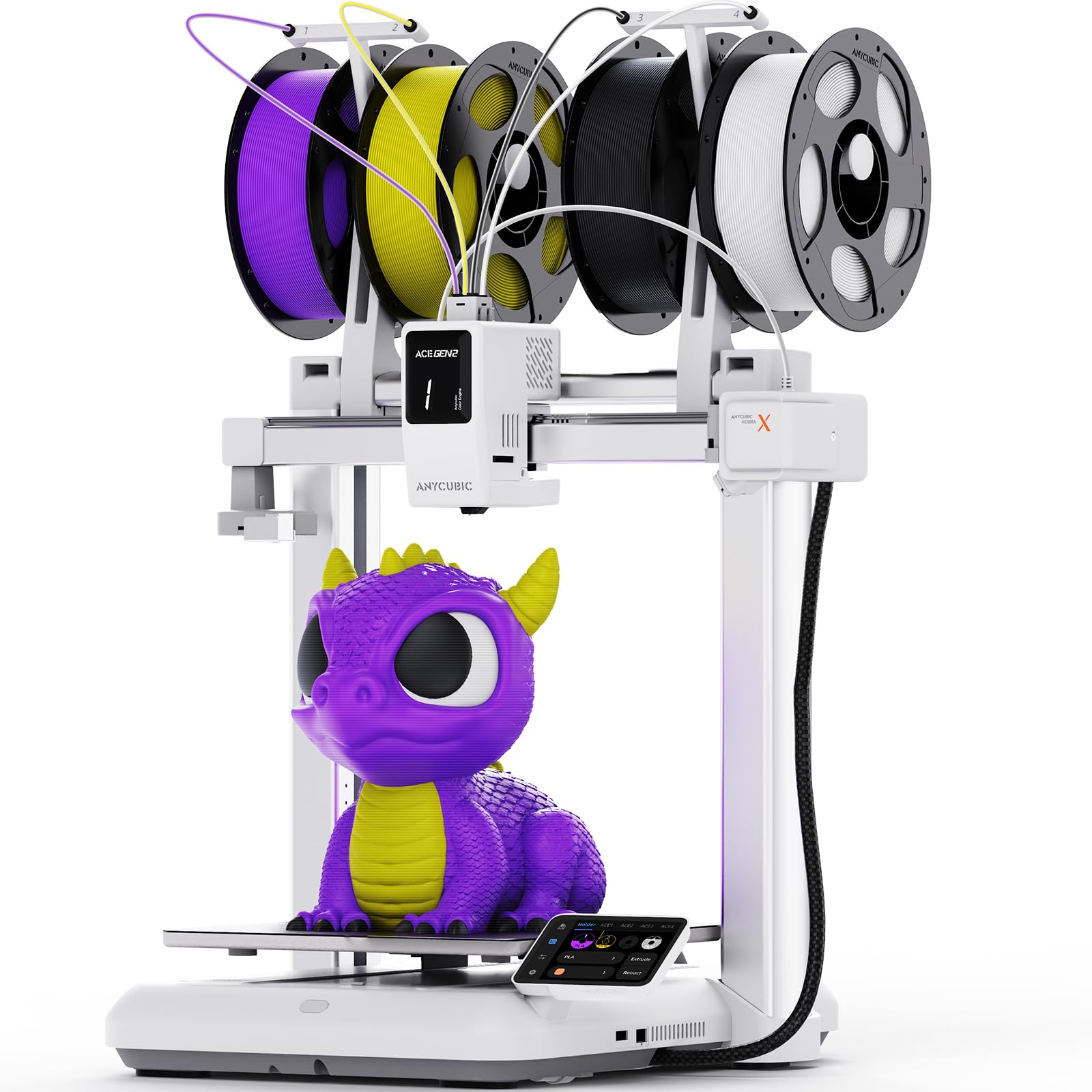
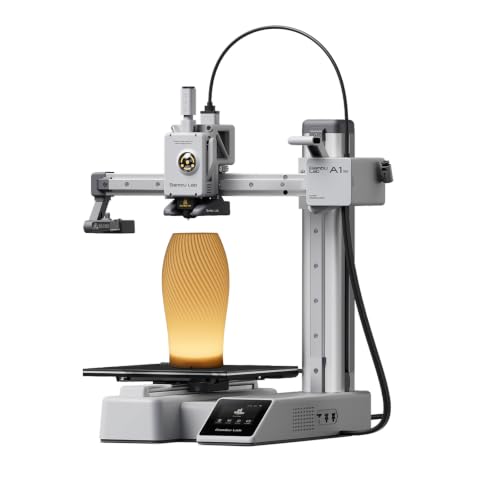


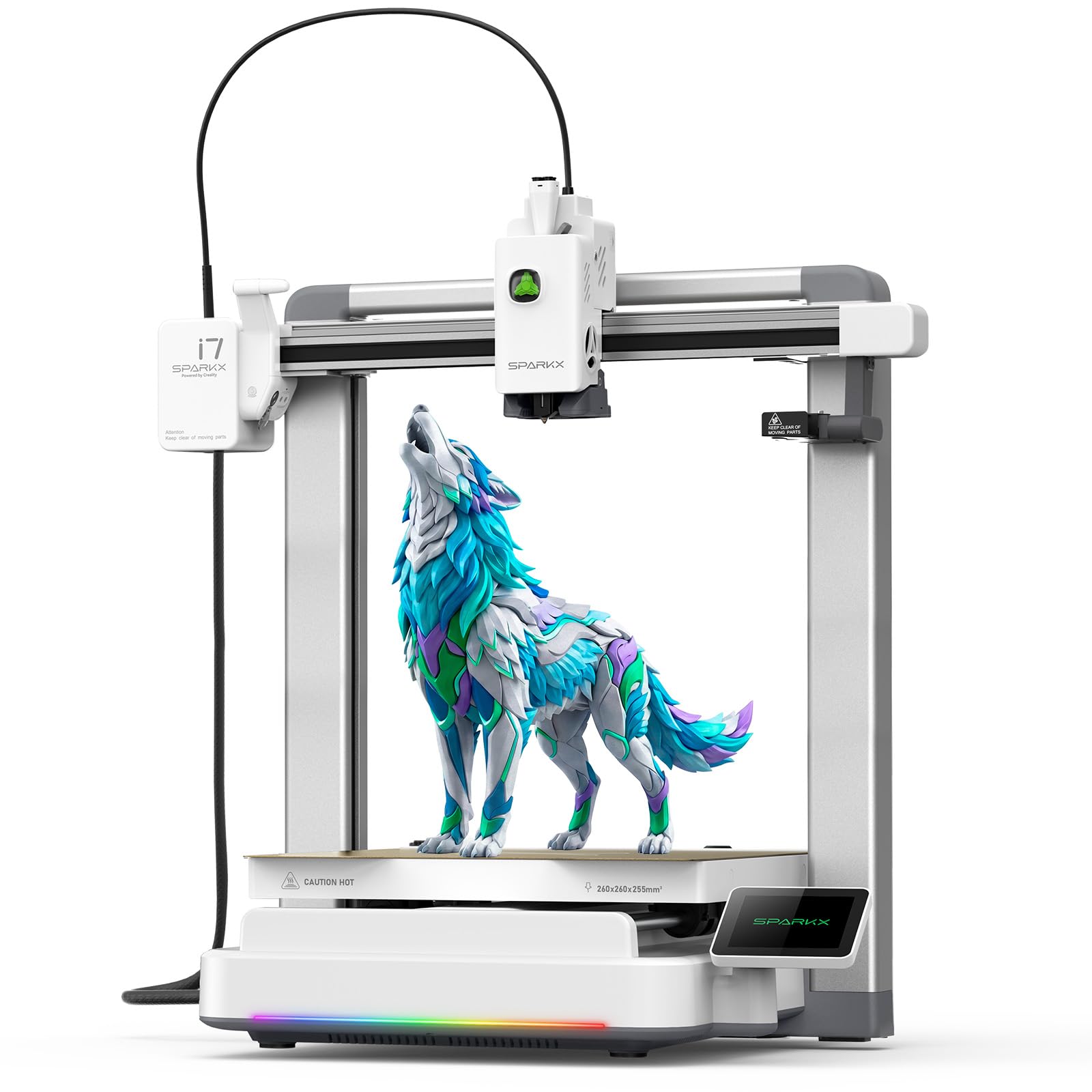


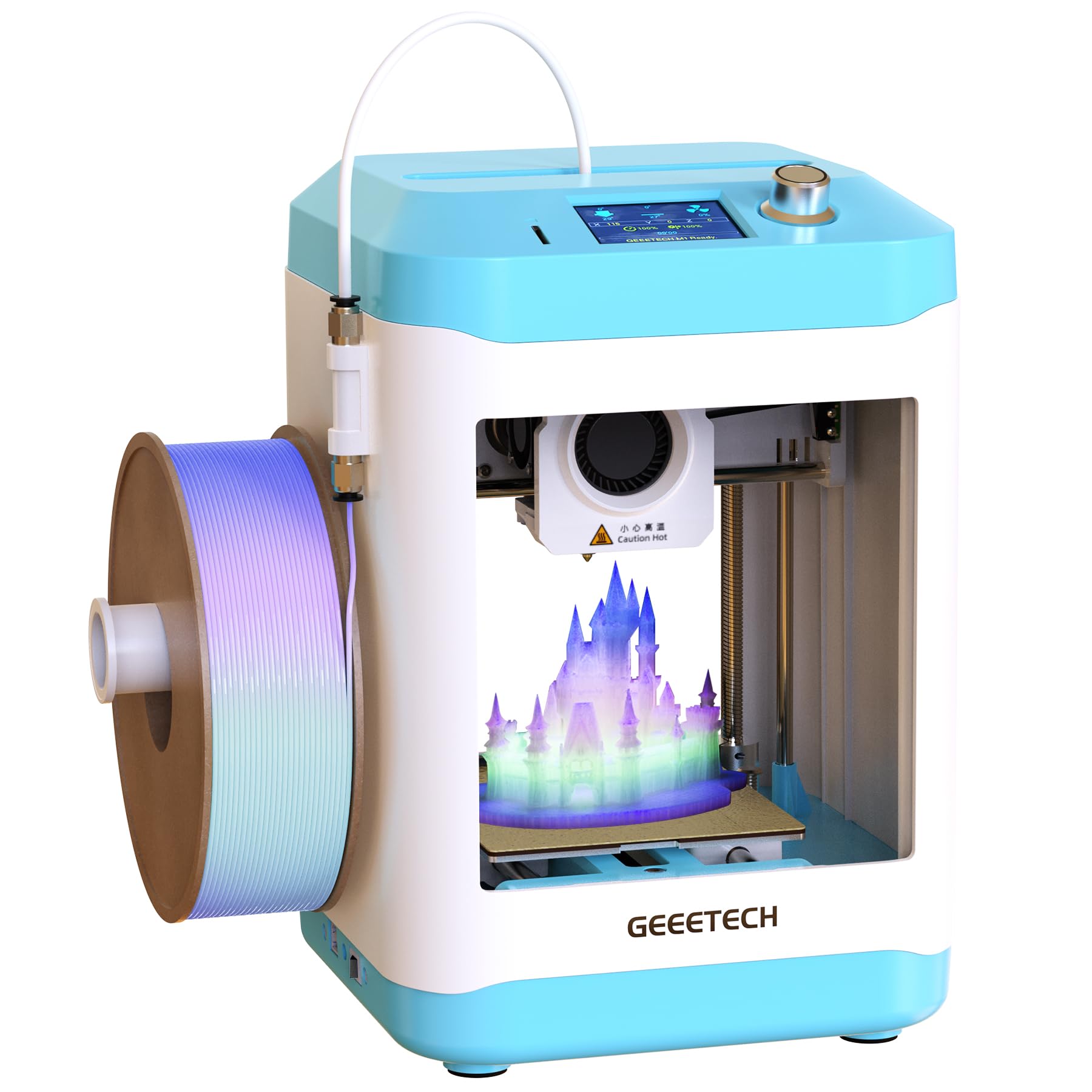
Who Should Buy This Type
This type suits first time makers, students, and hobbyists who want to learn printing without a large outlay. It works when you value a build volume that fits your usual models and a heated bed for steady first layer adhesion, and when you are willing to spend a little time on setup and care to get steady results. People who already know their size, space, and daily routine will find choosing easier, because those details narrow the options quickly.
Write down your must have features before you compare options, because a clear list stops a single eye catching detail from deciding the purchase. Check a build volume that fits your usual models first, then look at support for common PLA and PETG filament, and only then consider extras that add convenience rather than basic function.
Key Features to Compare
When you compare options, focus first on a build volume that fits your usual models, then on support for common PLA and PETG filament and simple levelling and a clear screen menu. These features shape daily performance, while extras matter only after the basics fit your needs. A product that scores well on the basics and fairly on extras is usually a safer choice than one that excels in one area and fails in another.
- a build volume that fits your usual models
- support for common PLA and PETG filament
- a heated bed for steady first layer adhesion
- simple levelling and a clear screen menu
- a sturdy frame that limits vibration
Also check a sturdy frame that limits vibration, because it affects comfort and long term satisfaction in ways that are easy to overlook in a shop or online listing. Read the full specification, not only the headline, and ask the seller about anything that is unclear before ordering.
Size, Fit and Compatibility
Measure your desk and check the printer footprint plus room for the spool, because a cramped corner makes filament feeding awkward and increases failed prints. A build volume around the size of a small lunchbox suits ornaments and brackets, while larger models need a bigger bed or a split print.
Before ordering, confirm support for common PLA and PETG filament and simple levelling and a clear screen menu against your own measurements, and keep a note of the numbers you checked. If a measurement is close to a limit, allow a small margin, because a tight fit often causes frustration that a slightly larger or smaller option would avoid. Compare options side by side on the points that matter in normal use, not only on headline numbers. A modest difference in a heated bed for steady first layer adhesion rarely matters as much as simple levelling and a clear screen menu and ease of use over months of ownership.
Setup and Daily Use
Assembly at this price often takes an hour or two, so follow the manual step by step, check belt tension, and run a small test print before a long job. Keep the printer on a stable surface away from drafts, and store filament dry so moisture does not cause rough surfaces.
In daily use, pay attention to a heated bed for steady first layer adhesion and a sturdy frame that limits vibration, because these are the details you will notice most often. Keep the manual and any warranty papers in one place, and note the settings that work well for you so you can return to them quickly.
Care and Long Term Value
Clean the bed between prints, check the nozzle for buildup, and keep spare nozzles and a little lubricant for moving parts. Note which settings worked for each filament, because a short log saves time when you return to a material after a break.
Long term value comes from steady care and realistic expectations, not from chasing every new feature. Check a build volume that fits your usual models and support for common PLA and PETG filament again after a few weeks of use, and adjust your routine if something feels awkward, noisy, or inconvenient. Think about the space, routine, and people who will use the product every day, because those practical details decide satisfaction more than a feature list. A product that offers a sturdy frame that limits vibration and a build volume that fits your usual models is easier to use, easier to maintain, and more likely to last.
Common Mistakes to Avoid
The common mistake is judging only by price, then discovering a tiny build area, noisy fans, or limited filament support. Another mistake is skipping calibration, which causes poor adhesion and wasted filament on long prints.
Another common mistake is ordering in a hurry without checking returns, delivery, and warranty terms for best 3d printers under 300 dollars. Read those terms before you pay, and keep packaging until you are sure support for common PLA and PETG filament and a sturdy frame that limits vibration suit you in normal use. Set a budget range before you shop, and note which features are worth paying more for in your case. A higher price can be justified by support for common PLA and PETG filament or a better fit, but it does not automatically mean better daily performance for best 3d printers under 300 dollars.
A Final Check Before You Order
Run through a short check before you order: confirm size and compatibility, confirm a build volume that fits your usual models and simple levelling and a clear screen menu, and confirm that the total cost, including any accessories or installation, fits your budget. If any answer is unclear, ask the seller or check the maker guidance rather than guessing.
The product table can help you review your shortlist once more before you order, and a careful setup will help you enjoy best 3d printers under 300 dollars from the first use. A few minutes of checking a build volume that fits your usual models and a heated bed for steady first layer adhesion now can save a return, a refit, or a disappointing first week.
Related Guides
As you choose best 3d printers under 300 dollars, if you are also comparing best 3d printers under 300, the guide to best 3d printers under 300 explains the related options in the same practical way, so you can see how size, features, and price compare before you decide.
As you choose best 3d printers under 300 dollars, if you are also comparing best 3d printers under 500 dollars, the guide to best 3d printers under 500 dollars explains the related options in the same practical way, so you can see how size, features, and price compare before you decide.
As you choose best 3d printers under 300 dollars, if you are also comparing best 3d printers under 1000 dollars, the guide to best 3d printers under 1000 dollars explains the related options in the same practical way, so you can see how size, features, and price compare before you decide.
As you choose best 3d printers under 300 dollars, if you are also comparing best hobby 3d printers, the guide to best hobby 3d printers explains the related options in the same practical way, so you can see how size, features, and price compare before you decide.
Frequently Asked Questions About Best 3D Printers Under 300 Dollars
What can I print with a budget 3D printer?
A good starting point is a build volume that fits your usual models, because it shapes daily comfort and long term satisfaction more than a headline feature. Check a build volume that fits your usual models first, then compare support for common PLA and PETG filament against your own measurements and routine, because those two points decide whether the product feels right in daily use. Take your time with this point, test it in normal use where possible, and keep the receipt and packaging until you are confident the choice is right for you.
How much assembly should I expect?
A good starting point is support for common PLA and PETG filament, because it shapes daily comfort and long term satisfaction more than a headline feature. Look at a heated bed for steady first layer adhesion and a sturdy frame that limits vibration in real conditions, not only in a listing, and allow time to adjust settings or fit during the first week of use.
Which filament should a new maker start with?
A good starting point is a heated bed for steady first layer adhesion, because it shapes daily comfort and long term satisfaction more than a headline feature. Keep notes on what works, including simple levelling and a clear screen menu, so you can repeat a good setup and spot a problem early instead of guessing later.
Why do prints lift from the bed?
A good starting point is simple levelling and a clear screen menu, because it shapes daily comfort and long term satisfaction more than a headline feature. Compare total cost, including accessories, delivery, and any installation, and weigh a build volume that fits your usual models against the price difference before choosing a more expensive option.
How do I keep print quality steady over time?
A good starting point is a sturdy frame that limits vibration, because it shapes daily comfort and long term satisfaction more than a headline feature. Read the maker guidance for care and limits, and seek professional help promptly if you notice a safety issue, a fault, or a symptom that needs expert advice.
Final Thoughts
Take your time, use the checklist in this guide, and choose the option that fits your routine, your space, and your budget. When you compare fairly and check the fit, best 3d printers under 300 dollars becomes a confident choice rather than a guess.
Choose for a build volume that fits your usual models and daily use first, and the rest of the decision becomes much simpler.


