
Best 3d Printers Under 250 Complete Buying Guide 2026
Disclosure: We may earn a commission when you buy through links on this page, at no extra cost to you. As an Amazon Associate I earn from qualifying purchases. Learn more

Learn how to choose best 3d printers under 250 with confidence. Compare size, features, setup, and care, and avoid common buying mistakes before you order.
Shopping for best 3d printers under 250 can feel confusing when every option promises a better result. The right choice depends on how you will actually use the 3d printer under 250, not on a single headline feature. This guide explains the product table in plain language and walks through fit, features, and budget. By the end, you will know which details matter most for your situation and which ones you can safely ignore.
Start with your main use, because a 3d printer under 250 that suits one person may frustrate another. Think about where you will use it, how often, and what problems you want it to solve. A clear use case makes every later decision easier, from size to material to price. Keep notes as you read, and compare options against your own routine rather than against a generic checklist.
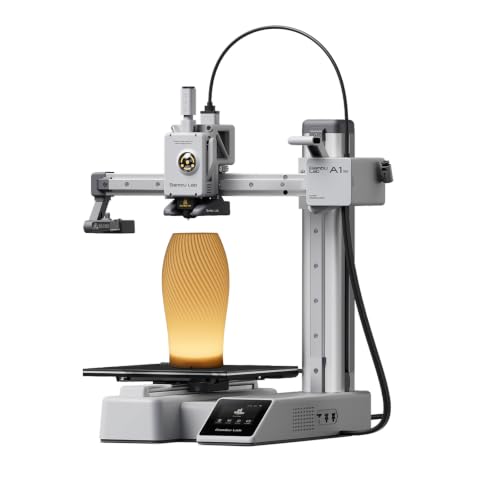


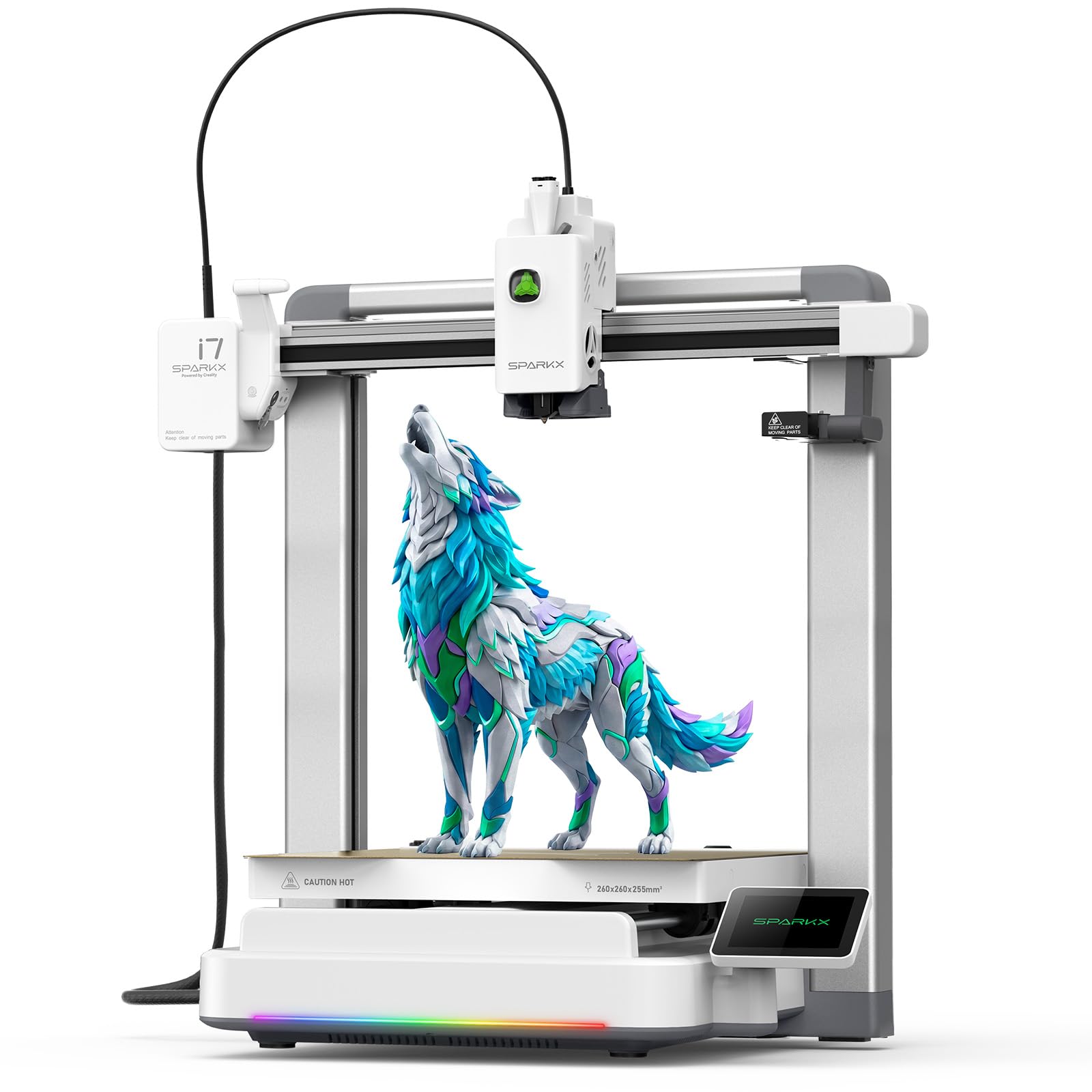
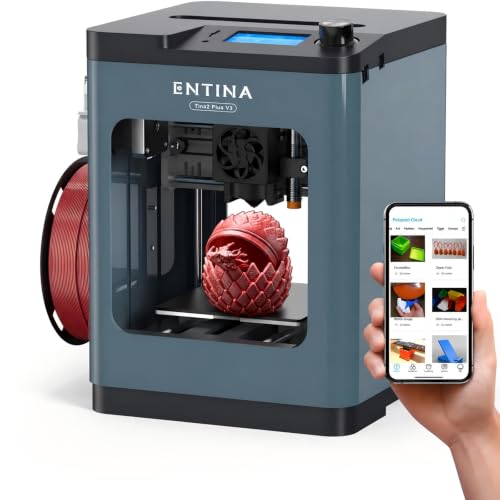


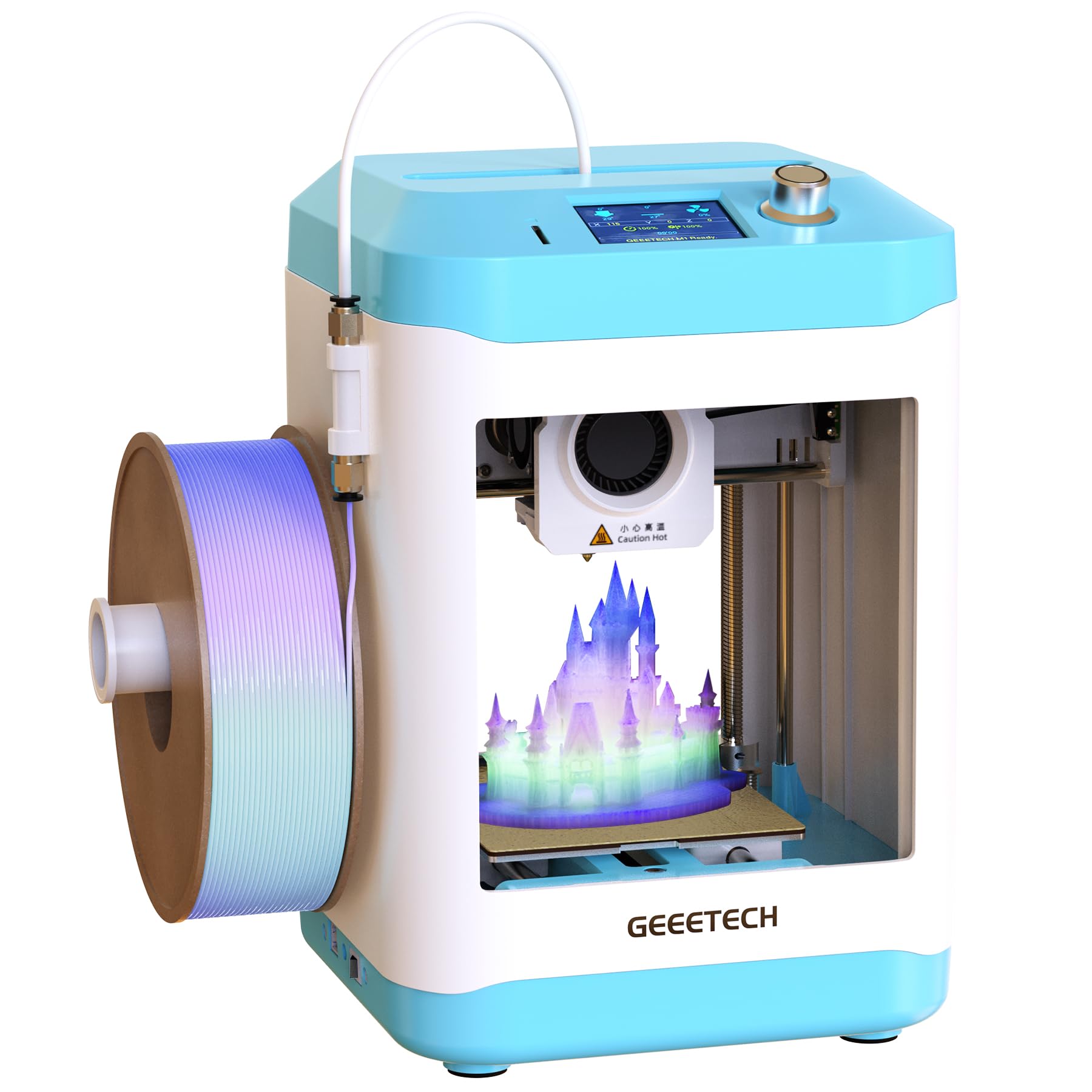
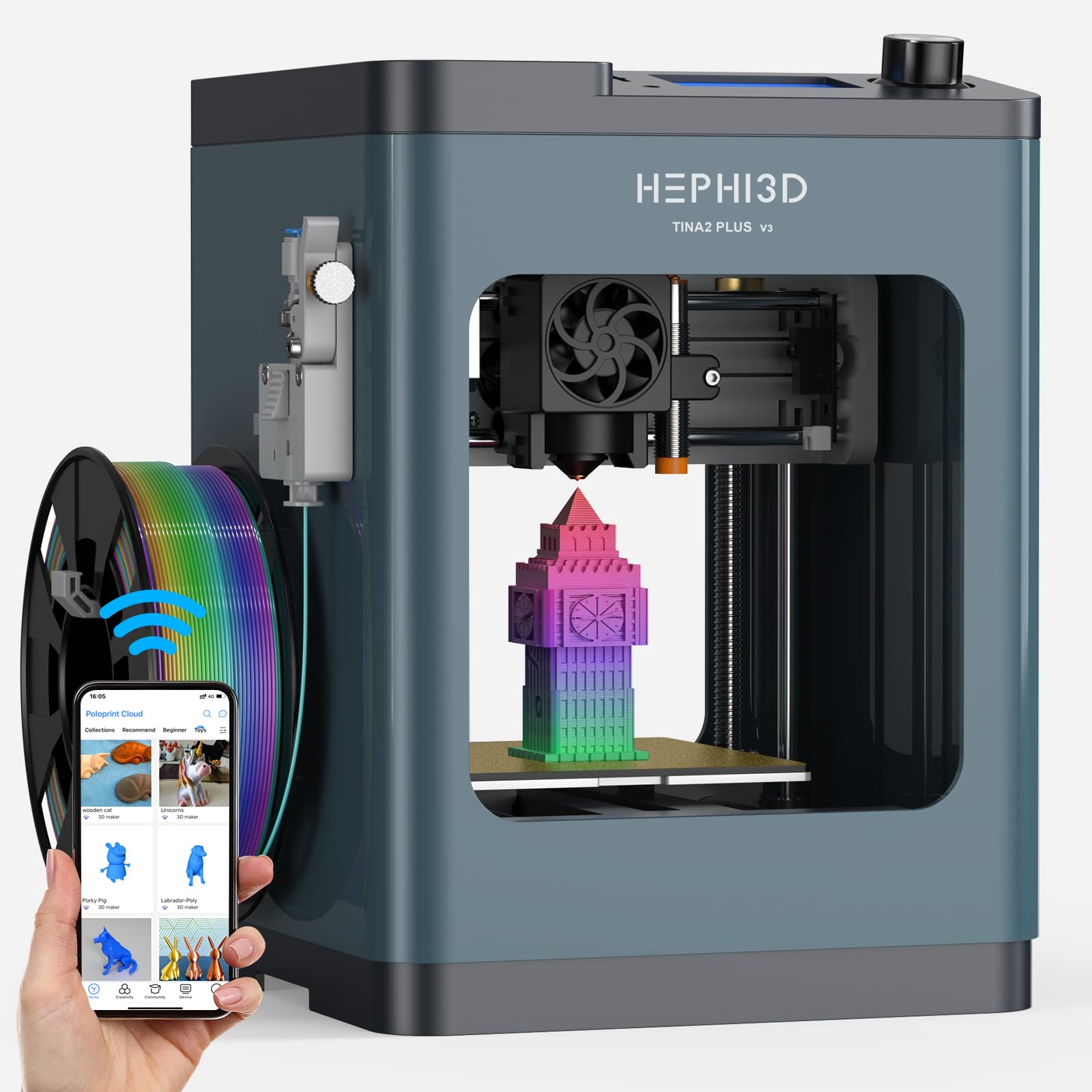
Who Should Buy a 3d Printer Under 250
The 3d printer under 250 suits hobbyists who want a capable starter printer without a large investment. If that description matches your routine, the buying factors in this guide will apply directly to you. If your needs differ sharply, use the same factors but weight them differently. For example, frequent use raises the value of durability, while occasional use raises the value of simple setup and low cost.
Consider your home projects, gifts, household fixes, and hobby models when you judge size and features. A product used daily should feel comfortable and reliable after weeks of use, not just impressive on the first day. A product used rarely should still work without a long setup routine. Match the choice to real habits, and avoid paying for features you will never use.
Key Features to Compare
Compare features side by side rather than trusting a single rating or claim. The list below covers the details that most affect satisfaction with a 3d printer under 250. Use it as a shortlist when you read product descriptions, and note any feature that is missing. A missing feature may matter more than a small gain elsewhere.
- A build volume near 220 mm cubed
- Auto bed levelling or easy manual levelling
- A direct drive or reliable Bowden extruder
- A heated bed for better adhesion
- Quiet operation for home use
- Good community profiles and support
After the list, rank the features for your own use. Durability may top the list for daily use, while ease of use may top it for a first purchase. Readers comparing options may also find our guide to best hobby 3d printers useful for a related choice. Keep the ranking in mind as you compare prices, because the cheapest option may drop the feature you value most.
Size, Fit, and Compatibility
Check desk depth and height, plus room to access the bed and change filament without moving the machine. Measure your space, your body, or your existing equipment before you order, depending on the product type. Small measurement errors cause most returns, and they are easy to avoid with a tape measure and a few minutes. Write down the key dimensions and compare them with the product specification.
Compatibility also matters for accessories and replacements. Check that common parts, such as tires, straps, filament, or cables, are easy to find for the 3d printer under 250 you choose. A product with scarce parts becomes costly over time. Readers comparing options may also find our guide to best 3d printers under 1000 useful for a related choice.
Performance in Real Use
This price range now offers solid print quality for hobby parts, with speed and finish improving at the top of the range. Real performance shows up over time, not in a single test. Think about how the 3d printer under 250 will behave on your hardest regular day, not your easiest one. Noise, comfort, grip, or speed may matter more after an hour than in the first minutes.
Test the product in conditions close to your own when possible, or read detailed user accounts that describe similar use. Look for patterns across many accounts rather than one extreme opinion. Readers comparing options may also find our guide to best 3d printers under 300 useful for a related choice. Patterns reveal strengths and weaknesses more honestly than a single story.
Setup, Care, and Maintenance
Clean the bed between prints, store filament dry, and replace nozzles when print quality drops. Good setup prevents many early problems, so follow the manual step by step on the first use. Take time to adjust fit, settings, or placement before judging the product. A rushed setup can make a good product feel disappointing.
Regular care keeps performance steady and extends useful life. Set a simple routine for cleaning, checking wear, and storing the 3d printer under 250 correctly. Readers comparing options may also find our guide to best 3d printers under 200 useful for a related choice. Small habits, repeated often, protect your investment better than occasional deep cleaning.
Budget and Common Mistakes
Printers under $250 range from about $150 to $250, plus filament and occasional spares. Set a budget range before you shop, and decide which features justify moving toward the top of that range. A higher price should buy durability, better materials, or a feature you will use often. Avoid paying extra for a brand name alone when a simpler option meets the same need.
Common mistakes include choosing the wrong size, ignoring running costs, and skipping compatibility checks. Another mistake is buying for an imagined use instead of a real one. Readers comparing options may also find our guide to best 3d printers under 400 useful for a related choice. Review your notes before ordering, and confirm size, compatibility, and return terms.
Frequently Asked Questions About Best 3D Printers Under 250
What is the best starter size under 250 dollars?
A build volume near 220 mm cubed suits most starter projects under 250 dollars. It covers household parts, toys, and models. Larger volumes cost more. Split big parts if needed, and this detail often matters most for daily use, where small comfort or reliability differences add up over weeks and months of regular use.
Do I need auto bed levelling?
Auto bed levelling helps beginners and saves time, but careful manual levelling also works. Auto levelling reduces first layer failures. Check sensor type before buying. Learn manual levelling as a backup, so compare this point with your available space, your existing equipment, and the total cost, including accessories, before you place an order.
Can a printer under 250 handle PETG?
Yes, many printers under 250 handle PETG with a heated bed and tuned settings. PETG needs slower speeds than PLA. Dry filament improves results. Test small parts before large prints, which means a careful measurement or a short trial in realistic conditions can prevent a disappointing purchase and an avoidable return.
How noisy are printers under 250?
Noise varies, but many modern budget printers run quietly enough for a spare room. Silent drivers reduce motor noise. Fans still make sound. Place the printer away from bedrooms for overnight prints, and the right balance here usually depends on how often you use the product, how demanding that use is, and how long you expect it to last.
What upgrades matter first?
A better bed surface, dry filament storage, and spare nozzles matter first. Avoid cosmetic upgrades early. Learn stock settings well. Upgrade only to solve a real printing problem, so keep this point on your shortlist notes and check it again just before ordering, when price and availability can change your priorities.
A Final Check Before You Order
Before you order a 3d printer under 250, revisit the notes you made about your main use and your space. Check the key dimensions once more, and confirm that the 3d printer under 250 fits the routine you described at the start of this guide. A short pause at this stage often reveals a detail that was easy to miss during browsing, such as a missing port, a tight fit, or a running cost that changes the value.
Compare your shortlist against the needs of hobbyists who want a capable starter printer without a large investment. Ask whether each option supports home projects, gifts, household fixes, and hobby models without forcing a compromise you will regret later. If two options look close, choose the one with better support, easier parts, and a clearer return policy. Those practical details matter when something needs adjustment after delivery.
Finally, confirm the total cost, including any accessories, delivery, and setup items you will need on day one. A complete first day kit avoids delays and extra trips to a store. When the size, fit, features, and total cost all line up, you can place the order with confidence and start using your 3d printer under 250 without second guessing the choice.
One more practical check helps before you order: confirm delivery timing, warranty terms, and what support you can reach if setup raises a question. These details rarely appear in headline features, yet they shape the first week with a new 3d printers under 250 purchase. A clear answer on all three points makes the order feel safe and well planned.
Final Thoughts
Choosing the right best 3d printers under 250 comes down to fit, features, and honest use. The product table summarises the options, but your own routine should guide the final call. Compare a shortlist of two or three options against the factors in this guide. That shortlist keeps the decision focused and reduces regret.
Take measurements, check compatibility, and confirm the budget before you order. If a detail remains unclear, ask the seller or check the manual rather than guessing. A careful final check saves time, money, and frustration. With that check done, you can order with confidence and enjoy the product from the first use.


