Best 3D Printers for Warhammer 40k: Matching the Right Printer to Your Routine for 2026
Disclosure: We may earn a commission when you buy through links on this page, at no extra cost to you. As an Amazon Associate I earn from qualifying purchases. Learn more

Resin for troops, filament for terrain: choosing the best 3d printers for warhammer 40k by what you actually print.
There is no single perfect printer for the 41st millennium, because a Kill Team player, a 2,000 point army builder, and a terrain maker are really shopping for three different machines. The best 3d printers for warhammer 40k for you depend on your routine: how often you print, how large your pieces are, and how much cleanup you will tolerate.
This guide starts with use cases instead of spec sheets. Find the player profile that sounds like you, note the features that profile prioritizes, and then check candidates in the product table below against that short list. That order saves money, because it stops you paying for build volume or detail you will never use.
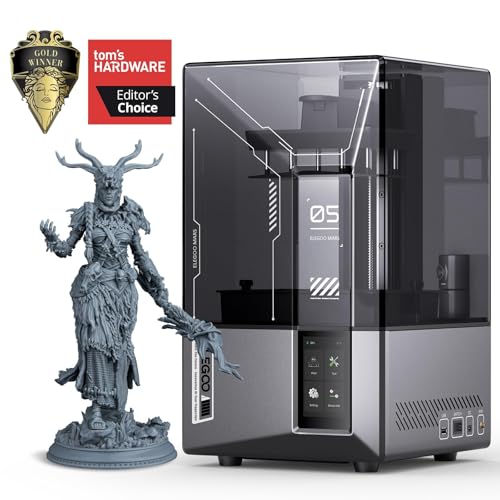
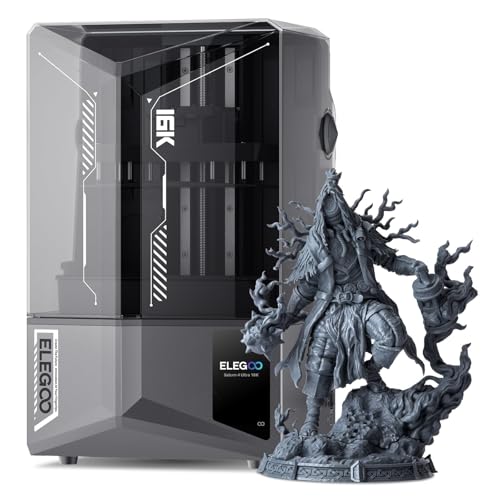

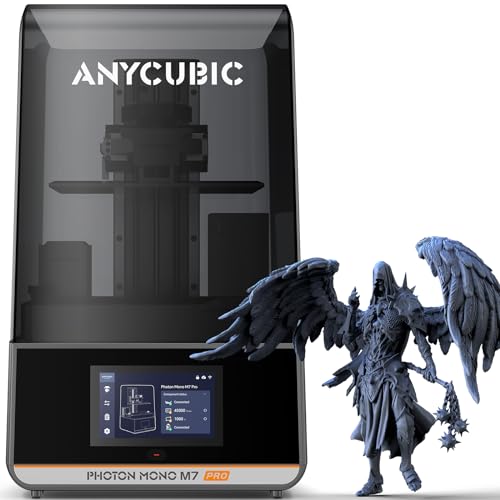


Who Should Buy Which 3D Printers?
For New Players Building a First Force
New players print small batches: a squad here, a character there, plus bases and tokens. Your priority is a high success rate with minimal fuss, because early failures are what make people quit the printing side of the hobby.
A compact resin printer with simple plate leveling and preset slicer profiles suits this routine well, since infantry detail is the whole point of your first models. Keep your budget moderate, around $300 to $450 with wash supplies included, and spend the savings on brushes and paint. Small plates are fine at this stage, because your project list is short.
For Army Builders Printing at Volume
If you build full detachments, your routine is batch work: full squads per plate, repeated across several evenings a week. Prioritize build plate area first, because plate area sets how many bodies you finish per run, and exposure speed second.
A larger resin machine around $500 to $800 turns a ten model unit into one or two plates instead of four. Reliability matters more than peak resolution here, since a failed overnight plate costs you a full day of an army project. Look for even light spread across the whole plate, because edge models must cure as cleanly as center ones.
For Terrain Makers and Display Hobbyists
Terrain routines are the opposite of infantry work. You print ruins, barricades, objective markers, and full display boards, often in pieces that run for many hours. A filament printer with a build volume near 220 mm cubed or larger is the natural fit, because PLA is cheap, strong enough for scenery, and needs no washing or curing.
Layer lines barely matter once terrain is primed, textured, and drybrushed. If you also paint display miniatures, treat resin as a second machine later. Our guide to the best hobby 3d printers shows how multi machine hobby setups usually grow over time.
Key Features to Compare in 3D Printers for Warhammer 40k
Once your profile is clear, these five features decide between the machines that fit it. None of them is glamorous, and that is the point: routine printing rewards boring strengths like spare part pricing and steady calibration far more than headline numbers. Use these points to judge any of the best 3d printers for warhammer 40k.
Reliability and Support
Judge reliability by failure handling, not by promises. Good signs include firmware that receives updates, a slicer that warns about unsupported model areas, and a maker who sells replacement screens, tank film, and build plates at fair prices.
Community support carries real weight in this hobby, because slicing profiles for popular games circulate in owner groups and save you days of trial prints. Before buying, search for your candidate model plus the words error or failed print and read how owners solved it. If answers are easy to find, support will be there at midnight before a game day.
Features That Matter for Warhammer 40k
40k models combine tiny surface detail with some genuinely large vehicles and monsters, and that mix shapes your spec list. For resin, aim for pixel sizes that keep gothic trim, rivets, and purity seals readable at 28 mm to 32 mm scale, and a build height that fits a dreadnought class model without splitting it. For filament, enclosed or well braced frames keep tall ruins accurate. Official models and files vary in scale and style, so leave headroom: a plate that fits your largest planned piece plus supports is the minimum, not the goal.
Ease of Setup and Calibration
Resin calibration means leveling the build plate and dialing in exposure time for your specific resin, because each formula cures at a different rate. Machines that store several resin profiles save real time if you switch between standard and tough formulas.
Filament calibration centers on bed leveling, where automatic systems with a sensor remove the most common cause of failed first layers. Practical know how: run a small exposure or first layer test after every resin change, screen change, or move of the machine. Two grams of material spent on a test beats a full plate lost to a guess.
Connectivity and Mobile Printing
WiFi transfer sounds like a luxury until you run a printer in a garage or spare room, which is exactly where resin belongs. Sending files from your desk and checking progress in an app keeps you out of the fumes and saves trips with a USB stick. Wired USB still works fine and is arguably more reliable for very long terrain prints. Rank this feature by where the printer will live, not by how modern it sounds.
Printer Type: Resin or FDM
Model printing splits into resin, which cures liquid with a screen of light for fine detail, and FDM, which lays melted filament for size and strength. Most 40k collections lean resin first because troops and characters dominate army lists. Players focused on boards and scenery should reverse that order. If you are weighing the wider Warhammer range beyond this one game system, our guide to the best 3d printers for warhammer compares the two technologies across both settings.
Common Mistakes to Avoid When Buying 3D Printers
- Buying on price alone, then discovering the plate is too small for your units or the screen costs half the machine price to replace.
- Ignoring reliability and support, even though profiles, spare parts, and owner advice decide your success rate more than raw specs.
- Oversizing for one dream project, then living with a huge, loud machine for hundreds of small prints.
- Undersizing to save money, then splitting every vehicle and monster into awkward pieces with visible seams.
- Skipping the warranty and safety budget: no gloves, no ventilation plan, and no spare tank film means the printer sits idle or gets used unsafely.
Care and Maintenance Tips
Resin safety is part of maintenance, not an optional extra. Wear nitrile gloves whenever you handle uncured resin or wash liquid, work with ventilation, and keep the printer and supplies away from children and pets. Cure waste resin fully before disposal and never pour liquid resin or wash water into a sink.
For filament machines, keep build plates clean with isopropyl alcohol so first layers stick, and store spools sealed with desiccant. Wipe resin vats gently, check tank film for clouding each month, and replace it when prints start sticking or detail softens. Small habits like these stretch screen and film life noticeably.
Frequently Asked Questions
What features matter most in 3d printers for warhammer 40k?
Plate size and resolution matter most, matched to your faction and format. Small elite armies print happily on compact plates, while horde armies and large vehicles need area and height. A detail most guides skip: check the printer light source type, because even, parallel light keeps detail consistent at the plate edges where your last two squad members usually sit.
Which 3D printer is easiest for beginners?
The easiest choice is a resin printer with simple one step plate leveling and ready made profiles in a popular slicer, or a filament printer with full auto bed leveling for terrain focused players. Ease shows up on day one: your first session should produce the included test model without forum research. Beginner friendly options in the wider category are covered in our guide to the best starter 3d printers.
What does cost per model mean?
Cost per model is worked out from the grams or milliliters your slicer reports before printing. Supports add roughly a fifth to a third more material on detailed figures, so include them in the estimate. Tracking this number per unit makes a full army budget predictable within a few dollars.
Is resin or filament cheaper for Warhammer 40k?
Compare resin and filament running costs. Filament costs about $20 per kilogram and asks little else. Resin costs more per liter and adds gloves, wash liquid, and tank film, but it is the only route to crisp infantry detail, so most players accept the difference.
Which consumable prices should I compare before buying?
Study consumable prices before hardware prices. In 3D printing that means comparing resin per liter and filament per kilogram across standard sizes, which our guide to the best inexpensive 3d printers treats as a first order decision. Machines that accept standard bottles and spools cost less to run than locked systems.
Our Verdict
Match the machine to your routine and the choice narrows fast: compact resin for new players, large plate resin for army builders, and roomy filament for terrain makers. Weigh reliability and running costs alongside resolution, compare your shortlist in the product table above and in our overview of the best 3d printers, and the best 3d printers for warhammer 40k for your games will be clear. Print what you play, and the printer will earn its bench space.