Best 3D Printers for Dnd Minis: Budget, Midrange, and Premium Tiers for 2026
Disclosure: We may earn a commission when you buy through links on this page, at no extra cost to you. As an Amazon Associate I earn from qualifying purchases. Learn more

Compare the best 3d printers for dnd minis at every price point. Learn what you get at budget, midrange, and premium levels and where spending more pays off.
Prices for miniature printers stretch from pocket money to serious hobby budgets, and the gap is not just about sharper detail. This guide to the best 3d printers for dnd minis breaks the market into clear price tiers, explains what each tier actually changes at the gaming table, and helps you spend where it shows. The product table below gives the quick view once you know which tier fits your group.
Most players need crisp 28 mm to 32 mm figures with faces and gear you can read after painting. That goal is reachable at more than one price, as the tiers below show.
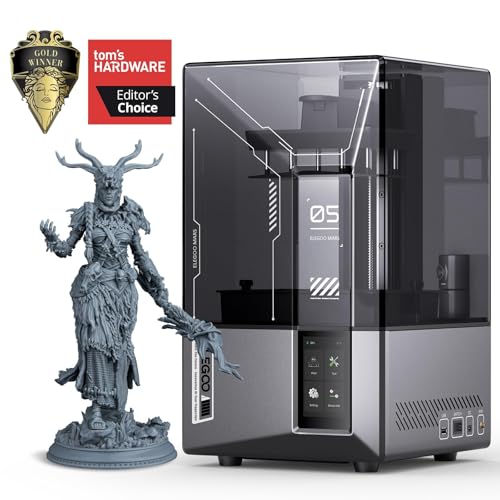


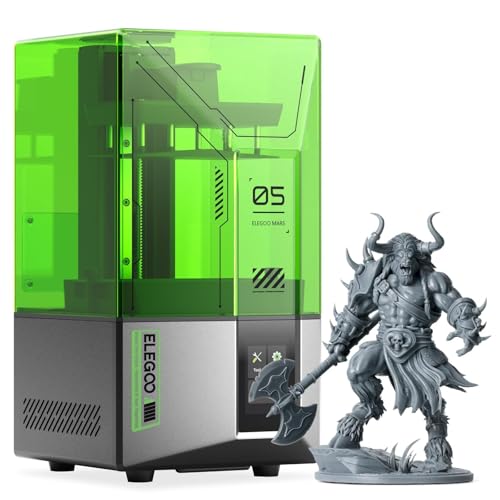


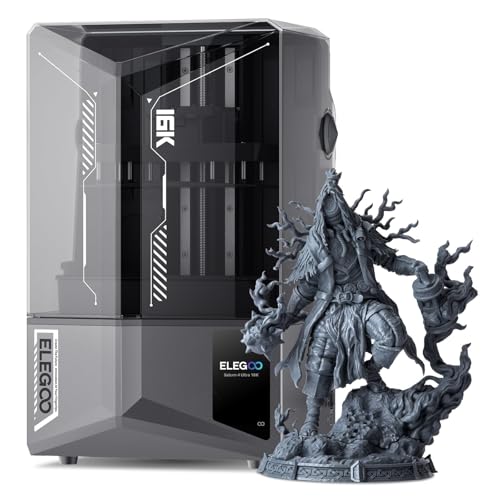


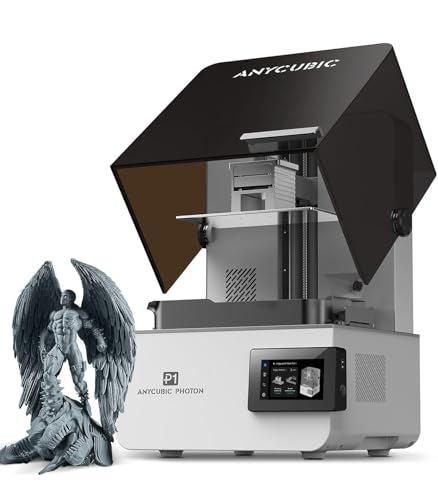
Printer Profiles by Budget
Use these profiles to classify any machine in the product table above. They describe what a tier typically delivers rather than naming specific models, so you can judge new releases against the same yardstick. Use these points to judge any of the best 3d printers for dnd minis.
Budget Profile
Budget resin printers, often around $150 to $250, already deliver detail that looks great for standard player characters and common monsters. Expect a smaller screen and build plate, basic controls, and more manual steps in slicing and leveling.
Prints are slower and batch sizes are small, so a full warband takes several runs. The limit is convenience, not basic quality. If you paint for one campaign group and print a few figures a week, this profile covers you well.
Midrange Profile
Midrange printers, often about $250 to $500, add larger and sharper screens, bigger plates, and faster, more even curing. You can print a whole adventuring party plus a large monster in one or two runs, and fine detail such as fur, chain, and facial features holds up better.
Controls, lids, and resin handling often feel sturdier too. This is the profile most tabletop groups grow into and stay with. The limit is that huge terrain and very large display pieces may still call for a second, bigger machine.
Premium Profile
Premium printers, often about $500 to $1,000 or more, chase maximum detail, speed, and ease. Expect very fine pixel sizes, heated or filtered chambers on some designs, excellent uniformity, and refined software.
These machines suit painters who sell finished minis, creators printing masters, and groups producing full armies. Detail gains over midrange are real but subtle once paint is on. Pay this tier when your time, volume, or display standards demand it, not because a first set of minis requires it.
What Your Money Gets You at Each Price Tier
Budget Tier: What to Expect
At budget level, your money buys genuine resin detail with small scale trade offs. Build plates fit a few standard minis at once, screens resolve enough for clean weapons and faces, and print times stretch longer per layer.
You will handle more steps yourself, from leveling to checking exposure with test prints. Parts and community help are usually plentiful because these machines sell in volume. For a first printer beside a modest painting desk, the experience is complete, just slower and smaller.
Midrange Tier: The Sweet Spot for Most Buyers
Midrange money buys throughput and consistency. Larger plates turn printing into a batch task you run before game night, and sharper screens keep tiny details crisp across the whole plate, not just the center.
Exposure becomes more predictable, which means fewer failed supports and fewer reprints. Many groups also gain room for larger monsters and mounted figures in a single piece. If you print monthly or more, this tier repays its price in saved evenings within a season of play.
Premium Tier: When Spending More Pays Off
Premium money buys refinement: finer pixels for display level faces, faster layers for big batches, and comforts such as better filtration, quieter operation, and smarter resin management. It also buys headroom for 75 mm display figures and detailed busts. What it does not buy is automatic painting level results, since washing, curing, and support removal still decide the finish. Choose this tier for volume, for selling prints, or for the joy of top end detail, and pair it with good resin to see the difference.
Players weighing miniature printing against general making can compare categories in our guide to the best 3d printers for minis, which covers both tabletop figures and other small models.
Features Worth Paying For in 3D Printers for Dnd Minis
Features That Matter for Dnd Minis
For minis, pixel size and light uniformity matter more than build height or headline speed. Look for fine pixels that keep 28 mm faces readable, a plate wide enough for a party of figures, and layer height options near 0.05 mm for smooth surfaces. A mono screen improves speed and lifespan over older color screens. Reliable exposure test tools in the slicer also matter, because dialed in exposure is the secret behind crisp swords and clean gaps between arms and bodies.
Ease of Setup and Calibration
Simple leveling and repeatable setup save more prints than exotic features. Auto bed leveling language comes from filament printing; on resin machines the equivalent is a flat, well secured build plate and a guided leveling routine you repeat after any vat change.
Clear instructions and a sensible first test print matter for new owners. Once leveled, a good machine should hold its setup for weeks. Spend on this steadiness before spending on raw size.
Connectivity and Mobile Printing
WiFi file transfer and app monitoring are pleasant, letting you send a file from your painting desk and check progress without opening the lid. A USB drive workflow remains perfectly reliable and avoids network quirks mid campaign prep. Cameras add little on resin machines because the plate lifts from the vat out of easy view. Treat connectivity as a bonus at any tier, never the reason to buy.
Print Quality and Resolution
Resolution claims need translating. DPI belongs to paper printing, while resin printers should be judged by pixel size in microns and by how evenly the screen lights the vat.
Smaller pixels sharpen detail, but resin choice, exposure, and support placement shape the final figure just as much. A well tuned midrange printer with quality resin will beat a premium machine run with poor settings. Budget a little extra for test resin and calibration prints at every tier.
Printer Type: Resin for Minis, FDM for Terrain
Resin is the right type for character minis because it captures faces, cloth folds, and weapon detail at small scales. FDM filament printers struggle with thin swords and tiny features but excel at cheap, sturdy terrain such as hills, ruins, and scatter pieces. Many gaming tables end up served by one of each over time.
If your hobby expands beyond the table, our guide to the best hobby 3d printers covers versatile machines for mixed projects, and our overview of the best 3d printers maps the full field.
Long Term Costs to Factor In
The printer is only the first purchase. Resin costs roughly $20 to $40 per bottle depending on type, and a standard mini uses only a small amount, but failed prints and supports add up. Budget for wash liquid or a wash and cure station, spare vat film, disposable gloves, paper towels, and replacement screens over the machine life.
Electricity costs stay minor. Safety costs are real too: print in a ventilated area, wear nitrile gloves for every resin contact, keep resin away from skin and eyes, and never pour rinse liquid down a drain. Cure waste fully and follow local disposal guidance.
Tight budgets stretch further with the value focused options in our guide to the best inexpensive 3d printers, and first time owners may like the simpler starting points in our guide to the best starter 3d printers.
3D Printers: Your Questions Answered
What features matter most in 3d printers for dnd minis?
Fine pixel size, even light across the vat, and a plate sized for group batches matter most. They decide whether faces, gear, and thin weapons survive printing and painting. Add a mono screen for speed and life. One feature buyers overlook is vat film quality and cost, since film is a regular consumable and a scratched film quietly ruins detail long before the screen shows any age.
Is resin or filament better for dnd minis?
Resin is better for character figures because it holds faces, cloth folds, and thin weapons at 28 mm to 32 mm scale. Filament printers are cheaper to run and tougher, so they suit terrain, bases, and large monsters where layer lines do not matter. Most groups start with resin for figures and add a filament machine later for scenery.
Which 3D printer is easiest for beginners?
The easiest start is a budget or midrange resin printer with clear leveling steps, preset profiles in its slicer, and a large owner community sharing exposure settings. Print a simple test figure, learn support removal and curing, then attempt detailed sculpts. Beginners should also learn the safety routine on day one: gloves on, ventilation running, and uncured resin treated as a chemical, not as craft paint.
What does one miniature cost to print?
A standard 28 mm figure uses roughly 5 to 15 milliliters of resin including supports, so material cost is usually well under a dollar. The larger costs are wash liquid, gloves, vat film, and failed prints. Track one month of printing and you will know your true price per warband.
How long does a batch of minis take to print?
Resin printers cure each layer all at once, so print time depends on the height of the plate, not the number of figures on it. A full plate of party members at 0.05 mm layers often takes about three to eight hours. Add wash and cure time, and plan to start batches before you head to bed or work.
Wrapping Up
Pick your tier by volume and ambition: budget for a first taste, midrange for a steady campaign, premium for display work or selling prints. Judge machines by pixel size, light evenness, and plate size, and check your shortlist in the product table above. Among the best 3d printers for dnd minis, the right choice is the one whose prints reach your table painted, often, and without fuss.