Best 3D HD Projectors at Every Price in 2026: What Your Money Gets You
Disclosure: We may earn a commission when you buy through links on this page, at no extra cost to you. As an Amazon Associate I earn from qualifying purchases. Learn more

Compare 3D HD projectors by price, with plain guidance on native resolution, brightness in 3D mode, throw distance, glasses and running costs.
Prices for home projectors stretch from a casual purchase to a serious room upgrade, and the gap is not always obvious from a spec sheet. The best 3d hd projectors share two jobs: they show sharp HD pictures in 2D, and they keep enough brightness and smooth motion for 3D to feel comfortable. Use the product table to see where each price level actually puts your money.
Start with your room, not with the highest number on the box. A dark basement, a living room with lamps, and a small bedroom each reward different choices for brightness, throw distance and screen size. The sections below work through those tradeoffs by budget.
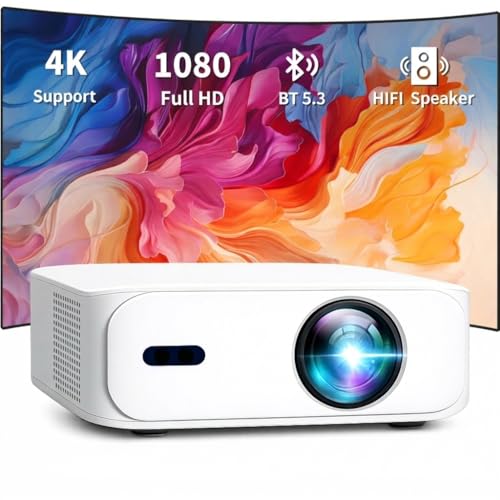
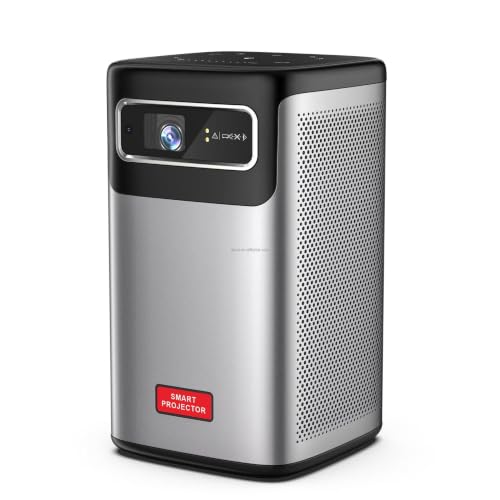
Who Should Buy Which 3D HD Projector?
Your viewing habits should set your budget first. Readers comparing the wider field can also see our guide to the best projectors 3d for models that place 3D ahead of HD value.
Movie Fans Building a First Dedicated Room
You watch full films in the dark and care about black levels and steady 3D depth. Put most of your budget into native 1080p resolution, strong contrast and a quiet fan, because you will sit close to a large image for two hours. Lens zoom gives you placement freedom without moving furniture.
Families Who Want Occasional Big Screen 3D Nights
You split time between cartoons, sports and a 3D film on weekends, often with some light in the room. Brightness matters more for you than perfect blacks. Choose a brighter middle tier model, buy enough glasses for regular viewers at once, and keep a spare pair for guests.
Gamers Who Also Watch 3D Films
You need low input lag for play and a clean 3D picture for movie nights, two needs that do not always arrive together. Check the lag figure in game mode, because picture processing can add delay. A higher input refresh rate also helps motion look smoother when your console or PC can supply it.
How Projector Prices Split by Light Output and Resolution
Price tiers track light output, true resolution and placement tools more than extra apps. Read each tier as a package of tradeoffs, not as a ladder where more money always wins.
Budget Tier: Modest Brightness and Often 720p
Models around $300 to $600 often accept a 1080p signal but project a lower native resolution, and their 3D picture can look dim on a large screen. They suit a small, dark room and a screen around 80 to 100 inches. Expect manual focus, limited zoom and louder fans.
Middle Tier: True 1080p and Usable 3D Brightness
Models about $600 to $1,200 usually deliver genuine 1080p detail, more light for 3D glasses to spare, and quieter cooling. This is where our guide to the best 3d projectors 1080p becomes the closest comparison for most buyers. Many models also add a game mode with lower lag.
Upper Tier: Laser Light, Deeper Blacks and Easier Placement
Models about $1,200 to $2,500 add laser or advanced lamp light sources, lens shift and stronger contrast that keeps dark scenes readable. Placement gets easier, so the projector can sit off center without tilting the image. Pay this much only if your room and screen are ready to show the difference.
Key Features to Compare
Compare these factors in order when you shop the best 3d hd projectors for your room, because the first two decide whether 3D looks good at all.
Native Resolution, Not Just Supported Resolution
Native resolution is the detail the projector can actually draw, while a supported signal only says what it can accept and scale down. A true 1080p model shows fine texture and clean edges that a 720p model softens, and the gap grows as the screen gets larger. Readers focused on HD alone can see our guide to the best hd projectors for that narrower choice.
Brightness and How Much Light 3D Glasses Take Away
Brightness is quoted in lumens, and ANSI lumens give the fairest comparison across brands. Active 3D glasses darken the picture, so a projector that looks ample in 2D can feel flat in 3D, especially on screens above 110 inches. In a living room with lamps on, choose a clearly brighter model and a smaller image.
Active and Passive 3D, Plus the Glasses You Will Need
Most home projectors use active glasses that sync with the image and give each eye a full frame in turn, while passive systems split the picture between both eyes at once. Active glasses cost more, need charging, and must match the sync system your projector uses. If the passive route appeals to you, see our guide to the best passive 3d projectors before you decide.
Throw Distance, Zoom and Lens Shift
Throw ratio tells you how far the projector must sit from the screen for a given image width, so measure your room before you choose any model. A zoom lens lets you fine tune image size from one shelf position, and lens shift moves the picture without tilting the unit. Short throw models suit small rooms, but they need a very flat screen.
Contrast and Projection Technology
Contrast shapes how much detail survives in night scenes, and it matters more in a dark room than a bright one. DLP models often give punchy images and strong 3D with little ghosting, while LCD and LCoS designs can offer deeper blacks and no rainbow flashes that some viewers notice on DLP. Trust black level over a huge dynamic contrast number, because that number rarely reflects a real film scene.
Inputs, Input Lag and Sound
You need at least two HDMI inputs if a Blu ray player, a streamer and a console all share the projector, and one input must accept a 3D signal from your player. Built in speakers suit news and kids shows, but a soundbar gives dialogue the weight a big picture deserves. Gamers should confirm lag in the mode they will actually use.
Lamp Changes, Extra Glasses and Other Running Costs
The projector price is only the start. Lamp models need a replacement lamp after a few thousand hours, often around $100 to $250, while LED and laser models avoid that bill but cost more upfront. Add glasses for each viewer, a mount, a screen if your wall is textured or colored, and long HDMI cables. A modest screen and four pairs of glasses can add about $200 to $400, so count them before you stretch for a higher tier.
Common Mistakes to Avoid
These errors waste money in ways a spec sheet will not warn you about.
- Buying on supported resolution alone leaves you with a softer picture than the box led you to expect.
- Choosing brightness for 2D only makes 3D films look dull once the glasses take their share of light.
- Ordering glasses that use the wrong sync system leaves you with eyewear the projector cannot drive.
- Mounting the projector before measuring throw distance can leave an image too small for your screen.
- Skipping a screen on a colored, textured wall shifts colors and hides fine detail in every scene.
- Running a long, cheap HDMI cable can cause dropouts when you send a 3D signal at full quality.
Care and Maintenance for a 3D HD Projector
Keep the air filter clean on the schedule the manual sets, because a clogged filter traps heat and shortens lamp life. Vacuum vents gently, never blow dust deeper into the case, and give the unit open space so hot air can leave. If brightness falls over months, check the lamp hours counter first.
Handle glasses by the frames, clean the lenses with a soft dry cloth, and store them in cases away from sunlight. Charge active glasses after a movie weekend, not the night guests arrive. Wipe the projector lens only when dust is visible in the picture, using a blower first, because needless rubbing can mark the coating.
Frequently Asked Questions
Do 3D HD projectors need a special screen for 3D movies?
No, most 3D HD projectors work on a plain matte white screen. A smooth, neutral surface keeps colors even and stops texture from breaking up fine detail. Silver screens belong to some passive setups and can narrow the viewing angle at home. If you project on a wall, use a flat white painted area.
Can a 3D HD projector show 2D content at full brightness?
Yes, a 3D HD projector shows 2D films, sports and games without the light loss that glasses cause. That is one reason a model that feels just adequate in 3D can look generous for everyday viewing. Use the lower lamp mode for 2D to extend lamp life and cut fan noise.
How large an image can a 3D HD projector fill in a small room?
A 3D HD projector in a small room can usually fill about 80 to 100 inches well, if its throw ratio fits your seating distance. Sit at least as far back as the image is wide, so your eyes are not chasing action across the frame. In a short room, a short throw model solves placement.
Is 4K worth paying for if 3D matters most to you?
For most buyers, no, because mainstream 4K home projectors rarely offer 3D at all, and those that do cost far more. A strong 1080p model with good contrast gives you more 3D enjoyment per dollar today. Put the savings toward a better screen, more glasses and sound.
How long does a projector lamp last before 3D looks dim?
A projector lamp often lasts about 3,000 to 5,000 hours in full power mode and longer in eco mode, but it dims gradually long before it fails. 3D reveals that dimming first, because glasses already cut the light you see. Track lamp hours, and budget for a lamp once movie nights look flat in a dark room.
Wrapping Up
Match native resolution and brightness to your room first, then check throw distance and the glasses system, and only then compare extras. For a final check of size, light output and price, look back at the product table above.
best 3d hd projectors reward buyers who plan the whole setup, glasses, screen and sound included, rather than chasing one headline number. Pick the tier that fits your room, and your 3D nights will look the way you hoped.