Best 3D Projectors 1080p: Every Type Explained Side by Side for 2026
Disclosure: We may earn a commission when you buy through links on this page, at no extra cost to you. As an Amazon Associate I earn from qualifying purchases. Learn more
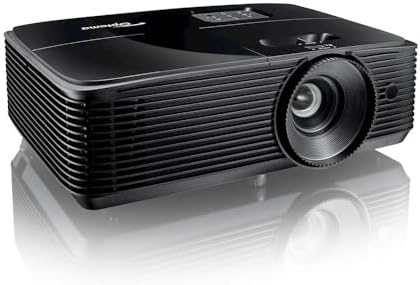
Compare the best 3d projectors 1080p by type, pros and cons, ideal users and price range.
Shopping for a 3D projector quickly gets confusing, because brightness claims, throw distances, and glasses systems all compete for your attention at once. This guide compares the best 3d projectors 1080p by type, so you can see how each style works, what it does well, and where it falls short. No single type wins for every room, and that is exactly why sorting by type first saves you money.
Start with your room and your screen size, then use the product table to place each model you find into one of the four groups described here. The right group narrows your search far faster than comparing random listings one by one.

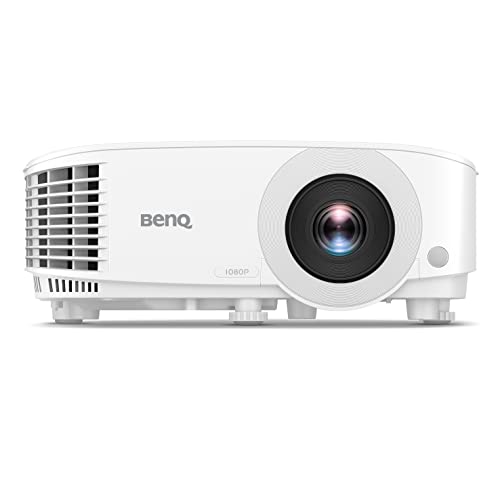


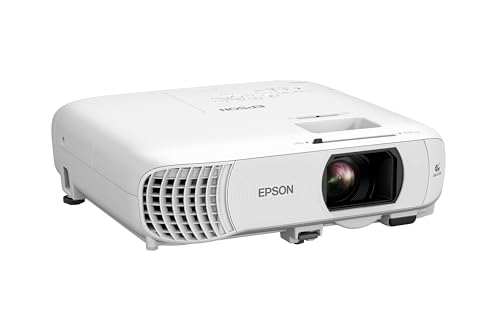
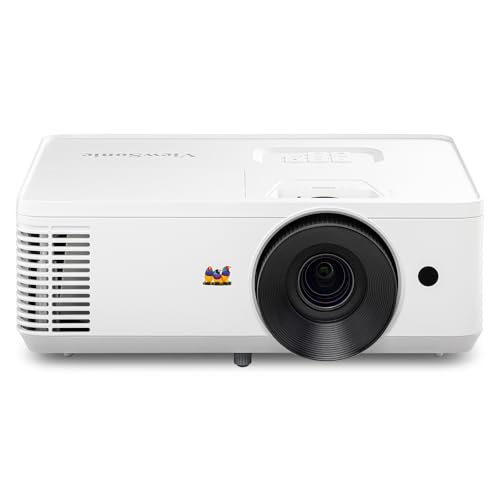
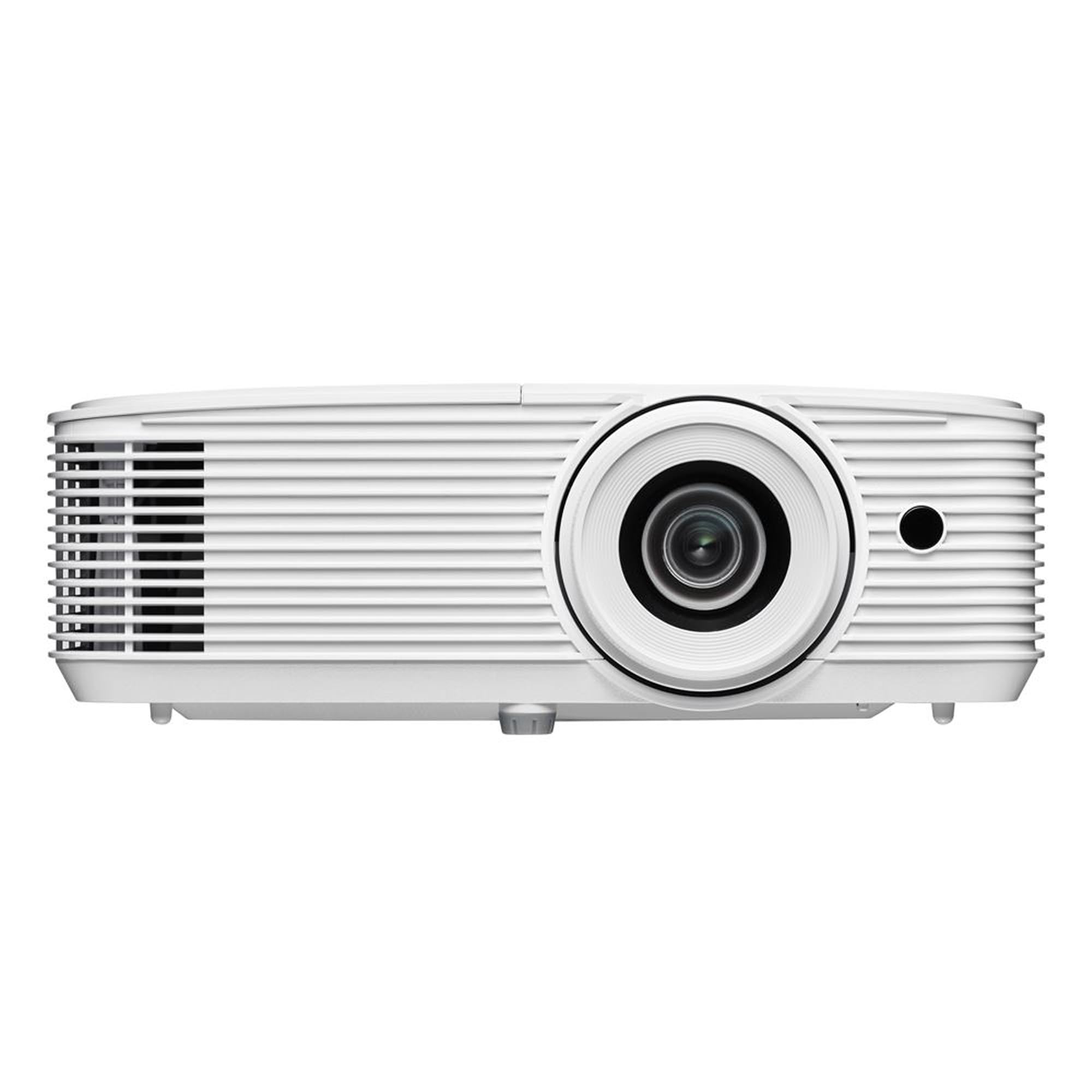
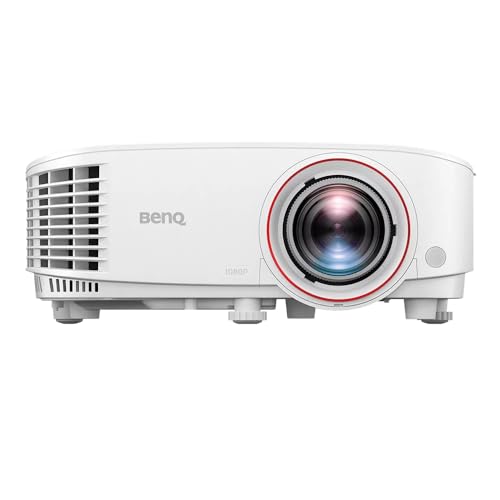
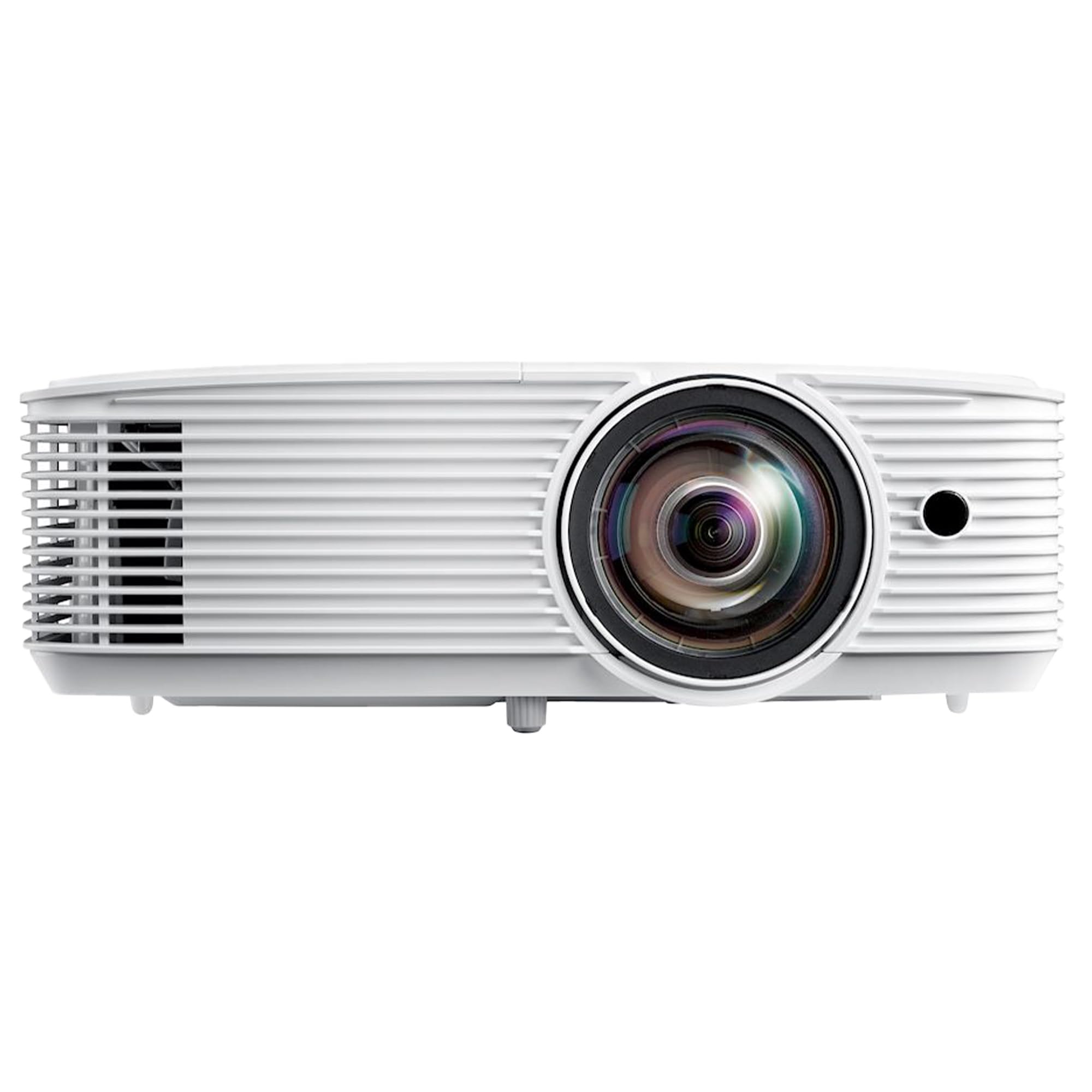


Types of 3D Projectors Compared
Most 1080p 3D projectors use one of two imaging systems, DLP or LCD, and pair it with either a lamp, an LED, or a laser light source. Around those basics, makers build budget models, bright living room models, gaming focused models, and large screen home theater models. The four groups below cover nearly everything you will see for sale, with typical prices from about $300 to $2,500 depending on brightness and features.
Budget Models
Budget projectors usually use a single DLP chip or a simple LCD design with a modest lamp or LED light source. They handle 3D Blu ray discs and streaming sticks well enough for casual movie nights, and setup is simple. Brightness is the main limit, so they need a dark room and a screen of about 100 inches or less to keep the 3D image punchy, because 3D glasses cut the light reaching your eyes by roughly half. Prices often fall around $300 to $700, which makes this group the easiest entry point.
High Contrast Home Theater Models
These models aim at dedicated movie rooms, with better contrast, quieter fans, and more careful color tuning out of the box. Many use active shutter glasses, which flash each lens in turn and preserve full 1080p detail for each eye. If you prefer lighter glasses without batteries, read our guide to the best passive 3d projectors for the trade offs of that rarer approach. Expect prices around $900 to $2,500, plus a dark room with controlled light to earn back the extra cost in picture quality.
Gaming Models
Gaming projectors trade a little contrast for speed, with low input lag modes and high refresh rates that keep fast motion clear and controls responsive. A good gaming model holds lag low enough that button presses feel instant, and many accept a 1080p signal at high frame rates from a console or PC. Brightness tends to be generous, which helps in rooms that are never fully dark. Prices often fall around $600 to $1,500. Players comparing formats may also enjoy our overview of the best projectors 3d for a wider view of the category.
Large Screen Options
Large screen models are built for images of 120 inches and beyond, which means high brightness, strong cooling, and often a short throw or ultra short throw lens that sits close to the wall. Short throw designs reduce shadows when people walk through the room and make small spaces feel like cinemas. The trade offs are fan noise, size, and price, often around $1,200 to $2,500 or more. Measure your wall and your seating distance carefully here, because a huge soft image disappoints more than a smaller sharp one.
Budget Models vs Home Theater Models: Which Should You Choose?
Choose by room first: a budget model in a blacked out spare room can look better than a costly model fighting sunlight in a living room. On brightness, home theater models usually win in absolute output but are tuned for dark rooms, while budget models often look brighter than they are because their color is less accurate. On 3D quality, home theater models hold contrast and color depth through the glasses, which keeps night scenes readable. On cost, remember glasses, a screen, and a mount: budget setups can finish around $500 total, while theater setups often pass $1,500. On noise, theater models run quieter at the same brightness, which matters when the projector hangs above your seats.
How to Choose the Right 3D Projector 1080p
Resolution and Screen Size
A native 1080p chip matters more than a label saying 4K supported, which only means the projector accepts a 4K signal and scales it down. At screen sizes up to about 120 inches and normal seating distances, true 1080p looks sharp for movies and games. If you sit close or plan a much larger screen, stepping up becomes worthwhile, and our guide to the best 4k and 1080p projectors explains where the crossover point sits. Match screen size to throw distance using the maker throw ratio before you buy any mount.
Smart Platform and Sound
Built in streaming platforms are convenient, but a small streaming stick often works faster and gets updates for longer, so do not overpay for smart features alone. Built in speakers on most projectors are fine for news and kids shows yet thin for movies, so budget for a soundbar or use an existing speaker system through HDMI ARC or an optical cable. Check that the projector passes audio without delay, because lip sync problems are hard to fix later and quietly ruin otherwise great 3D movie nights.
Adaptive Sync and Gaming Features
For gaming, look for a dedicated low lag mode, an HDMI port that accepts high refresh 1080p signals, and frame support that matches your console or PC output. Variable refresh support is still uncommon on projectors, so a stable fixed refresh with low lag is the realistic goal. Turn off motion smoothing and extra picture processing in game mode, because those features add delay. A practical know how point: measure lag claims carefully, since some makers quote lag only at settings you would never use for movies.
Imaging Technology: DLP, LCD, and Light Sources
DLP models are compact and sharp, with strong motion clarity, though a small number of viewers notice color fringing on high contrast scenes. Three chip LCD models avoid that effect and often show richer color, but they are larger and need dust filters cleaned on schedule. Lamp models cost less up front and need a new lamp after a few thousand hours, while LED and laser models cost more, start instantly, and hold brightness far longer. For a broader format comparison, see our guide to the best 4k 3d projectors.
Setup and Care Tips
Mount or place the projector square to the screen and use lens shift or careful positioning instead of keystone correction, which softens the image and can break 3D alignment. Set the picture mode to a cinema or movie preset rather than the vivid store mode, then adjust brightness with a dark scene you know well. Keep vents clear, clean or replace filters on the maker schedule, and store 3D glasses charged or with spare batteries ready. A second know how point: run new lamp models on the standard power setting for the first hours rather than the brightest mode, which helps the lamp settle and last longer.
Frequently Asked Questions About Best 3D Projectors 1080p
What size projector screen should I get for my room?
Choose the screen size from your seating distance first: most viewers enjoy a screen width that fills about a third of their view, which for seating about 10 feet away means roughly 100 to 120 inches diagonal. Bigger is not always better, because a screen that is too large forces eye movement during fast 3D scenes and reveals the limits of 1080p detail. Leave wall space for speakers on both sides as well.
Is 4K worth it over 1080p for a projector?
It depends on screen size and seating distance more than on the badge. On screens under about 120 inches viewed from normal distances, a good 1080p projector looks very close to 4K for most films, and costs far less. Go 4K if you sit close, want a very large screen, or watch lots of native 4K discs. Our guide to the best 3d hd projectors shows how the formats compare for typical rooms.
How long do 3D projectors last?
The body of a decent projector lasts many years, while the light source sets the real clock. Lamps typically run about 3,000 to 5,000 hours before dimming enough to replace, while LED and laser sources often run 20,000 hours or more. Because 3D needs extra brightness, an aging lamp hurts 3D viewing first, so heavy 3D users should favor long life light sources or budget for one lamp change.
DLP or LCD: which is better for 3D?
DLP is usually better for 3D on balance, because its fast switching keeps the left and right eye images cleanly separated, which reduces ghosting. LCD models can show richer color and no color fringing, but some show more crosstalk in high contrast 3D scenes. If you are sensitive to ghosting in bright scenes, pick DLP. If you notice color fringing on DLP demos, pick LCD and accept slightly softer 3D separation.
Does refresh rate matter for non gamers?
Yes, though for a different reason than gaming. A higher refresh rate lets the projector show 3D with less flicker through active glasses and can smooth camera pans in films. For standard movies at 24 frames per second, a well implemented 60 Hz or 120 Hz display both look fine. Refresh rate matters least for slow content like dramas and most for sports, action films, and of course games, so weigh it by what you watch most.
Our Verdict
Pick your type by room and screen size first, then check brightness through glasses, then confirm throw distance and lag if you game. Those three checks eliminate most bad matches before price even enters the picture. The best 3d projectors 1080p for you is the one whose type fits your room rather than the one with the longest feature list. Compare the models in the product table against your group and choose with confidence.