Best 360 Laser Levels (2026): Types Compared and Buying Guide
Disclosure: We may earn a commission when you buy through links on this page, at no extra cost to you. As an Amazon Associate I earn from qualifying purchases. Learn more
A practical guide to the best 360 laser level: single, dual, and three plane models, plus beam color, battery platform, and runtime.
A chalk line can snap one wall at a time, but a room rarely cooperates one wall at a time. Cabinets, tile, wainscoting, and ceiling grids all need a level reference that wraps around you, and that is exactly what the best 360 laser level gives you from a single setup. The comparison table below sorts the main types by beam layout, power source, and weight, so you can match the tool to your project before you read the detail.
Not every model that claims full coverage works the same way. Some project one horizontal plane, others add one or two vertical planes, and the beam color, brightness, and battery system change how useful that coverage feels in a bright room. If you want the wider category first, see our guide to the best laser level before narrowing your choice to full circle models only.



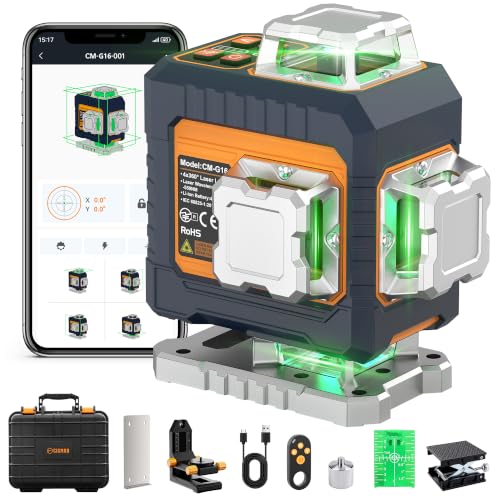

360 Laser Level Types at a Glance
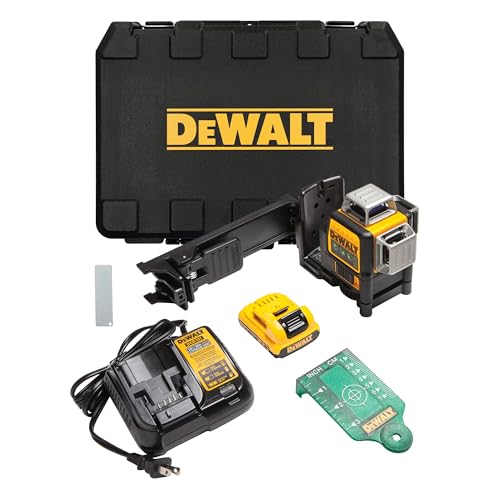
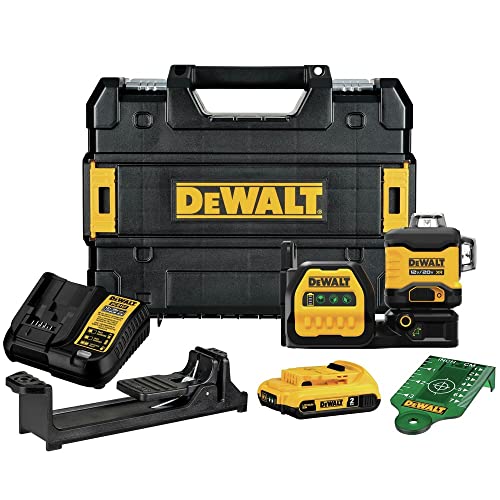
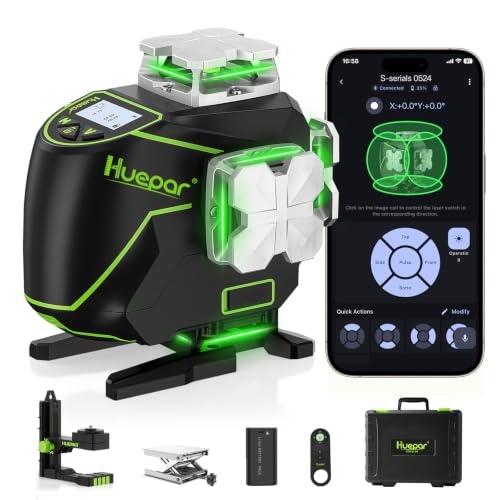
Three layouts cover almost every buying decision in this category. A single plane model throws one horizontal line around all four walls. A dual plane model adds a vertical plane for corners and tile layout. A three plane model adds a second vertical plane, so you can transfer points across a room and square up work on adjoining walls without moving the tool.
Weight and size split these types just as clearly. Single plane tools tend to be the lightest and simplest to store. Three plane tools carry more glass, more diodes, and a larger battery, so they feel bulkier on a tripod but save you repeated setups on larger jobs.
Three Types Compared Instead of Individual Picks
Single Plane 360 Models for Simple Room Layout
A single horizontal plane is enough when your work runs at one height around a room. Think chair rail, wainscoting, a picture gallery, or a level line for wall cabinets. You set the tool once near the center of the space and read the line on every wall. These models are usually the most affordable full circle option and the easiest to learn. Their limit shows up fast on tile and framing, where you also need a plumb vertical reference and end up reaching for a second tool.
Dual Plane Models for Tile, Cabinets, and Corners
Adding one vertical plane turns the tool into a layout instrument, not just a leveling one. The crossing lines give you a corner reference for tile, a plumb line for cabinet sides, and a square check where two walls meet. For picture hanging at varied heights, our guide to the best laser level for hanging pictures shows simpler options, but a dual plane 360 tool earns its keep when one project mixes horizontal and vertical layout in the same room.
Three Plane Models for Whole Room and Ceiling Work
A third plane, a second vertical line at a right angle to the first, is what remodelers reach for on drop ceilings, partition framing, and large tile floors. You can set a ceiling grid, check that two new walls meet square, and keep a level line running the whole time. The trade off is cost, weight, and battery drain, since three planes draw more power than one. Choose this layout only when your projects truly span whole rooms rather than single walls.
How We Chose the Criteria for This Guide
We compared types on five factors that decide daily usefulness: beam performance in normal indoor light, battery platform and runtime, ergonomics and weight, durability of the housing and pendulum lock, and warranty support. The figures discussed come from maker specifications for each category, not from hands on testing claims. That approach keeps the focus on what you can verify on a product page: plane count, beam color, stated range, ingress rating, battery type, and total weight with the battery fitted.
How to Choose the Right Laser Level
Type and Self Leveling Behavior
Start with the planes you need, then check how the tool levels itself. Most 360 models use a pendulum that settles within a few degrees of level and flashes the beam when the base sits too far out of range. That warning matters on uneven floors, where a silent error could run through an entire room. If automatic leveling is your top priority across tool types, compare the options in our guide to the best self leveling laser level before you commit.
Features Worth Paying For
Beam color is the feature buyers debate most. Green beams look brighter to the human eye at the same output class, which helps in sunlit rooms, while red beams usually cost less and sip power. Our explainer on green vs red laser level walks through that choice in depth. Also worth paying for are a pendulum lock for transport and angled lines, a pulse mode that pairs with a receiver, and a fine adjustment base that rotates the tool in small steps.
Cordless, Corded, and Fuel Powered Options
Forget fuel entirely, since no 360 laser level runs on gas. Nearly every model is cordless, powered by a rechargeable pack or by replaceable alkaline cells, and a few accept a corded adapter for long stationary work. Cordless freedom suits ceiling and floor layout, where a cable would cross your reference lines. A corded option only matters for long sessions in one spot, such as a full day of ceiling grid work in a single room.
Battery Platform and Runtime
Your existing tool batteries can decide this purchase. Models built on a major cordless platform let you swap packs with your drills and saws, while compact tools with internal cells or AA batteries stand alone. More planes and a green beam shorten runtime, so a three plane green model needs a spare pack for full day work. Check whether the stated runtime covers all planes running at once, because some makers quote figures for a single plane only.
Motors and Moving Parts
Unlike rotary tools, a line laser has no brushless motor driving the beam, so motor claims should not sway you here. The moving part that matters is the pendulum inside, which swings to find level and must lock before you carry the tool. A smooth, damped pendulum settles quickly without bouncing the line, and a solid lock protects its calibration in your tool bag. Rotary lasers are the exception in the wider family, since their spinning head does use a small motor.
Accessories and Warranty
A tripod raises the beam to cabinet and ceiling height, a magnetic mount grips steel studs and door frames, and a receiver extends working range outdoors or in bright light. Buy the mount and tripod with the tool if your work needs them, since thread sizes and quick release fittings vary. Warranty terms in this category commonly run one to three years, and registration sometimes extends coverage. Keep your receipt and register the tool, because a dropped laser may need recalibration that warranty support can arrange.
How Much Should You Spend?
Expect true 360 coverage to start at about $100 to $200 for a single plane red beam model with basic accessories. Dual plane and green beam tools generally land at about $200 to $350, adding brightness and a second plane. Three plane models with a platform battery, receiver mode, and a rugged housing can reach about $350 to $500. Prices under $30 usually buy a simple cross line tool without a full circle plane, so read the plane count carefully at the lowest prices.
360 Versus Other Laser Levels: Pros and Cons
The core advantage is setup count. A cross line laser covers one or two walls per position, so a four wall room means several moves and several chances to lose your reference height. A 360 tool holds one height around the whole room, which keeps cabinet tops and tile courses consistent from wall to wall. The cost is literal and practical: you pay more, carry more weight, and drain batteries faster than with a compact cross line model.
Against a rotary laser, the 360 line tool wins indoors on simplicity and price, since rotary heads suit large outdoor grading and foundation work. If most of your projects move outside, compare the options in our guide to the best outdoor laser level before buying. For typical indoor remodeling, though, a bright 360 line with a receiver mode covers porches and patios well enough, and you avoid maintaining a second, larger instrument.
One safety note applies to every type. These tools use low power Class 2 lasers, but you should still never stare into the beam or aim it at faces, and you should keep it out of reach of children. Follow the maker warnings in the manual for your model.
FAQs
What is the best 360 laser level?
The right answer depends on plane count, not on a single model. For one height line around a room, a single plane tool is enough and costs least. For tile, cabinets, and ceiling grids in the same project, a three plane green beam model earns its higher price. Match the layout to your most common job, then check beam color, battery platform, and weight in the product table above before ordering.
Are 360 laser levels worth it for a homeowner?
They are worth it when your projects wrap around a room, such as wainscoting, a gallery wall, or a kitchen refresh with cabinets on two walls. For a single shelf or one mirror, a basic cross line tool or even a spirit level does the job for far less money. A useful test is counting setups: if a project needs the laser moved more than twice to keep a reference, full circle coverage starts paying for itself.
How long does a 360 laser level last?
The diode and electronics can serve for many years, but accuracy usually ends a laser level career before the beam does. A hard drop can knock the pendulum out of calibration even when the housing looks fine. Check accuracy against a known level line after any fall, and store the tool locked, cased, and dry. Batteries age faster than the tool itself, so plan on replacing packs or cells well before the laser wears out.
How do you clean a 360 laser level?
Wipe the housing with a soft, slightly damp cloth and clean the beam windows with a dry microfiber cloth, since grit on the glass can scatter the line and dim it. Never use solvents on the windows, and never open the housing to clean inside, because that can disturb calibration and void the warranty. Blow loose dust off with dry air before wiping, so you do not grind dust across the glass.
Which laser level brand is the most reliable?
Reliability in this category tracks support more than a logo. Look for a maker that publishes accuracy and range figures, offers a stated warranty of at least a year, and runs a service network that can recalibrate the tool after a drop. Buyer reviews that mention holding calibration over time tell you more than star averages alone. A brand you can get serviced locally will serve you better than a slightly brighter beam you cannot repair.
Can a 360 laser level replace a spirit level?
Not completely. A laser projects a reference across distance, but it cannot check a short surface the way a spirit level vial does, and its accuracy depends on the base sitting within its self leveling range. Keep a short spirit level in your kit for door jambs, appliance feet, and quick spot checks. The two tools answer different questions: one shows level here, the other carries that level across the whole room.
Final Verdict
Choose by plane count first, beam color second, and battery platform third. A single plane tool covers most single room refreshes, dual plane adds layout power for tile and cabinets, and three plane serves ceiling and framing work. When the best 360 laser level for your projects is clear, compare the finalists in the product table above, and read our walkthrough on how to use a laser level so your first setup goes smoothly.