Best Cable Lube Buying Guide for Wire Pulls 2026
Disclosure: We may earn a commission when you buy through links on this page, at no extra cost to you. As an Amazon Associate I earn from qualifying purchases. Learn more

Compare cable lubricant types, thickness, compatibility and price levels so you can choose a pulling lubricant that suits your conduit, cable and project size.
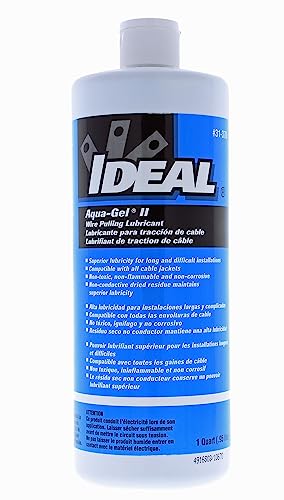
Pulling wire through conduit should feel steady, not like a tug of war. A good pulling lubricant lowers friction, protects insulation and helps you keep control on long or crowded runs. This guide explains best cable lube choices by type, thickness and price, so you can match the product to your project. The comparison table below shows how the main types differ at a glance.
Start with the job in front of you. A short run in open conduit needs far less help than a long run with several bends or a bundle of wires. The right lubricant also depends on the cable jacket, the temperature and how easy cleanup will be after the pull.


Who Should Buy Which Cable Lubricant
Occasional Home Projects
If you are adding one circuit or running a short feed to a garage, a small container is usually enough. You want a product that is easy to apply by hand and safe for the cable jacket you are using. Check the maker label for jacket compatibility before you start, and keep the container closed when you are not using it.
Frequent Remodel Work
People who pull wire often need a lubricant that stays slick through several bends and does not dry out halfway through a run. A thicker gel often suits this work, because it clings to the cable and the conduit wall for longer. Look for a container size that matches your pace of work and a cap that limits waste.
Long or Tight Conduit Runs
Long runs, crowded conduit and multiple bends put the most stress on cable and installer alike. Here, slickness and staying power matter more than a low price. Plan the pull in advance, add lubricant at the entry point and along the cable, and stop if a pull starts to bind instead of forcing it.
Key Features to Compare
Thickness and Staying Power
Thickness controls how long the lubricant stays where you put it. A thin liquid spreads fast and suits short, simple runs, but it can run off a vertical cable or thin out on a long pull. A thick gel clings better and often lasts through bends, yet it can feel messy and may need more cleanup.
Compatibility With Cable Jackets
Not every lubricant suits every jacket material. Some formulas are made for common plastic jackets, while others warn against use with certain rubber or specialty jackets. Read the maker label for the jacket types it supports, and do not assume that a product made for one job will suit another.
Residue and Cleanup
Some lubricants dry to a light film, some stay slick, and some wash away with water. A product that dries clean can be useful inside a finished wall, where you do not want residue to attract dust. Consider whether connectors or terminations will be affected, and how you will clean tools and your hands after the job.
Temperature Range
Heat and cold change how a lubricant behaves. In cold weather, a thick gel can stiffen and lose slickness, while in hot weather a thin liquid can run off too fast. The maker label often lists a usable temperature range, and that range matters if you work in an unheated garage, an attic or outdoors.
What Your Money Gets You at Each Price Level
Spending Less: What to Expect
At about $8 to $15, you will usually find small containers of basic gel or liquid lubricant. These products often suit short runs and occasional use, and they can be a sensible choice if you only pull wire a few times a year. You may get fewer applicator options and a narrower temperature range, so read the label closely.
Middle Spending: A Stronger Balance
At about $15 to $30, containers tend to be larger, gels tend to be thicker, and labels often give clearer jacket compatibility and temperature guidance. This level suits remodel work and repeated pulls, because you get better staying power without moving to bulk sizes. For many home and light trade users, this level gives the best balance of slickness, cleanup and value.
Higher Spending: When It Pays Off
Above about $30, you are usually paying for larger volume or a formula made for long or difficult pulls. That cost makes sense when you pull wire often, work with long conduit runs, or need a product that holds up in tough conditions. For a single short pull, the extra slickness may not change the result enough to justify the price.
Features Worth Paying For and Ones to Skip
Key Performance Specs
The most useful spec is not a single friction number, because real pulls depend on conduit, bends and cable count. Instead, look at thickness, temperature range and jacket compatibility together. A product that stays slick through your bends and suits your jacket will outperform a thinner product with a bold claim.
Price Versus Value
Value comes from using the right amount on the right job, not from the lowest price per ounce alone. A cheap product that dries out halfway through a pull can cost you time and risk cable damage. Match container size to how often you pull wire, and compare the price of the size you will actually finish.
Safety and Certifications
Follow the maker label for safe use, storage and cleanup. Work in a ventilated area, keep the product away from children and pets, and avoid contact with eyes.
Intended Use and Who It Is For
Wire pulling lubricant is made for pulling cable through conduit, not for lubricating moving parts or electrical contacts. Using it for another purpose can leave residue where it does not belong and may damage parts.
Ease of Use and Setup
Setup for a pull is simple, but a few habits make it easier. Keep the cable spool free to turn, keep the entry point smooth, and apply lubricant evenly instead of dumping it in one spot. Label each cable as you go to keep circuits straight.
Long Term Costs to Factor In
The container price is only part of the cost. Think about how much you use per pull, how long an opened container stays usable, and whether you need extra tools for cleanup. If you pull wire rarely, a smaller container with a good seal often costs less over time than a large one that goes stale.
Frequently Asked Questions
How much should I spend on a cable lubricant?
Spend based on how often and how far you pull wire. For one short run, a small container at about $8 to $15 is often enough, while frequent remodel work usually justifies a mid size container at about $15 to $30. Higher spending makes sense for long, crowded or repeated pulls, where staying power matters more. Also consider container size, because a product you never finish can dry out and waste money.
What features matter most when buying cable lubricants?
Thickness, jacket compatibility, temperature range and cleanup matter most. Thickness controls how long slickness lasts, compatibility protects insulation, temperature range keeps performance steady in your conditions, and cleanup affects terminations and tools. Applicator design matters too, because even application saves time and reduces waste. Skip vague slickness claims and focus on label details that match your conduit, cable and weather.
Are expensive cable lubricants worth it?
Expensive lubricants are worth it when the job is long, crowded or repeated, because better staying power can reduce force and jacket risk. For a short, simple pull, a basic gel or liquid often gives the same result for less money. The deciding factor is not price alone, but whether the formula, container size and temperature range fit your work. If you pull wire rarely, a smaller, well sealed container is usually the smarter buy.
How do I maintain a cable lubricant?
Keep the cap sealed, store the container at room temperature, and keep it away from children and pets. Wipe the neck clean before closing, so dried product does not block the opening or fall into the container. Check the label for a shelf life or storage warning, and discard a product that has separated or hardened in a way the label does not explain.
How long does a cable lubricant last?
An unopened container often lasts through its labeled shelf life when stored at room temperature, while an opened container depends on how well it is sealed and stored. On the cable itself, slickness may last through the pull and then dry to a light film, depending on the formula. If you plan to pull more cable later, choose a product that the label says stays workable, and test the path before a long run.
Our Verdict
Choose by run length, jacket compatibility and cleanup, not by container size alone. A thin liquid suits short pulls, a thicker gel suits longer or crowded runs, and a mid size container suits most frequent home work. Check the maker label, ventilate the work area, and keep the product away from children and pets. With the right match, best cable lube becomes a simple helper rather than a source of friction, and the product table above can help you compare types before you buy.