Best Budget Laser Level: What to Look for Before You Buy
Disclosure: We may earn a commission when you buy through links on this page, at no extra cost to you. As an Amazon Associate we earn from qualifying purchases. Learn more

Hanging a row of picture frames that end up crooked, or watching a shelf drift half an inch off level across a wall, is one of those small frustrations that makes DIY projects feel harder than they should be. A laser level fixes that problem in seconds, and you do not need a professional-grade model to get reliable results at home. The best budget laser level for most homeowners is one that balances accuracy, visibility, and build quality without the price tag of a job-site tool. This guide walks you through what actually matters when you are shopping on a budget, which type suits your projects, and where a laser level earns its keep around the house.



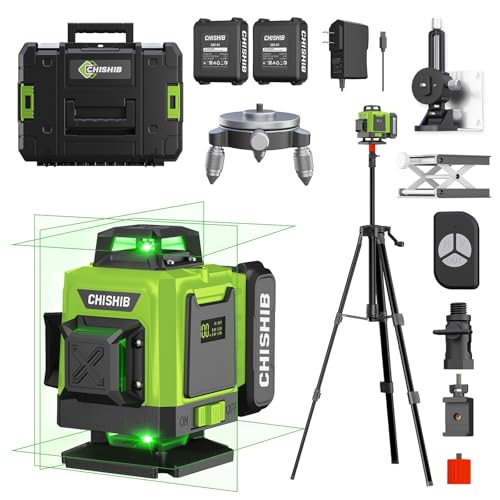
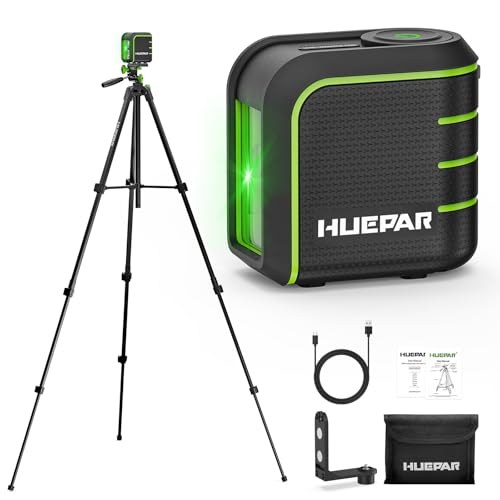
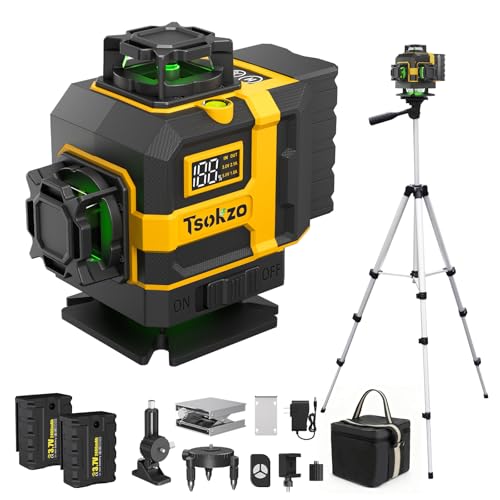
What Actually Matters When You're Shopping on a Budget
Not every spec on the box is worth worrying about. A handful of features make the real difference between a laser level that saves you time and one that ends up back in the drawer after one use.
Self-Leveling vs. Manual Leveling
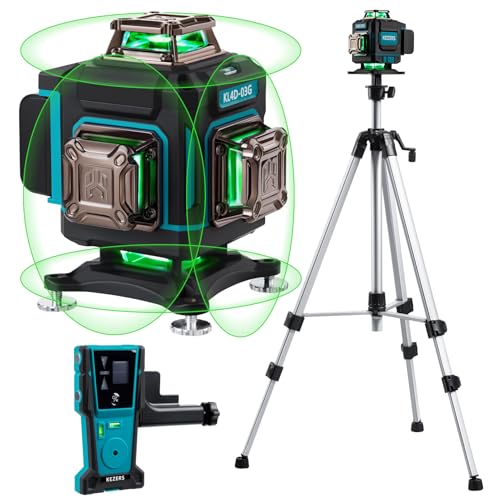
A self-leveling model uses an internal pendulum to correct itself within a set range of tilt, usually a few degrees, so the line stays true even if the tool is not perfectly positioned. Manual units require you to adjust bubble vials by hand before every use, which is slower and leaves more room for error. For most home projects, self-leveling is worth prioritizing even on a tight budget, since it removes a step that trips up first-time users.
Beam Color: Red vs. Green
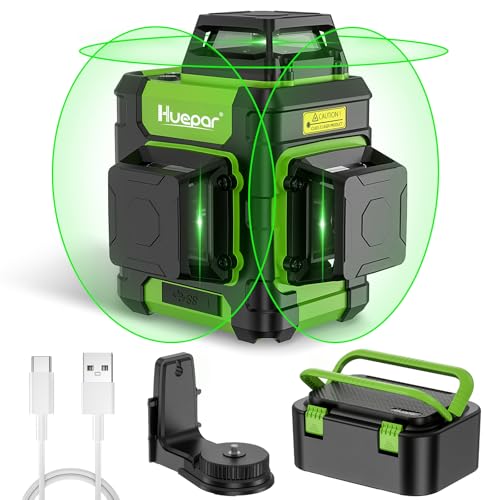
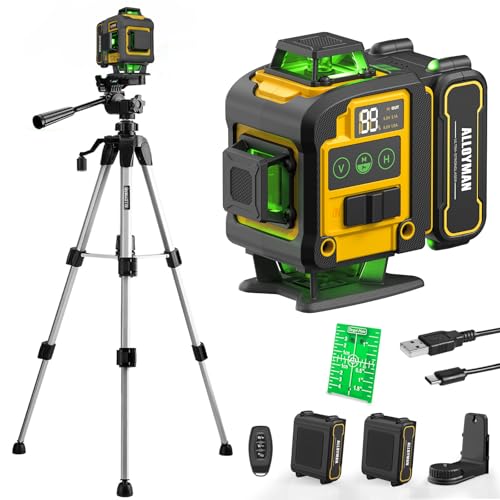
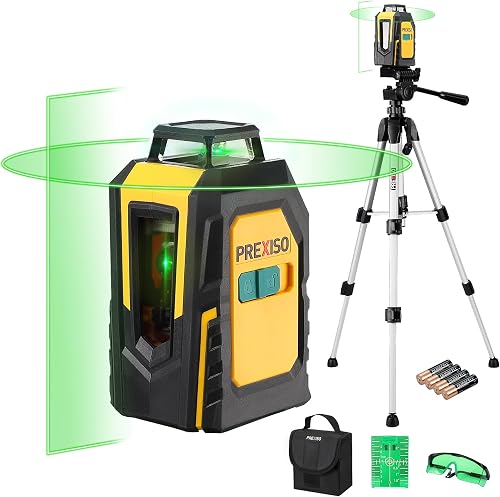
Green beams appear noticeably brighter to the human eye than red beams at the same power output, which matters if you are working in a sunlit room or need to see the line from across a space. Red laser levels are usually cheaper and have longer battery life, making them a reasonable choice for dim garages or smaller rooms. If visibility has been a pain point in the past, spending a bit more for green is often the fix.
Range and Accuracy for Everyday Projects
Accuracy specifications like an eighth of an inch over thirty feet sound impressive, but most home tasks, hanging art, installing a shelf, aligning trim, do not push a tool anywhere near that distance. Focus instead on whether the beam stays visible and stable across the length of the wall or room you are actually working in. A shorter effective range is rarely a dealbreaker for indoor projects.
Mounting Options and Build Quality
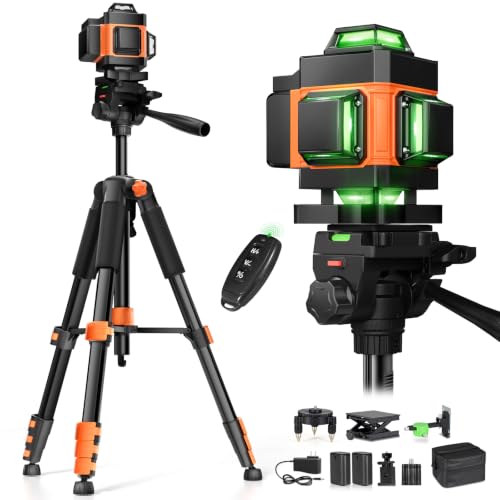
A magnetic bracket or a simple tripod thread adds a lot of usability for very little cost, letting you position the tool at the right height instead of balancing it on furniture. Budget models often use more plastic in the housing than pro-grade tools, which is a fair trade-off for occasional use, but it is worth checking that the unit feels solid and not flimsy before you commit.
Line, Cross-Line, or Rotary: Which Type Fits Your Projects
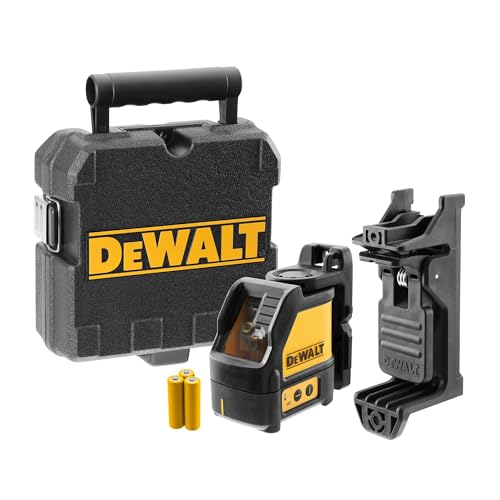
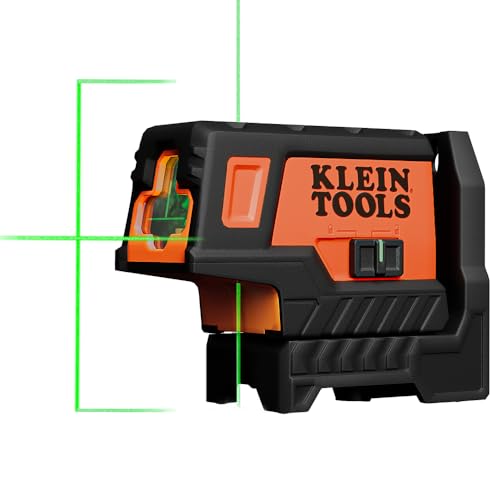
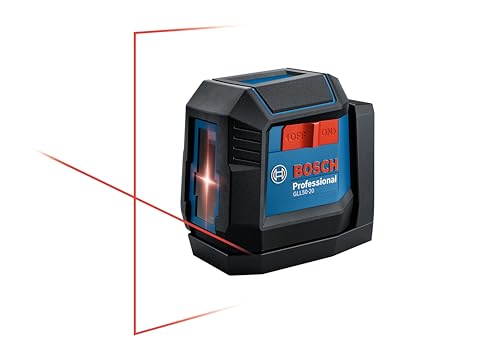
Laser levels generally fall into a few categories, and picking the right one matters more than chasing extra features. A single-line laser projects one straight line, horizontal or vertical, and works well for simple tasks like leveling a mirror or a single shelf. A cross-line laser projects both a horizontal and vertical line at once, which covers the majority of home projects, from gallery walls to cabinet installation, and is the type most budget buyers should default to.
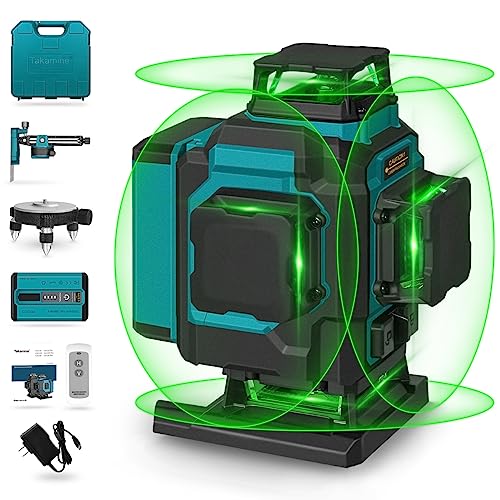
Rotary laser levels spin a beam a full 360 degrees around a room or outdoor space and typically rely on a separate detector to read the beam at longer distances. They excel at large-scale layout work such as fencing, decking, or grading a yard, but that capability adds cost and complexity most homeowners do not need. Unless your projects regularly span an entire yard or large outdoor area, a cross-line laser level covers nearly everything on a typical home project list, and it stays firmly in budget territory.
Where a Budget Laser Level Actually Earns Its Keep
The value of this tool becomes obvious once you use it on the right projects. Hanging a gallery wall of frames or shelves is far faster with a laser line than with a tape measure and a pencil for every mark. Installing kitchen or bathroom cabinets benefits from a level reference line that stays consistent across multiple pieces, keeping doors and countertops aligned. Tiling a backsplash or floor section relies on straight reference lines to keep grout joints even, and a laser level removes the guesswork of chalk lines snapped by hand.
Even smaller jobs, like mounting a TV bracket or lining up curtain rods across a window, go faster and look more professional with a projected line instead of a level and a series of pencil marks. If your project list includes any of these tasks, the tool pays for itself quickly even at a modest price point.
What You Gain (and Give Up) as You Spend More
Entry-level laser levels handle basic indoor tasks well, but understanding what higher price tiers add helps you decide where to draw the line. Stepping up typically buys a brighter or dual-color beam, a wider self-leveling range that tolerates more tilt before you have to reposition the tool, and a more durable housing that survives drops on a job site. Higher-tier models also tend to include better batteries, sturdier mounting hardware, and sometimes a digital display for reading angles.
For occasional home use, most of those upgrades are nice rather than necessary. A best budget laser level pick that covers self-leveling, decent visibility, and a stable mount will handle the vast majority of DIY projects without the added cost of features built for daily professional use.
Frequently Asked Questions
Are cheap laser levels accurate enough for home projects?
Yes, for most indoor tasks. Even entry-level laser levels typically hold accuracy well within a fraction of an inch over the distances found in a normal room, which is more than enough for hanging decor, installing shelves, or aligning trim.
Is a green laser level worth the extra cost over red?
It depends on where you use it. Green beams are easier to see in bright or sunlit rooms, which makes them worth the upgrade if you often work in well-lit spaces. Red models are perfectly usable in dimmer areas like basements or garages and cost less.
What's the difference between a line laser and a rotary laser level?
A line laser projects a fixed horizontal and vertical line for close-range indoor work, while a rotary laser spins a beam around an entire room or outdoor space for large-scale layout tasks. Most homeowners only need a line or cross-line laser.
Do I need a tripod for a laser level?
A tripod is not strictly required, since many budget units include a magnetic bracket or a flat base that works on furniture or a wall stud. A tripod does make it easier to set the tool at a consistent height, which helps on larger or multi-step projects.
What does self-leveling range mean?
It refers to how many degrees of tilt the internal pendulum can automatically correct before the beam stops being accurate. A wider self-leveling range is more forgiving if the surface you set the tool on is not perfectly flat.
Can a laser level be used outdoors?
Yes, though visibility drops in direct sunlight unless you use a detector or receiver designed to pick up the beam at a distance. For small outdoor tasks like fencing or deck boards, positioning the tool in shade or working during overcast conditions helps.
How long does a laser level battery last?
Battery life varies by model and beam color, with red-beam units generally lasting longer per charge or per set of batteries than green-beam units, which draw more power to produce a brighter line. Turning the tool off between uses extends runtime either way.
Making Your Decision
A budget laser level does not need every feature on the spec sheet to be genuinely useful. Prioritize self-leveling, a beam color that suits how you plan to use it, and a stable mounting option, and the best budget laser level for your projects will make picture hanging, shelving, and small renovation work noticeably faster and more accurate around the house.