
Best 36 Inch Refrigerators (2026): Types Compared and Buying Guide
Disclosure: We may earn a commission when you buy through links on this page, at no extra cost to you. As an Amazon Associate I earn from qualifying purchases. Learn more
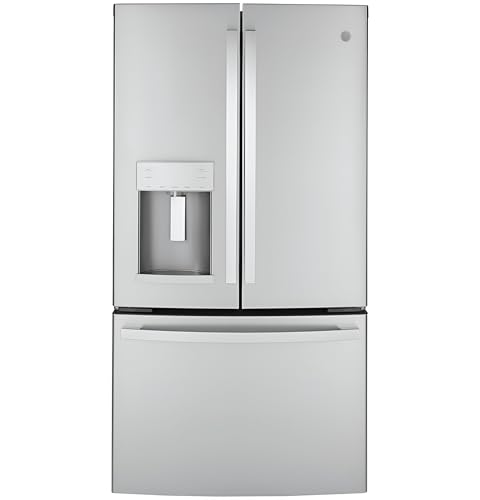
A practical guide to the best 36 inch refrigerator: french door, side by side, and counter depth layouts, plus fit, capacity, and features.
Your old fridge starts humming louder, the door seal sags, and suddenly a replacement moves to the top of your list. A best 36 inch refrigerator search makes sense, since this width fills the opening in most kitchens and holds enough food for a busy household. The comparison table below lets you scan layouts, capacity, and depth side by side before you dig into details.
This guide helps you choose by room layout, household size, and budget rather than by headline features alone. If your opening is a different width, our guide to the best refrigerator range across all sizes is a useful starting point.





Quick Answer: The Main Types at a Glance
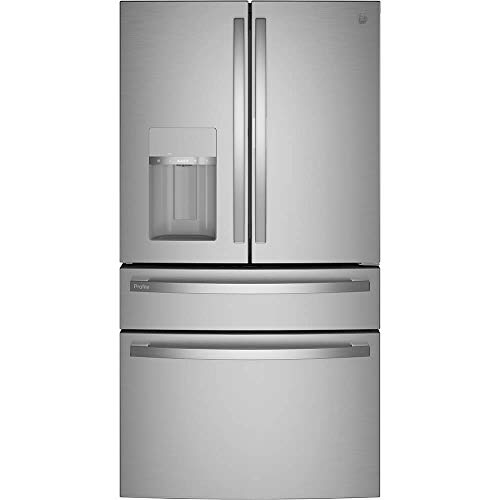
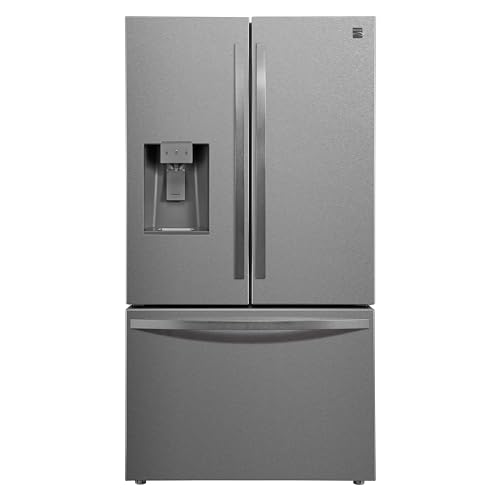
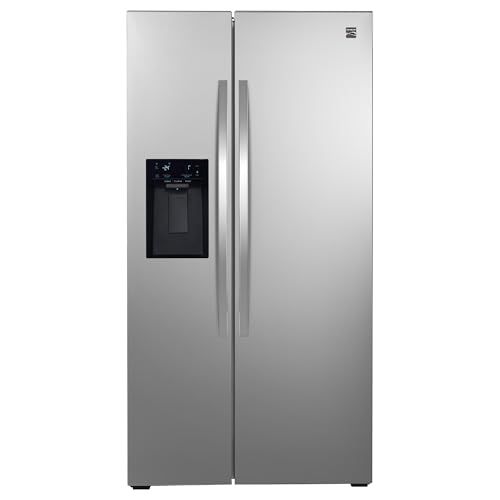
Most 36 inch models fall into three layouts. French door designs put fresh food at eye level and suit families who cook often. Side by side designs split fresh and frozen storage vertically and suit households that reach for frozen items daily. Bottom freezer designs keep fresh food up top with a single door and suit smaller households that want simple storage.
Depth matters as much as layout. Counter depth models sit nearly flush with your cabinets, while standard depth models hold more groceries. Pick your layout first, then your depth, then compare features.
Before You Buy: A Quick Checklist for Choosing a Refrigerator
Size: Match It to Your Space
Width is only the starting point, since 36 inch models vary a lot in depth and total capacity. Standard depth versions often hold about 25 to 28 cu ft, while counter depth versions usually hold about 20 to 23 cu ft. If your opening is narrower, a 33 inch or 30 inch model may be the honest fit instead. Match capacity to your shopping rhythm, not to the biggest number on the tag.
Which Type Fits Your Routine
Think about what you open most during a normal day. If fresh produce, leftovers, and drinks dominate, a best french door refrigerator layout keeps those items wide, visible, and easy to reach. If frozen meals and bulk buys dominate, a best side by side refrigerator layout gives tall frozen storage with narrow doors. Top freezer models cost less and suit garages or rentals. Bottom freezer models keep fresh food at eye level with one simple door, while four door designs add a convertible drawer.
Features Worth It (and Ones to Skip)
An ice maker and a water dispenser earn their keep in homes that fill glasses and coolers all day. A dual ice setup, meaning ice in the door plus ice in the freezer, helps during parties. A flex zone drawer that switches between fridge and freezer temperatures suits families whose needs change week to week. Craft ice and door in door panels are pleasant extras, but they raise the price and add parts that can fail. If you rarely entertain, a model with no ice maker gives you more shelf room and one less water line to maintain.
Measurements and Compatibility With Your Setup
Measure the opening width, height, and depth, then measure every doorway and turn on the delivery path. Leave about an inch behind the fridge for air flow, and check that doors can open past 90 degrees without hitting a wall or island. If you want a dispenser or ice maker, confirm that a water line reaches the spot with a shutoff valve nearby. Also check floor level, since an unlevel floor makes doors swing on their own.
Certifications That Matter
Look for an Energy Star label if lower running costs matter to you, since certified models use less electricity than basic models that only meet minimum rules. Water filters with NSF and ANSI certification have been checked for the claims on the box, such as lead reduction. An electrical safety listing from a recognized lab, shown as a mark on the rating plate inside the fridge, confirms the appliance passed standard safety testing.
Do It Yourself or Professional Installation Cost
Delivery crews usually place the unit, level it, and haul the old one away for a modest fee or as part of the sale. Running a new water line or moving an outlet is licensed trade work in many areas and can add about $150 to $400 to the job. Doing the placement yourself saves money only if you have a dolly, a helper, and a clear path, since a full size fridge is heavy and awkward on stairs.
Realistic Budget Ranges
Full size models at this width rarely sell new for under $500, so treat any such listing with care. Basic top freezer and simple side by side models often fall around $900 to $1,400. Most french door models with dispensers land around $1,400 to $2,400. Premium finishes, convertible drawers, and smart screens push prices to about $2,400 to $3,500, while built in setups cost far more. A sensible budget also covers delivery, a water line kit, and the first replacement filter.
Types Compared: Three Layouts Worth Your Money
With no single layout winning for every home, compare the three main styles against your routine, your kitchen shape, and the way your household shops and cooks.
French Door Layout for Fresh Food First Homes
This layout suits households that cook with fresh ingredients most nights. Wide shelves fit party trays, pizza boxes, and sheet pans that narrow cabinets cannot hold. Two half width doors need less swing clearance, which helps in kitchens with an island nearby. The trade off is a freezer drawer that can turn into a deep pile if you skip bins. Choose this style if fresh storage matters more than tidy frozen rows.
Side by Side Layout for Frozen Food Fans
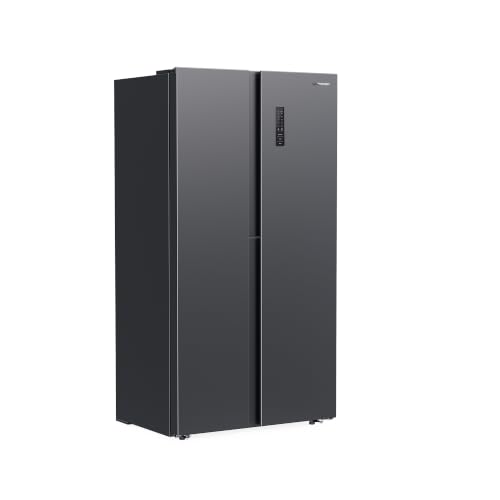
This layout suits households that freeze meals, buy meat in bulk, and like every item visible at eye level. Tall narrow shelves make it easy to sort frozen vegetables, ice cream, and prepared meals into zones. The trade off is width, since neither side fits a wide tray or a large turkey well. This style also tends to cost less than a french door model of similar size. Pick it if frozen organization is your daily pain point.
Counter Depth Layout for a Flush Cabinet Look
This layout suits homeowners who care about sight lines and walkway room as much as storage. The box sits shallower, so doors and handles project less into the kitchen and the room feels calmer. You give up a few cubic feet, which matters for very large households. Shoppers weighing a best counter depth refrigerator against a standard depth model should compare usable shelf space, not just listed capacity, before deciding. Pick this style if space around the fridge is tight every single day.
How We Compare Models at This Size
Our comparison rests on the factors in the checklist above rather than on brand reputation. We weigh fit and compatibility first, then build quality cues such as hinge feel, shelf material, and finish care. Features count only when they solve a daily problem, and warranty length and filter cost shape the long term value picture. Specs come from manufacturer listings and buyer feedback patterns. We do not claim hands on testing for every model, and prices shown by the site system can change, so check the product page before ordering.
Is a 36 Inch Refrigerator the Right Size for You?
For many homes, yes. A 36 inch fridge is the standard full size choice for a household of three to five people who cook at home most days. It fills the most common cabinet opening, offers the widest choice of layouts and finishes, and keeps resale and replacement simple later. Stainless steel remains the easiest finish to match with other appliances, though darker and panel ready options exist for custom looks.
It is the wrong size in a few clear cases. A small apartment kitchen with a 30 or 33 inch opening cannot take one without cabinet work. A single person who eats out often will pay to cool empty shelves. A large family that bulk shops may fill even 28 cu ft and need a second unit in the garage. Choosing the best 36 inch refrigerator starts with admitting which situation is yours.
Common Buying Mistakes to Avoid
- Measuring only the cabinet opening and forgetting the delivery path, so the new fridge cannot reach the kitchen.
- Buying counter depth for the look, then finding weekly groceries for five people no longer fit.
- Paying for smart screens and craft ice while skipping the water line and filter costs those features require.
- Ignoring door swing, so a door hits an island and the crisper drawers cannot pull out fully.
- Skipping the floor check, which leaves doors drifting open and the compressor working harder than it should.
Cost of Ownership and Care
Running costs stay modest when coils stay clean and door seals hold cold air in. Vacuum the coils or the grille area about twice a year, more often in homes with pets. Replace the water filter about every six months if your model has one, since a clogged filter slows the dispenser and strains the ice maker. Wipe gaskets with mild soap and water so they stay soft and seal evenly. A fridge that runs constantly or frosts heavily is telling you service is due, and our guide on how long does a refrigerator last explains the usual lifespan and repair signs.
FAQ
What is the most reliable refrigerator brand?
No single brand earns that title every year, since reliability varies by layout and feature count. Simpler models with fewer dispensers and screens tend to need fewer repairs across most brands. A longer compressor warranty and a strong local service network matter more than a logo. Before buying, search for authorized repair coverage in your zip code, because a great fridge with no nearby technician becomes a headache when a fan or board fails.
How do you clean a refrigerator without harsh chemicals?
Warm water with a spoon of baking soda handles most interior cleaning without harsh chemicals or strong smells. Empty one shelf at a time, wash it in the sink, and dry it fully before reloading food. A soft cloth with diluted vinegar lifts sticky spots on glass shelves. Our step by step guide on how to clean a refrigerator covers odor removal and spill cleanup in more depth. Never use abrasive pads on stainless steel, since they leave fine scratches that catch light.
What size refrigerator does a household of four need?
A household of four usually does well with about 20 to 25 cu ft, which a 36 inch model provides in either depth. A common planning rule is about 4 to 6 cu ft per person, then adjust for habits. Families that host often or freeze bulk buys should aim high in that range. Households that shop at farmers markets twice a week and cook fresh can aim low and gain floor space back with a counter depth choice.
Can a 36 inch refrigerator fit through a standard doorway?
Usually yes, since most entry and kitchen doorways offer about 32 to 36 inches of clear space and delivery crews can remove the fridge doors to gain room. Depth without doors is the number that decides the fit, and it is often several inches less than the listed depth with handles. Measure the narrowest point on the path, including stair rails and tight turns. Tell the seller your measurements before delivery day so the crew arrives with the right plan.
Is a refrigerator with a through door dispenser worth it?
It is worth it if your household fills water bottles and glasses many times a day and wants ice without opening the freezer. Each opening of the main doors lets cold air spill out, so a dispenser can trim small energy losses during busy mornings. The cost is interior room, since the ice bin takes door or shelf space, plus filter changes twice a year. Households that drink mostly tap water from a pitcher often prefer the extra storage instead.
Final Thoughts
Start with fit, pick the layout that matches your routine, and let features compete only after those two choices are settled. The product table above pulls your shortlist into one view, so use it to compare capacity, depth, and layout at a glance. For most households, the best 36 inch refrigerator is the one that fits the opening, fits the grocery run, and stays simple enough to maintain for years.

