Best 36 Inch Induction Ranges: A Budget Guide for 2026
Disclosure: We may earn a commission when you buy through links on this page, at no extra cost to you. As an Amazon Associate I earn from qualifying purchases. Learn more

The best 36 inch induction ranges balance budget, element power, oven size, and wiring. Here is how to match one to your kitchen.
Shopping for best 36 inch induction ranges means balancing cooking power, oven capacity, and electrical work, all inside a wide 36 inch footprint. Induction cooking heats pans directly through a magnetic field, so it responds quickly and keeps the cooktop surface cooler than a gas or standard electric burner. Prices still vary widely, and the differences often come from oven features, control style, and build quality rather than raw cooking speed alone. Use the product table to line up the main choices side by side before you narrow the field.
A 36 inch width suits larger kitchens and cooks who use several pans at once, but it demands careful measuring and a suitable electrical supply. You need to check the cutout, the clearance to nearby cabinets, and whether your home already has the right circuit. You also need to check that your pans work with induction, since aluminum, copper, and some stainless steel pans will not heat on these cooktops. The sections that follow walk through budgets, features, and long term costs in that order.



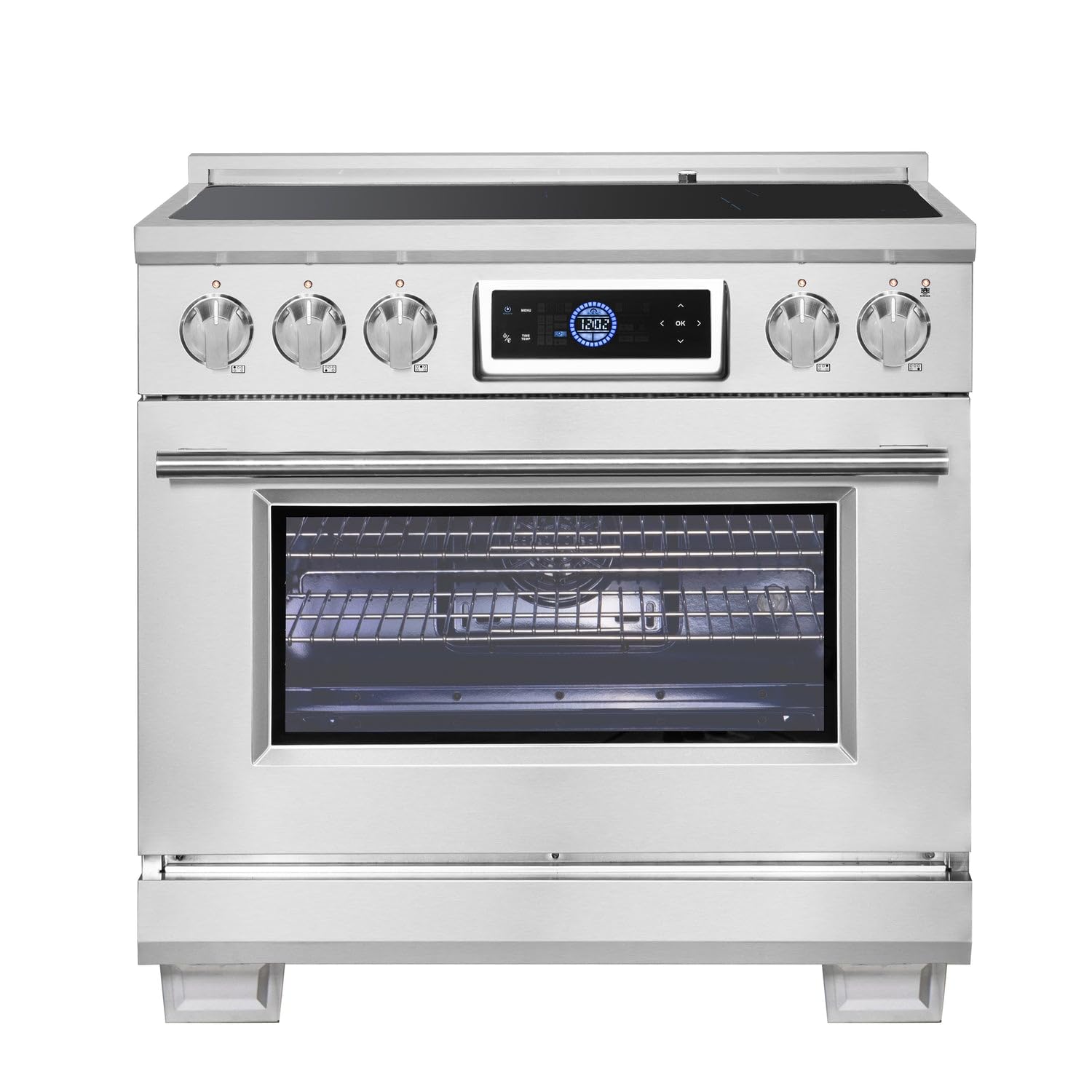
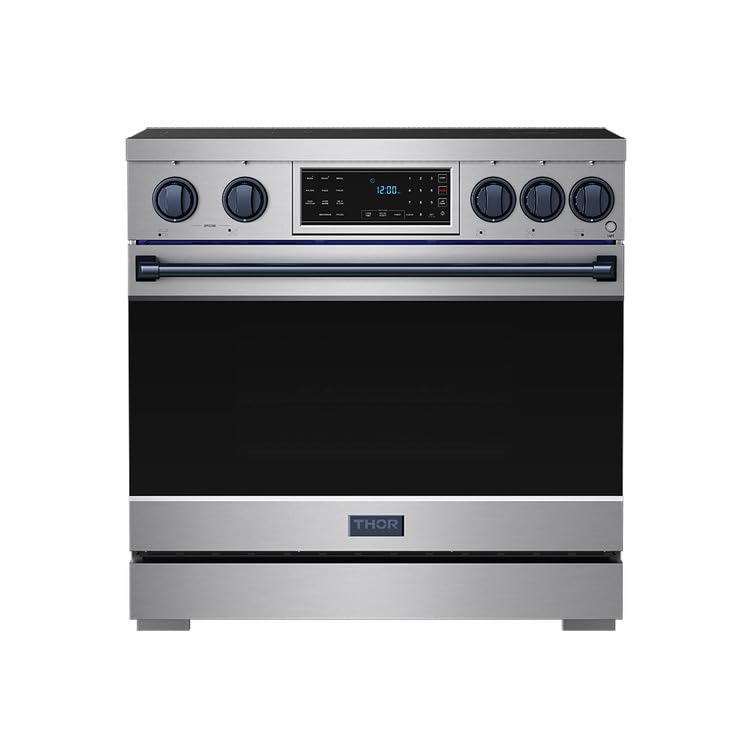
Best 36 Inch Induction Ranges at Each Budget Level
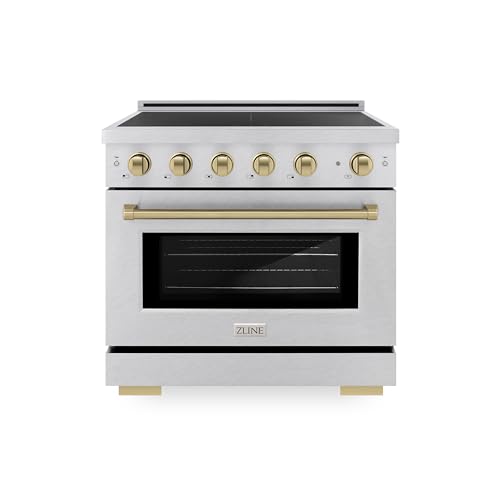
At a modest budget, expect a straightforward induction cooktop with four or five elements, a single oven, and simple touch or knob controls. Models around $1,500 to $2,500 often cook very well, but they may offer fewer oven modes and a smaller set of bridge or flex zones. They suit cooks who want fast, responsive heat without paying for smart features or a second oven. Check pan compatibility and element layout carefully at this level, since a low price does not help if your largest pans crowd each other.
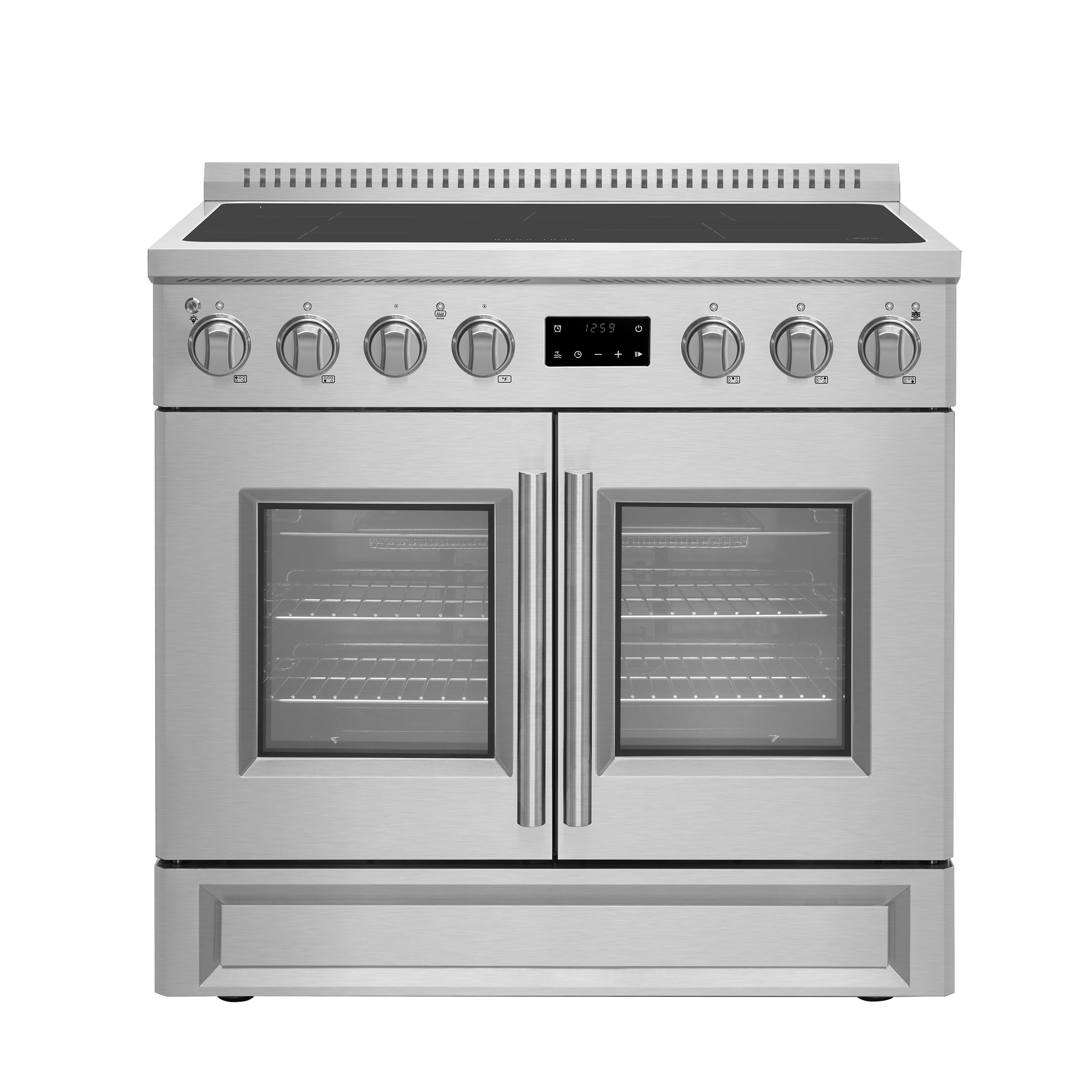
In the middle range, around $2,500 to $4,000, you usually gain a larger oven, more flexible element zones, and better control over low heat for simmering and melting. Many models add a convection fan, a proofing or warming mode, and a more refined touch panel. This range suits most serious home cooks because it balances cooking flexibility with a price that still feels reasonable for a major appliance. It is also where build quality and oven insulation tend to improve, which helps with even baking.
Above about $4,000, you pay for premium finish, a second oven or a larger oven cavity, and advanced controls such as guided cooking modes or wireless probes. Those extras can be worth it in a kitchen where the range is the center of daily cooking and entertaining. They are less useful if you mainly cook simple meals, so judge each upgrade by how often you will use it rather than by how impressive it sounds in a showroom. A high price does not automatically mean faster boiling, since element power matters more than the badge on the front.
What Your Money Gets You at Each Price Tier
Lower Priced Models: Strong Cooking, Simpler Ovens
Lower priced models focus on the core induction job: fast heat, precise low heat, and easy cleanup on a smooth glass surface. You may get fewer oven modes and a simpler control panel, but daily cooking stays strong. Look for a model with at least one high power element, a true simmer setting, and an oven large enough for a standard sheet pan. If the model lacks a bridge zone, check that your griddle or large pan still sits well on a single element.
Middle Priced Models: The Best Balance for Most Cooks
Middle priced models add the features that remove daily friction, such as flexible zones that join two elements for a griddle, a convection fan for even baking, and clearer controls. Oven capacity often grows, and insulation improves, which helps with roasting and baking large meals. This tier also offers more finish choices, so you can match nearby appliances without jumping to a premium price. For most buyers, this is the tier where extra spending stops feeling like a luxury and starts feeling practical.
Higher Priced Models: Refinement and Extra Oven Space
Higher priced models add quieter fans, more precise oven controls, and storage or oven space designed for large gatherings. A second oven cavity can let you bake and roast at different temperatures at the same time, while guided modes can suggest settings for common dishes. Those systems can help confident cooks and busy hosts, but they add complexity and repair cost. Weigh them against the purchase price and the cost of service after the warranty ends, since complex electronics can cost more to fix.
Features Worth Paying For and Ones to Skip
Installation, Electrical, and Gas Requirements
Most induction ranges need a dedicated 240 volt circuit, so check your panel capacity and the maker electrical requirements before ordering. A qualified installer should handle the connection if you are unsure about wiring, breaker size, or local code. Unlike gas models, induction ranges do not need a gas line or a conversion kit, which can simplify installation in an all electric home. For a broader width comparison, see our guide to the best 36 inch ranges and check how its fuel options differ from a pure induction model.
Size and Cutout Dimensions
Measure the cutout at the top, middle, and bottom, since cabinets and floors are rarely perfectly square. A 36 inch range needs clearance to nearby cabinets and a safe distance from combustible surfaces as the maker guide directs. Slide in models sit flush with the counter line and hide the back seam, while freestanding models often include a backguard and a simpler fit. Check the depth with the oven door closed and the height against your counter, since small differences can leave an awkward gap or a lip that catches pans.
Controls and Smart Features
Knob controls feel familiar and work well with wet hands, while touch panels look sleek and wipe clean in seconds. Smart features such as remote monitoring or guided recipes can help some cooks, but they should never replace clear basic controls for heat level and oven mode. An air fry mode can be useful if you already cook that way, yet it rarely justifies a large price jump on its own. Choose controls you can read and adjust quickly while cooking, since fumbling with menus during a busy meal is a real drawback.
Fuel Type: Gas, Electric, Induction, or Dual Fuel
Induction heats fastest and offers the most precise low heat control, but it requires magnetic pans and a suitable electrical circuit. Gas gives visual flame control and works with any pan, yet it adds heat to the kitchen and needs ventilation. Standard electric models cost less up front but respond more slowly than induction.
Dual fuel models pair a gas cooktop with an electric oven, which suits cooks who want flame control plus even baking. If you want a smaller induction option, see our guide to the best 30 inch induction ranges and compare its element layout with a 36 inch model.
Long Term Costs to Factor In
Running cost depends on electricity rates, cooking frequency, and oven use, so check the energy guide label rather than guessing from the price tag. Induction is generally efficient because heat goes straight into the pan, but a large oven still uses real power during long roasts.
Add the cost of new pans if your current set is not magnetic, and check whether the maker advises a specific cleaner for the glass cooktop. Warranty length also matters: a longer parts warranty on electronics can matter more than a short full warranty, so read both figures before you buy. Follow the maker electrical safety guidance during installation, and keep vents clear so the oven and electronics stay within safe temperatures.
Who Should Buy Which Setup
Busy family cooks often do best with a middle priced model that offers flexible zones, a large oven, and simple controls that many household members can use. Serious bakers may value a convection oven and a second cavity for holiday meals, while small households may find a simpler model more than enough.
If you cook with large pans or a griddle often, a bridge zone earns its price quickly. Cooks who already own magnetic pans save money up front, while cooks with aluminum or copper pans should budget for replacements. Check pan compatibility with a magnet before ordering, since a pan that does not attract a magnet will not heat on induction.
Common Mistakes to Avoid
- Ordering before checking the electrical circuit, panel capacity, and cutout size.
- Assuming all existing pans work on induction without checking them with a magnet.
- Paying for smart modes or a second oven that the household rarely uses.
- Ignoring pan replacement, cleaner, and repair costs when comparing price tiers.
- Choosing by element count alone instead of usable layout and oven capacity.
Care and Maintenance
Wipe the glass cooktop after it cools, using a cleaner the maker advises, and avoid dragging rough pan bottoms across the surface. Keep oven vents clear, clean spills promptly so they do not bake onto the cavity, and check door seals so heat stays inside during baking. Let the cooktop cool before cleaning, and avoid abrasive pads that can scratch the glass. These small habits protect the surface and help the oven hold temperature evenly.
Frequently Asked Questions
Is convection worth paying extra for?
Convection is worth paying extra for if you bake often, roast large cuts, or cook on several racks at once. A fan circulates hot air, which can even out browning and reduce hot spots in a large oven cavity. For simple weeknight cooking with one pan at a time, a standard oven mode works fine and saves money. Consider it a useful upgrade for bakers and hosts, not a must have for every kitchen.
Do I need a special outlet for an electric range?
Yes, most induction ranges need a dedicated 240 volt circuit with the correct breaker and receptacle type stated in the maker guide. A standard wall outlet cannot supply the power these ranges need, and using the wrong circuit can trip breakers or damage wiring. Check your panel capacity before ordering, and hire a qualified installer if the wiring, breaker size, or local code is unclear. Never adapt plugs or circuits to force a fit.
How long does a 36 inch induction range last?
A typical induction range lasts about 13 to 18 years, though use, power quality, and care shift that range in either direction. Gentle cleaning of the glass surface, clear vents, and prompt attention to error messages help electronics last longer. Heavy daily use, power surges, or scratched glass can shorten life or raise repair costs. If a major electronic repair approaches half the price of a comparable new model, replacement usually makes more sense.
Is induction better than gas?
Induction is better than gas for speed, precise low heat, and a cooler kitchen, while gas is better for cooks who want visual flame control and any pan type. Induction boils water faster and holds a gentle simmer with less adjustment, which helps sauces and melting tasks. Gas still appeals to cooks who char, wok, or use round bottom pans that do not sit flat on glass. Choose by cooking style and pan collection rather than by speed claims alone.
What size 36 inch induction range do I need for my kitchen?
A 36 inch model suits kitchens with at least 36 inches of clear counter width plus the clearance the maker guide requires on each side. Measure the cutout, the counter height, and the depth with the oven door closed before ordering. Check that nearby drawers and cabinet doors open without hitting the range, and that ventilation above the cooktop fits the space. If the opening is smaller or the electrical panel cannot support a new circuit, a 30 inch model may fit better.
Final Thoughts
Start with the electrical supply, then the cutout, then pan compatibility, and let price tier follow those three decisions. A middle priced model suits most cooks, while a simpler model works well when cooking needs are basic and a premium model earns its price only when its oven space and controls get daily use. If you need cookware guidance, see our guide to the best cookware for induction ranges before you buy new pans. When you are ready to choose, check the product table above and pick the best 36 inch induction ranges option that fits your kitchen, your cooking style, and your budget.