Best 36 Inch Induction Cooktops (2026): Types Compared and Buying Guide
Disclosure: We may earn a commission when you buy through links on this page, at no extra cost to you. As an Amazon Associate I earn from qualifying purchases. Learn more

A practical guide to the best 36 inch induction cooktop: five zone, bridge, and four zone layouts, plus cutout size, wiring, and pan fit.
Sunday lunch is underway, two large pots are simmering, a skillet needs steady heat, and an older narrow cooktop would force you to cook in shifts. A wider surface solves that crowding, but only if the cutout, wiring, and cookware already in your cabinets actually suit it. Choosing the best 36 inch induction cooktop is less about chasing the longest feature list and more about matching space, household size, and daily habits.
This guide walks you through sizing, layout types, useful controls, installation costs, and care, so you can compare options with confidence. Start with the comparison table below, then use the sections that follow to check fit for your kitchen.



Quick Answer: The Short Version
If your kitchen already has a 36 inch cutout and you regularly cook for four or more people, this size gives you room for large pans without constant juggling. Choose a five zone layout for busy family cooking, a bridge layout for griddle work, or a simpler four zone layout if you want lower cost and easier controls. Confirm your electrical supply and pan compatibility before you order anything.
Before You Buy: A Quick Checklist for Choosing an Induction Cooktop
Size: Match It to Your Space
Smaller kitchens often suit a 24 inch or 30 inch surface, while a 36 inch surface earns its counter space when you use wide pans or cook several dishes at once. If your household is small and counter room is tight, our guide to the best 30 inch induction cooktop covers a more compact route. Count zones as well as width, because four large zones can serve some cooks better than five crowded ones.
Which Type Fits Your Routine
Most models at this size are built in units that sit flush in a countertop cutout, with either a framed edge or a frameless glass finish. Flexible zones let you move pans within a marked area, while a bridge layout joins two zones for a long griddle. Portable and double burner units solve different problems, and they suit renters or small counters where a built in unit cannot go.
Features Worth It, and Ones to Skip
A bridge function, a power boost setting for boiling water fast, and a simple timer for each zone solve real daily problems and are worth paying for if you use them weekly. Pan size detection helps too, since it sends heat only where the pan sits. Downdraft ventilation, smart app control, and elaborate preset menus matter far less for most homes, and skipping them often lowers the price without hurting daily cooking. If you are still weighing the wider category, see our overview of the best induction cooktop options for context.
Measurements and Compatibility With Your Setup
Measure the existing cutout in your countertop, not just the glass top you can see, because glass overhangs the opening on every side. Check cabinet depth below for drawer clearance, and confirm the required circuit size in the manual for the exact model you want. Then test your cookware with a magnet. If the magnet sticks firmly to the base, the pan will work, and flat bases give the most even contact.
Certifications and Safety Marks
Look for a listing mark from a recognized testing body such as UL or ETL on the rating label, which shows the unit was checked against United States safety standards for built in cooking appliances. A glass top should also carry clear guidance on maximum pan weight and on ventilation gaps below the unit. Treat any model with no clear certification information or no published installation manual as a reason to pause.
DIY vs Pro Installation Cost
Swapping a like for like unit into an existing cutout on an existing circuit is the simplest job, but most homes need an electrician for a new or upgraded circuit, and many owners hire an installer for the heavy lifting and sealing. Budget for that labor as part of the purchase, since countertop cutting and electrical work can add a meaningful share to the total. Our breakdown of induction cooktop installation cost explains what drives those quotes.
Realistic Budget Ranges
At this size, straightforward four zone models tend to start at about $900 to $1400, while five zone models with bridge and flexible areas often sit at about $1500 to $2500. Premium finishes and advanced controls can push prices to about $2600 to $3500 or more. Installation, a new circuit, and any countertop changes sit on top of those figures, so compare total project cost rather than the box price alone.
Types Compared: Three Layouts Worth Your Money
Five Zone Layouts for Most Homes
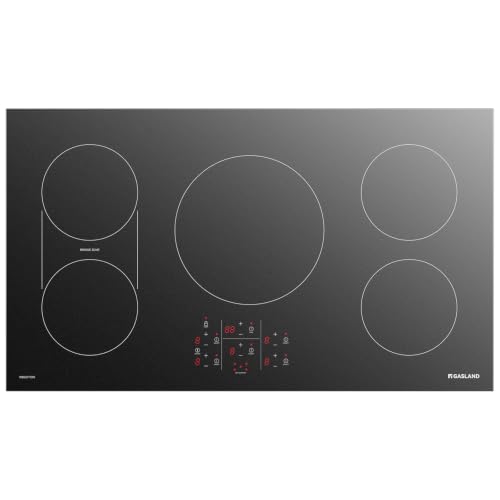
A five zone layout places a large central zone between two pairs of smaller zones, so a stockpot, a sauce pan, and a skillet can all run at once. This is the most forgiving arrangement for family meals and holiday cooking. The trade off is control complexity, since more zones mean more settings to learn, and the center zone often needs a wide pan to use its full output.
Bridge Layouts for Griddle and Batch Cooking
A bridge layout links the two zones on one side into a single long cooking area for a griddle or roasting pan. It suits weekend breakfasts, searing several portions at once, and cooks who like one large surface more than many small ones. Output is shared across the bridged area, so it will not match two fully independent zones at maximum power, and you need suitably long cookware to benefit.
Simpler Four Zone and Premium Layouts
A four zone layout at this width gives each pan more elbow room and usually costs less, which suits households that rarely run more than three pans. At the other end, premium layouts add finer power steps, quieter cooling, and tougher glass finishes. If those upgrades appeal to you, our guide to the best high end induction cooktop explains what the extra money actually buys.
Our Selection Process
We compared layouts by installation and compatibility first, since a unit that does not fit your cutout or circuit is not a real option. Next came build quality and finish, control clarity, zone layout, safety certification, and warranty terms. The comparison draws on manufacturer specifications and patterns in verified buyer feedback about fit problems, control quirks, and service experiences, rather than on invented hands on claims.
Is a 36 Inch Induction Cooktop the Right Size for You?
Choose this size if you cook for a family, host often, or use wide pans that crowd a 30 inch surface. The extra width spreads pans apart, which makes stirring and lifting safer and keeps handles from colliding. It also suits kitchen islands and larger kitchens where a narrow unit would look lost and leave awkward gaps in the counter run.
Skip it if your kitchen is small, your cutout is 30 inches, or you mostly cook one or two dishes at a time. A smaller unit costs less to buy and install and frees counter space you will use daily. Renters and apartment dwellers usually cannot alter cutouts or circuits anyway, so a portable unit or a smaller built in model is the practical answer there.
Still deciding between heat sources? Heat speed and pan rules differ a lot by fuel, and our induction vs gas cooktop comparison lays out the trade offs for control, ventilation, and running cost.
Common Buying Mistakes to Avoid
- Ordering from the glass width alone, then finding the cutout below is the wrong size for the new unit.
- Assuming every pan you own will work, then discovering thin aluminum and copper pans will not heat at all.
- Ignoring the circuit rating, so the unit trips the breaker when several zones run on boost together.
- Paying for app control and preset menus you will never open, while skipping a bridge zone you would use weekly.
- Forgetting ventilation clearance below the unit, which can lead to heat shutdowns and a shorter service life.
Cost of Ownership and Care
Induction sends heat into the pan rather than into the room, so day to day running costs are usually modest for a household appliance, and there are no burners or grates to replace. Your main ongoing costs are a suitable glass cleaner, replacement pans if your current set fails the magnet test, and possible service visits once the warranty ends. Keep receipts and the model number, since parts support varies a lot by maker.
For care, let the glass cool, wipe spills promptly, and lift pans instead of sliding them so grit on a pan base cannot scratch the surface. Sugary spills deserve fast attention once the top is safe to touch, because they can pit the glass if left to harden. Our step by step guide on how to clean an induction cooktop covers safe cleaners and what to avoid.
Your Questions, Answered
What is the most reliable induction cooktop brand?
No single maker wins for every home, and published reliability varies by model line rather than by badge alone. A more useful check is warranty length on the glass and electronics, the size of the local service network, and whether spare control boards stay available for older units. Ask a local appliance repair shop which brands they can service quickly in your area before you commit.
How do you clean an induction cooktop?
Wait until the surface is cool, then wipe with a soft cloth and warm water for daily marks. For cooked on residue, use a cleaner made for glass cooktops and a non scratch pad, working gently in small circles. Avoid steel wool, abrasive powders, and oven cleaners, since they can dull or damage the printed zone markings as well as the glass itself.
Is an induction cooktop worth it?
For most home cooks, yes, if your pans are compatible and your circuit can support it. Water boils fast, low settings hold a gentle simmer without scorching, and the flat glass wipes clean in seconds. The main downsides are the upfront cost, the cookware requirement, and a faint buzz some pans make on high power, which bothers some cooks more than others.
How long does an induction cooktop last?
A well cared for unit commonly serves for about ten to fifteen years of regular home use. The glass top and the cooling fans tend to set the limit, since fans run whenever zones are hot and slowly wear. Keeping the vents below the unit clear of stored trays and linens helps those fans do their job and supports a longer working life.
What size induction cooktop do I need?
Count the pans you run at the same time on your busiest regular meal, then add one if you host often. Two pans point to a compact unit, three or four pans suit a 30 inch surface, and five pans or very wide cookware justify 36 inches. Also weigh your storage, since larger pans to fill a larger surface need cabinet room too.
What is the best 36 inch induction cooktop?
The right answer depends on your cutout, circuit, and cooking style rather than on a single universal winner. For most families, a five zone layout with a boost setting and clear touch controls covers the widest range of meals. Griddle fans should favor a bridge layout, while cooks who want the lowest total cost should look at a simpler four zone layout in the same width.
Final Thoughts
Fit comes first at this size. Measure the cutout, confirm the circuit, test your pans, and only then compare zone layouts and finishes. The product table above pulls those choices together, and for most households the best 36 inch induction cooktop is a five zone model with controls you find clear at a glance and a warranty backed by service near you. Spend on layout and build, skip the extras you will not use, and the new surface should serve daily cooking for years.