Best 30 Inch Snow Blowers (2026): Width, Drive and Stage Explained
Disclosure: We may earn a commission when you buy through links on this page, at no extra cost to you. As an Amazon Associate I earn from qualifying purchases. Learn more
What to know about the best 30 inch snow blower: two stage, track and three stage designs, features and care.
A 30 inch clearing width sounds like a simple upgrade, but it changes how fast you clear, how much storage space you need, and how the machine handles in tight turns. Choosing the best 30 inch snow blower means matching that wide path to your driveway length, your typical snow depth, and the surface under the snow. A wide machine that strains on wet snow or will not fit through your gate wastes money.
This guide compares the main types by build materials, weather resistance, size, and capacity, then walks through assembly, features, and budget. For narrower and smaller machines, see our guide to the best snow blower.
30 Inch Snow Blower Types at a Glance
Almost every 30 inch model is a two stage or three stage machine, because a single stage paddle cannot move deep snow across that wide a path. The real choice is between wheel drive and track drive, and between gas power and the small number of large battery models. Wheel drive suits flat paved driveways and costs less. Track drive grips slopes and gravel better, but turns more slowly and adds weight and cost.
- Two stage wheel drive: the standard choice for long flat driveways and deep snow.
- Two stage track drive: better grip on slopes, ice, and loose gravel.
- Three stage wheel drive: an added accelerator that pulls in heavy snow faster.
Three Types Compared
Two Stage Wheel Drive for Most Large Driveways
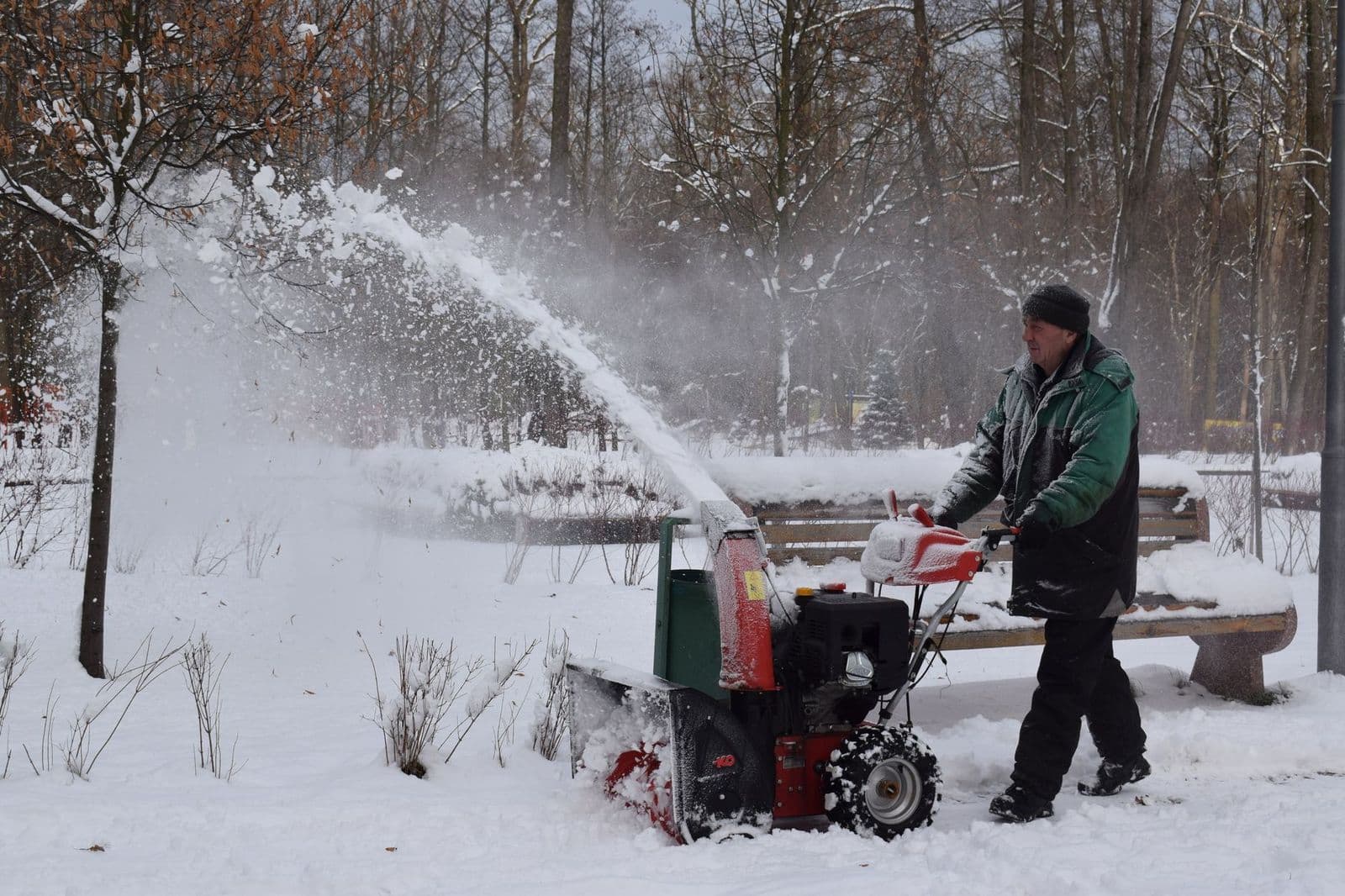
A two stage design uses a steel auger to gather snow and a separate impeller to throw it, so it handles depth and density that stop smaller machines. At 30 inches wide, you clear a two car driveway in far fewer passes, and large tires roll over packed ridges at the street. This is the type most buyers should price first. Its limits are size and effort in turns. You need room to swing the machine around at the end of each pass, and pushing it without the drive engaged is hard work.
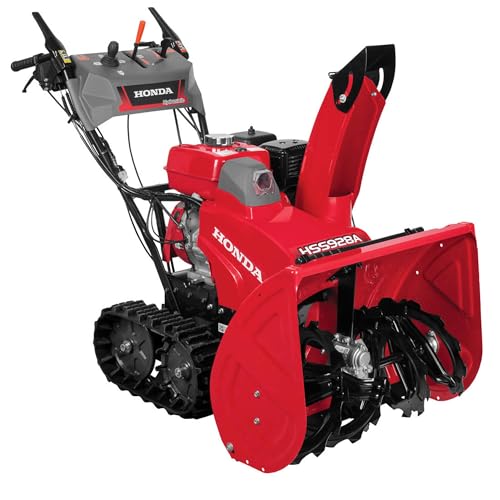
Track Drive for Slopes and Gravel
Tracks spread the machine weight over a longer contact patch, which helps on sloped driveways, icy patches, and gravel where wheels spin or dig in. Many track models let you raise the housing slightly, so the auger rides above loose stone instead of scooping it up and throwing it. That raised setting matters more on gravel than any power figure. The trade off is slower, heavier steering and a higher price. On a flat paved driveway, tracks solve a problem you do not have, so wheels are usually the smarter spend.
Three Stage for Heavy and Wet Snow
A three stage model adds a center accelerator that breaks up snow and feeds it to the impeller faster. In regions with frequent wet storms and tall piles left by street plows, that extra stage can keep the chute clearing instead of clogging. It is not automatically better for light dry snow, where a two stage machine throws just as far and costs less to buy and repair. Count the extra moving parts as a maintenance item too. If your storms are mostly moderate, the simpler two stage design is easier to own.
How to Evaluate a 30 Inch Snow Blower
Judge any model on five points drawn from maker specifications and owner feedback patterns. First, build materials and weather resistance, since the housing, auger, and chute face salt and freezing spray all winter. Second, size and capacity, meaning clearing width, intake height, and throwing setup. Third, assembly, because these machines arrive partly built and weigh a lot. Fourth, durability of wear parts such as skid shoes and shear pins. Fifth, warranty length and local service access.
How to Choose the Right Snow Blower
Size and Form Factor
Clearing width is only one dimension. Intake height decides how deep a drift you can take in one pass before snow spills over the top. Overall length and handle height decide whether the machine fits your garage corner and whether you can guide it without hunching. Smaller widths such as 24 or 28 inches suit short driveways and narrow gates. The 30 inch width earns its size only when you have a long or wide area where fewer passes save real time each storm.
Stage and Power Source
Stage count and power source shape what the machine can do. Our comparison of single stage vs two stage snow blower designs explains why a separate impeller matters for deep snow and for clearing the dense pile a plow leaves at the curb. Gas power still dominates at 30 inches, yet our look at electric vs gas snow blower trade offs covers noise, upkeep, and runtime. If you prefer battery power, check the guide to the best battery snow blower before assuming a cordless model matches this width.
Features Worth Paying For
Four features earn their cost on a machine this large. Electric start spares you pull cord effort on cold mornings. Power steering lets you turn a heavy 30 inch unit with lever inputs instead of muscle, which matters at the end of every pass. Heated handles help on long jobs in bitter cold, and a bright headlight matters if you clear before work in the dark. Remote chute controls also save time, since you redirect the stream without stopping.
Weather Resistant Materials
Look for a steel housing and auger, since steel tolerates hidden ice chunks and gravel strikes that crack lighter materials. A steel chute resists abrasion from gritty snow better than a basic plastic chute, though quality polymer chutes do not rust and shed sticky snow well. Powder coated finishes slow rust, but chips from stone hits expose bare metal, so touch up bare spots each spring. Sealed controls and covered cables also help, because melt water that refreezes inside a cable can leave a control stuck.
Size for Your Space
Measure before you buy, not after delivery. Check the width of your garage door, side gate, and any path between the house and the street, and confirm the machine passes with a few inches to spare. Measure the storage footprint with the handles folded if the maker allows folding, and leave room to walk around it for fueling and checks. Also picture the clearing pattern. A 30 inch machine needs a wide turning area at the end of the driveway, and it is a poor fit for narrow walkways, small decks, and steps.
Assembly and Setup
Most models arrive with the handles, chute, and controls to fit, and assembly usually takes about 30 to 60 minutes with basic hand tools. Work on a flat floor, follow the oil and fuel instructions, and check every cable for smooth movement before the first start. Fit the skid shoes to your surface at setup, lower for smooth pavement and raised for gravel. Keep the packaging until you have run the machine, since a fault found on the first start is easier to return with the original packing intact.
How Much Should You Spend?
Smaller snow blowers start at about $300 to $500, but a true 30 inch two stage machine usually costs about $1200 to $2500, with track drive and three stage models at the top of that range. Spending more should buy you power steering, a stronger chute, better tires or tracks, and longer warranty cover, not just a bigger engine number. Set your budget by surface and slope first, then by comfort features. If you are comparing stage types while you budget, the guide to the best two stage snow blower shows what that class offers at other widths.
Is a 30 Inch Snow Blower the Right Size for You?
Choose this width if your driveway holds four or more cars, runs long enough that pass count decides your morning, or your area gets storms that drop a foot or more at once. The wide housing paired with a tall intake clears that volume quickly. Choose a 24 or 28 inch model instead if your driveway is short, your storage is tight, or you clear narrow paths where a wide machine cannot turn. Oversizing is a real cost here. A bigger machine is heavier to move, harder to store, and no faster on a small area.
Care and Off Season Storage
Rinse slush and road salt off the housing and auger area after storms, then run the auger briefly to clear the chute before you park the machine. Check shear pins, skid shoes, and the scraper bar during the season, since worn shoes let the housing ride too low and chew pavement. At season end, follow the steps in our guide on how to winterize a snow blower, covering fuel care, oil, and dry storage. Never reach into a chute to clear a clog. Stop the engine, wait for all parts to stop, and use the clean out tool the maker supplies.
FAQ
What is the best 30 inch snow blower?
The best choice for most people is a two stage wheel drive model with power steering and electric start, sized to a long paved driveway. Pick track drive only for slopes or gravel, and three stage only if wet heavy snow is your normal storm. One point buyers miss is dealer and service access near you. A machine you can get serviced locally in January often beats a slightly stronger model with no nearby support.
What size snow blower do I need?
Match width to driveway size and storm depth rather than buying the largest housing you can afford. Short driveways suit 21 to 24 inch models, mid length driveways suit 26 to 28 inches, and long wide driveways suit 30 inches. Also weigh how often deep snow falls. If heavy storms come only once or twice a year, a mid size machine plus an extra pass may serve you better than storing a large unit all year.
How long does a snow blower last?
A gas two stage machine often lasts about 10 to 15 years when the oil is changed, the fuel system is cared for, and wear parts are replaced on time. Salt exposure shortens that life more than engine hours do, so rinsing and dry storage matter. Watch for repeated belt wear or auger gearbox noise as early warnings. Those faults are worth fixing promptly, since a small repair ignored for a season often turns into a larger one.
Is a snow blower worth it?
It is worth it when shoveling your driveway takes long enough to strain your back or your schedule, or when plow piles at the curb are too dense to lift by hand. It is harder to justify for a short driveway in a mild climate, where a shovel or a small single stage unit does the job. Consider the whole cost, including fuel, oil, storage space, and your time on upkeep.
How do you clean a snow blower?
Clean it after the engine cools and with the machine switched off. Brush snow from the housing, controls, and wheels or tracks, and clear the chute only with the supplied tool, never your hand. A damp cloth handles salt film on painted parts, and a light wipe of oil on bare metal spots slows rust. Cleaning the underside of the housing while the machine is safely tipped per the manual also reveals worn skid shoes you would otherwise miss.
What is the most reliable snow blower brand?
No single brand wins for every buyer, and reliability claims without data are easy to make and hard to prove. Judge a maker by warranty terms, parts availability, and whether local dealers stock common items such as belts and shear pins. Long running model lines with shared parts across widths tend to be easier to keep running. Ask local repair shops which brands they can service quickly in peak season, since their answer reflects real parts supply in your area.
Final Thoughts
For most owners of long driveways, a two stage wheel drive model is the best 30 inch snow blower choice, with track drive and three stage designs reserved for slopes, gravel, and heavy snow. Match the machine to your surface, storage space, and typical storm, and compare the types above before you decide.