Best 3/4 Inch Garden Hose in 2026: Buying Guide and Top Picks
Disclosure: We may earn a commission when you buy through links on this page, at no extra cost to you. As an Amazon Associate I earn from qualifying purchases. Learn more

What to look for in the best 3/4 inch garden hose: the main types, key features, realistic price ranges and mistakes to avoid before you order.
A standard hose can feel slow when you are filling a large tub, running a sprinkler, or rinsing a long driveway. The best 3/4 inch garden hose moves more water than a 5/8 inch hose, so those jobs finish faster with less waiting at the spigot. This guide compares hose types on build materials and weather resistance, size and capacity, and assembly, so you can match flow to your yard. The product table below the intro shows how current options differ at a glance.
Length, material, fittings, and weight also change how a hose handles, and one that is too long or too stiff can be harder to use than a smaller one. The sections below cover who benefits most, which features matter, and which tradeoffs to accept.

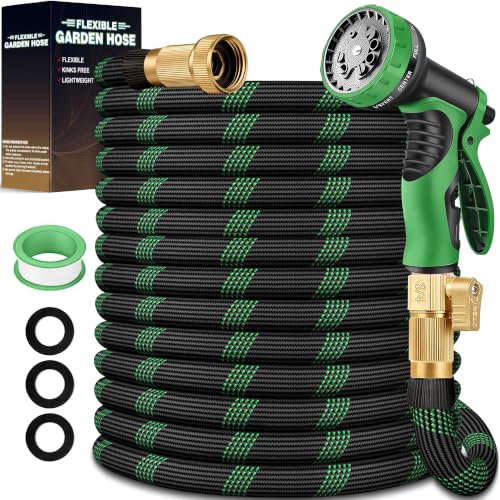


Who Should Buy a 3/4 Inch Garden Hose?
Homeowners With Large Yards and Long Runs
You will notice the extra flow most on long runs across a big yard. Water loses pressure as it travels, and a wider bore helps a sprinkler or nozzle at the far end keep working well. If your beds sit far from the spigot, this size keeps sessions shorter. It also helps when you split flow to two zones, because each branch gets more volume.
Gardeners Who Water Often and Fill Large Containers
If you fill stock tanks, rain barrels, or large planters again and again, faster filling saves real time each week. Deep watering for trees and shrubs also goes quicker, so you are more likely to water fully. For raised beds spread across a garden, the extra volume supports soaker lines that need steady supply along their full length.
Owners Who Need Strong Supply for Outdoor Equipment
Some tools need generous water supply to work as designed. A wide hose can feed a pressure washer without starving its pump, and it suits washdown jobs for patios and siding. If strong supply matters, see our guide to the best garden hose for pressure washer use before you match a hose to a machine.
Main Types to Compare
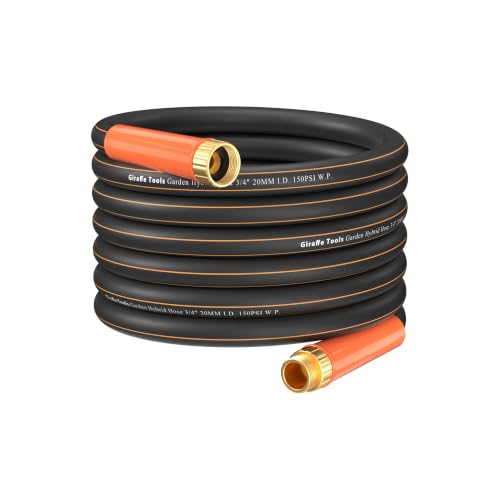
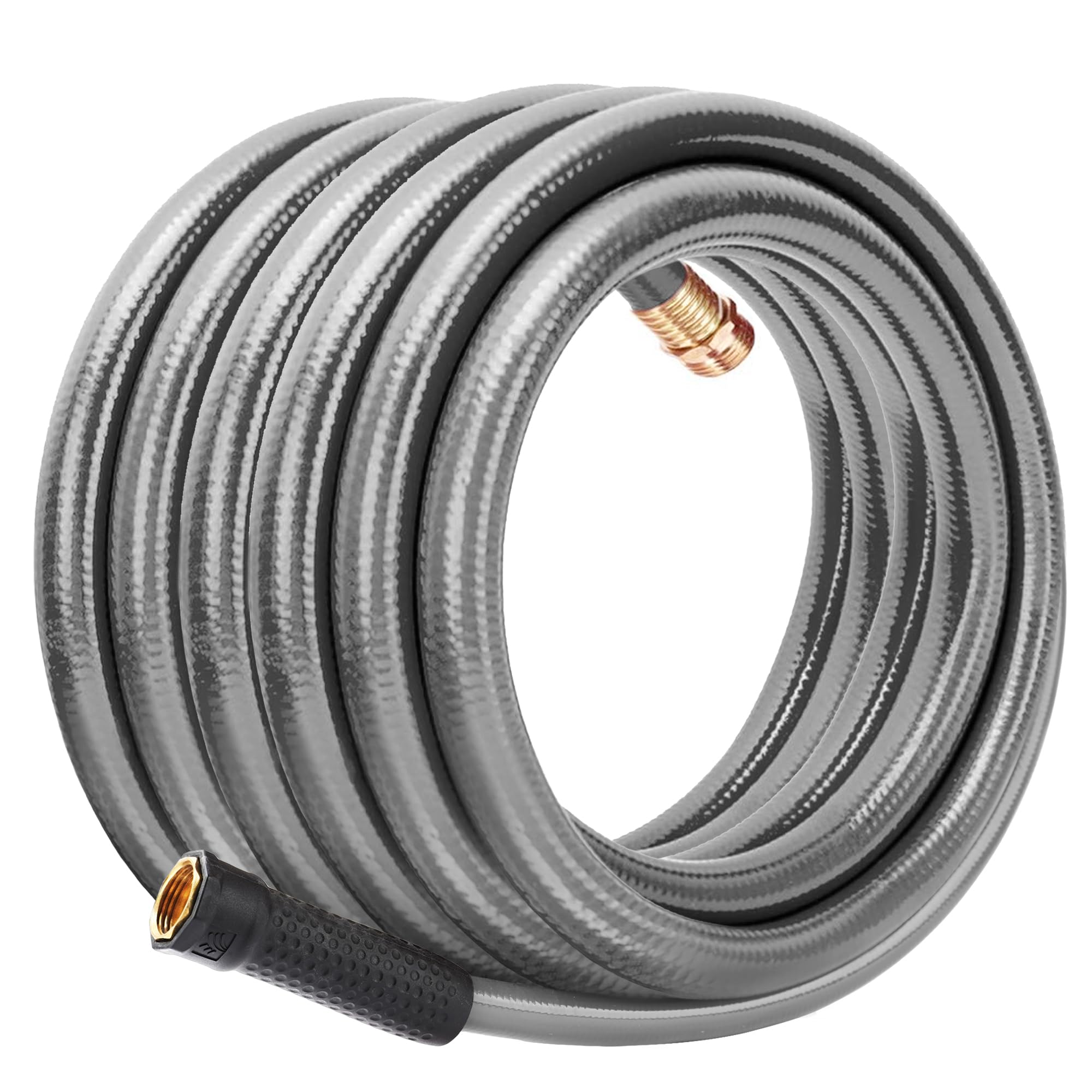
Rubber hoses are durable and stay flexible in cold weather, but they are heavy and cost more. Vinyl hoses cost less and weigh less, yet they stiffen in cold air and kink more easily. Hybrid polymer hoses sit between the two, offering moderate weight with good flexibility and a lower price than full rubber.
Expandable hoses shrink when empty and stretch when filled, so they store in a small space and feel light. Their inner tube and fabric cover tend to wear faster than rubber, and flow can dip if home pressure is low. If weight is your main concern, see our guide to the best lightweight garden hose before choosing this style.
Polyurethane hoses are light, strong for their weight, and often sold as drinking water safe, which suits RV use. Metal hoses use a steel outer shell that resists punctures, but the inner tube still decides flow and life span. Flat and coiled hoses save space, though coiled styles pull back as you walk and suit short reaches best.
How to Judge Options Without Guessing
Judge every hose on five points: build materials and weather resistance, size and capacity, assembly quality at the fittings, durability on your ground, and warranty terms. Maker spec sheets and verified buyer reports about kinking and leaking tell you more than marketing claims. A modest hose that scores well on all five will serve you better than a premium hose that fails on the point your yard stresses most.
How to Choose the Right Garden Hose
Size and Form Factor
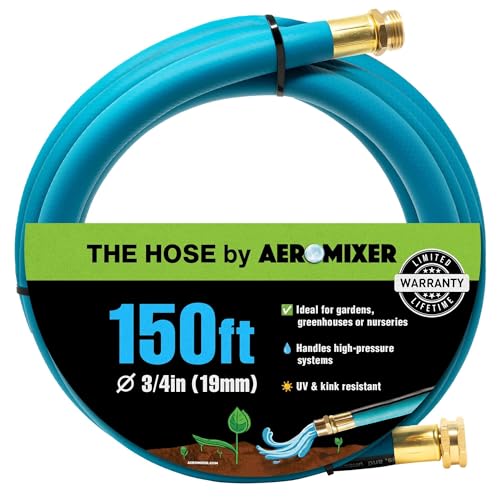
Inside diameter decides how much water can pass, and 3/4 inch is the largest common size for home use. Lengths run from about 25 ft to about 100 ft or more, and each added section adds weight and pressure loss. Choose the shortest length that reaches your farthest bed with a little slack, since a far too long hose spends its life in a heavy coil.
Type and Everyday Handling
Think about how you move and store the hose each week. A heavy rubber hose on a reel suits a fixed station, while an expandable or polyurethane hose suits carrying to many spots. Kink behavior matters too, because a hose that folds at every turn wastes the flow advantage you paid for. Pick a material that coils without fighting you.
Features Worth Paying For
Solid brass fittings are worth paying for because they resist crushing and cross threading better than thin metal or plastic. A good nozzle with several spray patterns covers watering, rinsing, and gentle showering for seedlings with one tool. A sturdy reel keeps long lengths tidy. Skip extras you will not use, such as decorative pots or bundled spray guns that feel flimsy.
Weather Resistant Materials
Sun, heat, and freezing air age a hose faster than normal watering does. Rubber and polyurethane handle cold snaps with less cracking, while low grade vinyl can split after a hard freeze if water stays inside. Covers that resist sun damage matter if your hose lives outdoors all season. In hot climates, a light colored hose also keeps the first burst of water cooler for tender plants.
Size for Your Space
Measure from your spigot to the farthest point you water, then add about 10 ft for turns and slack. Small yards often need only 25 ft to 50 ft, while deep lots may need 75 ft to 100 ft. For long runs, see our guide to the best 100 ft garden hose. Remember that two shorter hoses joined together let you use one section for daily jobs and add the second only when you need full reach.
Assembly and Anchoring
Assembly is simple: thread the female coupling onto the spigot by hand, add a washer if one is included, and tighten until snug without tools. Run water through before attaching a nozzle, which flushes out dust from storage. Anchor a reel so pulling the hose does not tip it over. On slopes, route the hose along a fence line so it does not slide into beds when full.
How Much Should You Spend?
Basic vinyl hoses often cost under $50 and suit light use in mild weather. Mid range hybrid and polyurethane options, about $50 to $100, usually bring better fittings and fewer kinks. Premium rubber hoses can cost over $100, and the extra money buys cold weather flexibility and longer life. Spend more if the hose stays outdoors year round, and less if it lives in a garage.
Is a 3/4 Inch Garden Hose the Right Size for You?
Pick this size when flow is your limit: sprinklers that underperform, long runs that lose pressure, or filling jobs that take too long. A 5/8 inch hose is lighter, cheaper, and easier to coil, and it is plenty for hand watering beds near the house. Your spigot and fittings already match, because home garden hose threads are a standard size in the United States, so a wider hose connects without adapters. For a broader size comparison, our overview of the best garden hose options explains where each diameter fits best.
Keep the tradeoffs in mind. This size holds more water, so it weighs more when full, takes longer to drain, and costs more per foot. If your home has low water pressure, a wider hose will not fix the supply problem, so check pressure at the spigot first to learn whether diameter is really your bottleneck.
Common Mistakes to Avoid
- Buying the longest hose on sale, then fighting its weight and coils on every short watering job.
- Leaving a hose pressurized in full sun for days, which stresses the walls and shortens its life.
- Dragging the hose across sharp gravel or concrete edges until the outer cover wears through.
- Forcing a coupling with a wrench and crushing the washer, which causes leaks at the spigot.
- Storing a hose with water trapped inside before a freeze, which can split the tube.
- Judging flow by diameter alone while ignoring a restrictive nozzle or a partly clogged spigot filter.
How to Make Your Garden Hose Last Longer
Drain the hose after each use by walking its length and lifting sections so water runs out the open end. Store it in loose loops on a reel or wide hook, out of direct sun when you can, because tight bends stored for months can set into lasting kinks. Keep couplings off bare ground to stop grit scoring the threads.
Before cold weather arrives, disconnect the hose, drain it fully, and store it indoors in a garage or shed. Our step by step guide on how to winterize a garden hose covers the full routine. Replace worn washers at the first drip, since a small leak at the spigot wastes water and can soak siding or a foundation bed all season without you noticing.
Cleaning also extends life, because grit and algae inside can clog nozzles and soaker lines. Flush the hose each spring, and wash the outside with mild soap if mildew grows on the cover. For a deeper routine, follow our guide on how to clean a garden hose and let the hose dry fully before you coil it away.
FAQ
What is the best 3/4 inch garden hose for most homes?
For most homes, the best choice is a hybrid polymer or rubber hose in the length you measured, with solid brass fittings. That mix gives strong flow without the stiffness of cheap vinyl. Add a reel if your length runs past 50 ft. If you water daily, pay more for fittings and cover quality than for extra length you will rarely unroll.
What size garden hose do I need for a sprinkler?
A sprinkler that must cover a wide circle needs steady volume, so a 3/4 inch hose helps it reach its full pattern on long runs. On short runs under about 25 ft, a 5/8 inch hose usually feeds one sprinkler well. Running two sprinklers from one spigot favors the wider hose, because weak flow shrinks both patterns at once.
How long does a 3/4 inch garden hose last?
Life span depends more on material and storage than on diameter. Vinyl hoses often serve a few seasons, while rubber hoses stored out of the sun can serve far longer. The first failure is usually a coupling leak or a split near the spigot, where bending stress is highest. A short repair coupling can restore a hose with damage near one end, which is cheaper than replacing the full length.
Is a 3/4 inch garden hose worth it over a 5/8 inch hose?
It is worth it when you regularly notice weak flow at the end of the hose or spend long minutes filling big containers. It is not worth it for a small patio or a few beds near the spigot, where the added weight shows up on every use and the flow gain never matters. Renters may also prefer the smaller size, because it stores in less space and costs less to replace when you move.
How do you clean the inside of a garden hose?
Stretch the hose out straight on a driveway, run water through it until the flow runs clear, then hold one end up so the rest drains fully. If algae makes the water smell stale, a soak with a mild soap solution followed by a long rinse clears most buildup. Never use harsh solvents inside a hose you drink from or use for pets, and rinse until no soap taste or smell remains in the water.
What makes a garden hose brand reliable?
Reliability shows up in clear warranty terms, spare washers and couplings that are easy to find, and spec sheets that state pressure and materials plainly. Brands that sell the same models for many years tend to support them with parts. Check recent buyer reports for patterns, such as repeated leaks at one joint, rather than single complaints.
Final Thoughts
Start with your longest reach and your most demanding job, then pick the material and fittings that fit how you store a hose. The product table above pulls the main types together for a side by side look. When flow, length, and handling line up, the best 3/4 inch garden hose turns slow watering jobs into quick ones and keeps doing so season after season.