Best 30 Inch Refrigerators (2026): Types Compared and Buying Guide
Disclosure: We may earn a commission when you buy through links on this page, at no extra cost to you. As an Amazon Associate I earn from qualifying purchases. Learn more

A practical guide to the best 30 inch refrigerator: top freezer, bottom freezer, and french door layouts, plus fit, volume, and features.
Your old refrigerator has stopped cooling evenly, but the kitchen opening will not stretch to fit a wider unit. That is the exact problem this width solves. The best 30 inch refrigerator for your home depends on three things: the space you actually have, how many people shop and cook each week, and what you can spend once delivery and setup are counted.
This guide walks through layouts, storage volume, features, and ownership costs in that order. Use the comparison table below to line up the main layouts, then read on for the measurements that decide whether a model suits daily life in your home.




Quick Answer: Three Layouts Worth Considering
Most shoppers in this width choose among three layouts. A top freezer model costs the least and wastes little space on dispensers. A bottom freezer model puts fresh food at eye level and suits people who cook often. A french door model gives wide shelves for trays but needs swing room on both sides. If your opening can take a wider unit, start with our guide to the best refrigerator options first.
Before You Buy: A Quick Checklist for Choosing a Refrigerator
Work through the points below before you look at finishes or extras. Fit and layout rule out more models than any feature list will.
Size: Match It to Your Space
Width is only the first number. A 30 inch model still varies a lot in height, depth, and volume, with many full height versions holding about 18 to 22 cubic feet. Counter depth versions trade some volume for a cabinet that sits nearly flush with your counters, which matters in a galley kitchen where an open door can block the walkway. Shoppers comparing a best counter depth refrigerator against a standard box should weigh that lost volume against the floor space gained. Apartment size and 24 or 28 inch models hold less, while 33 and 36 inch models will not fit your opening.
Which Type Fits Your Routine
Think about what you open most often. Households that live on fresh produce and leftovers usually prefer fresh food at eye level, which points to a bottom freezer or a best french door refrigerator layout. Households that freeze meals in bulk often prefer a best side by side refrigerator layout, since frozen food sits up high and stays visible. Top freezer models remain the simple, low cost choice for rentals and second refrigerators. Four door and column designs rarely make sense at 30 inches.
Features Worth It, and Ones to Skip
An ice maker earns its space if you fill glasses and coolers every day, but it also takes freezer room and needs a water line. Through the door water and ice add daily convenience for families, yet they raise the price and add a filter to replace. A dual ice maker suits heavy entertainers and few other households. Flex zone drawers with their own temperature setting help if you switch often between deli storage and drinks. Door in door panels and smart screens are the easiest extras to skip, since neither keeps food colder or fresher.
Measurements and Compatibility With Your Setup
Measure the opening width, height, and depth, then measure every doorway and hallway corner on the delivery path. Leave the side and top clearance the maker lists, plus room at the back for air to move around the coils. Reading a clear explanation of counter depth vs standard depth will help you judge how far doors and handles will stand past your counters. Check door swing against walls and islands, confirm the outlet position, and locate the water shutoff valve if the model has a dispenser.
Certifications That Matter
Look for an Energy Star label if lower running costs matter to you, since it marks models that use less electricity than the federal minimum requires. A safety listing from UL or ETL shows the appliance passed independent electrical safety checks. If the model filters water, look for filters certified under NSF ANSI 42 or 53 standards, which cover taste and contaminants such as lead. WaterSense certifies plumbing fixtures rather than refrigerators, so its absence is no drawback here.
Doing It Yourself Versus Professional Installation
A basic swap with an existing outlet and water line is manageable for many homeowners, since the work is mostly leveling the cabinet and connecting one line. Hire a professional when a new water line or shutoff valve is needed, or when the delivery path includes tight stairs. Professional setup usually costs about $100 to $300 on top of delivery, while a new water line can add more. Ask whether haul away of the old unit is included.
Realistic Budget Ranges
Prices shift with sales, but the tiers below reflect what your money usually buys in this width. Keep delivery and setup inside your ceiling.
- Under $500: expect a compact or apartment size unit, or a basic second refrigerator for a garage, rather than a full size family model.
- About $700 to $1,200: basic top freezer and smaller bottom freezer models with manual controls and no dispenser.
- About $1,200 to $2,000: most french door and bottom freezer models with an ice maker and better shelving.
- About $2,000 to $3,000: larger volume in this width, dual ice, flex drawers, and longer warranty cover.
- Above $3,000: built in styling and panel ready designs, which usually belong to a full kitchen remodel.
Three Types Compared: Choosing a Layout That Suits Your Household
Compare layouts by how your household shops and cooks, not by the feature list alone.
Top Freezer Layouts for Tight Budgets and Simple Needs
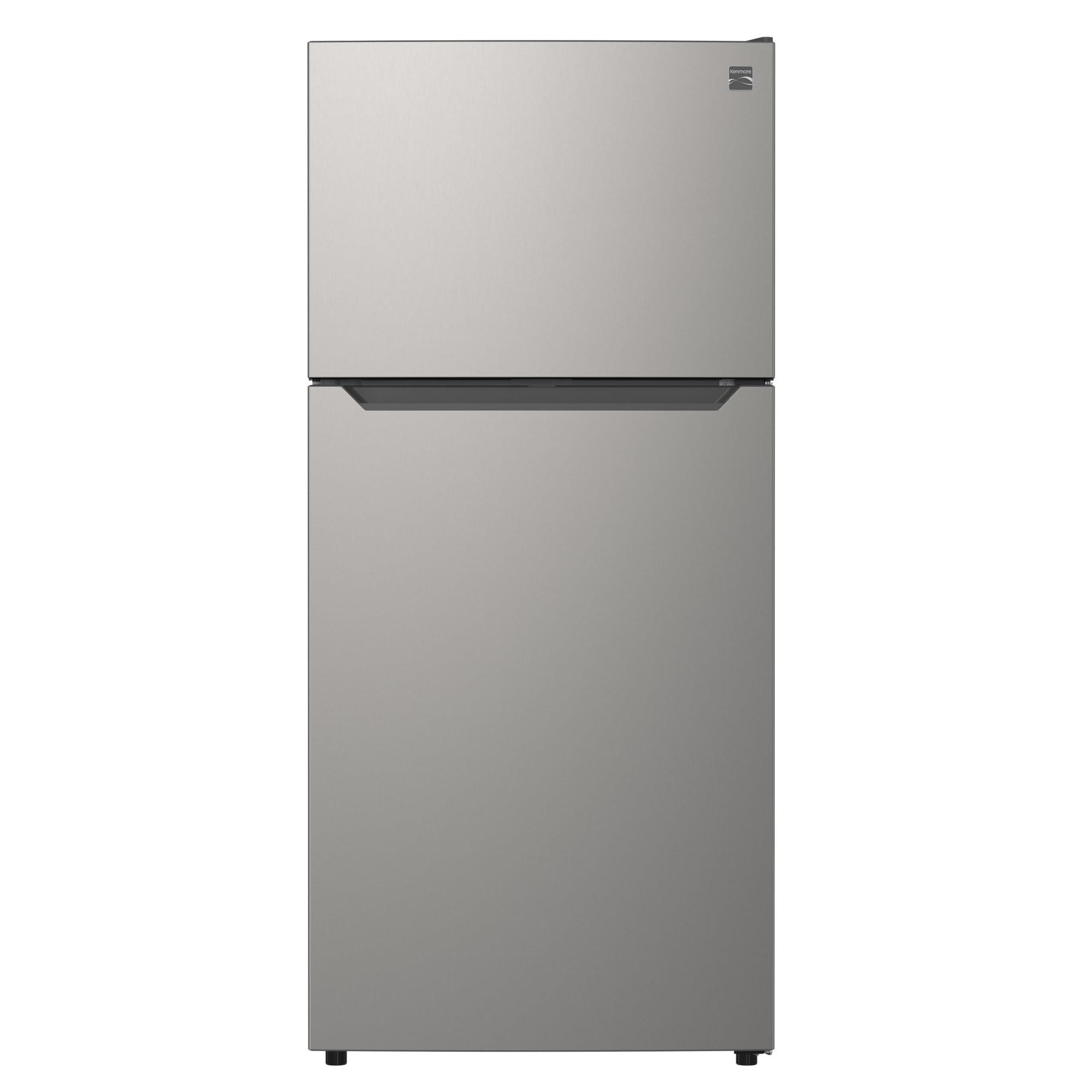
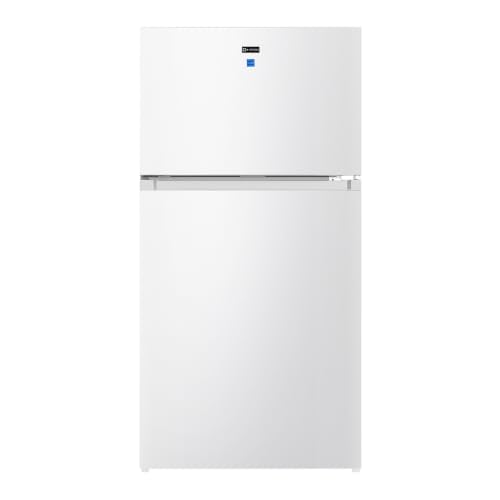
This classic layout gives you the most usable volume for the money because no dispenser takes up door or freezer space. It suits singles, couples, landlords, and anyone who wants a second unit for drinks and overflow. The trade off is bending down for everyday fresh food, since the refrigerator section sits low. Crisper drawers tend to be smaller, and wide party trays can be awkward on narrower shelves. Choose it when low price and simple upkeep matter most.
Bottom Freezer Layouts for People Who Cook Often
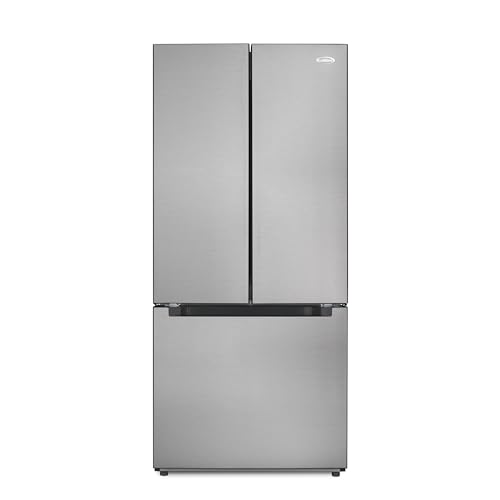
Here the fresh food section sits at eye level and the freezer becomes a deep drawer below. That suits home cooks who reach for vegetables, dairy, and leftovers many times a day and freeze ingredients less often. Drawer freezers hold bulky items well, although small packages can get buried at the bottom without baskets or dividers. Choose this layout when fresh food access drives your routine and your frozen storage is mostly large items.
French Door Layouts for Wide Shelves and Family Use
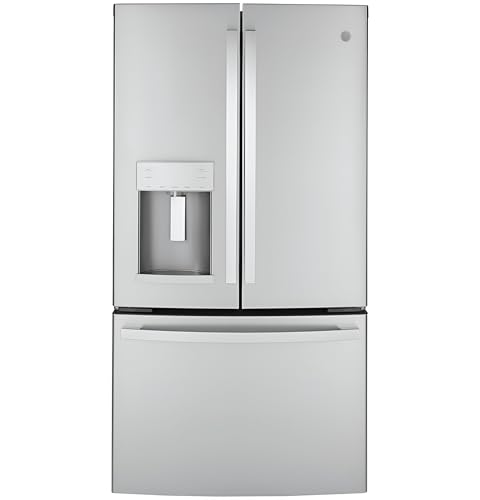
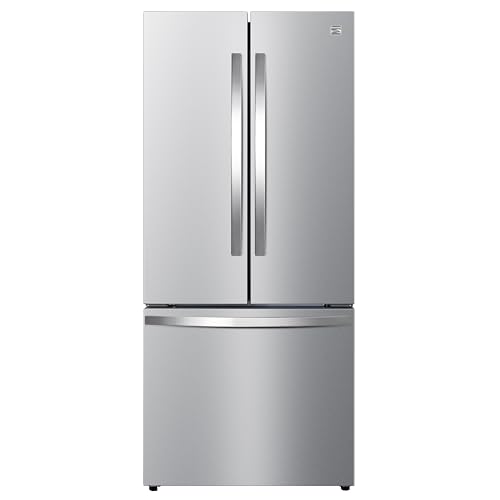
Two narrow doors open to a full width fresh food section, so sheet pans, pizza boxes, and large platters slide in without turning sideways. The narrow doors also swing into the room less than one wide door, which helps where an island sits close by. Freezer storage is a drawer, so it shares the organization limits noted above. This is often the strongest take on a best 30 inch refrigerator for families who cook and entertain, provided both doors can open fully.
How We Compare Models in This Width
Our comparison rests on installation and compatibility first, because a model that does not fit is never a good buy. Next comes build quality and finish, including door alignment, shelf strength, and how well the finish hides marks in daily use. We then weigh the features above, any certifications, and warranty cover on the sealed cooling system. The figures come from manufacturer specification sheets and patterns in verified buyer reports about noise and temperature consistency, rather than any claim of personal testing.
Is a 30 Inch Refrigerator the Right Size for You?
For one to three people who shop once or twice a week, this width usually holds enough, especially in a taller model with well arranged shelves. A family of four or five can manage if they shop more often or keep a chest freezer elsewhere. Frequent bulk shoppers and households that store large trays every week will feel the limits quickly and should look at 33 or 36 inch models if the opening allows. Where the cabinetry fixes the opening, choosing the tallest model your height clearance allows is the simplest way to gain volume.
Common Buying Mistakes to Avoid
- Measuring only the opening width and forgetting the delivery path, so the new unit cannot reach the kitchen.
- Ignoring door swing and handle depth, which leaves doors hitting an island before they open fully.
- Paying for a dispenser in a home with no water line nearby, then paying again to run one.
- Choosing the lowest price without checking replacement costs such as filters and service visits.
- Buying more volume than the household needs, which wastes floor space and electricity.
- Skipping the floor check, since an unlevel floor can keep doors from sealing properly.
Cost of Ownership and Care
Running costs depend on volume and rating, but most modern models in this width use noticeably less electricity than older units. Budget for a water filter about every six months if your model has a dispenser, at about $40 to $70 per filter. Wipe door seals monthly so they stay flexible, vacuum dust from the coils about twice a year, and keep the fresh food section near 37 degrees and the freezer near 0 degrees. Reading about how long does a refrigerator last will help you judge when rising repair bills mean replacement beats another service call.
Your Questions, Answered
How can you judge reliability when comparing 30 inch refrigerators?
Start with the warranty on the sealed cooling system, since cover of five years or more signals maker confidence where repairs cost the most. Then look for a wide local service network, because a good brand with no nearby technician still leaves you waiting. Simple models with fewer electronics have fewer parts that can fail. Verified buyer reports mentioning the same fault many times are a stronger warning sign than a single low rating.
How do you clean a refrigerator without damaging the shelves and seals?
Empty one section at a time and wash removable shelves and bins in warm water with a small amount of dish soap, then dry them fully before refitting. Wipe interior walls with a baking soda solution rather than scented sprays, which can leave odors that food absorbs. Never use abrasive pads on glass shelves or door seals. Clean spills the day they happen, since dried spills under crisper drawers cause most stubborn smells.
Is a 30 inch refrigerator worth it if you are replacing a larger one?
It can be, if the smaller footprint frees floor space or lets an older kitchen stay unchanged, avoiding cabinet work that could cost more than the appliance. The adjustment is mostly habit: shopping a little more often and storing bulk frozen goods elsewhere. Where downsizing disappoints is daily capacity for drinks and large trays, not temperature performance. If two adults are leaving a household, the smaller size often fits the new routine better.
How long does a refrigerator last in a typical home?
Most refrigerators in regular home use last about 10 to 15 years, with simpler top freezer models often reaching the upper end of that range. Life shortens when coils stay clogged with dust or the unit runs in a hot garage. A compressor fault late in that span usually ends the decision, because the repair can approach the price of a basic new model. Rising electricity use and uneven temperatures are earlier signs that the end is coming.
What size refrigerator do you need for a household that shops at warehouse stores?
Warehouse shopping changes the answer more than household size does, because the packages are bulky even for two people. A 30 inch model alone will rarely swallow a warehouse run without repacking food into smaller containers. The workable setups are a 30 inch kitchen unit paired with a chest freezer, or a second refrigerator in a garage for drinks and overflow. Without that extra storage, plan on smaller and more frequent trips.
Final Thoughts
Start with your measurements, pick the layout that matches what you open most often, and only then spend on extras like dual ice or a flex drawer. The product table above pulls those choices together so you can compare them at a glance. Chosen that way, a best 30 inch refrigerator gives a smaller kitchen full size food storage without a remodel.