Best 30 Inch Electric Ranges (2026): Types Compared and Buying Guide
Disclosure: We may earn a commission when you buy through links on this page, at no extra cost to you. As an Amazon Associate I earn from qualifying purchases. Learn more
A practical guide to the best 30 inch electric range: freestanding, slide in, and double oven styles, plus fit, features, and budget.
Your old range dies on a Tuesday, right before dinner, and suddenly you are measuring the gap between your cabinets with a phone flashlight in one hand. The good news is that the standard cutout in most kitchens was built for exactly one size, so finding the best 30 inch electric range for your home is mostly about matching the style, features, and price to how your household actually cooks. This guide walks you through fit, formats, and daily use, and the comparison table below sums up the main types side by side.




Quick Answer: The Three Styles Worth Your Money
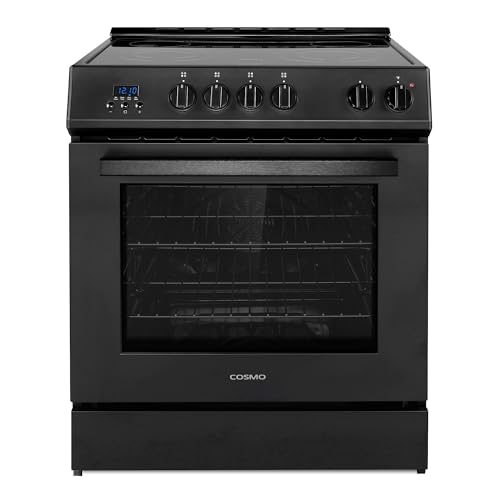
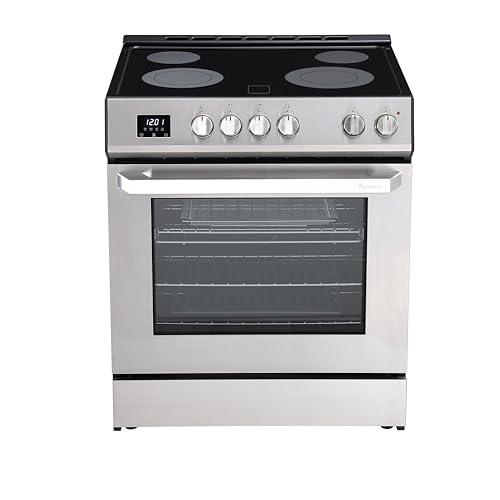
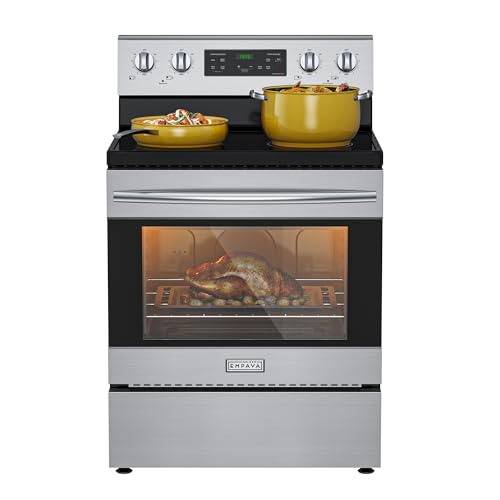
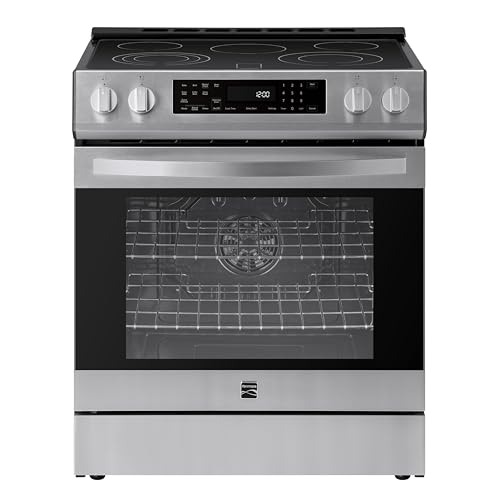
Most shoppers end up choosing between three broad styles, and each one suits a different kind of home. A freestanding model with a smooth glass top is the flexible default, since it has finished sides and can sit at the end of a counter run or between cabinets. A slide in model pushes the controls to the front and drops the backguard, which gives a cleaner line with your backsplash. A double oven model splits the cavity into two smaller ovens, which helps when a big family dinner needs two temperatures at once.
None of these styles cooks better by default. What changes is how the range fits your space, how the controls feel during daily use, and how much cleaning the design asks of you. Start with the style that matches your layout, then use the checklist below to narrow down the details. If you want the wider picture first, our guide to the best electric range covers every size in one place.
Before You Buy: A Quick Checklist for Choosing an Electric Range
Size: Match It to Your Space
Ranges come in 20 inch, 24 inch, 30 inch, and 36 inch widths, and the number in the name is the width your cabinet opening needs to be. A 30 inch model is the standard for a reason, since it balances four or five burners and a full size oven without crowding a typical kitchen. Smaller 24 inch models suit apartments and tiny kitchens, while 36 inch models add burner space most households rarely use. Before you shop, measure the opening itself rather than trusting the width of the range you are replacing, because older installs sometimes hide filler strips.
Which Type Fits Your Routine
Beyond width, you will choose a format and a cooktop surface. Freestanding ranges carry their controls on a backguard and work anywhere, while slide in ranges place controls up front and need counters on both sides to look right. On the cooktop, a smooth glass surface wipes clean fast and doubles as extra counter space when cool, while exposed coil elements cost less, tolerate heavy cast iron, and let you swap a damaged element in minutes.
Features Worth It, and Ones to Skip
Convection is the feature most cooks actually feel, since a fan moves hot air around the oven and helps trays of cookies or a sheet pan dinner brown more evenly. Air fry modes build on that same fan and work well if your household makes wings and fries often. A true double oven earns its price for families who bake and roast at the same time, and our guide to the best double oven electric range options explains the trade offs. WiFi controls, voice commands, and a warming drawer sound appealing, yet many owners use them a handful of times and then forget them, so treat those as bonuses rather than reasons to pay more.
Measurements and Compatibility With Your Setup
Width is only the first measurement. Check the depth of the opening, since most 30 inch ranges run about 25 to 28 inches deep once the handle is counted, and confirm the oven door can open fully. Height matters less because adjustable legs handle small differences, but a slide in model needs your counter height to land near the cooktop surface. Electrically, most full size electric ranges need a 240 volt circuit with a 40 or 50 amp breaker and a three prong or four prong cord, and the cord is often sold separately. Count the prongs on your outlet before delivery day, because a mismatch is the most common reason an install stalls.
Safety Listings and Certifications
Look for a UL or ETL listing on any range you consider, since that mark means an independent lab has checked the appliance against recognized safety standards for electrical and fire risk. That is the certification that matters for this product, and it is the one your local code cares about as well. Some models also carry an ENERGY STAR rating for the oven. If a listing shows no safety mark at all, skip it no matter how low the price sits, because a range pulls more power than almost anything else in your kitchen.
Doing It Yourself Versus Hiring a Pro
Swapping an electric range is one of the simpler appliance jobs, since there is no gas line involved. If the outlet, breaker, and cord type already match, many homeowners connect the new cord, push the range in, and level the legs in under an hour. Hire a pro when the circuit needs upgrading, the outlet sits in the wrong spot, or the floor is uneven. Our page on electric range installation cost breaks down what that help typically runs.
Realistic Budget Ranges
Basic coil and smooth top freestanding models start at around $500, and they cover everyday cooking without fuss. The crowded middle sits at about $700 to $1,100, where you gain convection, a fifth burner, and better finish. Spending about $1,200 to $2,000 moves you into slide in designs, double ovens, and induction cooktops. Past that point you are mostly paying for styling and smart extras.
Three Range Types Compared: Which Fits Your Home
For most homes, the freestanding smooth top is the safest all around choice. It installs anywhere, the flat surface is quick to wipe after dinner, and prices stay reasonable across every budget tier. Choose this type if you want the fewest decisions and a range that simply gets dinner done. The main trade off is the backguard, which interrupts the line of your backsplash and collects grease splatter.
A slide in smooth top suits kitchens where looks and reach matter. Front controls mean no leaning over hot burners to adjust the oven, which parents and shorter cooks appreciate daily, and the missing backguard lets a tile backsplash show through. If that layout appeals to you, our roundup of the best slide in electric range models compares the main layouts. Expect to pay more than a comparable freestanding unit, and measure carefully, because this type assumes standard counter height on both sides.
A double oven freestanding model is the pick for households that cook big. Two cavities mean a roast can sit at one temperature while a casserole finishes at another, and the smaller upper oven preheats fast for weeknight pizzas. The trade off is bending lower for the main cavity and giving up the storage drawer many kitchens rely on for sheet pans. For small households that rarely cook two dishes at once, a single large oven with convection usually serves better and costs less.
Our Selection Process for the Best 30 Inch Electric Ranges
We compare ranges on the things that decide daily satisfaction rather than on spec sheet bragging rights. Installation and compatibility come first, since a range that fights your outlet or your counter depth is a problem no feature can fix. Next we weigh build quality, oven capacity, burner layout, the features covered above, the safety listing, and the warranty. Our notes draw on manufacturer specifications and verified buyer feedback.
Is a 30 Inch Electric Range the Right Size for You?
For a household of three to five people, a 30 inch range hits the balance point. The oven usually holds a large turkey or two big casserole dishes, and four or five burners cover a normal weeknight spread without juggling. Couples and solo cooks in small apartments may be happier saving the floor space, and our guide to the best 24 inch electric range covers that smaller format. Keen bakers should know that a standard 30 inch oven fits a half sheet pan, which covers most home recipes.
Common Buying Mistakes to Avoid
- Ordering before measuring the actual opening, then finding the new range is wider than the gap once filler strips are removed.
- Forgetting to check the outlet prong count, which leaves the delivery crew unable to plug the range in.
- Choosing a slide in model for a spot at the end of a counter run, where its unfinished sides will show.
- Paying for a double oven and smart features the household never uses, while skipping the convection fan it would use weekly.
Cost of Ownership and Care
Running costs stay modest. An electric oven used an hour a day typically adds only a small amount to a monthly power bill, and smooth top models sip slightly less energy than coils because the pan sits flat on the heat. Your real long term costs are a replacement glass top if one ever cracks, new coil elements at low cost, and an occasional oven light or knob. For care, wipe the cooktop only after it cools, use the scraper and cleaner made for glass tops on burnt on spills, and run the self cleaning cycle a few times a year rather than monthly.
Your Questions, Answered
Is an electric range worth it compared with gas?
For many homes, yes. Electric models cost less to buy, need no gas line, and the flat top is easier to keep clean, while indoor air stays free of combustion byproducts. Gas still wins fans for instant flame control, and our full comparison of gas vs electric range performance walks through both sides. If your kitchen already has a working 240 volt outlet and no gas hookup, electric is almost always the cheaper install.
How long does a 30 inch electric range usually last?
Most electric ranges serve about 13 to 15 years with normal care. The parts that fail first are usually small and replaceable, such as a coil element, a bake element, or a control knob, and swapping one often buys several more years of use. A cracked glass top or a dead control board is the point where repair costs start to rival replacement, so weigh the age of the range before paying for a major part.
What size electric range do I need for a family of five?
A 30 inch model with about five cubic feet of oven space handles a family of five comfortably, including holiday birds and double batches of baking. What matters more than width is the internal oven height and whether the racks adjust enough for tall pots. If two dishes at different temperatures is a weekly event, a double oven layout in the same footprint solves it without extra floor space.
Can a slide in range replace a freestanding range in the same opening?
Usually yes, because both styles are built for the same 30 inch opening. The watch points are the back wall and the counters. A slide in model has no backguard, so the wall behind it should be finished and heat safe down to the cooktop, and the counters on both sides should sit close to standard height so the cooktop edges rest neatly. Check the depth too, since a slide in front sits proud of the cabinets by design.
Does a smooth top cooktop scratch easily?
The glass ceramic surface is tougher than it looks, but it is not scratch proof. Dragging a rough cast iron pan across it is the main cause of marks, so lift pans instead of sliding them. Sugary spills are the other real threat, because melted sugar can pit the surface as it cools, so wipe those up once the top is safe to touch.
The Bottom Line
The right choice comes down to fit first and features second. A freestanding smooth top covers most homes, a slide in design upgrades the look and the reach, and a double oven serves households that truly cook two dishes at once. The product table above pulls the key specs together for a quick comparison. Measure your opening, check your outlet, and the best 30 inch electric range for your kitchen will be the one that matches both your space and your weekly routine.