Best 30 Inch Deep Refrigerators for 2026: Everything to Know Before Your First Purchase
Disclosure: We may earn a commission when you buy through links on this page, at no extra cost to you. As an Amazon Associate I earn from qualifying purchases. Learn more
Shopping for the best 30 inch deep refrigerators for the first time? Learn the terms, compare options, and avoid rookie mistakes with this easy guide.
Buying your first refrigerator can feel confusing because one number, the depth, changes how the whole kitchen works. The best 30 inch deep refrigerators sit closer to your counters than standard models, so walkways stay open and doors stop jutting into the room. This guide starts with the plain basics, then walks through sizes, styles, and settings. Use the comparison table below to see how the main types differ once the terms make sense.
You do not need appliance jargon before you start. By the end, you will know how to measure your space, how much capacity your household really uses, and which features deserve your money.



30 Inch Deep Refrigerators 101: The Basics for New Buyers
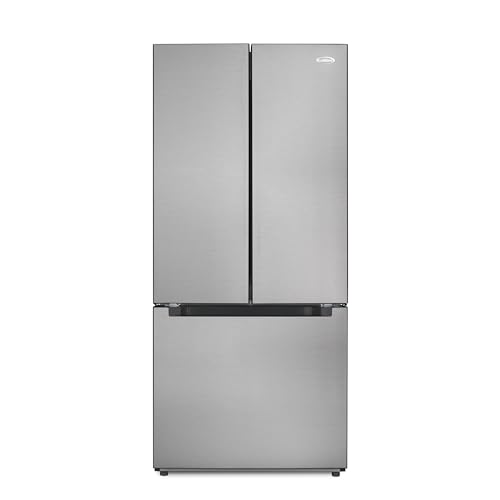
A 30 inch deep refrigerator is measured from the back panel to the front of the doors, and most models land between about 28 and 31 inches deep once handles are counted. Standard depth fridges often reach 34 to 36 inches, so the shallower box lines up far better with counters that are about 24 to 25 inches deep. Brands also call many of these counter depth models.
Inside, the cooling job is simple: a compressor and fans move cold air through both sections, and the thermostat cycles the system to hold your set temperatures. Because the cabinet is shallower, check wide items like party trays against the interior width before you buy.
Who Should Buy a 30 Inch Deep Refrigerator?
The depth only pays off when it solves a real layout or storage problem at home.
Cooks in Narrow Kitchens With Tight Walkways
If your current fridge blocks a drawer or forces people to squeeze past an open door, a shallower model gives that space back. Doors swing through a smaller arc, and carrying hot pans gets easier. A kitchen with under about 40 inches of walkway between facing counters benefits most from every inch of depth you remove.
First Time Buyers Replacing an Older Fridge
Many older kitchens were built around smaller appliances, and a modern standard depth fridge can overwhelm the opening you already have. A 30 inch deep model often slides into that footprint without cabinet work, which keeps a first purchase simple. You still get modern shelving and LED lighting.
Large Households With a Wider Opening Instead
Depth is only one dimension, and some families are better served by going wider rather than shallower. If your cutout and doorways allow a much broader cabinet, see our guide to the best 48 inch refrigerators before you commit. Households that shop in bulk feel the capacity limits of a shallow box first, so let your weekly grocery load make the call.
The Specs That Matter in a Shallow 30 Inch Fridge
Read each spec below as a question about your kitchen and your habits, not as a number to memorize.
Configuration: French Door, Side by Side, Top Freezer, and Bottom Freezer Styles
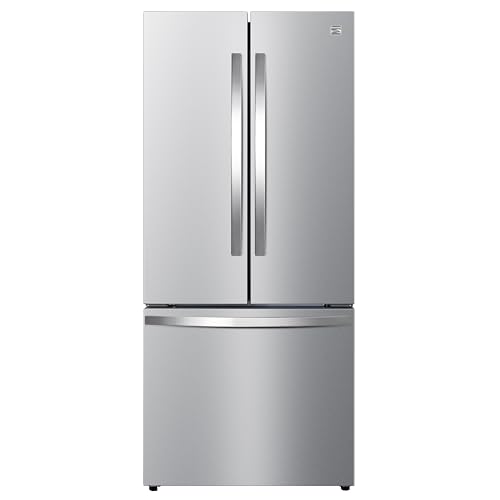
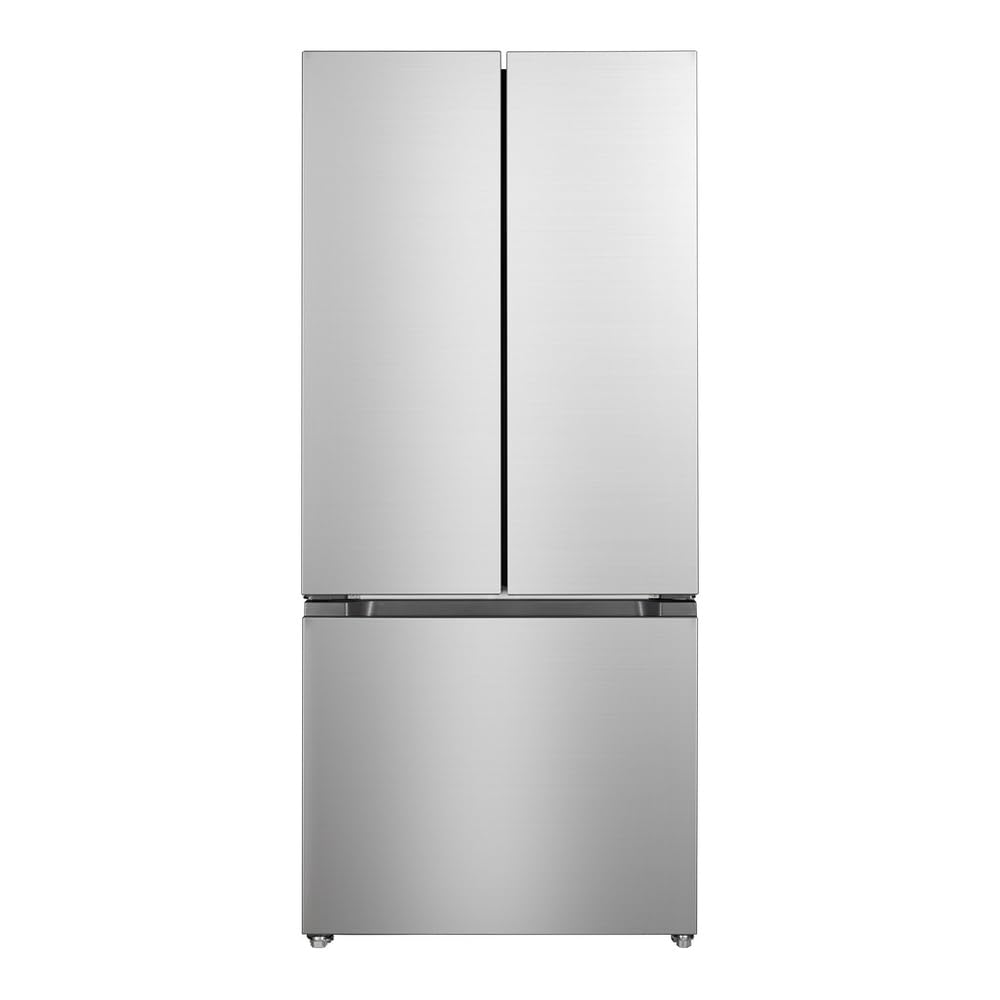
Configuration decides where food sits and how much door swing you need. French door models put fresh food at eye level and open with two narrow doors, which suits tight walkways, but they cost the most. Side by side models give tall, narrow frozen storage, yet wide trays can struggle. Top freezer models are the simplest and cheapest to run, while bottom freezer drawers ask you to bend down.
Capacity and Household Size for a Shallower Cabinet
Capacity is listed in cubic feet, and a common planning rule is about 4 to 6 cubic feet per person. A couple often lands near 12 to 16 cubic feet, while a family of four usually wants about 18 to 22 cubic feet. Counter depth cabinets give up some room at the same width, so layout matters as much as the headline number. Bins that fit gallon jugs make a smaller rating feel bigger.
Measuring a 30 Inch Deep Cabinet and Its Door Swing
Measure the opening width, height, and depth, then measure every doorway and turn on the delivery path, because the trip inside causes many failed installs. Leave about an inch behind the fridge for air flow and the water line, and check that doors open past 90 degrees so bins slide out fully. Our guide to the best 30 inch ranges helps you line up matching widths on the same wall. Record three depth figures: box only, with doors, and with handles.
Temperature Control and Cooling Zones Inside the Fridge
Separate controls for the fridge and freezer hold steadier temperatures than a single dial guessing for both sections. Some models use two evaporators, one per section, which keeps freezer air from drying out produce and stops odors crossing over. A convertible drawer that shifts between settings adds flexible space for party food. Look for a humidity controlled crisper too, since leafy greens last longer when moisture stays put.
Reliability and Warranty Coverage That Actually Matters
Simple models with fewer moving parts, such as a basic ice maker instead of a through door dispenser, tend to need fewer repairs. Read the warranty in two parts: general coverage often runs about a year, while the sealed cooling system and compressor may carry five to ten years of parts protection. Labor is rarely covered as long as the parts, so ask what a service visit costs locally.
Rookie Mistakes to Avoid When Buying Your First Fridge
Most first purchase regrets come from measuring or planning errors, not from the brand on the door.
- Measuring only the kitchen opening and forgetting the front door and hallway turns means the fridge may never reach the kitchen at all.
- Trusting the headline depth without checking whether handles were included leaves the doors sticking out farther than you planned.
- Buying the largest capacity without counting your household size leads to paying to cool air you never fill.
- Skipping the water line check for an ice maker means the feature you paid for cannot run until a plumber visits.
- Pushing the fridge tight against the wall with no air gap makes the compressor work harder and can shorten its life.
Getting Started: Setup and First Use of Your New Refrigerator
Once delivery is done, let the fridge stand upright for a few hours if it traveled on its side, so the compressor oil settles back where it belongs. Slide it into place with the maker recommended gaps at the back and sides, and level it with the front feet slightly higher so the doors close on their own.
Set the fridge to 37°F and the freezer to 0°F, then wait a full day before judging temperatures, because a warm cabinet needs time to pull down. Load food after that first cooling period, and keep items clear of the back wall vents.
Care and Maintenance for a 30 Inch Deep Refrigerator
Basic upkeep is light but steady. Vacuum the condenser coils twice a year if your model exposes them, because dust traps heat and raises energy use. Clean the door gaskets with warm soapy water, and check that a dollar bill held in the closed door resists a gentle pull, which shows the seal still grips.
Replace the water filter on the maker schedule, usually about every six months, and level the cabinet again if the doors sit unevenly. Wipe spills promptly so sugars and acids do not stain bins or eat into shelf edges. Kept on that simple schedule, the best 30 inch deep refrigerators hold steady temperatures without working hard, and small problems get caught while they are still cheap to fix.
Frequently Asked Questions About 30 Inch Deep Refrigerators
Can a 30 inch deep refrigerator be placed in a garage?
Yes, a 30 inch deep refrigerator can go in a garage if the model is rated garage ready for your climate. Standard models may cool poorly when the garage nears freezing, because the thermostat reads the cold room and cycles too little, so check the rated ambient range first. If the garage also stores your mower, our guide to the best 30 inch mowers helps you plan shared floor space.
What size 30 inch deep refrigerator does a family of four need?
A family of four usually does well with about 18 to 22 cubic feet in a 30 inch deep refrigerator. That range assumes a normal weekly shop plus leftovers and a modest frozen stock. Count the freezer share separately, since bins and the ice maker take a real cut of the rated space. Families who buy meat in bulk often do better adding a small second freezer.
How long should a 30 inch deep refrigerator last?
A 30 inch deep refrigerator should last about 10 to 15 years with normal home use. The compressor and sealed system usually set that limit, while fans and ice makers may need one repair along the way. Watch for warning signs such as frost building in the freezer or food freezing at the back of the fresh section. Replacing a failing gasket early is cheap insurance.
How much electricity does a 30 inch deep refrigerator use?
A 30 inch deep refrigerator typically uses about 400 to 700 kilowatt hours per year, depending on size and features. The yellow EnergyGuide label on each model gives its own estimate, so compare that number rather than guessing from capacity alone. ENERGY STAR certified models sit at the efficient end of the range. A fridge kept in a hot garage will always run more than the label suggests.
Are counter depth refrigerators worth it for a first time buyer?
Counter depth refrigerators are worth it for a first time buyer when walkway space or a flush look matters more than maximum storage. You pay more per cubic foot than standard depth models, so the value comes from how the kitchen functions daily. Buyers who expect to move within a few years should weigh that premium carefully, because a simpler model may return more of the money.
Final Thoughts on Choosing Your First 30 Inch Deep Refrigerator
Start with the tape measure, then match capacity to your household, and only then compare styles and features. Those three steps filter out most wrong choices before price even enters the picture. When you are ready, look back at the product table above and check each candidate against your written measurements. Chosen with care, the best 30 inch deep refrigerators give a first time buyer a kitchen that feels roomier and food storage that simply works.