Best 30 Inch Cooktops 2026: A Complete Buying Guide
Disclosure: We may earn a commission when you buy through links on this page, at no extra cost to you. As an Amazon Associate I earn from qualifying purchases. Learn more

How to choose best 30 inch cooktops: compare the main types and key features, match size and performance to your space, and set a budget before you order.
Choosing the best 30 inch cooktops starts with your kitchen, not with a feature list, because fuel type, cutout size, and ventilation shape every other decision. The product table below gathers the main options, and this guide turns those options into a clear, practical choice.
A 30 inch cooktop is the standard width for many kitchens, fitting a common cabinet opening while leaving room for four cooking zones. This guide compares gas, electric, and induction, explains the measurements that matter, and flags the installation questions to settle before delivery day.





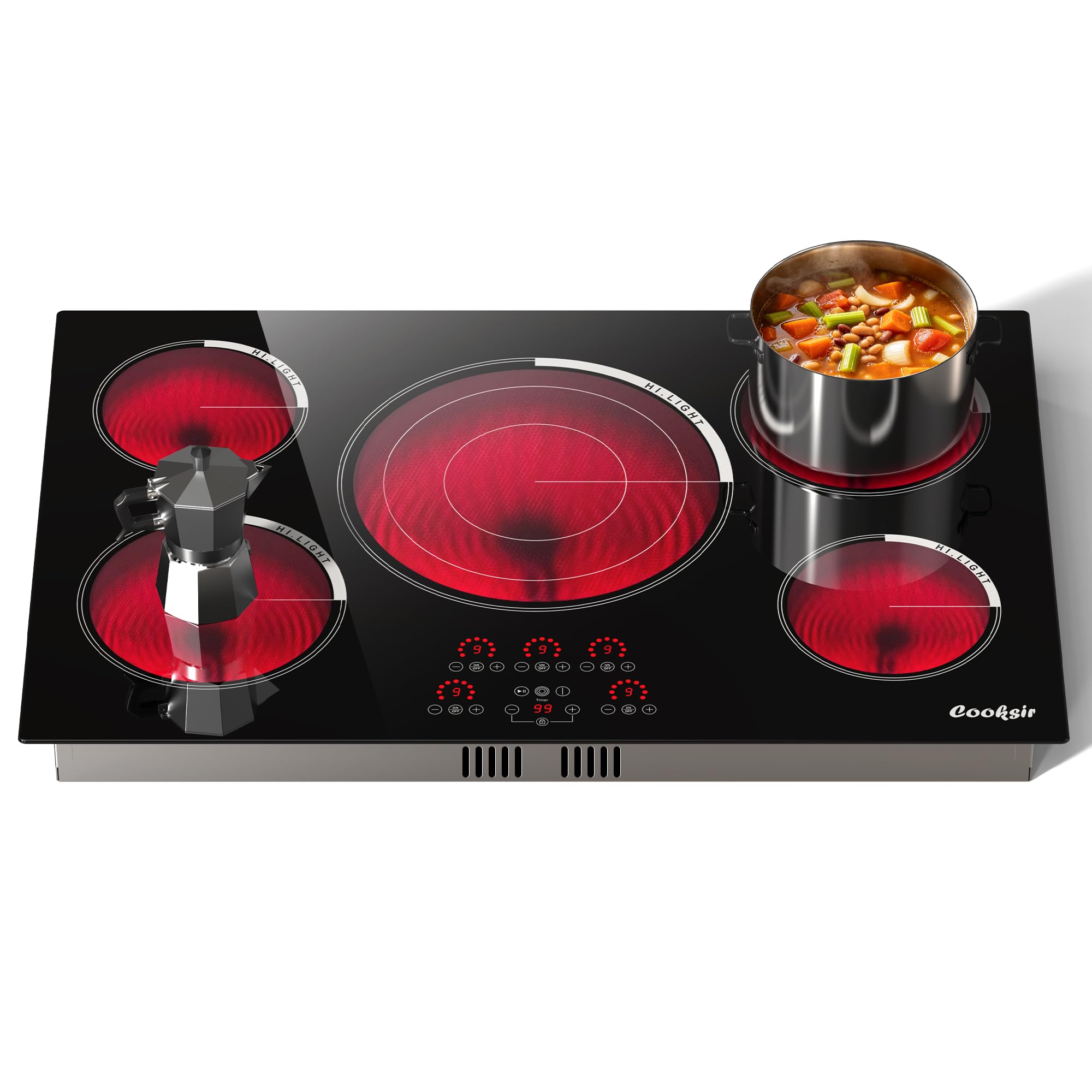
The Basics
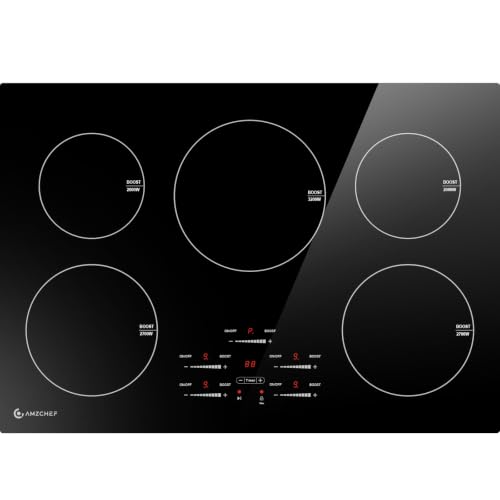
A cooktop is the flat cooking surface that sits in a countertop cutout, with burners or heating zones arranged across its width. A 30 inch model usually offers four zones, which suits most households, while wider models add a fifth zone or a griddle space that smaller kitchens may not need.
Fuel type is the biggest decision, because gas needs a gas supply, induction needs compatible pans and a suitable electrical circuit, and smooth electric sits between them on cost and simplicity. Your home services, your pans, and your cooking style together narrow the field faster than any brand comparison.
Types Compared
There is no single type that suits every home, so start by matching the type to the job you actually need done. Each fuel type cooks differently, and the differences show up every day in speed, control, and cleaning.
Gas Cooktops
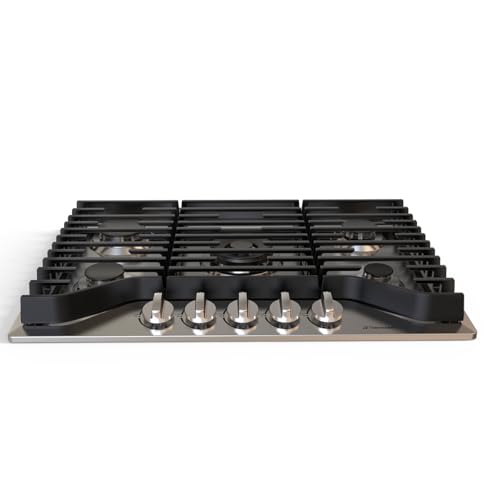
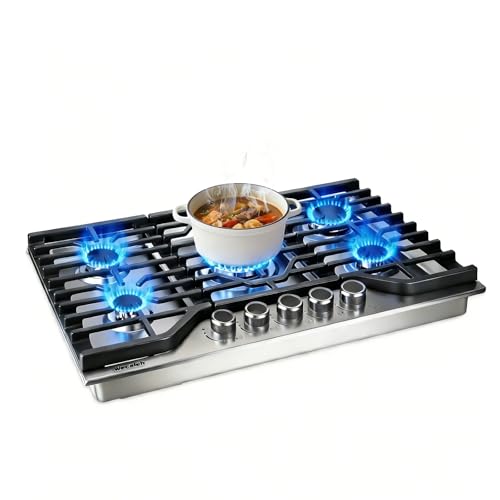
Gas gives instant visible flame control and works with almost any pan, which many cooks love for stir frying and simmering. It needs a gas connection and good ventilation, and cleaning around grates takes more effort than wiping a flat glass surface.
Smooth Electric Cooktops
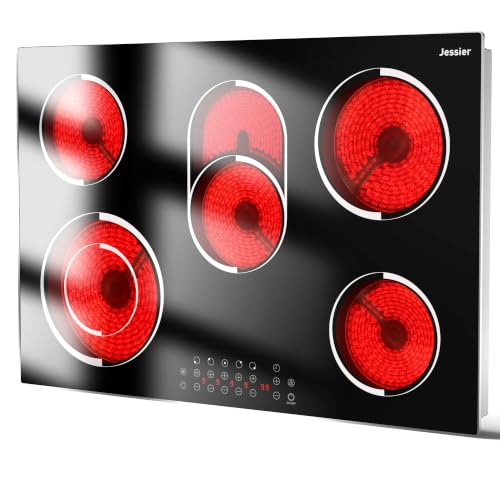
Smooth electric cooktops use radiant elements under a glass surface, giving a clean look and simple wipe down cleaning. They heat a little slower than gas or induction and need flat bottomed pans for even contact, but they suit homes without a gas supply.
Induction Cooktops
Induction heats the pan directly with a magnetic field, so it boils water fast, responds quickly, and leaves the surface cooler to the touch. It needs magnetic pans, which you can test with a fridge magnet, and it usually needs a dedicated electrical circuit installed by a qualified electrician.
Key Features to Compare
Once you know the type, the features below decide how happy you will be after the first month. Beyond fuel, these features decide how pleasant the cooktop is to live with.
Burner Layout and Power
Look at the mix of large and small zones, and check whether the layout fits your biggest pans without crowding. A powerful zone helps for boiling and searing, while a small simmer zone protects sauces and chocolate from scorching.
Controls
Front controls keep knobs away from hot pans, while touch controls give a flat, easy to clean surface. Try to picture using the controls with wet hands or oven mitts, because awkward controls annoy you every single day.
Safety Features
Flame failure devices on gas models, hot surface indicators on electric models, and pan detection on induction models all reduce everyday risk. If children use the kitchen, lockable controls and clear hot indicators are worth prioritising over minor style differences.
Cleaning and Durability
Glass surfaces wipe clean but can scratch if you drag rough pans, while gas grates need soaking and scrubbing. Check whether grates fit in a sink, whether the glass has a raised edge to contain spills, and how easy it is to reach every corner.
Size, Fit, and Compatibility
Measure the cutout width, depth, and the clearance above the cooktop, and compare them with the installation guide, not just the headline width. A 30 inch cooktop still varies slightly in actual size, so confirm the cutout range, the countertop thickness, and the ventilation hood width before you order. Also check the electrical or gas requirements early, because a new circuit or gas line can add cost and delay.
Mistakes to Avoid
The most common mistake is ordering by width alone without checking the cutout and clearance, which can force a costly countertop change. Another mistake is buying induction without checking your pans, which can mean replacing a whole pan set. Finally, do not forget ventilation, because a powerful cooktop without a suitable hood fills the kitchen with steam and cooking smells.
Who Should Buy a 30 Inch Cooktop
A 30 inch cooktop suits most apartments and family kitchens where four zones cover daily cooking. It is a weaker choice for large households that regularly use five pans at once, or for cooks who want a built in griddle as a permanent fixture. If you entertain often, consider whether a separate portable burner for big occasions is cheaper than jumping to a wider model.
Budget and Long Term Value
Prices range from about $300 to $2,000, with gas and smooth electric models often costing less upfront than induction. Induction can cost more at purchase but may save time and energy over years of use, so judge value over the life of the appliance rather than the delivery price alone. Installation, ventilation, and any electrical work belong in the same budget.
Setup and Everyday Care
Wipe spills promptly, use the cleaner recommended for your surface, and avoid sliding cast iron across glass, which can scratch it. For gas, lift grates and clean burner caps regularly so flames stay even, and for induction, keep the surface free of grit under pans. Have gas and electrical connections checked by a qualified professional if you notice uneven flames, tripping circuits, or unusual smells.
Related Guides Worth Reading
To compare fuel types side by side, read our guides to the best gas cooktops 30 inch, best 30 inch electric cooktops, and best induction cooktops 30 inch. They explain the practical differences in heat control, cleaning, and running costs.
Frequently Asked Questions
Will a 30 inch cooktop fit my existing cutout?
Often yes, but not always, because actual cutout ranges vary by model even when the headline width is the same. Measure your opening carefully and compare it with the installation guide for the exact model. If your cutout is close to the edge of the range, ask the retailer or installer to confirm before delivery.
Is induction better than gas for everyday cooking?
Induction is faster and easier to clean, while gas offers visible flame control and works with any pan. Neither is better for everyone, so choose by your pans, your home services, and your cooking habits. If you love wok cooking, check that your wok works on the induction surface first.
Do I need a new electrical circuit for induction?
Most induction cooktops need a dedicated circuit, and the exact requirement depends on the model and your home wiring. A qualified electrician should check your panel and run any new circuit before installation day. Never guess at electrical work, because an undersized circuit can trip repeatedly or overheat.
Can I use my old pans on an induction cooktop?
Only magnetic pans work on induction, and you can test them with a fridge magnet that sticks firmly to the base. Cast iron and many stainless steel pans pass, while aluminium, copper, and some nonstick pans fail unless they have a magnetic base. Budget for new pans if most of yours fail the magnet test.
How do I clean a smooth glass cooktop?
Wait until the surface cools, wipe loose food with a soft cloth, then use a cleaner made for glass cooktops and a non scratch pad. Avoid abrasive powders and dragging rough pan bases across the glass. For burnt on spills, follow the maker guide, and never use a metal scraper unless the guide allows it.
Final Thoughts
A good cooktop disappears into your routine, heating evenly, cleaning easily, and fitting your kitchen without fuss.
Measure carefully, check your pans, confirm installation, and choose the best 30 inch cooktops for your fuel, your space, and your cooking style.