Best 3 Inch Monitor Speakers for Every Need: How to Choose the Right One for 2026
Disclosure: We may earn a commission when you buy through links on this page, at no extra cost to you. As an Amazon Associate I earn from qualifying purchases. Learn more

Learn how to choose the best 3 inch monitor speakers for a small desk, with plain guidance on sound balance, inputs, placement, controls, and budget tiers.
There is no single pair of small speakers that suits every desk, every room, and every listener. The best 3 inch monitor speakers for you depend on how close you sit, what you play through them, and how much desk space you can honestly spare. A pair that flatters a podcast voice at arm length may feel thin across a room, and that is a placement fact, not a flaw.
This guide sorts buyers by use case first, then walks through sound, inputs, and placement in plain language. Use the product table below to narrow your shortlist, and use the sections that follow to check that a compact pair will still satisfy you once the novelty fades.


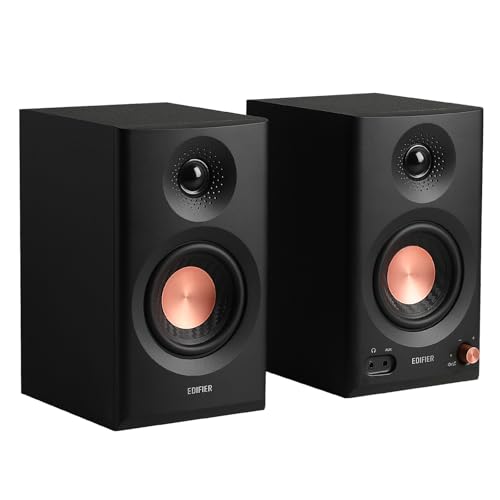
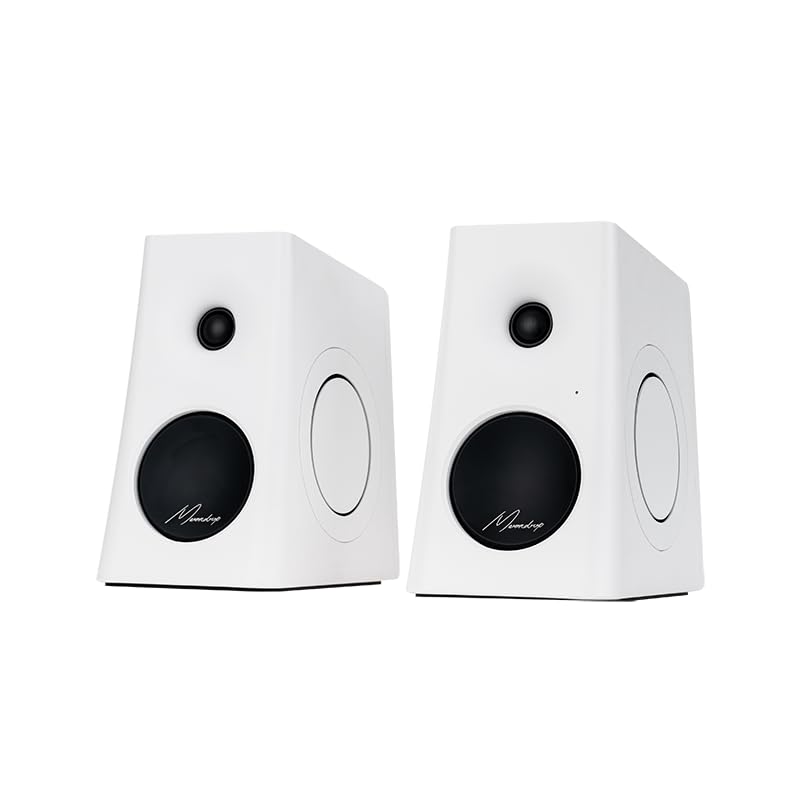

Who Should Buy Which 3 Inch Monitor Speakers?
Start with your main job for the speakers, not with a watt number on a box. Small monitors reward honest expectations. They shine at close range, where detail matters more than sheer volume, and they struggle when asked to fill a big room from a shelf across the floor. Match the type below to your routine and you will already have filtered out most poor fits.
For Remote Workers and Creators
You need clear voices on calls, honest sound for editing short videos, and controls you can reach without opening an app. Prioritize a front volume knob, a headphone jack for late work, and balanced inputs if your audio interface offers them. A slightly flat tuning helps you hear problems in a recording instead of hiding them. Reliability matters too, so favor solid cabinets, firm connectors, and a warranty of at least one year from a maker with a real support page.
For Travelers and Small Desk Users
If your desk doubles as a dining table, or you move between rooms and rentals, size and weight lead the decision. Look for a compact cabinet, a single power supply rather than two wall adapters, and a simple wired input that works with any laptop. Built in Bluetooth can help in a temporary setup, though a cable gives steadier sound for editing. Avoid bulky add ons. A pair you can pack in minutes is worth more than extra features you will leave behind.
For Students and Everyday Users
Your priorities are stable daily use, fair price, and sound that stays pleasant through lectures, playlists, and films. Choose easy controls, an aux input for a phone or tablet, and enough volume for a bedroom without distortion at normal levels. You do not need studio grade inputs or exotic materials. Spend first on a clean amplifier and a sensible layout, because those shape every hour of listening far more than decorative trim or glowing logos.
Key Features to Compare
Spec sheets for small speakers mix useful numbers with filler. The four areas below decide how a pair actually sounds at your desk. Read each one against your room and your habits, and treat any single headline figure with suspicion until the rest of the picture agrees with it.
Driver Size and What 3 Inches Can Do
A 3 inch woofer moves a modest amount of air, so it can deliver clear mids and tidy upper bass at close range, but it cannot produce deep bass you feel in your chest. That trade is fine for voices, acoustic music, and most video work at a desk. Check whether a small tweeter handles the highs, because a single full range driver often sounds dull on cymbals and speech consonants. Also note the cabinet design. A rear port can add warmth, yet it needs a few inches of space behind the speaker to breathe.
Sound Balance and Tuning
Monitor style speakers aim for a fairly honest balance, meaning bass, mids, and treble stay in proportion instead of one range shouting over the rest. That honesty helps creators, but everyday listeners may prefer a touch of extra warmth. Look for simple tone controls or a bass trim switch, since small adjustments can tame a desk that reflects sound strongly. Avoid models that advertise extreme bass boost as the main event. Heavy boost in a tiny cabinet usually means distortion arrives early when you turn the volume up.
Inputs and Controls
Count the sources you actually own before paying for extras. Most buyers need one wired input for a computer and perhaps Bluetooth for a phone. Creators with an audio interface should look for balanced TRS or RCA inputs that match their gear, and a front panel volume knob they will use daily. A headphone output that mutes the speakers is a small mercy in shared homes. Check where the power switch sits too. Reaching behind a speaker every morning gets old within a week.
If you plan to add a subwoofer later, a dedicated sub output is worth having, and our guide to the best 3 inch speakers explains how compact drivers behave in other small cabinets. Shoppers with more desk room can also read about the best 5 inch monitor speakers, which trade size for fuller bass.
Power, Volume, and Room Size
Watt claims are hard to compare because makers measure them in different ways, so treat power as a rough guide rather than a ranking. What matters is clean volume at your seat, usually about three feet away. In a small bedroom or office, a modest amplifier is plenty and will sound relaxed at normal levels. In a large open room, even a strong 3 inch pair will sound thin and strained. Be honest about distance. If you mostly listen from a sofa, a larger speaker or a soundbar layout will serve you better than forcing a desktop pair to shout.
Common Mistakes to Avoid When Buying 3 Inch Monitor Speakers
- Judging by price alone. The cheapest pairs often skimp on amplifier quality, so voices sound harsh long before the volume feels generous.
- Expecting deep bass. Physics limits a 3 inch driver. Plan on tidy, honest low notes, or budget for a subwoofer later.
- Ignoring your inputs. A pair without the connector your interface uses means adapters, hum, and daily annoyance.
- Forgetting desk depth. Measure the space, including room behind rear ports, before the boxes arrive and crowd your monitor.
- Skipping the warranty check. Small powered speakers contain electronics that can fail, so confirm support terms before you buy.
How to Make Your 3 Inch Monitor Speakers Last Longer
Powered speakers age through heat, dust, and careless volume habits, and a few routines prevent most early failures. Keep vents clear and leave space around the cabinet so the amplifier can shed warmth during long sessions. Dust the cabinets with a dry microfiber cloth, and keep drinks on the far side of the desk, because one spill into a driver or port can end a speaker that day.
Turn the volume down before switching sources or plugging cables, since pops and thumps stress small drivers. If a speaker offers a standby mode, use it rather than leaving the amplifier fully on overnight. Store spare cables loosely coiled, not kinked, and keep the original box if you move often. Foam pads under the cabinets both protect the finish and reduce desk vibration.
3 Inch Monitor Speakers: Your Questions Answered
How long do 3 inch monitor speakers last?
A decent pair usually lasts five to ten years with normal desk use. The amplifier and its capacitors tend to age out before the drivers do, so heat is the quiet enemy. Keeping vents clear and avoiding constant maximum volume stretches that lifespan noticeably. If one side develops a buzz that follows the cable when you swap sides, the fault is likely electronic rather than a blown driver, and a repair quote is worth getting before you replace the pair.
Are 3 inch speakers enough for music and video?
Yes, for close listening they cover voices, dialogue, and most music with pleasing clarity. You will hear melodies and lyrics fully, while the deepest bass notes will be suggested rather than felt. Films with heavy effects benefit from a subwoofer, but dialogue driven shows sound clean and intelligible. If your taste runs to electronic music at party volume, step up in driver size instead of pushing a small pair past its comfort zone.
Does a subwoofer output matter on small speakers?
It matters if you think you will grow the system later. A sub output lets you add low bass cleanly while the small speakers keep handling the detail they do best. Without one, adding a sub is still possible through some interfaces, but the wiring gets messier. Buying the output now costs little. Skipping it and wanting it later can mean replacing the whole pair, which costs far more than the small premium today.
Can small monitor speakers fill a large room?
Not comfortably, and forcing them usually sounds thin and harsh. Small drivers are built for a listener a few feet away, where modest power sounds full. Across a large room the bass fades first and voices lose body. For that space, look at bigger cabinets, and if a screen is the center of the setup, our guide to the best 32 inch monitor with speakers covers a different route to simple sound. Matching tool to room beats chasing watt claims every time.
Where should I place 3 inch monitor speakers on my desk?
Place them so the tweeters sit near ear height and both speakers form a triangle with your head. Angling them slightly inward sharpens the stereo image, so voices seem to come from the screen rather than the corners. Foam pads or short stands help if your desk leaves the tweeters pointing at your chest. Keep them a few inches from the wall when the port faces backward, and avoid corners, which exaggerate bass unevenly.
Our Verdict
The right choice comes down to three things: honest sound at close range, inputs that match your gear, and a cabinet that fits your real desk with room to breathe. Decide which type of user you are, check the product table above once more, and resist paying for volume or bass a 3 inch driver cannot deliver. Chosen with those limits in mind, the best 3 inch monitor speakers give you clear, unfussy sound that makes daily work and listening noticeably better.