Best 3 Inch Speakers 2026: A Complete Buying Guide
Disclosure: We may earn a commission when you buy through links on this page, at no extra cost to you. As an Amazon Associate I earn from qualifying purchases. Learn more

How to choose best 3 inch speakers: compare the main types and key features, match size and performance to your space, and set a budget before you order.
Shopping for the best 3 inch speakers can feel confusing, because the size number only tells part of the story. The product table below gathers the main options, and this guide explains what each specification really means for everyday listening in a small room.
A 3 inch speaker uses a small driver that fits on a desk, a bookshelf, or a bedside table, and it works best when you sit fairly close. This guide walks through types, sound quality, placement, and budget, so you can pick a pair that sounds clear without taking over your room.



The Basics
A 3 inch speaker is named for the diameter of its main driver, which is roughly the width of a small orange. That small driver moves less air than a larger one, so deep bass is limited, but voices, acoustic instruments, and podcasts can still sound clean and detailed at desk distance.
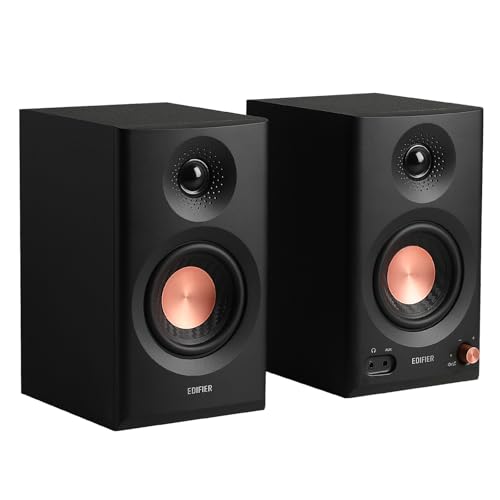
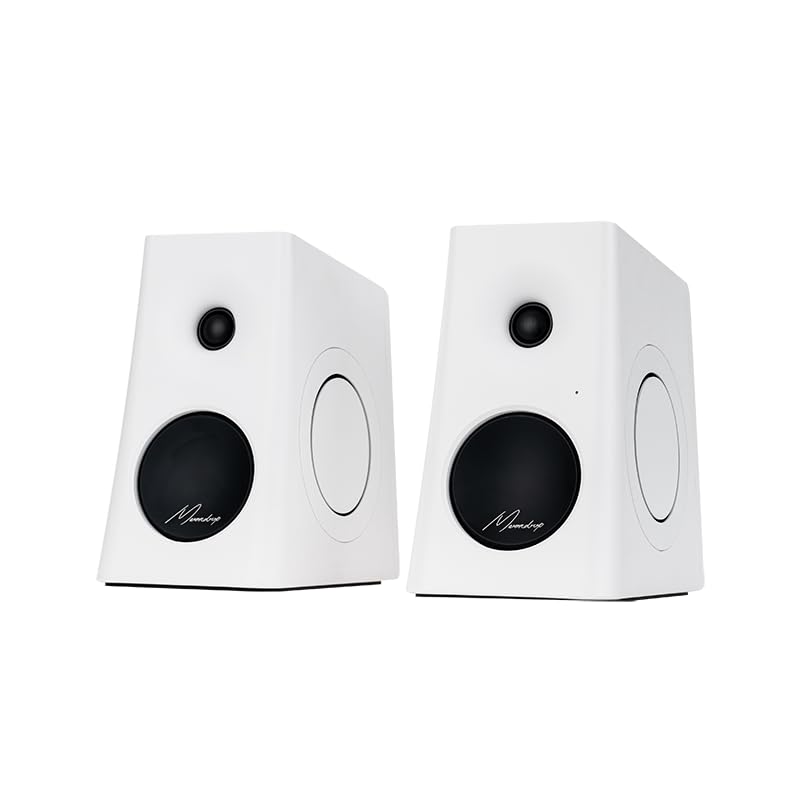
Most 3 inch speakers are sold in pairs for stereo listening, and many include a simple amplifier built into one speaker. Check whether the pair needs mains power, a USB connection, or a separate amplifier, because that choice affects where you can place them and what else you must buy.
Types Compared
There is no single type that suits every home, so start by matching the type to the job you actually need done. The three styles below cover most small speaker shopping, and each one suits a different desk or room.
Passive Bookshelf Speakers
Passive speakers need an external amplifier, and they suit listeners who already own one or want to upgrade parts one at a time. They often sound more open than powered rivals at the same price, but you must budget for the amplifier and speaker cable.
Powered Desktop Speakers
Powered speakers have the amplifier built in, so you connect a phone, laptop, or turntable and listen right away. They are the simplest choice for a desk, a dorm room, or a small studio corner, and many include a headphone socket and a volume control on the front.
Single Portable Speakers
A single portable 3 inch speaker trades stereo width for easy moving between rooms, and battery models add garden and travel use. Sound stays best at close range, so treat portability as the main benefit and stereo separation as a bonus you give up.
Key Features to Compare
Once you know the type, the features below decide how happy you will be after the first month. Small speakers hide big differences behind similar looks, so compare these points before you order.
Driver and Cabinet Design
A sealed cabinet gives tight, controlled sound, while a ported cabinet adds a little more low end at the cost of some precision. Knock on the cabinet if you can, because a solid, well braced box reduces buzz and keeps voices clear at higher volume.
Power and Sensitivity
Power ratings alone do not tell you how loud a speaker sounds, so look at sensitivity too, which shows how much sound you get from each watt. For a desk, modest power is plenty, while a living room corner needs more headroom to stay clean when the volume rises.
Connections
Bluetooth, a 3.5 mm input, USB audio, and optical inputs each suit a different source, so list the devices you will actually connect. A speaker with only one input can frustrate you later, while a speaker with the inputs you need keeps daily use simple.
Placement Controls
A bass or treble control, or a switch for desk versus wall placement, helps a small speaker sound balanced in a real room. Speakers pushed against a wall often sound boomy, so a control that trims the low end is genuinely useful, not a gimmick.
Size, Fit, and Compatibility
Measure your desk or shelf before you order, and leave a little air behind each speaker so the port or rear panel can breathe. Aim the speakers toward your ears, keep them level with your head when seated, and avoid tucking one speaker inside a closed cupboard while the other sits in open air. If the pair will flank a monitor, check the total width against your desk, and remember that the powered speaker usually needs a mains socket nearby.
Mistakes to Avoid
The most common mistake is judging a small speaker by its power rating alone, which says little about clarity at normal volume. Another mistake is placing speakers at very different heights or distances, which collapses the stereo image and makes music sound lopsided. Finally, do not ignore the return window, because a speaker that sounds fine in a shop can sound very different on your own desk.
Who Should Buy 3 Inch Speakers
A 3 inch speaker suits desk workers, students, podcast listeners, and anyone furnishing a small bedroom or study. It is a weaker choice for a large living room, a party, or a home theatre, where a bigger driver or a subwoofer will fill the space more easily. If you love deep bass, plan for a subwoofer output now, or step up to a larger speaker from the start.
Budget and Long Term Value
Prices for small speakers range from about $30 to $250 for a pair, with the middle of that range buying better cabinets, cleaner amplifiers, and more honest specifications. Spending more mainly buys refinement, not volume, so set your budget by listening distance and room size rather than by chasing the biggest power number. Keep a little money aside for cables or stands if your desk layout needs them.
Setup and Everyday Care
Dust the drivers gently with a dry cloth, keep drinks away from the cabinets, and avoid running the volume at maximum for long periods, which can strain small drivers. If a speaker starts to buzz, check for loose objects on the cabinet, a frayed cable, or a port blocked by books before assuming the speaker itself has failed. Unplug powered speakers during long trips away, and store portable models away from damp rooms.
Related Guides Worth Reading
If you are still deciding on driver size, compare neighbouring sizes in our guides to the best 3 inch monitor speakers, best 4 inch speakers, best 8 inch speakers, best 6 inch speakers, and best 5 inch speakers. Each shows how much bass and room coverage you gain or lose.
Frequently Asked Questions
Are 3 inch speakers loud enough for a bedroom?
Yes, for a bedroom or a desk they are usually plenty loud, because you sit close and the room is small. They fill a bedroom with clear music and speech at comfortable levels, but they will struggle in a large open living area. If your room is large, consider larger speakers or add a subwoofer for extra body.
Do 3 inch speakers have good bass?
They produce some bass, but deep bass is physically limited by the small driver, so expect tight upper bass rather than room shaking low notes. A ported cabinet or a small subwoofer helps, and placement near a wall can add warmth. Judge bass by listening to familiar songs, not by the lowest frequency number on the box.
Should I choose powered or passive 3 inch speakers?
Choose powered speakers if you want the simplest setup, since the amplifier is built in and you only add a source. Choose passive speakers if you already own an amplifier or want to upgrade parts separately later. Both can sound excellent, so let your existing equipment and your patience for setup decide.
Where should I place 3 inch speakers?
Place them at ear height, angled slightly toward you, with equal distance from your listening seat and some space behind each cabinet. Avoid corners and closed cupboards, which boost bass unevenly and blur detail. Small stands or foam pads can improve the angle and reduce desk vibration.
Can I use 3 inch speakers with a turntable?
Yes, provided the turntable has a phono stage or you add one, and the speakers have a suitable input. Powered speakers connect directly in most cases, while passive speakers need an amplifier with a phono input or a separate stage. Check the input list before you order to avoid an extra purchase.
Final Thoughts
The right small speaker is the one that fits your desk, your sources, and your listening distance, not the one with the biggest numbers on the box.
Compare the types above, check the product table above, and choose the best 3 inch speakers you will enjoy every day, then give them a fair listen in your own room before you judge them.