
Best 3 Burner Grills in 2026: Which Style Is Right for You?
Disclosure: We may earn a commission when you buy through links on this page, at no extra cost to you. As an Amazon Associate I earn from qualifying purchases. Learn more

Match the best 3 burner grills to your patio and cooking style, from full-size propane carts to tabletop and griddle combo models.
Choosing among the best 3 burner grills is easier once you know that the same burner count comes in very different builds: full-size cart grills, compact models, tabletop units, and grill and griddle combos. This guide compares those styles so you can match a grill to your patio, your fuel setup, and the food you cook most often.
The comparison table below lays out the main styles side by side, and the sections that follow explain what each does well, where it falls short, and who should choose it. The right choice depends less on burner count alone and more on heat control, cooking area, cleanup, and build quality.


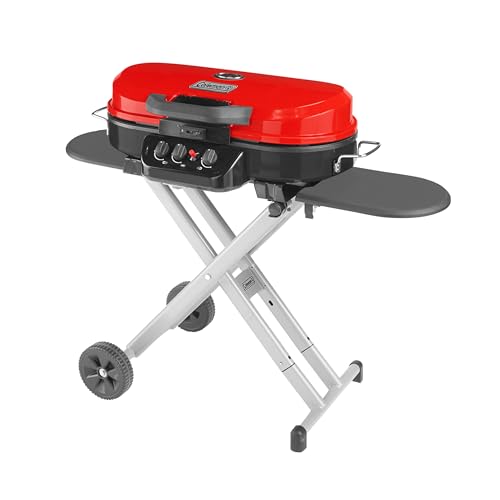

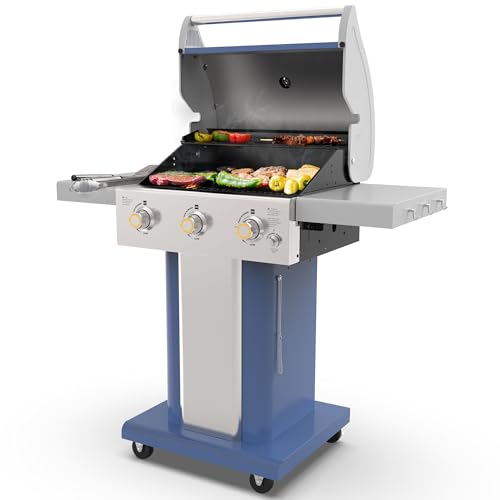

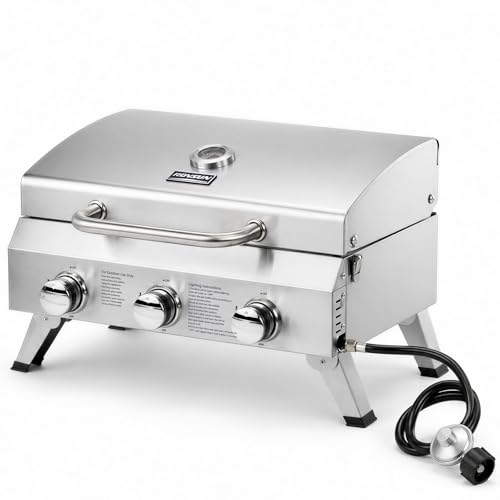


Types of 3 Burner Grills Compared
Three burners give you a useful middle ground. You can set up separate heat zones, cook for a small group without crowding the grate, and still fit the grill on many patios. The size, fuel connection, and extras around those burners change the experience a great deal. Use the table first for a quick overview, then read the sections for detail.
| Style | Best For | Pros | Cons | Typical Price |
|---|---|---|---|---|
| Full-size propane cart grill | Everyday family grilling | Large grate, wheels, storage shelves | Needs patio space | about $150 to $600 |
| Premium cast iron grill | Searing and long-term use | Even heat, strong warranty | Higher price | about $500 to $1,200 |
| Grill with side burner | Cooking full meals outdoors | Sauces and sides at the grill | Extra part to clean | about $150 to $600 |
| Grill and griddle combo | Breakfast, stir fry, burgers | Two cooking surfaces | More cleanup | about $140 to $600 |
| Tabletop or portable | Camping, tailgating, small patios | Light and compact | Smaller cooking area | about $140 to $430 |
Full-Size Propane Cart Grills
A cart-style propane grill is the most common 3 burner design. It lights fast, heats in minutes, and lets you adjust each burner separately for direct and indirect zones. That control makes it easy to sear on one side while finishing thicker food gently on the other side.
Most carts include folding side shelves, a warming rack, a built-in thermometer, and wheels. Cleanup is simple, since there is no ash to remove and grease usually drops into a tray you can slide out and empty. Choose this style if you grill several times a week and want predictable results with little setup time.
Premium Cast Iron Grills
Higher priced 3 burner grills usually add thicker materials, porcelain-enameled cast iron grates, flavorizer bars that vaporize drippings, and longer warranties. The extra mass holds heat well, which helps with steak crusts and even browning. Some also add a dedicated sear zone for intense heat.
These models cost more, but burners and grates are the parts that wear first, so better materials and warranty coverage can pay off over many seasons. Choose this style if you want a grill to keep for years rather than replace.
Grills With a Side Burner
Some 3 burner grills add a fourth burner on the side shelf. It lets you simmer sauce, boil corn, or sauté vegetables outside while the main grate handles the meat. That keeps you at the grill instead of running back to the kitchen.
Check that the side burner has its own control knob and a lid or cover if you want the shelf space back when it is not in use. For more on this feature, see our guide to the best grills with side burner.
Grill and Griddle Combos
A combo grill pairs three burners with a flat griddle plate or insert. You can sear burgers over open grates, then switch to the griddle for bacon, eggs, fried rice, or smashed burgers. The flat surface also keeps small foods from falling through the grate.
The trade off is more surfaces to clean and season. Choose a combo if you want one outdoor cooker to handle breakfast and dinner. Choose a standard grate-only grill if you mostly cook steaks, chops, and chicken.
Tabletop and Portable Models
Tabletop 3 burner grills use folding legs or sit on a table, which suits balconies where rules allow gas, camping, and tailgating. They are light and easy to store. The cooking area is smaller, so plan on cooking in batches for a crowd.
Portable propane models often use small fuel canisters, so check the fuel type before you buy. For small spaces, our guide to the best two burner grills is also worth a look.
Propane vs Natural Gas: Which Should You Choose?
Propane is the default for most 3 burner grills because the tank makes the grill easy to move and place anywhere. Natural gas models connect to a house line, so you never run out of fuel, but the grill must stay near the connection and the setup may need a professional.
Next, compare capacity, footprint, and upkeep. Check the burner output and the cooking area together, since high output on a small grate is not the same as a large, evenly heated surface. Our guide to the best 3 burner propane grills and the guide to the best 3 burner gas grills go deeper on fuel and features.
How to Choose the Best 3 Burner Grills
Beyond style, five practical factors separate a grill you enjoy from one that frustrates you. Work through them in order, and let your patio size, cooking style, and budget narrow the field before you compare small features.
Cooking Area and Footprint
Measure your patio or storage spot before you shop, and leave room around the grill for safe access and airflow. Wheels help a heavier grill move for cleaning, while folding side shelves save space. For tailgating, a lighter frame matters more than a huge cooking area. Follow local rules for placement, and keep the grill away from walls and overhangs.
Heat Output and Control
BTU numbers are only a rough guide. Even heat depends on burner design, lid fit, and how much heat the grates hold. Look for individual burner knobs, reliable ignition, and a lid thermometer so you can set up direct and indirect zones.
Grease Management and Cleanup
Look for a grease tray that slides out without spilling and is easy to reach. Gas grills mainly need grease tray checks and grate brushing. Simple cleanup makes you more likely to use the grill often, and it helps prevent flare ups and rust.
Build Quality and Materials
Thick steel holds heat more evenly than thin steel, and stainless steel resists rust better in damp climates. Cast iron grates retain heat for strong searing, but they need regular oiling and brushing. Check lid fit, burner construction, and wheel quality, since these parts take the most wear.
Assembly and Warranty
Assembly time can range from under an hour to most of an afternoon, so check whether a second person is advised. Clear instructions and labeled parts save real frustration. Compare warranty length for burners, the firebox, and the body separately, since coverage often differs by part.
If your hosting plans are bigger, our guide to the best 6 burner grills covers larger setups.
How to Make Your 3 Burner Grill Last Longer
Preheat for 10 to 15 minutes before cooking so food releases cleanly and heat spreads evenly. Clean grates while warm, and empty the grease tray only after everything has cooled. Cover the grill when not in use, and check for rust at seams, legs, and burner openings each season.
Store propane tanks upright and outdoors, and inspect hoses, burners, and igniters for wear before the grilling season starts. Never leave a lit grill unattended, keep children away from the cooking area, and follow the manufacturer's instructions for cleaning and part replacement. Small, regular care keeps heat even, reduces flare ups, and helps a solid grill serve you for many seasons.
FAQs
How big of a 3 burner grill do I need?
You need enough cooking area for your usual group plus a cooler zone for finishing food. A grate around 400 to 500 square inches suits most families of four. Measure your patio first, since a grill that crowds walkways will be used less. For larger gatherings, look for a warming rack and extra shelf space.
Can I use a 3 burner grill on a balcony?
You can only use a grill on a balcony if building rules, local rules, and the manufacturer's instructions all allow it. Many apartments restrict open flame and propane storage on balconies. Check your lease before buying, and keep the grill away from railings and stored fuel.
Is a 3 burner grill big enough for a family?
Yes, for most households. Three burners can give you a hot zone, a medium zone, and a warm zone, which covers burgers, chicken, and vegetables at the same time. If you often host more than eight people, a four or six burner model may fit better.
Do I need a side burner?
It is optional. A side burner helps if you want to cook sauces and sides outdoors, but it adds cost and one more part to clean. If you mostly grill meat and vegetables on the grate, you can skip it.
How often should I clean my 3 burner grill?
Brush the grates after every cook while warm, and empty the grease tray before it fills. Deep clean the interior and drip system every few months in heavy use, or once each season for light use.
How long should a good 3 burner grill last?
A well built grill can last many years with regular cleaning, a cover, and timely part replacement. Burners, igniters, and grates wear first, so check warranty coverage for those parts. Thin steel and constant rain shorten life more than cooking frequency does.
Wrapping Up
The strongest choice starts with how you cook. A full-size propane cart suits most families, a premium cast iron model suits long-term searing, a combo suits breakfast and dinner, and a tabletop suits small spaces and travel. Check size, cleanup, build, warranty, and fuel fit before comparing prices.
For most buyers, a midrange model with thick steel, good heat control, and simple cleanup offers the best balance. Review the product table, then choose the best 3 burner grills style that matches your space, your fuel, and your favorite meals.


