
Best 2 Burner Propane Grills: A First Time Buyer's Guide for 2026
Disclosure: We may earn a commission when you buy through links on this page, at no extra cost to you. As an Amazon Associate I earn from qualifying purchases. Learn more

First time buyer? Learn what matters in the best 2 burner propane grills, from BTU and cooking area to cleanup and setup.
If you have never owned a grill, the choices can look confusing, but a two burner model is a friendly place to start. This guide to best 2 burner propane grills explains the basics in plain English, so you can shop with confidence. Use the product table to see how size, heat, and features line up before you buy.
Two burner grills suit small patios, balconies where grilling is allowed, and households that cook for two to four people. They heat quickly, use less fuel than larger models, and cost less to buy and run. The limits matter too, since two burners give you less room for indirect cooking than a larger grill.


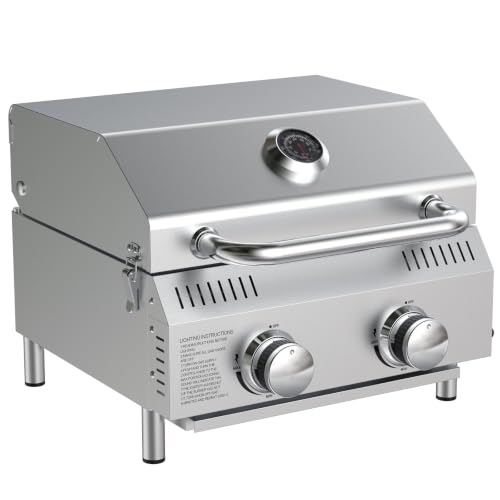


Best 2 Burner Propane Grills 101: The Basics
A propane grill burns gas from a refillable tank, and each burner is a tube with small holes that spread flame under the cooking grate. Turning a burner knob controls gas flow, and an igniter lights the gas, usually with a push button or a dial click. Two burners let you set two heat zones, for example high heat on one side and lower heat on the other.
Common terms help you read listings. BTU, or British thermal unit, measures heat output, but total BTU alone does not tell you how evenly heat spreads. Cooking area, measured in square inches, tells you how much food fits at once.
A warming rack sits above the main grate and keeps finished food warm without direct flame. Grease management means the tray and channel that catch drips, which keeps flare ups down and cleanup easier.
Key Specs Explained in Plain English
The sections below translate each spec into what it means at the grill. Focus on the specs that match how you cook, and do not pay extra for features you will rarely use.
Fuel Type (Gas, Charcoal, Pellet, Electric)
Gas grills light fast and control heat with a knob, which suits weeknight cooking and first time buyers. Charcoal grills give a smokier flavor but take longer to light and need ash cleanup. Pellet grills burn wood pellets and hold steady low temperatures well, but they need electricity and pellet storage.
Electric grills suit places where open flame is restricted, yet they rarely reach the high searing heat of gas. For a first grill, gas offers the simplest path from lighting to eating. If you want a smaller footprint, see our guide to the best 2 burner grills.
Running cost also differs by fuel. Propane tanks are widely available and easy to swap, while charcoal and pellets need dry storage and regular restocking. If you grill once or twice a week, propane usually keeps fuel chores simple. Check local rules before grilling on a balcony or near a building, since some properties restrict gas grills.
Fuel Cost and Availability
Propane cost per cook depends on tank price, burner output, and cooking time, but a standard tank usually covers many sessions for a two burner grill. Refill stations and tank swap services are common in most towns, so running out midweek is easy to fix. Keep a spare tank if you grill often, and store tanks upright outdoors, never inside a garage or home.
Charcoal and pellets can cost more per cook once you add lighters, storage, and cleanup time. Electric models add to the power bill but use no fuel tank. For a first time buyer, the predictable cost and easy availability of propane is part of the appeal, as long as you check the tank level before guests arrive.
Cooking Area and Capacity
Main cooking area tells you how many burgers, chicken pieces, or vegetables fit over direct heat at once. A typical two burner grill offers about 300 to 450 square inches, enough for about eight to twelve burgers depending on size. The warming rack adds space for buns or finished food, but it does not cook raw food as quickly as the main grate.
Think about your usual group size, not your largest party. A grill that fits your weekly meals will heat faster and use less fuel than an oversized model. If you often cook for six or more, you may need to cook in batches or step up to a larger grill.
Compare the best 4 burner propane grills and the best 3 burner propane grills before you settle on two burners. Measure your patio space too, since side tables add width beyond the cooking area.
Heat Output and Temperature Range
Heat output is often quoted as total BTU, but BTU per square inch gives a fairer sense of how hot the grate gets. A two burner grill with about 20,000 to 28,000 total BTU usually sears well and holds roasting temperatures. Searing needs high direct heat, around 450 to 550 degrees Fahrenheit, while gentle cooking and roasting sit lower, around 300 to 350 degrees.
Low and slow cooking, around 225 degrees, is harder on a two burner gas grill because the small firebox loses heat quickly when the lid opens. It can still handle short indirect cooks by turning one burner low and placing food over the unlit side. For long smoking sessions, a dedicated smoker or pellet grill will serve you better than forcing a small gas grill to do that job.
Temperature Control and Smart Features
Temperature control on a gas grill comes from burner knobs, lid thermometers, and vent free heat retention. A built in lid thermometer gives a rough grate zone reading, but a separate probe thermometer measures food temperature far more accurately. Some models add electronic ignition, lights, or app connected probes, which help beginners track cooking without lifting the lid often.
Smart features can help, but they should not replace basic skills. A meat probe tells you when chicken is done, yet you still need to rest the meat and check the thickest part. PID controllers, which hold exact temperatures, belong mainly to pellet grills, not gas models, so do not expect that level of automation here. Choose features that solve a real problem for you, such as lighting the grill at dusk.
Extra cooking space is covered in our guide to the best propane grills with side burner.
Ash, Grease Management, and Cleanup
Gas grills make no ash, so cleanup centers on grease and food residue. A removable grease tray under the firebox catches drips, and a sloped channel guides grease away from the burners. Empty the tray regularly, since built up grease can flare and is a fire risk. Burner tubes also need occasional brushing to keep flame holes clear.
After cooking, close the lid and run the burners on high for a few minutes to burn off residue, then brush the grates while warm. Let the grill cool before covering it, and check the grease tray again once cool. A clean grill lights more reliably, cooks more evenly, and lasts longer than one left coated in grease.
Rookie Mistakes to Avoid
- Lighting with the lid closed: gas can build up inside, so always open the lid before you ignite the burners.
- Skipping preheat: a cold grate sticks to food and sears poorly, so preheat 10 to 15 minutes before cooking.
- Pressing burgers flat: pressing squeezes out juices and dries the meat, so let burgers cook undisturbed.
- Guessing doneness by color: color alone is unreliable, so use a probe thermometer for meat safety.
- Ignoring the grease tray: an overflowing tray can flare, so empty it on a regular schedule.
Getting Started: Setup and First Use
After assembly, check every gas connection for leaks with soapy water, looking for bubbles that signal escaping gas. Never use a flame to check for leaks. Connect the tank outdoors, open the tank valve slowly, and light the burners with the lid open, following the manufacturer's instructions in order.
For your first cook, preheat 10 to 15 minutes, brush the grates while warm, and start with simple food such as burgers or chicken thighs. Keep the lid closed as much as possible during cooking, and stay nearby the whole time. Never leave a lit grill unattended, keep children and pets away from hot surfaces, and follow local fire rules for grill placement. Use the product table to compare sizes and features once you know your space and budget.
Frequently Asked Questions
Is a Pellet Grill Worth It for a First Time Buyer?
For most first time buyers, a gas grill is simpler than a pellet grill. Pellet grills excel at steady low temperature smoking and add wood flavor, but they need electricity, pellet storage, and more cleanup. Gas lights faster, costs less to start, and handles weeknight grilling with less fuss. Choose a pellet grill only if slow smoking is your main goal and you accept the extra setup and maintenance.
How Big of a 2 Burner Propane Grill Do I Need?
Size depends on how many people you feed most often. A grill with about 300 to 400 square inches suits two to four people and fits small patios well. Larger two burner models near 450 square inches add room for vegetables beside the main dish. If you regularly feed six or more, plan to cook in batches.
Can I Use a 2 Burner Propane Grill on a Balcony?
It depends on your building rules and local fire codes, so check both before you buy. Many apartments and condos restrict or ban gas grills on balconies, and some require a minimum distance from walls and railings. Even where allowed, you need ventilation, a stable surface, and a safe path to move the tank. If grilling is restricted, an electric grill may be the only allowed option, so confirm the rules in writing first.
How Long Should a Good 2 Burner Propane Grill Last?
With regular cleaning and a cover, a well made two burner grill often lasts five to ten years, though burners and grates wear out sooner in harsh weather. Stainless parts resist rust better than painted steel, but no grill lasts forever outdoors. Lifespan depends on how often you grill, whether you empty the grease tray, and whether you store the grill covered. Replace rusted burners and worn hoses promptly rather than cooking on damaged parts.
How Often Should I Clean My 2 Burner Propane Grill?
Brush the grates after every cook while they are still warm, and empty the grease tray whenever it holds a visible layer of grease. A deeper clean every month or so during grilling season covers burner tubes, heat tents, and the inside of the lid. At season end, clean the whole grill, check hoses for cracks, and cover it for storage. Regular cleaning prevents flare ups, keeps flavors clean, and helps you spot wear before it becomes a problem.
The Bottom Line
For a first grill, prioritize a size that fits your patio and your usual group, steady heat control, and easy grease cleanup over extra gadgets. A two burner propane grill covers weeknight meals and small gatherings well, as long as you accept its limits for large parties and long smoking cooks. Compare the options in the product table, then choose the model whose size and features match your space.
Once you buy, learn the basics well: preheat, use a thermometer, and clean up after each cook. Those habits matter more than any single feature, and they will make your first season of grilling far more enjoyable. With the right size and steady care, best 2 burner propane grills can serve a new griller well for years.


