Best 29 Inch Hardtail Mountain Bike: A First Time Buyer's Guide for 2026
Disclosure: We may earn a commission when you buy through links on this page, at no extra cost to you. As an Amazon Associate I earn from qualifying purchases. Learn more

Shopping for the best 29 inch hardtail mountain bike for the first time? Learn the terms, compare options, and avoid rookie mistakes with this easy guide.
A hardtail with big wheels is the simplest way into trail riding, but first time listings bury you in travel numbers, gear ranges, and geometry charts. This guide explains the best 29 inch hardtail mountain bike options in plain terms, so you can judge fit, fork quality, and brakes without guessing.
We will cover what a hardtail is, which specs actually change how the bike rides, and the mistakes new buyers make most often. Keep your height, inseam, and local trails in mind as you read, then use the product table to check sizes and prices.
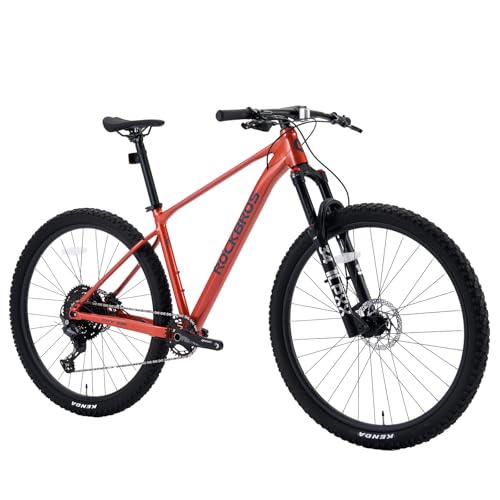
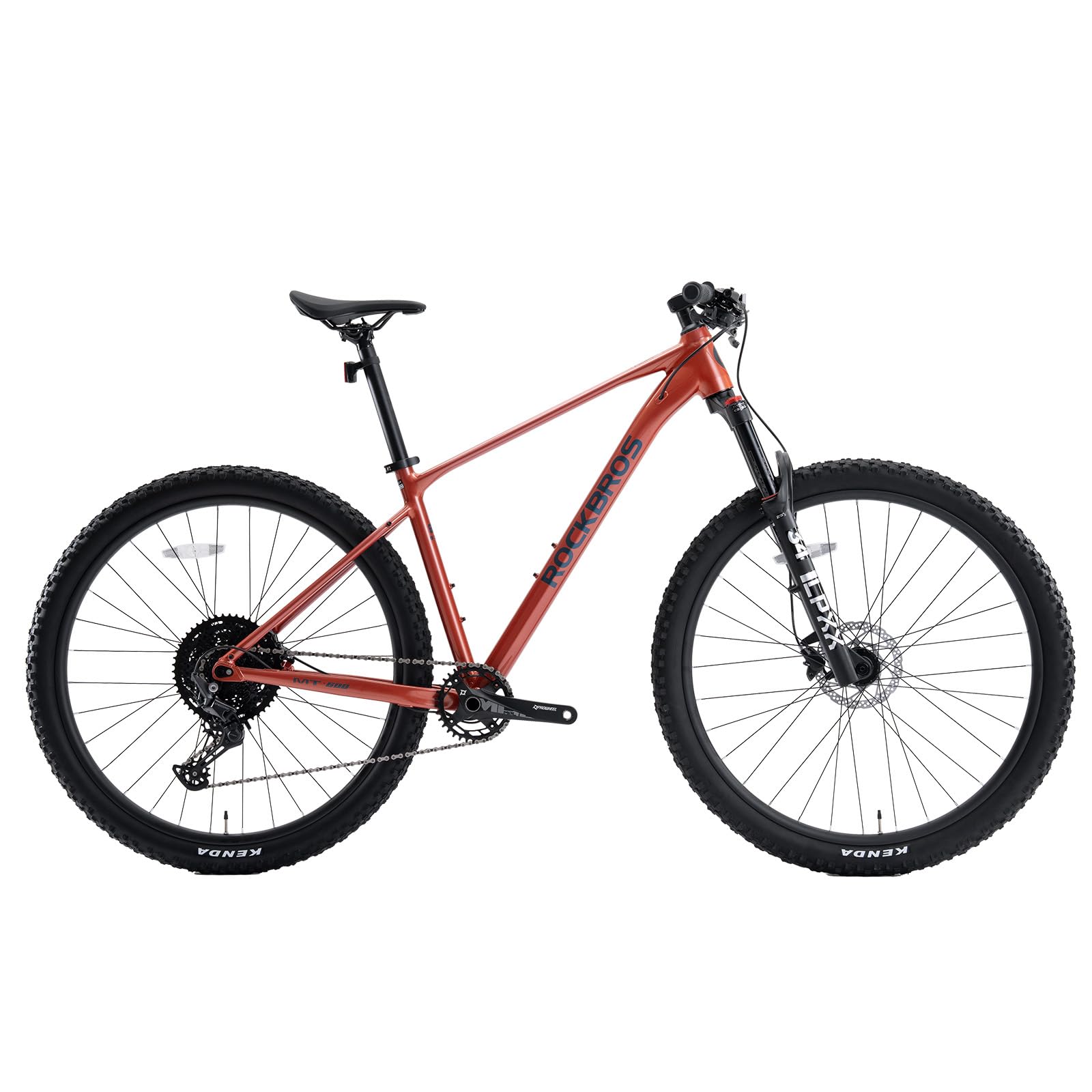


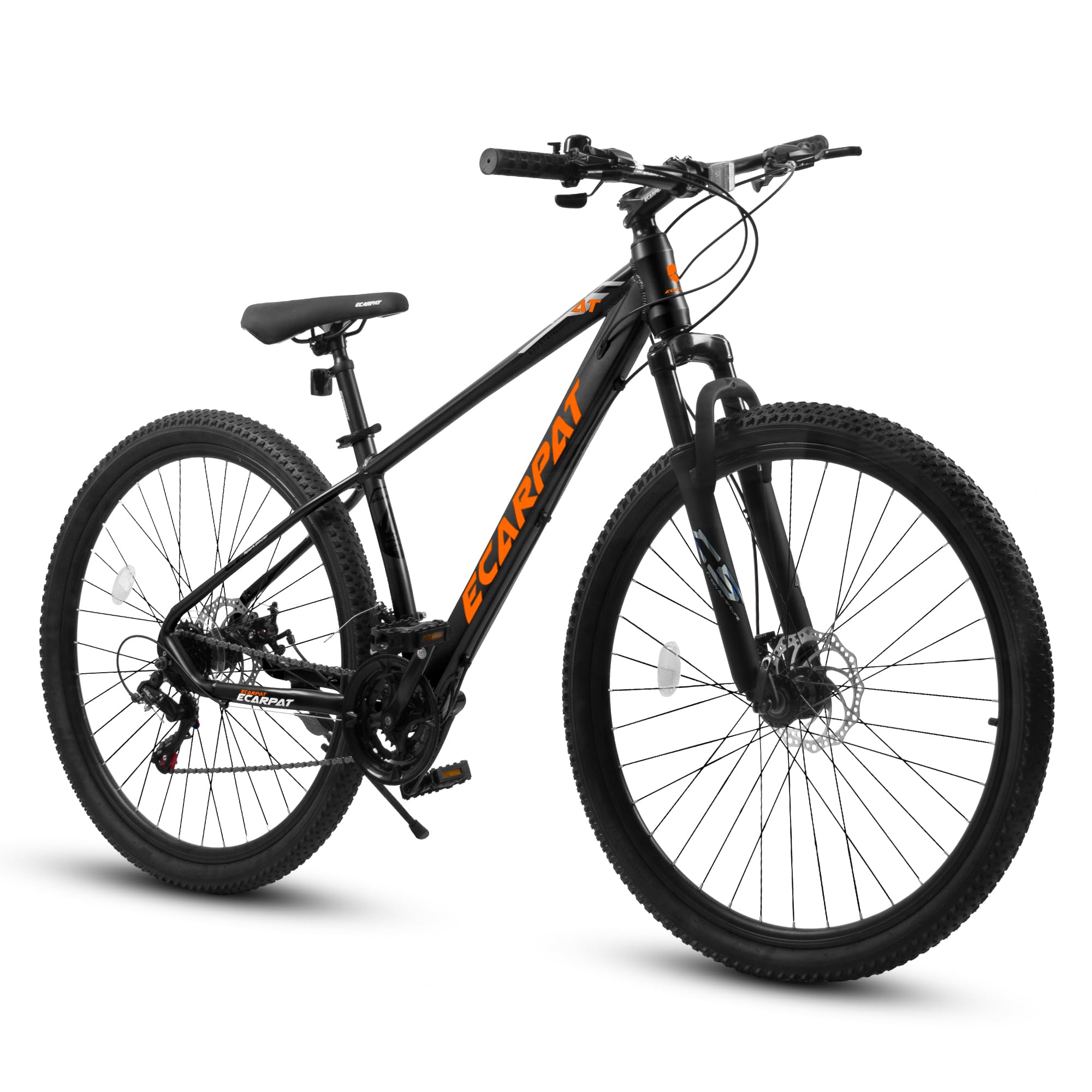
29 Inch Hardtail Mountain Bikes 101: The Basics
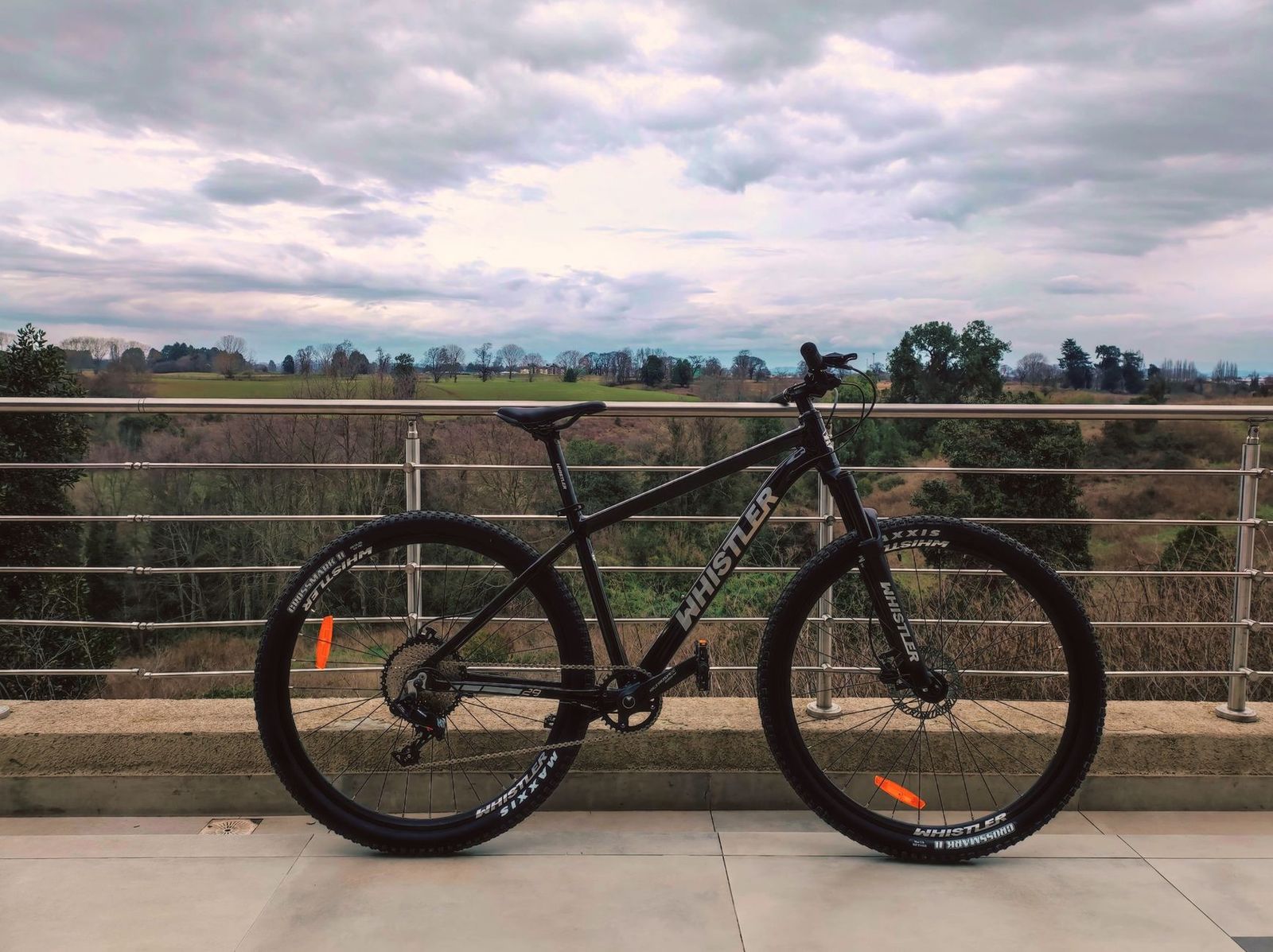
A 29 inch hardtail is a mountain bike with large 29 inch wheels and suspension only at the front fork. The rigid rear end makes the bike lighter, simpler, and usually cheaper than a full suspension bike at the same quality level. Large wheels roll over roots, rocks, and ruts with less effort, which helps new riders keep momentum on uneven ground.
The trade off is comfort on rough descents, where your legs act as the rear suspension. Standing slightly on the pedals and letting your knees bend solves most of that problem. For smooth to moderate trails, fitness riding, and learning core skills, this design is hard to beat for value.
If you have not decided on the hardtail format yet, our general guide to the best 29 inch mountain bike compares hardtail and full suspension versions side by side. That comparison helps you confirm the simpler design suits your terrain before you narrow your budget.
Key Specs of the Best 29 Inch Hardtail Mountain Bike Explained
Bike Type and Riding Style
Hardtails in this size split mainly into cross country and trail styles. Cross country models are lighter, climb eagerly, and suit long rides on smoother trails with modest travel around 100 mm. Trail hardtails use slacker angles and forks around 120 to 140 mm, giving calmer handling on descents and rough ground at a small weight cost.
Choose by your steepest regular trail, not your easiest one. A trail hardtail still climbs well, while a cross country bike can feel nervous when the ground gets steep and loose. Most first time buyers who ride varied terrain are happier with the trail style.
Weight and Components Upgrade Path
Complete hardtails at starter prices commonly weigh about 28 to 34 lb. Weight matters most on climbs and when lifting the bike onto a rack, but durability matters more for a first bike. Wheels and tires are the best later upgrades because reducing rotating weight improves acceleration and climbing feel noticeably.
Before buying, check that the frame has modern fittings such as a tapered head tube and common axle standards. Those details decide whether better forks and wheels will fit later. A frame that accepts upgrades can grow with your skills for years.
Drivetrain and Gearing
Most modern hardtails use a single front chainring with a wide range cassette at the rear, often called a 1x drivetrain. This setup shifts with one lever, drops chains rarely, and covers steep climbs when the largest rear cog is big enough. Older 2x and 3x setups add small weight and complexity without much benefit on trails.
Look for a cassette whose largest cog has at least 42 teeth if your area is hilly, and more if you are new to climbing. Smooth shifting under load and a clutch rear derailleur that quiets chain slap are both signs of a well chosen drivetrain.
Frame Material and Geometry
Aluminum dominates this category because it delivers a light and stiff frame at a fair price. Steel frames ride smoothly and suit riders who value comfort and repairability, while carbon appears mainly on pricier models aimed at racing. For most beginners, aluminum with sensible tube shapes is the right call.
Geometry shapes confidence. A head angle around 65 to 68 degrees feels stable on descents without steering slowly on climbs, and reach should let you stand centered without feeling stretched. If sizing advice for male riders is relevant to you, our guide to the best men's 29 inch mountain bike covers fit details in more depth.
Brakes (Hydraulic vs Mechanical Disc)
Hydraulic disc brakes are the better choice for trail riding because they stop hard with light finger pressure. Mechanical disc brakes cost less but feel weaker and need cable adjustments as pads wear. On a bike with big wheels and real trail speed, that difference matters on every descent.
Rotor size also counts. Rotors around 180 mm up front give stronger and cooler braking for heavier riders and longer hills. Whatever the setup, bed in new pads with a series of gentle stops before your first full trail ride, and follow the manufacturer's instructions.
Rookie Mistakes to Avoid
- Judging the fork by travel alone. A smooth 120 mm air fork outperforms a harsh 140 mm basic fork on almost every trail.
- Ignoring stand over height. Big wheels raise the frame, so confirm you can stand over the bike comfortably before buying.
- Buying for races you have not entered. Ultralight parts cost more and can be less durable for everyday learning.
- Forgetting wheels and tires. Heavy wheels make a good frame feel sluggish, and poor tires waste the grip the big wheels provide.
- Skipping the upgrade check. Odd axle or headset standards can block future fork and wheel upgrades you may want next season.
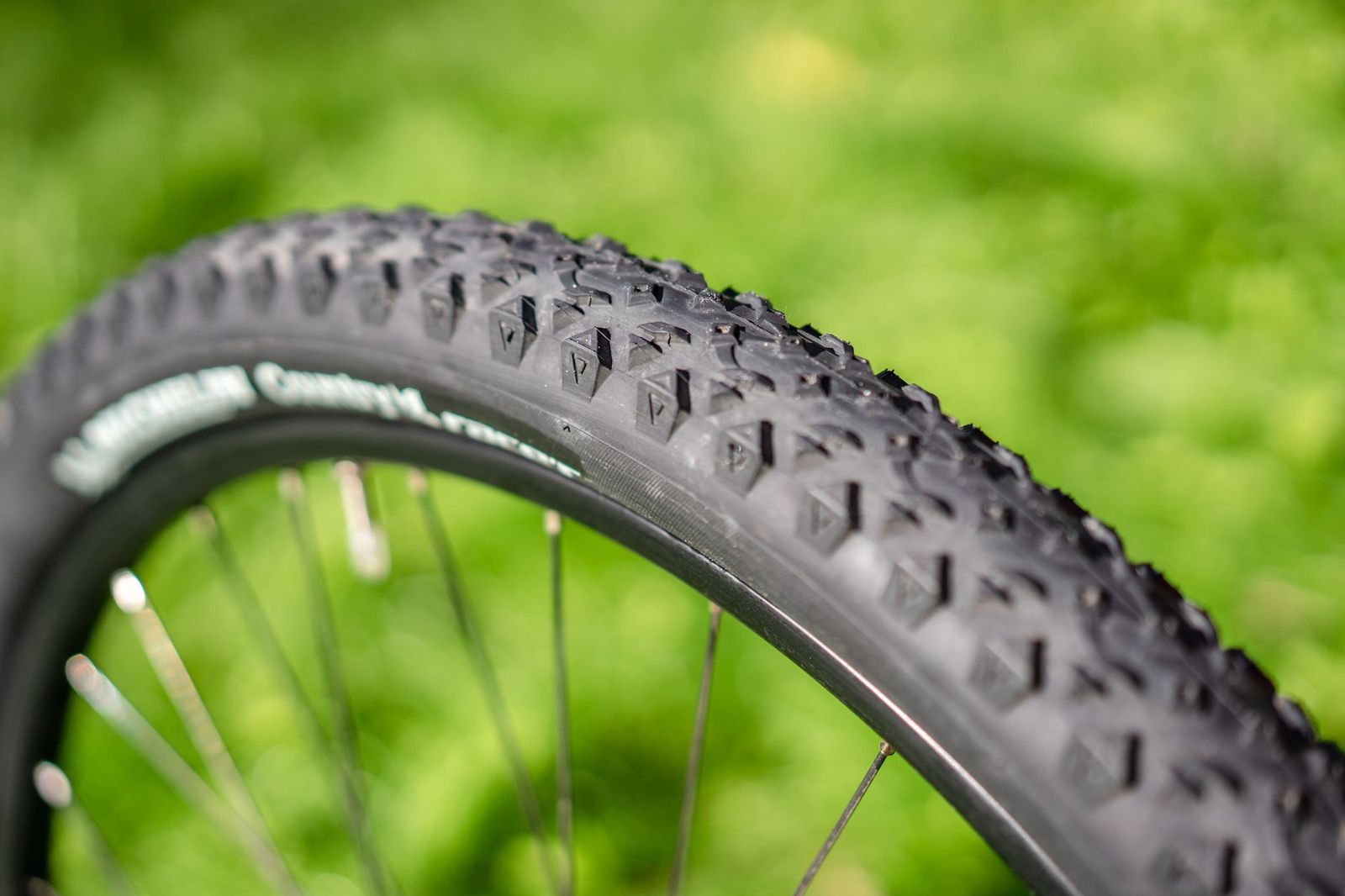
Tire choice deserves a closer look because it changes grip, speed, and comfort at once. Our guide to the best 29 inch mountain bike tires explains tread and width for this wheel size, and our article on the best 29 inch mountain bike wheels covers rim width and hub choices when upgrade time comes.
Getting Started: Setup and First Use
Start with tire pressure in the middle of the sidewall range, then lower it a little at a time until the tires grip without feeling squirmy in corners. Set saddle height for a slight knee bend at the bottom of each pedal stroke, and level the saddle before adjusting anything else. Check the brakes and shifting in a flat, quiet area first.
Check tire pressure before every ride, since big volume tires lose noticeable pressure over a week and soft tires risk rim damage. Clean and lube the chain every 100 to 200 miles to protect the wide range cassette, which costs more to replace than older narrow cassettes.
After the first few rides, recheck the headset, stem bolts, and axle tightness. Parts settle on a new bike, and five minutes with the right tools prevents creaks and keeps steering precise.
Frequently Asked Questions
What size bike do I need?
Match frame size to your height and inseam with the maker chart, and pay extra attention to stand over height on 29 inch models. Riders around 5 feet 6 inches to 5 feet 10 inches often fit a medium, but leg and torso proportions shift that answer. Between sizes, most trail riders prefer the smaller option for control.
How much should I spend on my first bike?
Around $600 to $1,200 typically buys an aluminum hardtail with an air fork, hydraulic brakes, and a modern 1x drivetrain. Below that range, forks and brakes usually disappoint within a season. Above it, you mostly gain lighter wheels and smoother suspension rather than a completely different riding experience. Riders on a tighter budget can read our guide to the best affordable 29 inch mountain bike for budget focused advice.
Hardtail or full suspension for beginners?
A hardtail suits most beginners better because the same money buys better brakes, wheels, and fork quality without a rear shock to maintain. Full suspension earns its cost on rocky, steep trails ridden at speed. Learn balance and line choice on a hardtail first, and those skills will transfer to any bike you own later.
Is a hardtail harder to ride on rough trails?
It asks a bit more of your body, since your legs and arms absorb what a rear shock would. Staying loose, standing on the pedals, and picking smooth lines keeps the ride controlled, and these habits make you a better rider over time.
The Bottom Line
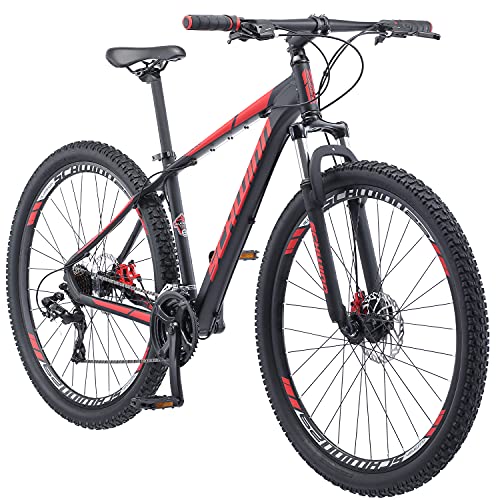
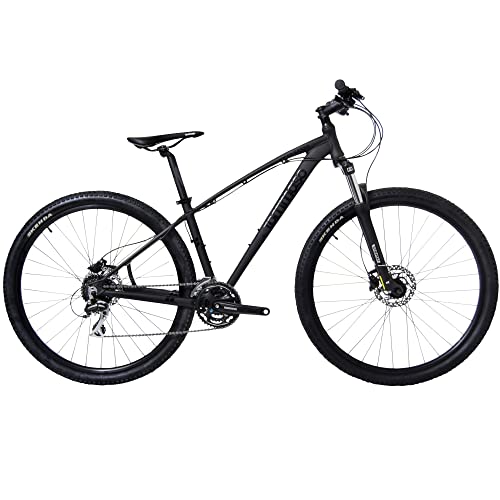
Prioritize correct fit, a smooth air fork, and hydraulic brakes, and let those three points guide your budget. A trail geometry hardtail will handle the widest range of learning terrain. Compare the best 29 inch hardtail mountain bike options in the product table above and choose the frame size you can stand over with confidence.