Best 26 Inch Tubeless Mountain Bike Tires for 2026: Which One Fits the Way You Use It?
Disclosure: We may earn a commission when you buy through links on this page, at no extra cost to you. As an Amazon Associate I earn from qualifying purchases. Learn more

Match tread, width, casing, and rim fit to your trails to choose the best 26 inch tubeless mountain bike tires for trail, race, or mixed riding.
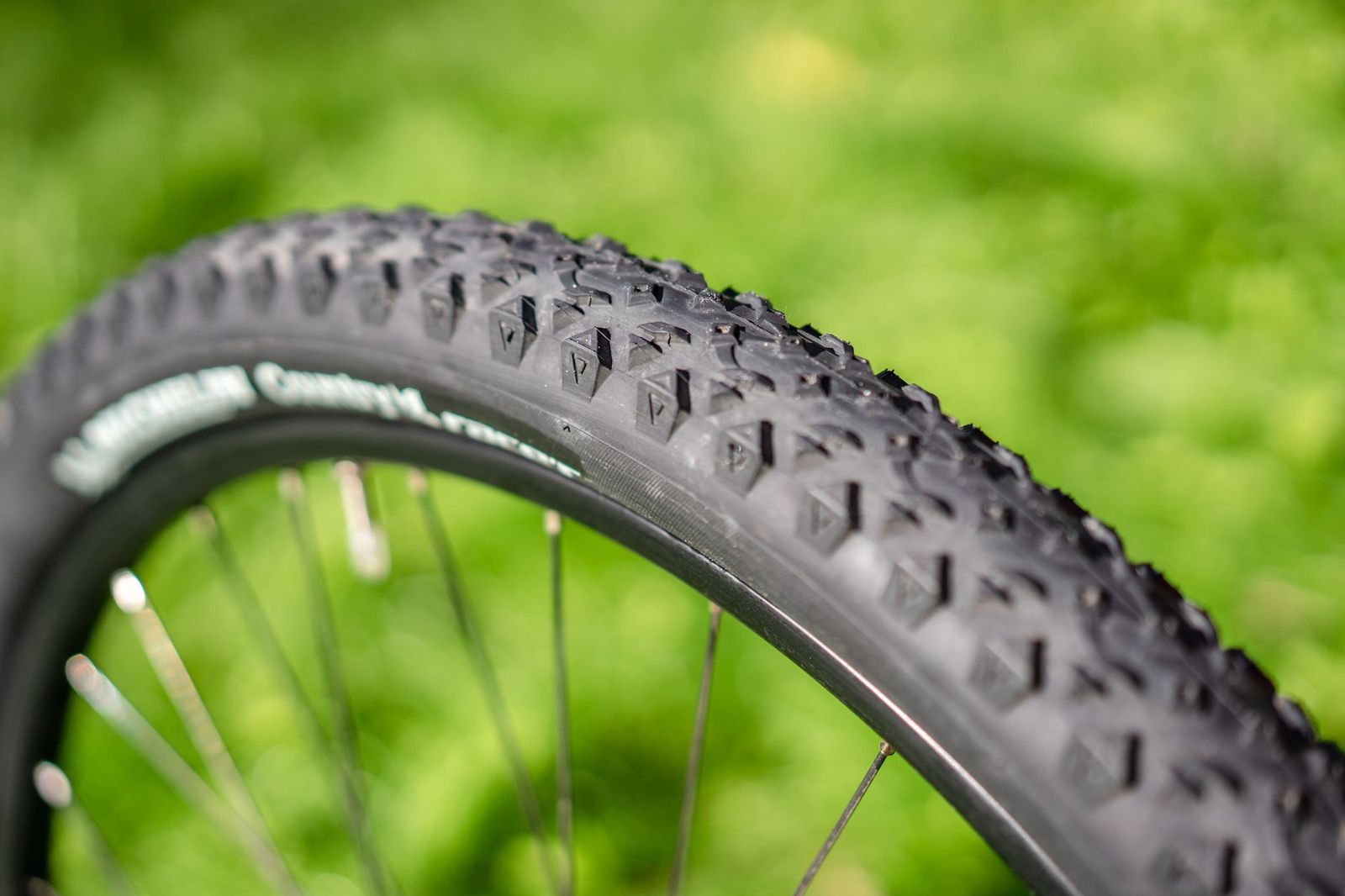
There is no single tire that suits every rider, because the tread that grips wet roots will drag on dry hardpack and the casing that races well may cut on sharp rock. The best 26 inch tubeless mountain bike tires for you depend on your trails, your pace, and how much maintenance you accept in exchange for fewer flats. Tubeless setup removes the inner tube, lets you run lower pressure, and uses sealant to plug small punctures as you ride.
This guide sorts tires by rider type first, then covers tread, width, casing, compound, and rim compatibility in plain terms. Check the product table for widths and intended uses, then match the details to the ground you ride most weeks. That is the surest way to pick the best 26 inch tubeless mountain bike tires for your own bike.


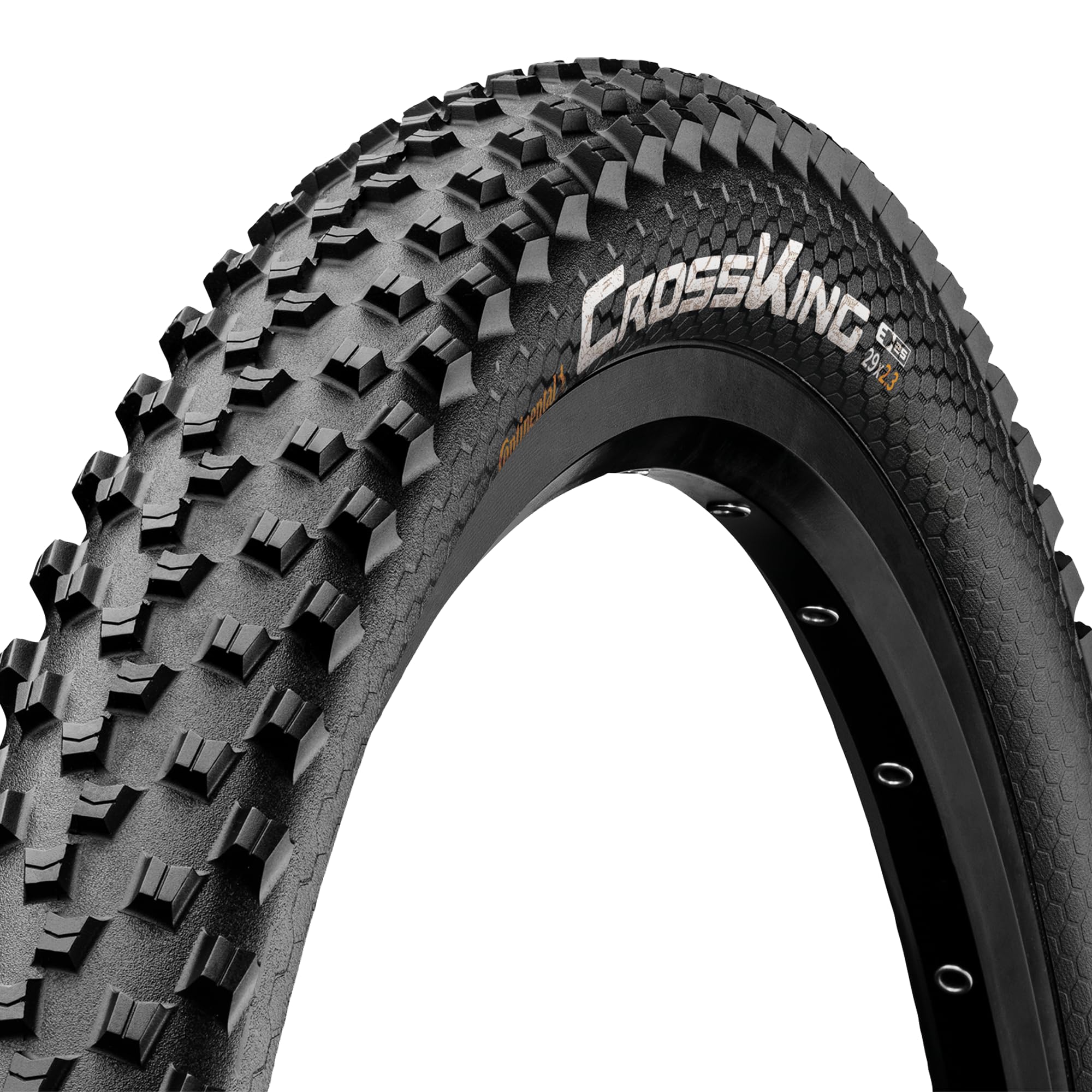

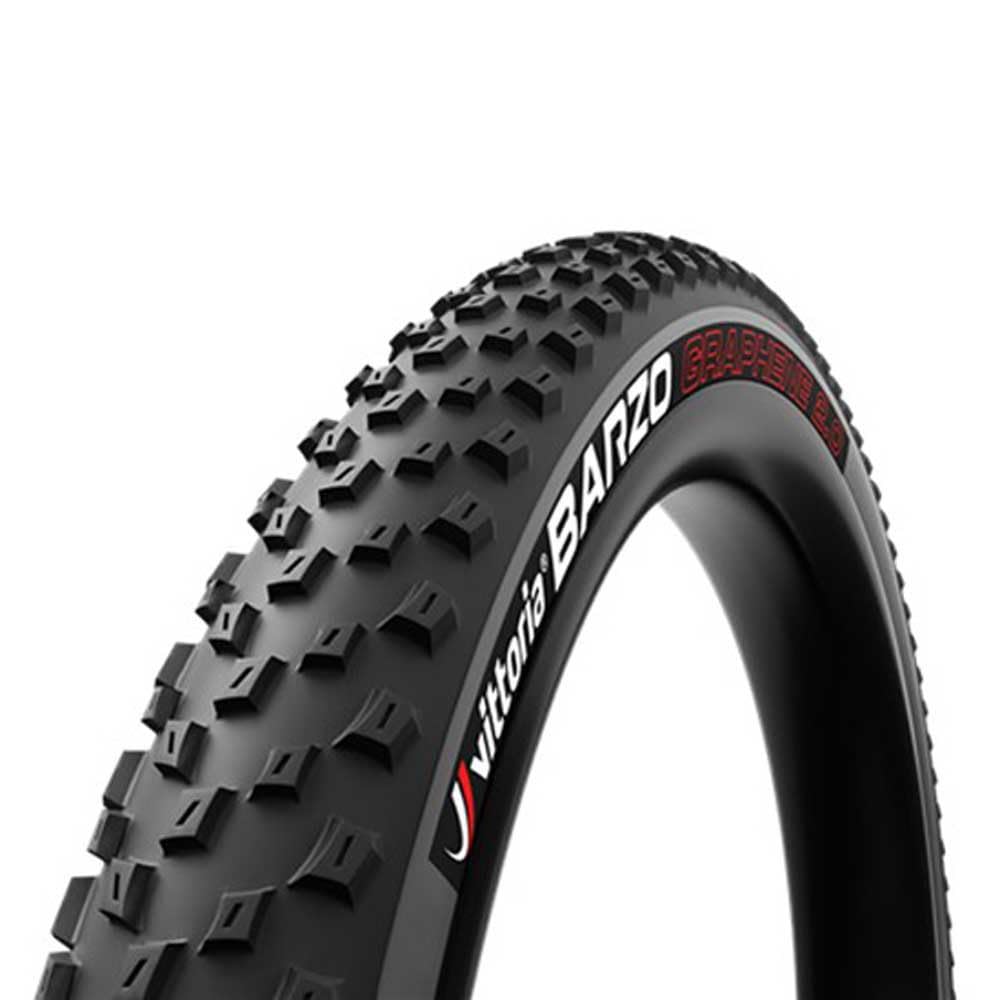
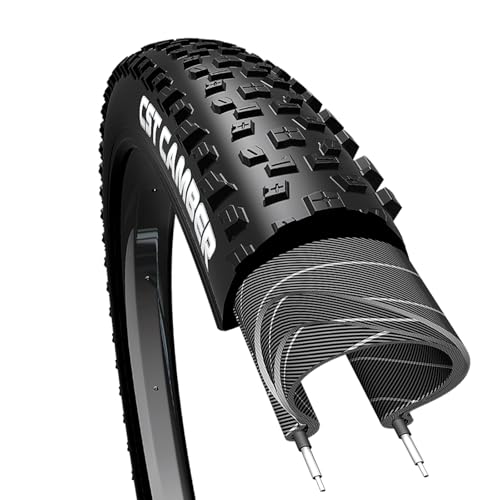
Who Should Buy Which 26 Inch Tubeless Mountain Bike Tires?
For Value Seekers
Value seekers should balance price against durability, because a cheap tire that wears out or tears in a month costs more than a mid priced one that lasts a season. Look for a dual compound tread, a casing with basic sidewall protection, and a width around 2.2 to 2.3 inches that works on most older rims. Wire bead versions cost less but weigh more and fold poorly, so a folding bead is usually worth the small premium for tubeless seating.
For First Time Buyers
First time tubeless buyers need simplicity and reliability above raw speed. Choose a tire clearly marked tubeless ready, pair it with a rim that is also tubeless ready, and start with a proven all around tread rather than a specialist pattern. A slightly tougher casing forgives the line mistakes every new rider makes, and a tread with a continuous center section rolls calmly on the pavement rides that connect many trailheads.
For People Who Want the Best Performance
Performance riders pay more for lighter casings, grippier soft compounds, and tread patterns tuned to one job, such as a fast rear tire paired with a high grip front tire. The premium is worth it in cornering traction and acceleration, because rotating weight is the weight you feel most. The trade off is wear and fragility, since soft compounds and thin casings give up life and cut resistance to gain that speed and grip.
For Gift Shoppers
Gift shoppers should choose the versatile option, because you may not know the rider trails or rim width exactly. An all around tread in a common width, sold as a folding bead tubeless ready tire, fits the widest range of bikes and riding styles. Add a bottle of sealant and a roll of rim tape to the gift, since those small items complete the conversion and show you understand what tubeless setup actually needs.
Choosing the Best 26 Inch Tubeless Mountain Bike Tires for Your Situation
Best 26 Inch Tubeless Racing Mountain Bike Tires: What to Prioritize
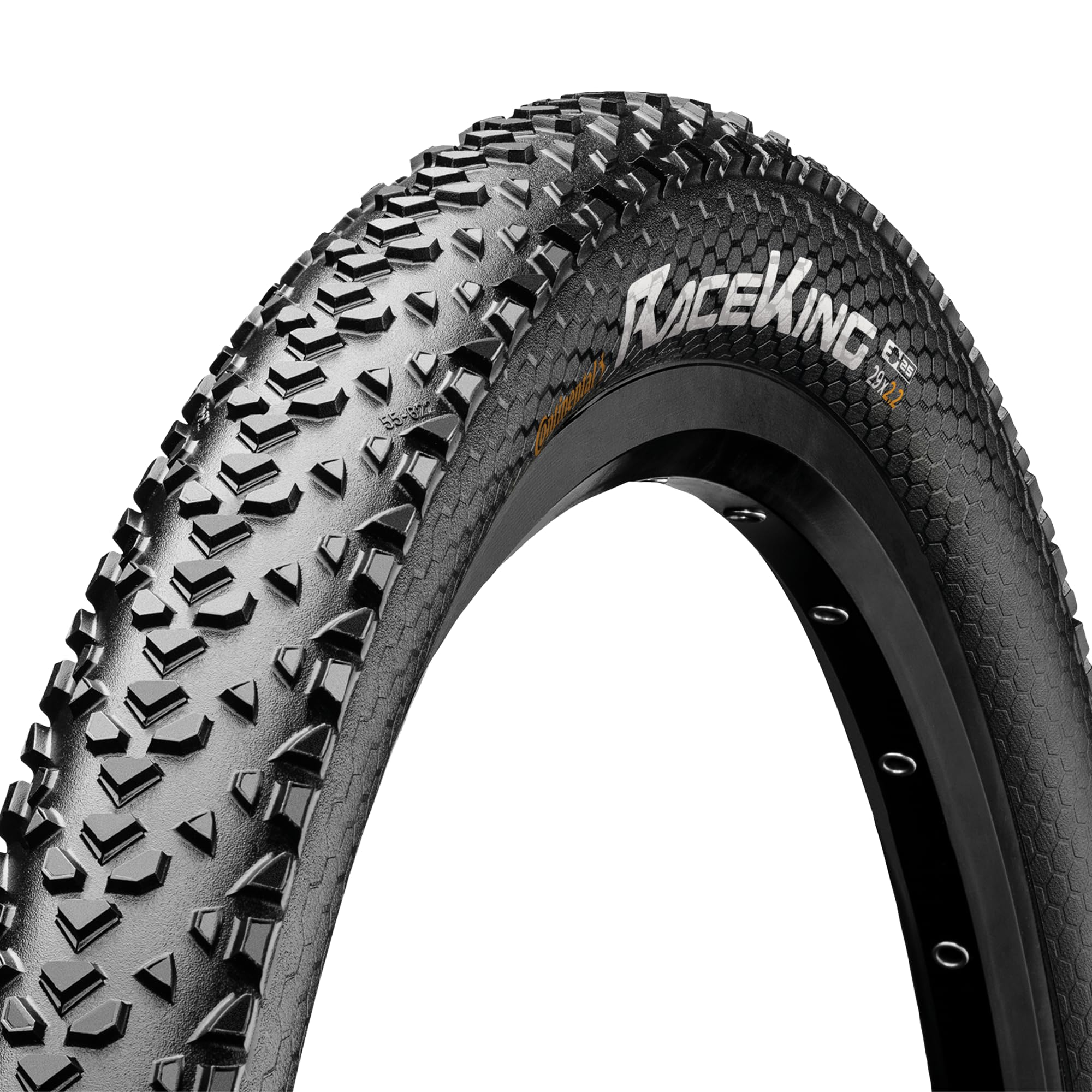
If you shop for best 26 inch tubeless racing mountain bike tires, prioritize low rolling resistance, light weight, and predictable cornering at race pace. Racing tires use low, closely spaced center knobs, a supple casing that conforms to the ground, and compounds that grip without feeling sluggish. Accept that race casings cut more easily, carry sealant and a plug kit on race day, and inspect sidewalls after every event because thin tires telegraph damage late.
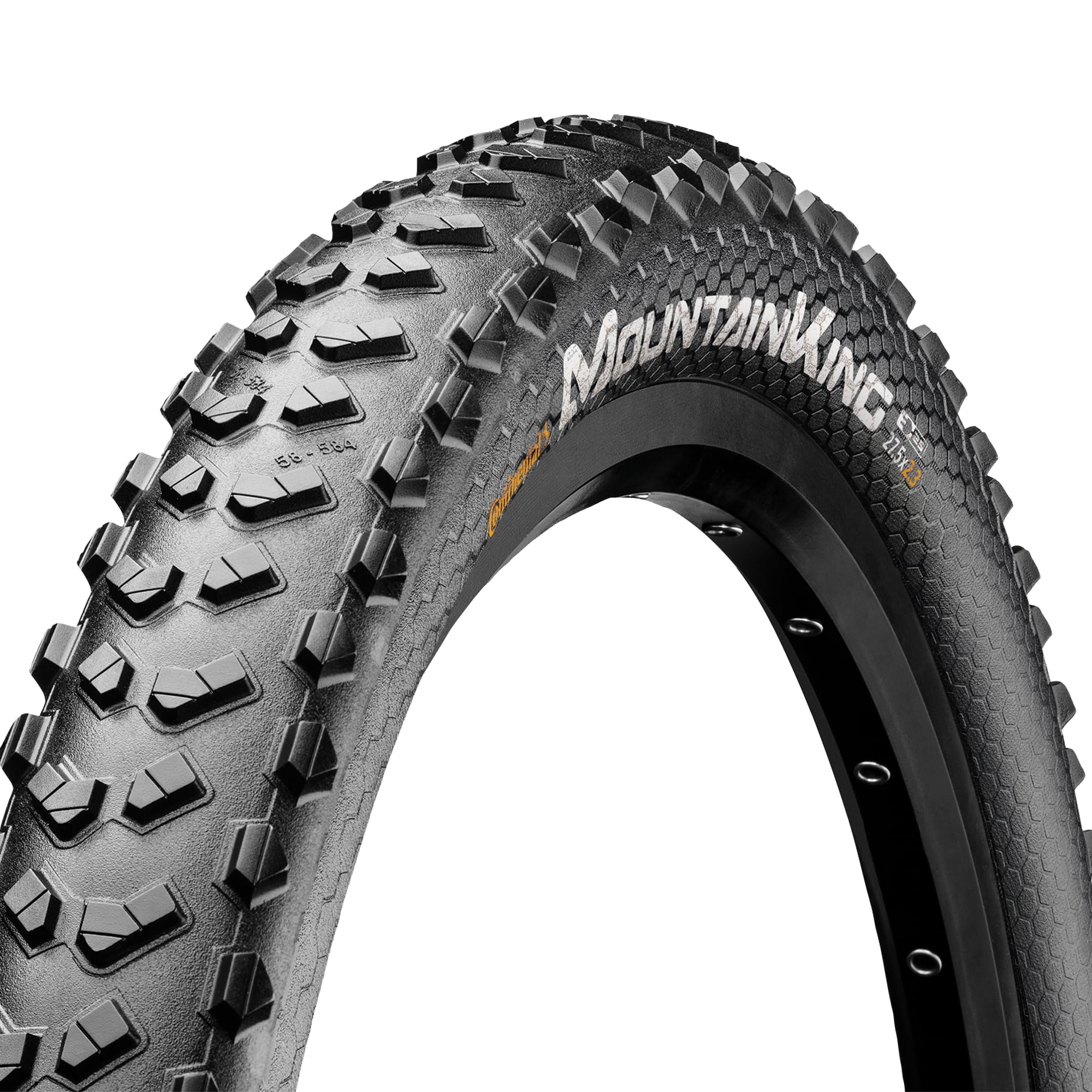
Beyond racing, match the tire to the surface you ride most. Loose and muddy trails need tall, spaced knobs that clear mud and bite soft ground. Dry and rocky trails need a reinforced casing and a tread that will not squirm on hard edges. Mixed riding rewards a moderate tread that rolls acceptably on pavement stretches, and riders who mostly ride smoother surfaces can compare the best 26 inch road tires for mountain bike for a faster rolling direction.
Key Features to Compare
Performance Details
The details that matter for tires are tread pattern, rubber compound, casing threads per inch, and maximum pressure. Higher thread counts feel more supple and grip better but resist cuts less. Soft compounds grip in the wet and wear faster, while hard compounds last longer and slide sooner on roots. Width also counts: around 2.1 to 2.3 inches suits most 26 inch rims and frames, while wider tires need wider rims and frame clearance to support them.
Features and Extras
Useful extras include sidewall protection layers, puncture belts under the tread, and tan or colored sidewalls that are purely cosmetic. Some tires add a reinforced bead area to ease tubeless inflation and reduce burping, which is air loss when the tire flexes hard in a corner. Reflective sidewall strips help on road sections at dusk. None of these extras replace correct pressure, so treat them as support for good setup rather than a reason to ignore it.
Safety Features
For tires, safety means grip you can trust, a bead that stays seated, and casing strength that prevents sudden air loss. Run tubeless tires only on compatible rims, respect the maximum pressure printed on the sidewall, and never exceed the rim maker limit, which can be lower. Check sealant levels before big rides, because dry sealant cannot seal a puncture, and replace any tire with deep sidewall cuts, exposed threads, or a wobble that signals internal damage.
Rim and Frame Compatibility
The tire must match your 26 inch rim diameter, your rim internal width, and your frame and fork clearance. A tire around 2.3 inches wide usually wants a rim at least about 23 mm wide inside to hold its shape, and older narrow rims pair better with 2.0 to 2.2 inch tires. Also confirm the tire and rim both carry tubeless ready markings, since mixing a tubeless tire with a non tubeless rim makes inflation and retention unreliable. Riders weighing one versatile tire can read our guide to the best all around 26 inch mountain bike tire for tread balance ideas.
Common Mistakes to Avoid When Buying 26 Inch Tubeless Mountain Bike Tires
- Choosing by price alone. The cheapest tire often pairs a heavy wire bead with a casing that will not seat tubeless, costing you time and sealant.
- Ignoring rim width and clearance. A wide tire on a narrow rim folds in corners, and a tire that barely clears the frame will rub once mud builds up.
- Buying race casings for rocky trails. Light casings cut on sharp rock, and one ruined ride erases the weight saving.
- Skipping the sealant check. Tubeless only works when sealant is fresh and liquid, so a dry tire is just a tire waiting to flat.
- Overinflating for speed. Pressure above the sweet spot reduces grip and comfort and can lift the bead off a marginal rim.
Tips to Get the Most From Your 26 Inch Tubeless Mountain Bike Tire
Start pressure experiments around 22 to 28 psi for average weight riders and adjust in small steps, going lower until the tire feels stable rather than vague in corners. Shake and rotate stored wheels every few weeks so sealant coats the inside evenly instead of pooling. Top up sealant every two to three months, sooner in hot climates, and carry a small plug kit and a mini pump or inflator on every ride, because sealant handles small holes but not sidewall tears.
Inspect tread knobs for undercut wear, which signals lots of braking on hard surfaces, and check the bead line sits evenly around the rim after every inflation. If you also run a conventional setup on another bike, compare weights and widths with our guide to the best mountain bike tires 26 inch, and for a size step up see the best 29 inch tubeless mountain bike tires. A second sizing reference lives in the best mountain bike tires 26 overview.
Frequently Asked Questions
Do I need professional installation for tubeless tires?
No, most riders can install tubeless tires at home with a floor pump, sealant, rim tape, and tubeless valves. Some tire and rim pairs seat easily by hand, while tight pairs may need an air compressor or a booster pump for a fast blast of air. A shop visit is worth it for your first conversion if the bead will not seat, because a mechanic can spot tape or valve problems quickly.
What specs matter most for tubeless mountain bike tires?
Tread pattern, casing strength, and width matter most, in that order for most trail riders. Tread decides grip on your actual surface, casing decides whether the tire survives it, and width decides comfort and cornering support on your rim. Compound comes next, with softer rubber for wet or technical riding and harder rubber for long life on dry, abrasive ground.
Will 26 inch tubeless tires fit my bike?
They will fit if your wheels are 26 inch, your rims are tubeless ready, and your frame and fork clear the tire width you choose. Measure the narrowest point between the chain stays and seat stays, and leave room for mud. If your rims predate tubeless standards, a rim conversion can work for some models, but a properly tubeless ready rim is the safer and simpler path.
How long does a tubeless mountain bike tire last?
A trail tire typically lasts about 500 to 1500 miles depending on compound, terrain, and rider weight. Rear tires wear faster because they carry drive and braking forces, and soft race compounds can wear in a single hard season. Replace a tire when center knobs look rounded and low, braking starts to feel vague, or sidewall damage appears, rather than waiting for a failure on the trail.
Wrapping Up
Pick tread for your surface, casing for your terrain roughness, and width for your rim, then set pressure carefully and keep sealant fresh. Those habits matter more than any single brand claim. Choose the best 26 inch tubeless mountain bike tires that match your trails and your rims, and confirm widths and intended uses in the product table above before you order.