Best 26 Inch Road Tires for Mountain Bike 2026: Guide
Disclosure: We may earn a commission when you buy through links on this page, at no extra cost to you. As an Amazon Associate I earn from qualifying purchases. Learn more

The best 26 inch road tires for mountain bike riders balance low rolling resistance with grip. Compare tread, width, and pressure.
Many older mountain bikes still run 26 inch wheels, and fitting them with road friendly tires transforms how they ride on pavement. Choosing the best 26 inch road tires for mountain bike riding keeps rolling resistance low while retaining enough grip for light trails and wet roads. This guide explains tread, width, pressure, and durability so you can choose wisely.
The product table shows road friendly options side by side. Later sections cover sizing, tread patterns, puncture protection, and pressure setup for road biased riding on a mountain bike frame.
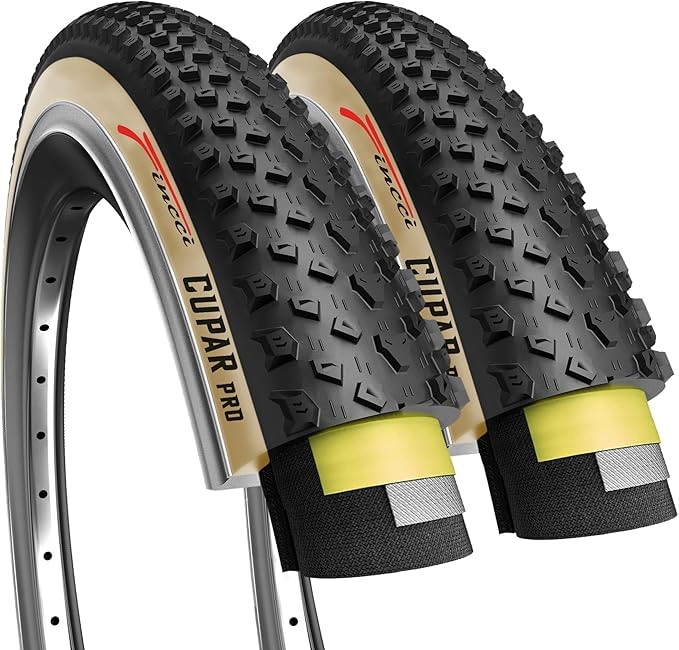
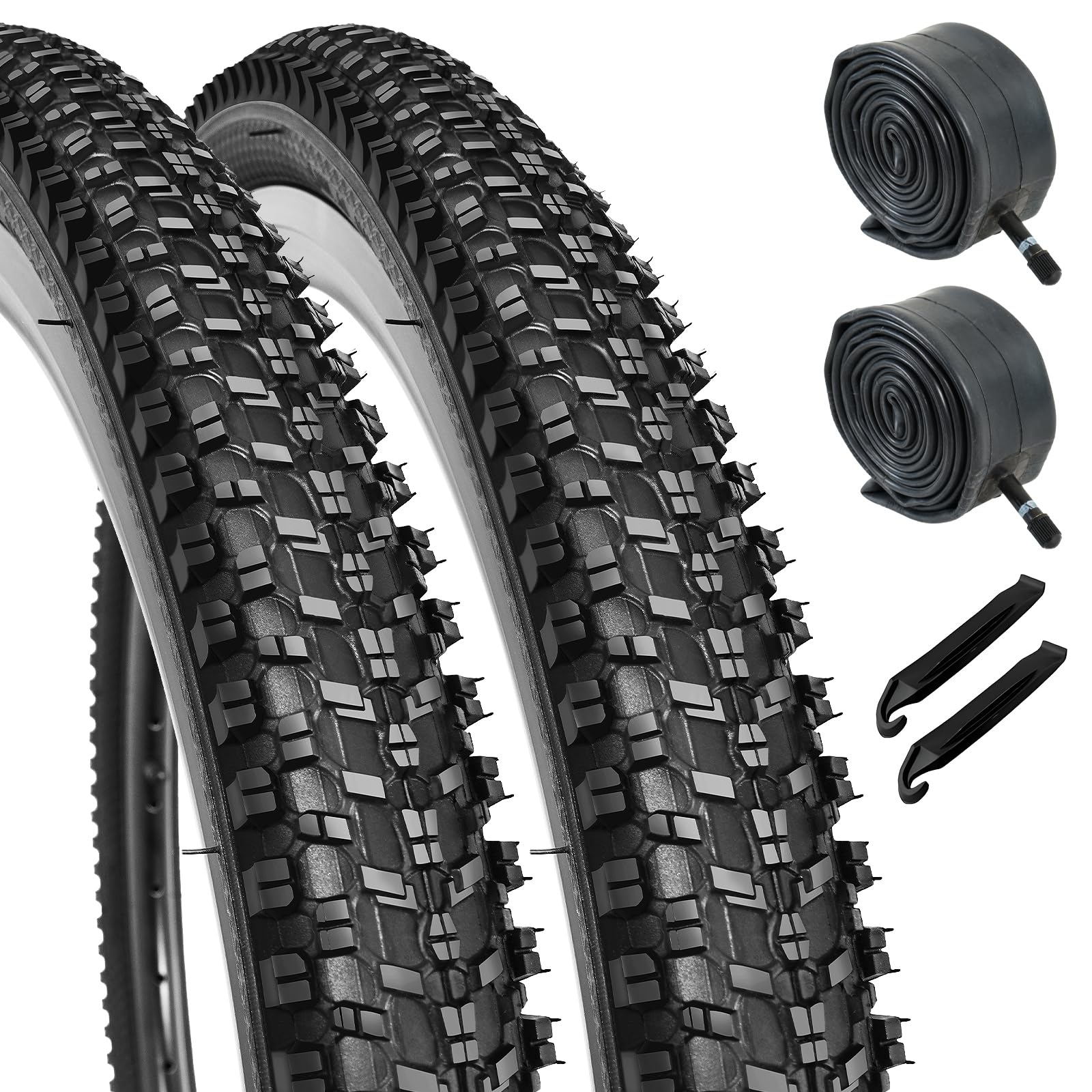
Why Choose Road Tires for a Mountain Bike?
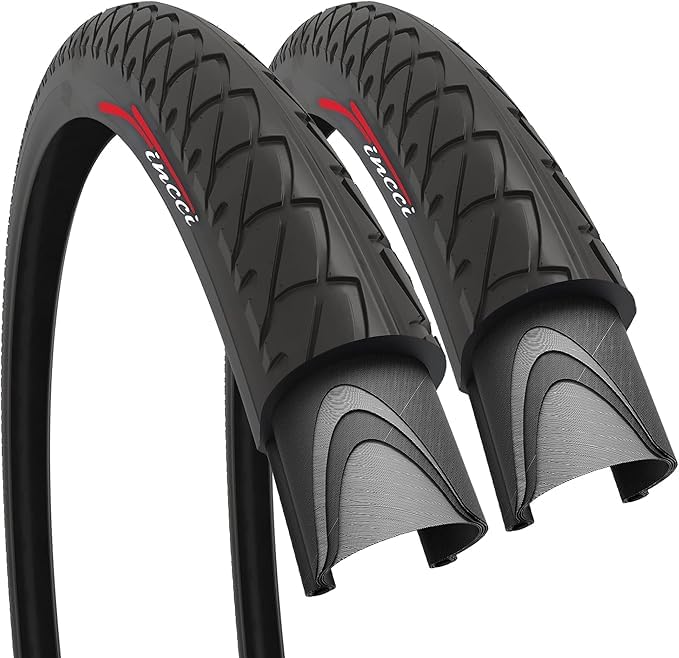
Knobby mountain tires grip loose trails well but buzz, drag, and wear fast on pavement. A road biased tire with a smoother centre tread rolls faster, quieter, and with less effort, which makes commuting and fitness rides far more pleasant. Many riders keep knobby tires for trail days and swap to road tires for the week, since swapping tires is cheaper than buying a second bike.
Road tires also improve braking on pavement, since more rubber contacts the road than with widely spaced knobs. The trade off is less grip on mud and loose gravel, so road tires suit riders whose miles are mostly paved with only light trail sections. Be honest about your surface mix before switching.
Sizing and Width: Getting the Fit Right
Check your current tire sidewall for size markings before ordering, since 26 inch covers several widths and bead standards. A road tire must match your rim diameter and sit within the width range your rim and frame allow. Frame clearance matters too, since wide tires can rub forks, stays, and fenders.
Width affects comfort and speed together. Narrower road tires, around 1.25 to 1.5 inches, roll fast and feel lively but transmit more road buzz. Wider tires, around 1.75 to 2.0 inches, absorb bumps better and grip more, at a small speed cost. Most commuters prefer the wider end for comfort on rough city roads.
Tread Patterns for Road Biased Riding
A smooth centre with light side tread is the classic road biased pattern: the centre rolls fast on pavement while side tread bites in corners and on light gravel. Fully slick tires roll fastest on dry roads but can feel nervous on wet paint, leaves, and gravel patches. A lightly textured centre offers a good compromise for mixed surfaces.
Avoid deep knobs for road use, since they squirm under braking and wear quickly on pavement. Also avoid tires marketed only for racing if you ride rough roads daily, since thin casings puncture more easily. Match tread to your worst regular surface, not your best.
Puncture Protection and Durability
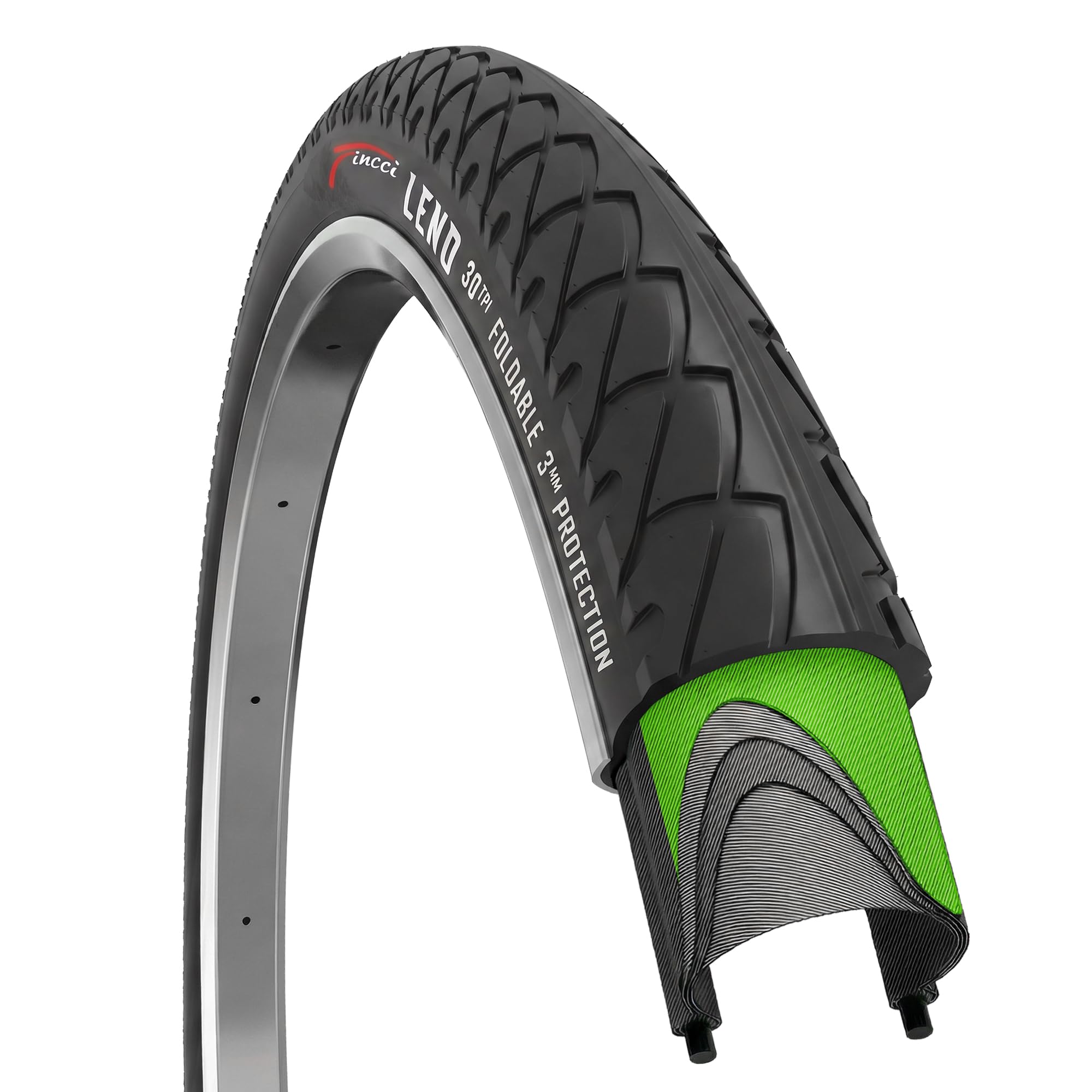
Puncture protection layers under the tread reduce flats from glass, thorns, and sharp stones, which matters for commuting where a flat makes you late. Thicker protection adds weight and rolling resistance, so balance protection against speed for your route. City riders with debris strewn roads should favour protection, while smooth trail riders can favour lightness.
Casing quality also affects durability and ride feel. Higher thread count casings feel suppler and roll better, while tougher casings resist cuts. Inspect tires regularly for cuts, embedded objects, and worn tread, and replace a tire whose casing shows threads or whose sidewall is cracked.
Pressure Setup for Road Riding
Pressure shapes speed, comfort, and puncture risk together. Higher pressure rolls faster on smooth roads but feels harsh and can bounce on rough surfaces, reducing grip. Lower pressure absorbs bumps and grips better but risks pinch flats if you hit a pothole hard. Start near the middle of the printed range and adjust by feel.
Heavier riders and loaded bikes need higher pressure than light riders on the same tire. Check pressure weekly with a gauge, since tires lose air slowly and a soft tire feels sluggish and wears faster. Carry a pump or inflation cartridges on longer rides so a slow leak does not end your day.
When to Replace and How to Stay Safe
Replace tires when tread wears smooth in the centre, when cuts expose casing threads, or when sidewalls crack with age. Old tires harden and grip less even if tread remains, so age matters as well as wear. Inspect both tires before long rides and after riding through debris.
Ride safely on road tires by braking earlier on wet surfaces and avoiding painted lines and metal covers in the rain. Wear a helmet, keep brakes adjusted for the tire width, and check that quick releases are tight after any wheel removal. Good tires help, but careful riding and maintained brakes keep you safe.
Guides That Pair With This One
General 26 inch options appear in our guide to best mountain bike tires 26 inch, which covers the full size range including trail models. It is a useful starting point for size questions.
All round choices are compared in our guide to best all around 26 inch mountain bike tire for riders who mix road and trail. All round tires bridge the gap this guide describes.
Tubeless fans should read our guide to best 26 inch tubeless mountain bike tires for sealant and rim compatibility advice. Tubeless setups reduce pinch flats but need compatible rims.
Finally, our guide to best mountain bike tires 26 options rounds out the category. Use it to compare road, trail, and mixed tires side by side.
Swapping Tires Seasonally
Some riders keep two wheel sets, one with road tires and one with knobby tires, and swap wheels rather than tires. Wheel swapping takes minutes and avoids tire lever wrestling, though a second wheel set costs more upfront. If you swap tires on one wheel set, learn proper lever technique to avoid pinching tubes and damaging beads.
Mark tire direction and position when you remove tires, since some treads are directional and rotation affects wear. Inspect rims and rim tape during swaps, and replace worn tape before it causes flats. Seasonal swapping keeps one bike versatile across commuting and trail seasons without buying a second bicycle.
One more habit pays off: check tire wear and sidewall condition each month, and swap front and rear tires if wear differs greatly. Even wear extends tire life and keeps handling predictable across both wheels.
Frequently Asked Questions
Can I put road tires on any 26 inch mountain bike?
You can put road tires on most 26 inch mountain bikes if the tire diameter matches your rims and the width clears your frame, fork, and fenders. Check sidewall size markings and measure clearance before ordering. Very old or unusual rim standards may limit choices, so confirm bead diameter with a bike shop if markings are worn. Most standard 26 inch mountain bikes accept road tires without modification.
What width road tire is best for commuting?
A width of 1.5 to 1.75 inches suits most commuters, balancing speed, comfort, and puncture resistance. Narrower tires feel faster on smooth roads but transmit more vibration on rough streets. Wider tires absorb bumps and grip better in the wet at a small speed cost. Choose toward the wider end if your route includes rough pavement, potholes, or loaded panniers.
Do road tires work on light trails?
Road biased tires work on hard packed trails, gravel paths, and dry dirt, but they struggle in mud and loose gravel where knobs bite better. A lightly treaded road tire with side tread handles occasional trail sections well. If your rides are mostly trails, keep knobby tires and accept slower road speed. Match the tire to the surface you ride most, not the surface you ride rarely.
How often should I replace mountain bike tires?
Replace tires when tread wears smooth, cuts expose casing threads, or sidewalls crack, which for regular riders often means every 2,000 to 4,000 miles depending on surface and weight. Inspect tires monthly for embedded glass and cuts, and replace both tires if wear is even. Old tires harden with age and grip less, so a tire stored for years may need replacing even with tread remaining.
What tire pressure should I use?
Start in the middle of the pressure range printed on the sidewall and adjust by feel and rider weight. Heavier riders and loaded bikes need higher pressure, while lighter riders can run lower pressure for comfort. Check pressure weekly with a gauge, since slow leaks make tires feel sluggish and increase pinch flat risk. Avoid the extremes of the range unless your surface demands it.
Final Thoughts
Match road tires to your real surface mix, choose a width that balances speed and comfort, and favour puncture protection for city riding. Check size markings and frame clearance before ordering, and set pressure by weight and feel rather than by habit.
Done right, road tires turn a trail bike into a fast, quiet commuter without buying a new bicycle. Use the product table as a final cross check while you shortlist the best 26 inch road tires for mountain bike that fits your rims and your routes.