Best 29 Inch Tubeless Mountain Bike Tires: A Checklist for Choosing Well
Disclosure: We may earn a commission when you buy through links on this page, at no extra cost to you. As an Amazon Associate I earn from qualifying purchases. Learn more

Trail riders get a clear checklist for the best 29 inch tubeless mountain bike tires: fit, tread, casing, and sealant setup.
Tires are the only part of your bike that touches the trail, and going tubeless changes how they grip, roll, and survive sharp rocks. This guide gives you a clear checklist for judging the best 29 inch tubeless mountain bike tires before you spend anything: compatibility, tread, casing strength, and honest setup effort. Work through the criteria in order and the right choice for your trails becomes obvious.
The product table lists current options side by side. Use the checklist to read it properly, because the widest tire or the lowest price rarely tells you how a tire will corner, climb, or seal.




How to Evaluate 29 Inch Tubeless Mountain Bike Tires
Each criterion below includes the range that usually works and the point where a tire starts to struggle. No single score decides anything. A tire that aces tread but fails your rim width or frame clearance is the wrong tire, so treat the first criterion as a pass or fail gate and the rest as quality rankings.
Rim and Frame Compatibility
Start with three measurements. Your rim internal width should suit the tire width: tires around 2.3 to 2.5 inches wide pair well with rims around 28 to 32 mm internal. Your frame and fork must clear the tire at full width, including mud room on wet trails. And the tire bead and rim must both be tubeless ready, since mixing a tubeless rim with a non tubeless tire often leaks air slowly.
Safety and Grip
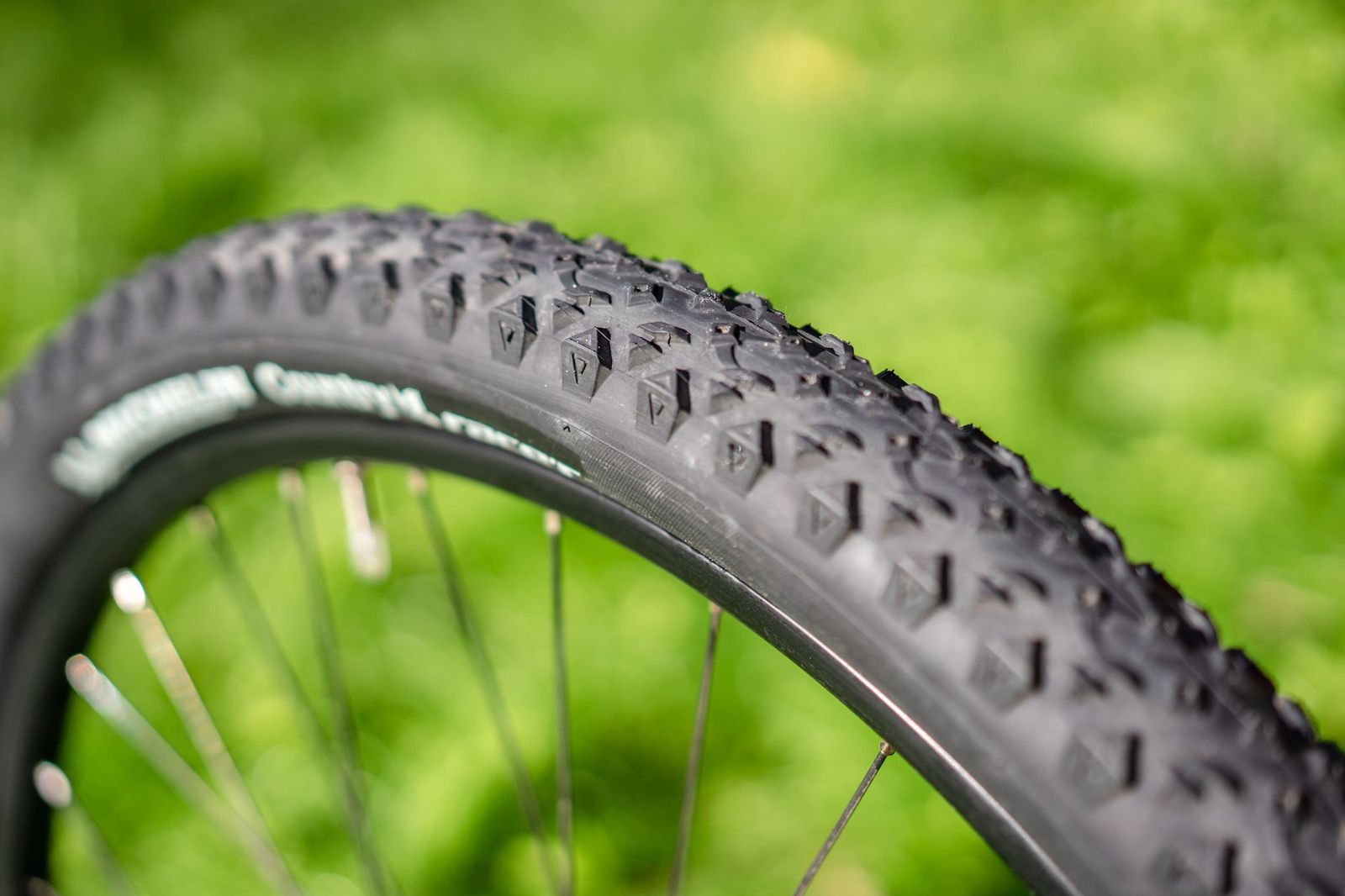
Grip is a safety feature on a mountain bike. Look for a tread pattern that matches your ground: tall, widely spaced knobs for mud and loose soil, lower and denser knobs for hardpack and rock. Shoulder knobs should be supported and siped so the tire bites when you lean into corners. Stop and inspect any tire with deep sidewall cuts before riding, because a cut that sealant cannot close can fail suddenly on a descent.
Warranty and Brand Support
Tires are wear items, so warranties usually cover manufacturing defects rather than worn tread or trail damage. What separates makers is how clearly they publish pressure ranges, rim width guidance, and weight, and whether replacement stock is easy to find mid season. Good support also means honest casing descriptions, so you know whether you are buying a light trail casing or a reinforced one before the first rocky ride.
Performance Specs
The specs that matter are tread compound, casing construction, and sensible pressure. Softer compounds grip better and wear faster, while harder compounds roll quicker and last longer, and many tires blend both across the tread. Casing thread count and extra sidewall layers trade weight against cut resistance.
Features and Extras
Useful extras on a tubeless tire include reinforced sidewalls for rocky terrain, puncture belts under the tread, and clear markings for rotation direction and maximum pressure. Some tires are rated for electric mountain bike use, which means a stronger casing for extra weight and torque. Folding beads save weight and pack space over wire beads. None of these extras replace the basics: correct width, sound tread, and fresh sealant do more for your ride than any badge on the sidewall.
Build Quality and Weather Resistance
Judge build quality by consistency. The tread should sit straight on the rim with no wobble, the bead should seat with an even line all around, and the casing should feel uniform without thin spots. Weather resistance for a tire mostly means compound behavior: some rubber hardens in deep cold and loses grip, while quality compounds stay supple. Sealant also has a climate limit and dries faster in hot, dry regions, so plan shorter refresh intervals there.
Ease of Installation
Tubeless setup ranges from easy to stubborn depending on the tire and rim pairing. A cooperative setup seats with a floor pump and a sharp push of air; tight combinations may need a compressor or an air booster canister. Technique matters more than strength: soap the bead lightly, push the bead into the rim center well all around, and remove the valve core for the first inflation. If a tire will not seat after patient attempts, a shop can finish the job safely in minutes.
Three Tire Profiles That Pass the Checklist
Use these three profiles to classify anything in the product table. If a listing matches a profile on width, casing, and tread, it will ride like that profile regardless of branding.
The All Round Trail Profile
This profile uses a tire around 2.4 inches wide, a medium weight casing with light sidewall support, and an open tread with strong shoulder knobs. It grips on loose climbs, corners with confidence, and still rolls acceptably on hardpack. Around $50 to $80 per tire is typical. Its limit is extreme terrain: very rocky descents or deep mud ask for more casing or more knob than this balanced design carries.
The Value Profile
Value tires, often around $35 to $55, keep the tubeless ready bead and a proven tread shape but use a simpler single compound and a basic casing. They suit newer riders, spare wheelsets, and hardpack heavy trail networks where ultimate cornering grip is rarely tested. Expect a bit more weight and faster shoulder knob wear. The money saved is real, and for gentle trails the performance gap is smaller than the price gap.
The Premium Profile
Premium tires, often around $80 to $110, combine dual compounds, reinforced casings, and refined knob layouts that grip on wet roots and loose rock while lasting longer than you would expect from soft rubber. They suit riders on steep, technical trails and electric mountain bikes that punish standard casings. The trade off is price and sometimes weight. If your trails are smooth, this profile buys capability you will never use, so spend the savings on a second set for different conditions instead.
Quick Buyer Checklist
- Is the tire marked tubeless ready, and is my rim tubeless ready too?
- Does the tire width match my rim internal width and my frame clearance?
- Does the tread pattern match the ground I ride most, mud, loose, or hardpack?
- Is the casing strong enough for my rocks, my weight, and any motor power?
- Do I have sealant, tubeless valves, and tape in good condition at home?
- Is the maximum pressure printed clearly, and do I own a gauge I trust?
- Can I buy the same tire again mid season if I cut one beyond repair?
If you answered no to either of the first two questions, pause the purchase. Compatibility failures are the main reason tubeless setups disappoint, and they are fully preventable with five minutes of measuring. Shoppers still deciding between tubed and tubeless setups can compare our guide to the best 29 inch mountain bike tires for the broader category.
Red Flags to Watch For
- Vague specifications. No stated width, casing, or compound information means the seller is hiding a basic product.
- No pressure range printed. A tire without a clear maximum pressure is a safety concern, not a bargain.
- Suspicious review patterns. Clusters of glowing comments that never mention setup, terrain, or wear tell you nothing useful.
- Missing tubeless marking. A tire sold as suitable for sealant should say tubeless ready on the sidewall or packaging.
- Impossible weight claims. A reinforced wide tire cannot also weigh almost nothing, so treat feather light claims for burly casings as fiction.
One more caution: never exceed the lower of the tire or rim maximum pressure when seating a bead. If the bead will not seat at safe pressure, deflate, add soapy water, and try again rather than forcing it with more air.
Setup and Care Tips
Check your rim maker guidance for tape width and pressure limits before the first setup, because rims differ. Refresh sealant every two to six months depending on climate, since dried sealant cannot plug new holes. Top up through the valve with the core removed to avoid a messy full unmount.
Inspect tread and sidewalls monthly, keeping a close eye on the rear tire, which wears fastest, and replace tires when shoulder knobs tear or the casing shows threads. Carry a tube and plugs on every ride anyway, because a large cut can defeat any sealant.
Frequently Asked Questions
Will a 29 inch tubeless tire fit my bike?
It fits if three things agree: your wheels are 29 inch, the tire width clears your frame and fork with room for mud, and the width suits your rim internal width. Check the frame maker stated maximum tire size, which is the limit riders most often miss. Riders with smaller wheels can also read our guide to the best 26 inch tubeless mountain bike tires for the smaller format.
Do I need professional installation for tubeless tires?
No, most riders can set up tubeless tires at home with a floor pump, sealant, and patience, and no professional installation is required. The exception is a very tight tire and rim pairing, where a shop compressor seats the bead in seconds. Learning the home method is worthwhile regardless, because trailside repairs and sealant refreshes use the same simple skills and tools.
How long do tubeless mountain bike tires last?
Life depends on terrain, compound, and how hard you ride, but many trail tires deliver roughly 500 to 1,500 miles before the tread loses its edge. Rear tires wear about twice as fast as fronts. Replace a tire sooner if sidewall cuts appear, knobs tear off in numbers, or sealant weeps constantly through the casing, because those are structural warnings rather than cosmetic wear.
What specs matter most for tubeless mountain bike tires?
Width matched to your rim, tread matched to your terrain, and casing matched to your rocks matter most, in that order. Compound comes next, balancing grip against wear. Weight is the spec to weigh last, since a slightly heavier tire that finishes every ride beats a light one that flats. For alternate naming of the same category, see our guide to the best tubeless mountain bike tires 29, and for tread comparisons across sizes, our guide to the best mountain bike tires 29.
Our Verdict
Run the checklist in order: fit, tread, casing, then price. A tire that passes all four is the practical best 29 inch tubeless mountain bike tires choice for your trails, whatever the marketing around it claims. Pick your profile in the product table, budget for fresh sealant and valves, and enjoy the grip and flat protection that made tubeless the trail standard.