
Best 26 Inch Snow Blower in 2026: Buying Guide and Top Picks
Disclosure: We may earn a commission when you buy through links on this page, at no extra cost to you. As an Amazon Associate I earn from qualifying purchases. Learn more
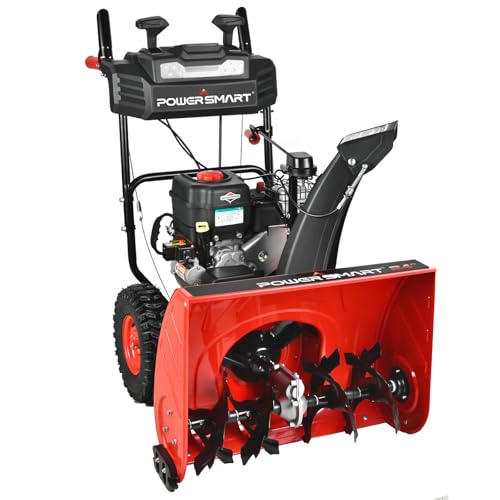
What to look for in the best 26 inch snow blower: the main types, key features, realistic price ranges and mistakes to avoid before you order.
A 26 inch clearing width sits in a sweet spot for most homes. It is wide enough to clear a two car driveway in a handful of passes, yet still narrow enough to store in a crowded garage and steer around parked cars. Choosing the best 26 inch snow blower for your home comes down to the stage type, the power source, and how your machine handles deep or wet snow.
This guide compares the main types sold at this width, then walks through the features, materials, and costs that separate a good match from a frustrating one. Use the product table below the intro to compare current models, then read on for the sizing and care advice that helps you pick with confidence.

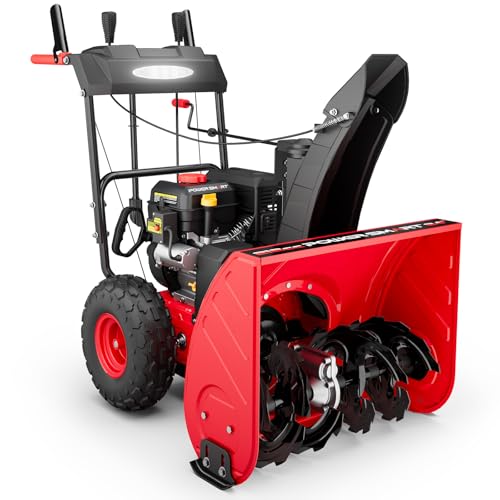

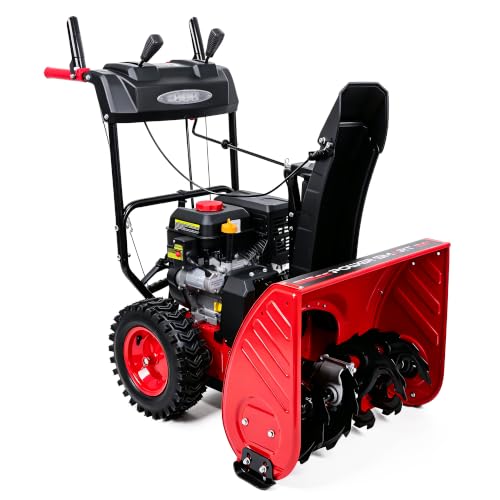
Types Compared at a Glance
Nearly every 26 inch model is built for serious snowfall, but the three types below clear it in different ways. Knowing the difference matters more than any single spec, because the wrong type will struggle no matter how strong its engine or motor feels on paper.
- Two stage gas: An auger gathers snow and a separate impeller throws it far from the path. This is the most common design at 26 inches and the safest default for deep or wet snow, which is why our guide to the best two stage snow blower focuses on this class.
- Two stage battery: The same two stage clearing action, powered by large battery packs instead of fuel. You skip oil changes and fuel storage, but you pay more up front and must keep the packs charged and warm.
- Three stage gas: An added accelerator moves snow to the impeller faster. It shines in very deep drifts, though it costs more and adds parts to maintain.
How to Compare 26 Inch Snow Blowers
Compare models on five things. First, build materials and weather resistance, because a machine that lives in a cold garage and works in wet snow needs a housing and chute that shrug off rust. Second, size and capacity, meaning clearing width, intake height, and how far the machine throws snow. Third, assembly effort, since most models arrive partly assembled and need the handles and chute fitted before the first storm. Fourth, durability signals such as steel wear parts and available replacement belts and shear pins. Fifth, warranty length and whether service is easy to find near you.
How to Choose the Right Snow Blower
Size and Form Factor
At 26 inches wide, these are full size walk behind machines, and most pair that width with an intake height around 20 to 21 inches. That opening swallows snow up to about knee depth in one pass and still lets you take a second pass through taller drifts by clearing in layers. Two stage and three stage designs dominate this size because a single stage paddle cannot throw heavy snow far enough at this width. Expect the machine to feel substantial. Look for a drive system with several forward speeds and at least one reverse gear, since pushing a machine this size without powered wheels turns clearing into a workout.
Power Source and Stage Type
Gas engines remain the default at this width because they run as long as you keep fuel in the tank, which suits long driveways and back to back storms. Battery models at 26 inches use two large packs together and clear a typical suburban driveway on one charge in moderate snow, with less noise and no fuel to store. If you are still weighing the clearing designs themselves, our breakdown of single stage vs two stage snow blower explains how each one moves snow. Shoppers who want the quiet option can compare the leading designs in our roundup of the best battery snow blower models before deciding.
Features Worth Paying For
Electric start earns its cost the first time you fire up a cold engine with gloves on, since you plug in, push a button, and go. Power steering, usually trigger controls that free one wheel at a time, makes a heavy 26 inch machine turn at the end of a pass without a wrestling match. Heated hand grips sound like a luxury until a long session in biting wind, and LED headlights matter if you clear before work or after dark. A chute you can aim from the handle, ideally with a remote deflector control, saves constant stops to redirect the snow stream. Skip paying extra for oversized engines if your snowfall is usually light and dry.
Weather Resistant Materials
Snow is wet, road salt is corrosive, and these machines sit in unheated spaces for most of the year, so materials decide how long yours stays solid. A steel auger housing and steel chute handle slush and icy chunks without cracking the way plastic can in deep cold. Look for a powder coated finish on the housing, sealed bearings, and a skid shoe design in steel rather than thin stamped metal, because shoes wear against pavement all winter. Plastic parts are not all bad news. Polymer chutes resist denting and shed sticky snow well, so judge each part by where it sits and what hits it.
Size for Your Space
Measure before you buy. A 26 inch machine typically needs a storage footprint of roughly 27 inches wide and 48 inches long with the handles up, and many handles fold to save room in summer. Check the doorway or gate the machine must pass through, since the housing is wider than the clearing path suggests once the chute is fitted. Weight matters for storage too. Most models at this size weigh about 150 to 220 pounds, so plan a flat floor spot rather than lifting it onto a platform. Assembly is light work, usually handles, chute, and control rods with basic tools in under an hour.
Care and Off Season Storage
Rinse or brush off salt and slush after storms once the machine has cooled, and let it dry before you park it, because trapped moisture rusts the housing and auger. During the season, check the skid shoes and scraper bar for wear, keep the tire pressure even so the machine tracks straight, and inspect the belts for cracks. Before summer storage, drain the fuel or add stabilizer and run the engine briefly to move treated fuel through the carburetor, then clean the machine and store it under a breathable cover. Our step by step guide on how to winterize a snow blower walks through the full routine.
How Much Should You Spend?
Most 26 inch two stage gas models sell for about $700 to $1,200, with lighter duty versions starting near $600 in a good sale. Battery models at this width usually run about $900 to $1,500 once you include the packs and charger, and three stage gas machines can pass $1,400. Spending more mainly buys power steering, heated grips, stronger steel parts, and longer warranties rather than a wider path. If your area sees only a few moderate storms each year, the lower end of the gas range covers you. Frequent deep snow justifies the upper tiers, since struggling through one bad storm costs more time than the price gap.
Is a 26 Inch Snow Blower the Right Size for You?
Choose 26 inches if your driveway holds two or more cars side by side, your region regularly gets storms of 8 inches or more, or your street plow leaves a dense ridge at the apron. Compared with a 24 inch model, the extra width saves roughly one pass in every ten on a standard driveway and usually comes with a taller intake and a stronger drive. A 28 or 30 inch machine clears faster still, but it is heavier, harder to turn in tight spots, and overkill for a single width driveway. If your property is small and your snow is light, a narrower machine from our guide to the best snow blower options for every home size may serve you better.
FAQ
What size snow blower do I need for a two car driveway?
A 26 inch two stage model clears a typical two car driveway, about 18 to 20 feet wide, in roughly six to eight passes. Count your storms as well as your space. If most snowfalls stay under 6 inches, a 24 inch machine handles the job with less weight to manage. If deep storms are routine, the taller intake and stronger throwing power at 26 inches save real time and effort.
Can a 26 inch snow blower clear the snow pile at the end of a driveway?
Yes, and this is where two stage designs earn their price. The pile left by a street plow is dense and partly frozen, so slow down, let the auger chew at its own pace, and take half width passes instead of ramming the full housing into the ridge. Breaking the top of the pile down with a shovel first makes the work easier still. Never reach into the chute or auger housing to clear a jam. Shut the machine off and use the clean out tool clipped to the housing.
How long does a snow blower last?
A well kept 26 inch machine commonly serves 10 to 15 years of home use. Longevity depends mostly on off season fuel care, dry storage, and replacing wear parts such as belts, skid shoes, and shear pins before they damage other parts. Homes near salted roads may see faster rust, so washing off salt after storms adds years. You can read more in our article on how long does a snow blower last and what shortens that span.
How do you clean a 26 inch snow blower after each use?
Run the auger for a few seconds after the last pass to spin out loose snow, then shut the machine down and brush snow from the housing, chute, and controls with a stiff brush. Clear the chute only with the clean out tool, never your hands, even with the engine off, because a bound impeller can shift without warning. Once the machine is dry, park it on a mat so melt water does not pool under the housing overnight.
Is a snow blower worth it for a home with moderate snow?
For many homes, yes. If you clear more than about six storms a season, or your driveway takes longer than 20 minutes to shovel, a machine pays for itself in saved time and far less strain on your back and shoulders. Shoveling heavy snow is hard physical work, so anyone told by a doctor to limit that kind of exertion should treat a powered machine, or hired help, as the safer plan and talk with their clinician about personal limits.
Final Thoughts
Match the type to your snowfall first, then let steering, starting, and chute controls decide between close options. For most homes with a two car driveway and real winter weather, the best 26 inch snow blower is a two stage model with electric start, power steering, and a steel housing you can store flat in the garage. Compare your finalists in the product table above, confirm the storage footprint fits your space, and order before the first forecast rush, when popular sizes sell out fast.

