
Best 29 Inch Mountain Bike Rims by Budget: Smart Picks for 2026
Disclosure: We may earn a commission when you buy through links on this page, at no extra cost to you. As an Amazon Associate I earn from qualifying purchases. Learn more

Choose the best 29 inch mountain bike rims by budget, width, material, and hub fit with this clear buying guide and practical checklist.
Rim prices range from under $60 for a basic alloy hoop to several hundred dollars for carbon, and product pages rarely explain what changes as you spend more. This guide breaks down the best 29 inch mountain bike rims by budget so you can match width, material, and hub standards to your bike without paying for the wrong upgrade.
Whether you are replacing a dented rim or building a lighter wheelset, the same checks apply: fit first, width second, then material and weight. Use the product table to compare the options once you know your axle and hub requirements.

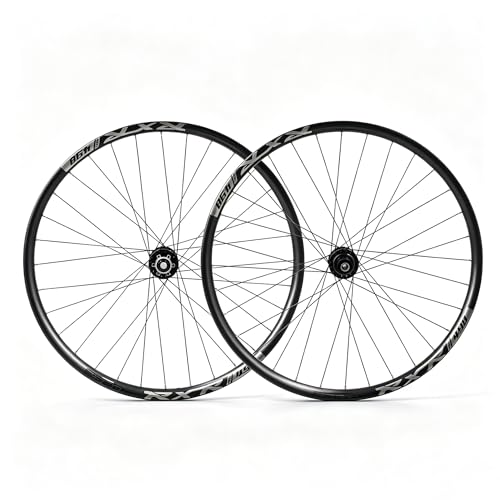


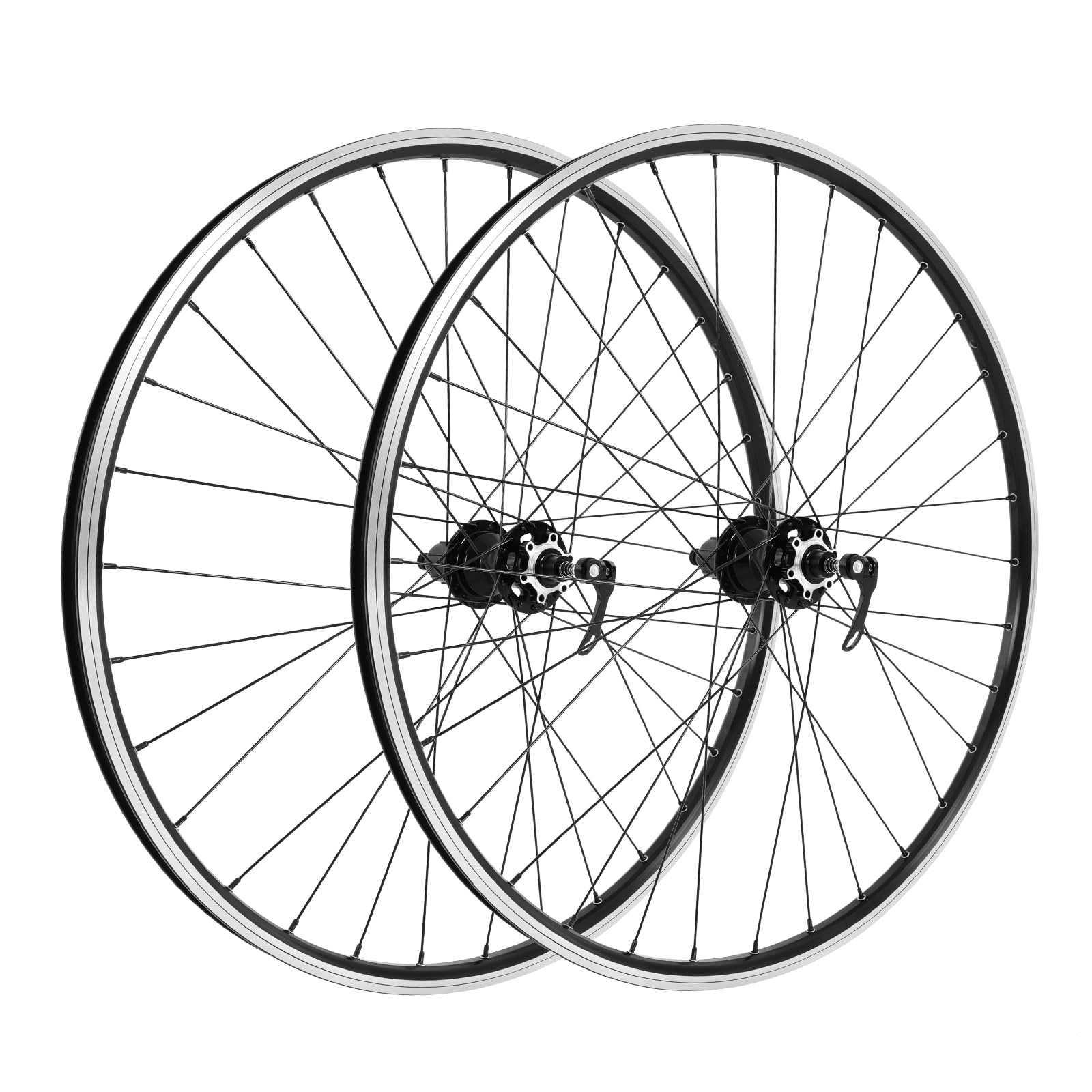


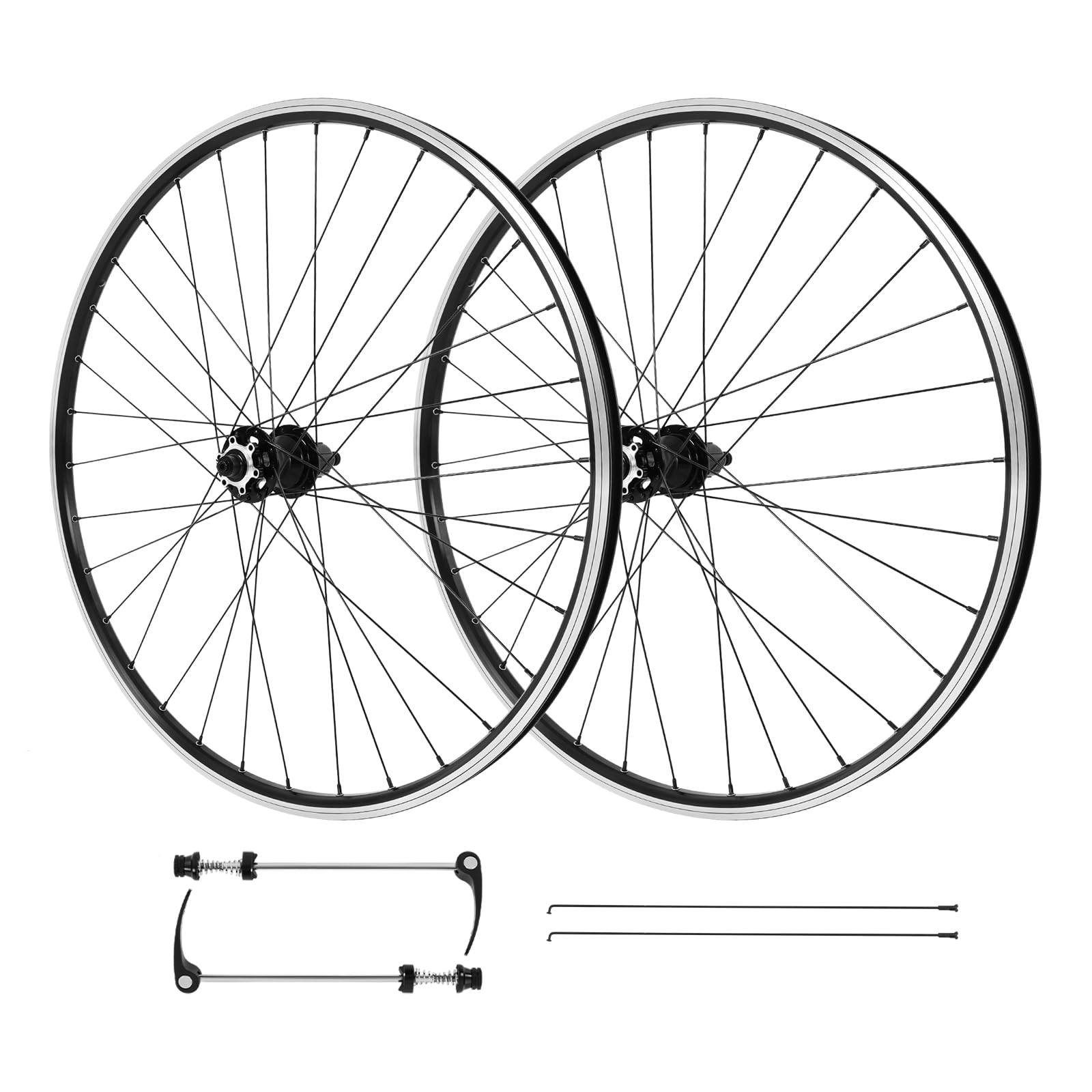
How to Choose the Best 29 Inch Mountain Bike Rims by Budget
Instead of chasing a single model name, judge each rim against the priorities for its price tier. A rim that meets its tier checklist will ride well and last, while a rim that misses a basic fit requirement is a poor buy at any price.
Budget Tier Priorities
At around $50 to $100 per rim, insist on correct diameter, correct spoke count for your hub, and a rim bed that seals for tubeless use if your tires support it. Alloy construction is standard here and perfectly durable for trail riding. Eyelets around the spoke holes are a welcome sign of careful building at this price.
Accept extra weight as the main trade off. A budget rim that is straight, evenly finished, and properly wide for your tires will outperform a lighter rim with poor quality control.
Midrange Tier Priorities
At around $100 to $200 per rim, expect lighter alloy, cleaner welds or joints, and more width choices for modern tires. Many midrange rims add stronger sidewalls that resist dents from rock strikes at low pressure. This tier suits riders building a durable wheelset for regular trail use.
Look for published weight and internal width figures you can verify against your tire maker guidance. Honest specs at this tier signal a maker that supports home builders with spoke length data and clear tension limits.
Premium Tier Priorities
At around $200 to $450 per rim, carbon construction enters the picture along with the lightest alloy options. Premium rims promise faster acceleration, precise steering feel, and often lifetime warranty coverage against defects. Aggressive riders and racers gain the most from this step.
Carbon demands more care: use the maker torque limits, correct nipple washers if required, and inspect after hard impacts. If you ride rocky terrain at low pressure every week, a strong premium alloy rim may outlast a light carbon one.
What Your Money Gets You at Each Price Tier
Budget Tier: What to Expect
Budget alloy rims are heavier and usually narrower, often around 23 to 25 mm internal width, which suits tires up to about 2.3 inches wide. They build into dependable wheels for training, commuting on rough roads, and general trail use. Finish and weight consistency vary more between samples, so inspect the rim joint and bead seat before building.
For a replacement on an older bike, this tier often makes the most sense. It restores safe riding without spending more than the bike itself is worth, especially when your hubs and spokes remain sound.
Midrange Tier: The Sweet Spot for Most Buyers
Midrange rims widen to about 28 to 32 mm internal width, supporting modern trail tires in their intended shape for better cornering grip. Weight drops enough to feel on climbs, and bead designs seal tubeless setups more reliably. Most riders building one quality wheelset for years of use should land here.
This tier also brings better support: clear build guides, available replacement stock, and warranties that cover real riding. Those practical benefits matter as much as the grams saved.
Premium Tier: When Spending More Pays Off
Premium spending pays off when wheel weight and stiffness limit your riding, or when warranty support protects a hard used bike. Carbon rims can mute trail vibration in a way many riders notice on long descents. Layup quality varies, so favor makers that publish impact data and offer crash replacement terms.
If your current wheels are midrange and healthy, premium rims alone will not transform the bike. Tires, pressure, and suspension setup deliver larger gains for less money, so upgrade rims when damage or a build project gives you a clear reason.
Features Worth Paying For (and Ones to Skip)
Riding Style and Rim Width
Width must match both tire and terrain. Cross country riders on tires around 2.2 to 2.4 inches wide do well with rims near 25 to 30 mm internal width, while trail riders on wider tires benefit from about 30 to 35 mm. A rim that is too narrow makes the tire bulge and fold in corners, wasting the grip you paid for.
If you are still choosing the complete bike these rims will serve, our guide to the best 29 inch mountain bike explains how wheel choices fit the whole package. Riders comparing naming conventions can also check our article on the best mountain bike rims 29 for the same size class.
Tubeless Setup and Bead Design
A well shaped rim bed and secure bead shelf are worth paying for because they keep tires seated at low pressure and make inflation easier. Deep center channels help mounting, while small bead retention features resist burping air in hard corners. Rim tape quality and valve fit complete the system, so budget for fresh tape with any new rim.
Pair the rim with suitable rubber using our guide to the best 29 inch mountain bike tires, which covers widths that match each rim class. Correct pairing prevents the vague cornering feel riders often blame on the rim alone.
Hub, Axle, and Brake Compatibility
A rim itself is only a hoop, but the wheel you build from it must match your frame axle standard, hub spoke count, and brake rotor mount. Confirm whether your bike uses quick release or thru axles and whether the spacing is standard or Boost before ordering parts. Mixing standards is the most common cause of returns in wheel projects.
Disc brake wheels also need the correct rotor interface on the hub, either center lock or six bolt. The rim does not decide this, but your build plan must, so list hub specs beside rim specs before you spend anything.
Weight and Components Upgrade Path
Rotating weight at the rim matters more than the same weight at the frame because you spin it up to speed on every acceleration. Still, durability should win ties: a slightly heavier rim that survives your rocks beats a fragile rim that saves a few grams. Spoke count is part of this balance, with heavier or more aggressive riders favoring 32 spokes.
Think about the full build cost, not just the rim price. New spokes, nipples, tape, valves, and possibly a professional build fee can double the project total, which changes which tier truly fits your budget.
Long Term Costs to Factor In
Owning good rims costs more than the purchase price. Budget for rim tape and sealant refreshes, spoke replacements after impacts, and periodic truing to keep the wheel straight and tension even. Carbon rims may carry inspection or crash replacement fees, while alloy rims usually fail by denting, which should be assessed promptly for safety.
A sensible reserve is about $50 to $100 per year for a regularly ridden wheelset, covering tape, sealant, a few spokes, and one professional true. Keeping tires at sensible pressure is the cheapest rim protection you can buy.
FAQs
Can I use these rims on an electric mountain bike?
Only if the rim maker approves electric use. Choose stronger rims rated for the higher total weight and torque, and follow the manufacturer's instructions. Heavier system weight punishes light rims quickly on rough trails, and e bike class rules depend on the motor, not the rim.
Does rim weight change how a bike feels?
Yes, lighter rims make acceleration and climbing feel a little easier, since you spin them up on every pedal stroke. Stiffness, width, and tire pressure shape ride feel just as much. Durability should still win ties on rocky trails.
Hardtail or full suspension for beginners?
Either design can use the same rim standards, so beginners should choose rims for their tires and terrain rather than suspension type. Full suspension bikes strike rims at higher speeds on rough trails, which argues for stronger sidewalls. Hardtail riders often run slightly lower pressure for comfort, which argues for good bead retention instead.
How much should I spend on my first bike rim replacement?
For a first replacement, a midrange alloy rim around $100 to $200 usually gives the best mix of width choice, tubeless reliability, and durability. Spend less if the bike is older and the repair is about staying safe, and spend more only when the rest of the wheel and bike justify it. Include build labor in that budget.
What size bike do I need?
Rim size is about the wheel, not your body, so the real question is whether 29 inch wheels suit your frame size and riding. These rims only fit 29 inch forks, frames, hubs built for this diameter, and matching tires. If you are unsure which complete bike fits you, our guide to the best affordable 29 inch mountain bike covers entry pricing, and fit advice for male riders appears in our guide to the best men's 29 inch mountain bike.
The Bottom Line
Confirm hub and axle fit first, choose internal width for your tires second, and then pick the material your budget supports. Midrange alloy is the value sweet spot for most trail riders. When you are ready, compare the best 29 inch mountain bike rims in the product table and order the width that matches your tires.


