Best 3k Mountain Bike: A First Time Buyer's Guide for 2026
Disclosure: We may earn a commission when you buy through links on this page, at no extra cost to you. As an Amazon Associate I earn from qualifying purchases. Learn more
Shopping for the best 3k mountain bike for the first time? Learn the terms, compare options, and avoid rookie mistakes with this easy guide.
Spending around three thousand dollars on your first serious mountain bike is exciting and a little nerve wracking, because the parts lists are long and every term sounds essential. This guide explains the best 3k mountain bike choices in plain language, starting with the basics and ending with a confident shortlist. At this budget you can buy a bike that lasts for years, as long as the money lands on the parts that matter.
Your local trails, not marketing categories, should make the final call between the styles described here.
3k Mountain Bikes 101: The Basics
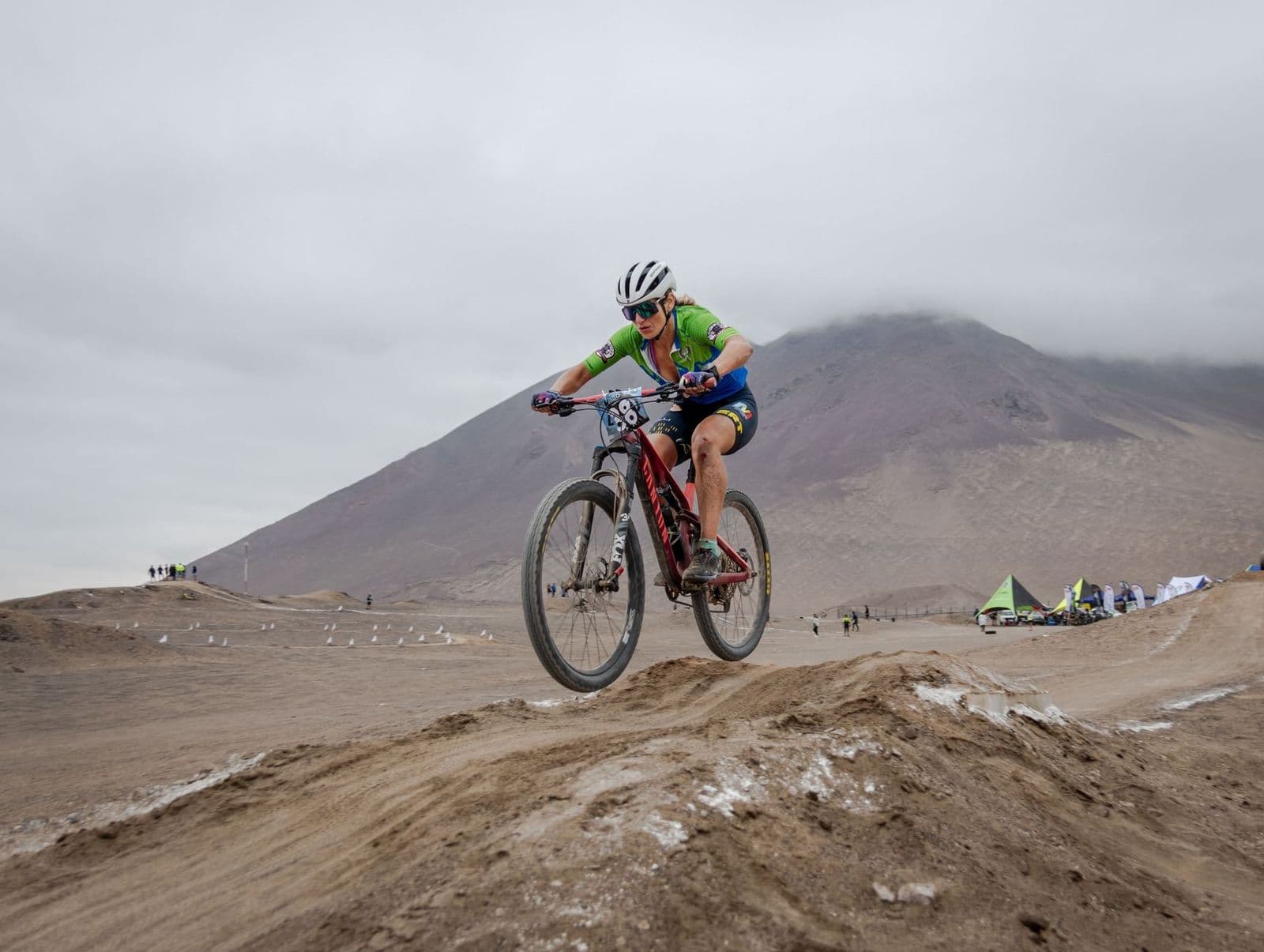
A mountain bike is built for dirt: wide knobby tires for grip, suspension that absorbs rocks and roots, low gears for steep climbs, and strong disc brakes for control on descents. Around $3,000, you leave entry level compromises behind and get a quality aluminum or entry carbon frame, a proper air suspension fork, a wide range single ring drivetrain, and often a dropper post that lowers the saddle for descents at the push of a lever.
The main fork in the road is hardtail versus full suspension. A hardtail has suspension only at the front and is lighter, simpler, and cheaper to maintain. A full suspension bike adds a rear shock, which smooths rough trails and adds grip, at the cost of weight and upkeep. At this budget both are genuinely good, so your terrain decides: smooth flowing trails favor the hardtail, while rocky and rooty trails reward full suspension every single ride.
Key Specs Explained in Plain English
Bike Type and Riding Style
Cross country bikes are light and efficient, built for climbing and distance on moderate trails. Trail bikes are the all rounders, with balanced geometry and mid travel suspension that handle climbs and descents in equal measure, and they are the safest first choice for most riders. Enduro bikes favor descents with long travel and slack angles, but they pedal slowly uphill. If your riding mixes local trails with occasional bike park days, look at our guide to the best all mountain mountain bike for that middle ground. Keep these points in mind throughout your search for the best 3k mountain bike.
Brakes: Hydraulic vs Mechanical Disc
At this budget, hydraulic disc brakes are the clear standard, and you should not accept anything less. Hydraulic brakes give strong stopping power with light one finger effort, and they adjust automatically as pads wear. Mechanical brakes use a cable, feel weaker, and need frequent adjustment as the cable stretches. Rotor size matters too: larger rotors, around 180 mm or more at the front, shed heat better on long descents. Learn to check pad wear early, because worn pads damage rotors and turn a cheap service into a costly one.
Sizing and Fit
Frame sizes run from small to extra large, and maker size charts match them to rider height, but two riders of the same height can need different sizes because leg and torso lengths vary. Standover clearance lets you put a foot down safely on uneven ground, and reach, the distance to the handlebar, decides whether the bike feels balanced or cramped. A practical know how point: between two sizes, most new riders do better on the smaller one, which feels easier to steer and lift over obstacles. A shop fitting is money well spent at this price.
Suspension: Hardtail vs Full Suspension and Travel
Travel is how far the suspension can move, measured in millimeters. Around 100 to 120 mm suits cross country riding, 130 to 150 mm suits general trail riding, and 160 mm and above suits enduro and bike park use. More travel is not automatically better, because it adds weight and softens climbing. Air springs are standard at this budget and adjust to your weight with a shock pump, which a shop can set for you at purchase. Match travel to your roughest regular trail, not your most extreme imagined day.
Frame Material and Geometry
Aluminum frames dominate this budget and offer the best mix of strength, weight, and price, while entry carbon frames save a little weight and smooth small vibrations but leave less money for parts. Steel is rare here, durable but heavy. Geometry shapes handling: a slacker head angle feels calm and stable on descents, while a steeper angle steers quicker on climbs and tight trails. Modern trail geometry around this price is forgiving for beginners, so you do not need to obsess over single degrees.
Weight and Components Upgrade Path
A good hardtail at this price weighs roughly 26 to 29 lb, and a full suspension trail bike roughly 30 to 34 lb, and chasing tiny savings beyond that costs a lot per pound. Buy the frame and suspension you love, because wheels, tires, and contact points are easy upgrades later, while a frame is forever. Tubeless ready wheels matter, since running tubeless tires lets you use lower pressure for grip and seals small punctures automatically. For a wider view of the category, see our guide to the best bike for mountain biking.
Rookie Mistakes to Avoid
- Buying too much travel: a long travel bike on gentle local trails feels slow and heavy, and you will ride it less, not more.
- Spending the whole budget on the bike: keep money aside for a proper helmet, a pump, a spare tube or sealant, and basic tools, because the first ride needs them all.
- Choosing size by price or color: a discounted bike in the wrong size is never a bargain, and fit problems only grow as rides get longer.
- Ignoring the dropper post: at this budget a dropper post should be included or your first upgrade, since it transforms descending confidence for new riders.
- Skipping the test ride: even a parking lot loop reveals fit and brake feel that no spec sheet can, so ride before you commit whenever possible.
Getting Started: Setup and First Use
Ask the shop to set suspension sag for your weight, show you the dropper post lever, and confirm the brakes bed in properly with a few controlled stops. Check tire pressure before every ride, since mountain tires lose air slowly and grip depends on it; most riders start around 25 to 30 psi depending on weight and terrain. Clean and lube the chain every 100 to 200 miles, or sooner after wet rides, and wipe the fork stanchions clean to protect the seals. Always wear a helmet that fits snugly, tell someone your route on remote trails, and carry water, a phone, and a simple repair kit on every ride. If you are new to technical trails, a skills lesson with a qualified coach builds safe habits faster than any part upgrade.
Frequently Asked Questions
How far can an electric mountain bike go on one charge?
Most electric mountain bikes cover about 20 to 50 miles per charge, with hills, rider weight, and assist level deciding where you land in that range. At around $3,000, electric models trade parts quality for the motor and battery, so compare carefully against a regular bike at the same price. Use lower assist on climbs you can manage and save the battery for steep sections. Range claims assume gentle riding, so plan your loop with a healthy margin.
How much should I spend on my first mountain bike?
Around $3,000 is a sweet spot rather than a minimum, buying durable parts that will not need replacing within the first season. Riders unsure about the sport can start lower, around $1,000 to $1,500, and still have fun on easy trails. Compare the step down options in our guide to the best mountain bike under 3k before deciding. Whatever you spend, reserve roughly ten percent of the budget for a helmet, pedals, and basic tools.
What size mountain bike do I need?
Start with the maker size chart for your height, then confirm standover clearance and a comfortable reach on a test ride. If you fall between sizes, the smaller frame usually suits beginners because it is easier to move around on the trail. Long legs with a short torso often fit a larger frame with a shorter stem, which a shop can swap cheaply. Never size up just for a discount, because reach and control suffer immediately.
What e bike class rules apply to electric mountain bikes on trails?
Rules vary by country, state, and even by individual trail system, so check the land manager rules for the trails you plan to ride before buying an electric model. Many trail networks allow only the lowest assist class, meaning pedal assist with a modest top assisted speed, and ban throttle controlled models entirely. Signs at trailheads usually state the local rule. Riding an electric bike where it is not allowed can bring fines and harms trail access for everyone, so this check is not optional homework.
Hardtail or full suspension for beginners?
Choose a hardtail if your trails are smooth and flowing or your budget must also cover gear, because it is lighter, cheaper to maintain, and teaches clean line choice. Choose full suspension if your trails are rocky or rooty, because the rear shock adds grip and comfort that keep you riding longer. At around $3,000 both are excellent, so let terrain decide rather than status. Our guide to the best bicycle mountain bike compares the two styles in more depth.
Final Thoughts
Match the bike to your trails, get the size right, and make sure the brakes and suspension are the real quality items this budget promises. Everything else can be upgraded later, but frame, fit, and suspension are the bike. The best 3k mountain bike for you is the one that fits your body and your local dirt, not the one with the longest travel number.