Best 3 Piece Ski Boots of 2026: Complete Buying Guide
Disclosure: We may earn a commission when you buy through links on this page, at no extra cost to you. As an Amazon Associate I earn from qualifying purchases. Learn more
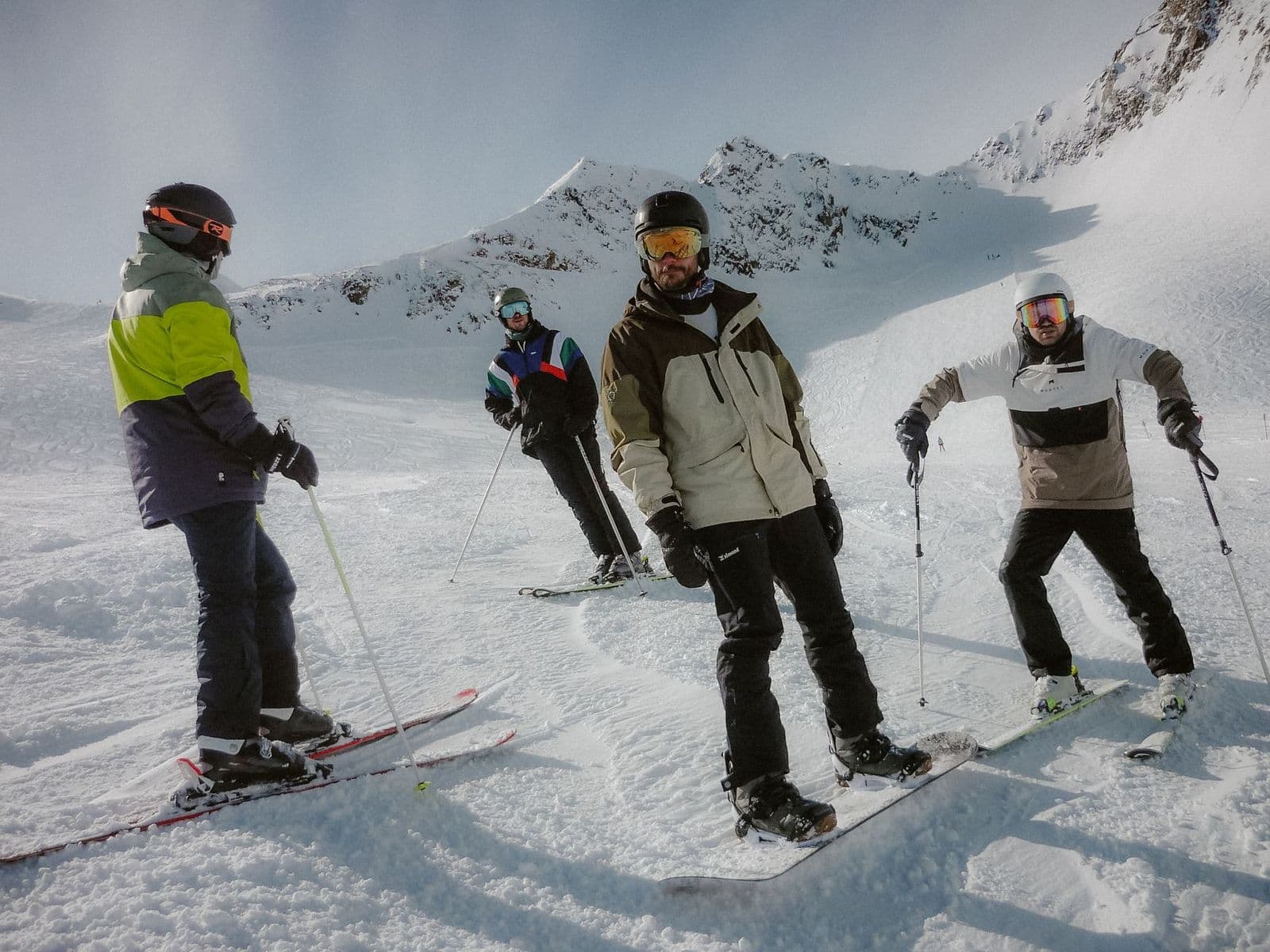
Compare 3 piece ski boots by flex, fit and tongue fit, with sizing in Mondopoint, liner types and care tips to choose with confidence for resort days.
Getting ski boots on in a cold parking lot should not be the hardest part of your day. If stiff plastic, sore shins and a fight at the door sound familiar, the best 3 piece ski boots deserve a close look. Their separate tongue opens wide, flexes smoothly and suits park laps, resort cruising and bumps alike. Use the sections below to match flex, fit and price to your skiing.
This guide explains how the three piece design works. You will learn who gains most from a cabrio shell, which flex and tongue choices matter, how Mondopoint sizing really fits, and which habits shorten boot life. The goal is a short list that fits your feet, terrain and budget before you visit a boot fitter.
Who Should Buy 3 Piece Ski Boots?
Choose this design for how it flexes and opens. The three groups below gain most from a cabrio shell.
Park and Freestyle Skiers Who Land Often
You spin, slide rails and land jumps, so your shins and ankles take repeated hits. A three piece shell flexes forward smoothly, softening landings instead of stopping your shin against hard plastic. The tongue spreads pressure across your shin, and the open design lets you pull boots on with cold hands. Choose a medium flex you can bend on rails yet trust on larger jumps.
All Mountain Skiers Who Hate the Morning Struggle
You ski groomers, bumps and trees, and you dread forcing cold plastic over your foot. Because the tongue swings open, entry stays easy even when the shell is stiff from cold. The even forward flex helps you stay balanced in moguls, where a boot that bends in steps can throw your weight back. If you ski with family and stop often, this forgiving feel suits your days well.
Skiers With High Insteps and Sore Shins
Overlap boots may pinch the top of your foot or bruise one spot on your shin. A separate tongue can sit over a high instep without the hard overlap seam pressing down, and it spreads load along the whole shin. Still, numb toes, sharp pain or color changes in your feet mean a prompt visit to a professional boot fitter, and ongoing problems deserve medical advice.
Key Features to Compare
Every brand rates and shapes its boots a little differently, so compare the parts you can actually feel. The best 3 piece ski boots share the five traits below, and small differences in each one change comfort more than color or graphics ever will.
Three Piece Shell and Progressive Flex
The design splits the boot into a lower shell that holds your foot, a cuff that wraps your lower leg, and a tongue that bridges the two. As you drive your knees forward, the tongue bends gradually, so resistance builds in a smooth curve. Lighter and newer skiers usually suit about 80 to 100, while heavier or aggressive skiers need about 110 to 130. Ratings differ by brand, so compare numbers only within one brand.
Tongue Stiffness and Forward Lean
The tongue is the tuning part of this design, and many models let you swap it to change flex without buying new boots. A soft tongue feels kind during park sessions and long groomer days, while a stiff tongue answers faster at speed and on steep snow. Forward lean sits at about 12 to 16 degrees on most models. Check that the tongue sits flush against your shin, because a gap at the top lets your leg slam forward on rough snow.
Mondopoint Sizing, Last Width and Volume
Ski boots use Mondopoint sizing, which is your foot length in centimeters, so start with a traced and measured foot, not your shoe size. For a shell check, remove the liner, touch your toes to the front, and confirm about one to two finger widths behind your heel. Last width runs about 98 to 104 mm, with low, medium and high volume versions. Fit in one thin ski sock, because thick socks add wrinkles and hide the true feel.
Liners, Buckles and Heel Hold
Basic liners feel soft at first and pack out sooner, while heat moldable liners shape to your foot in a shop oven and speed up break in. Wrap style liners give an even hold for freestyle use, and tongue style liners open wider for stiff ankles. Most models use three buckles and a wide cuff strap. Snug the lower buckles just enough to stop heel lift when you flex forward hard.
Soles, Grip and Walking Comfort
Flat alpine soles give a direct connection to the binding but slide easily on ice and lodge floors. Many three piece models use rubber grip soles with a slight rocker shape, which makes walking across lots and stairs calmer. Some cuffs add a walk mode that lets the cuff move back for a longer stride. Confirm at a shop that your sole type matches your bindings, and note that worn sole pads can be replaced on some models.
Types of 3 Piece Ski Boots Compared
The same basic design serves very different skiers once flex, liner and sizing change. If you are still weighing cabrio boots against overlap designs, see our guide to the best ski boots for the wider picture first.
Kids and Youth 3 Piece Ski Boots
Youth models use softer flex ratings, about 50 to 80, in smaller Mondopoint sizes with lighter shells that young legs can bend. The wide opening helps kids pull boots on alone on busy lesson mornings. Buy for the current season with modest toe room, because a boot two sizes large teaches poor balance and lets the foot slide.
Intermediate All Around 3 Piece Ski Boots
This is the largest group, built for resort skiers who mix groomers with off piste exploring. Expect flex ratings of about 90 to 110, heat moldable liners and grip soles at prices around $300 to $500. That balance lets you ski full days without the fatigue a very soft boot causes on long runs.
Advanced Performance 3 Piece Ski Boots
Advanced models pair stiff tongues, flex ratings of about 120 to 130 and close fitting lasts for precise turns. Liners are firmer and thinner, so ski feel matters more than padding, and prices run about $500 to $700. Choose this type only if you already flex a softer boot to its limit, because extra stiffness slows progress for a developing skier.
Common Mistakes to Avoid
Most fit problems start with one of these choices at the shop.
- Buying a size up leaves your heel lifting and your toes striking the front on steep runs.
- Choosing flex by color or price alone can leave a light skier unable to bend the boot in cold weather.
- Wearing thick cotton socks adds wrinkles and damp cold spots that a thin ski sock would avoid.
- Closing every buckle to its tightest notch cuts circulation and leaves feet numb by midday.
- Skipping the shell check means the liner size, not your foot, decided the fit.
How to Make Your 3 Piece Ski Boots Last Longer
Pull the liners out after each ski day and let everything air dry away from heaters and direct sun. Moisture left inside feeds odor and softens liner foam. Close the buckles lightly over the tongue before storage, because an open shell slowly loses its shape.
Wipe road salt and grit off the shells, then check buckles, cables and tongues for cracks before the next trip. Store boots upright in a cool, dry place, and follow maker guidance on repeat heat molding. Worn sole pads deserve prompt replacement, since rounded lugs change how the boot sits in the binding.
Frequently Asked Questions
Is a premium 3 piece ski boot worth it for a beginner skier?
Usually not, because beginners gain more from fit than from premium parts. A mid priced boot with a moldable liner and a flex you can bend teaches balance faster than a stiff flagship. Spend the savings on a fitting session and a custom footbed, which supports your arch in any boot. You can upgrade tongues later as your skills and speed grow.
How long do 3 piece ski boots usually last?
Most skiers get about 100 to 150 days before the liners pack out and heel hold fades. Shells often last longer, because tongues, buckles and sole pads can be replaced as single parts. If your feet feel loose but the shell still passes a shell check, a fresh liner can restore the snug feel for a fraction of the cost of new boots.
What size 3 piece ski boots should you get?
Start with your longer foot measured in centimeters, then confirm with a shell check in the shop. Measure both feet late in the day, when they are at their largest, and size for the bigger one. Many skiers end up one full size below their street shoe size, which prevents the heel lift that causes blisters on long traverses.
Can you change the flex of 3 piece ski boots by swapping the tongue?
Yes, on most models a tongue swap changes flex in a few minutes with no tools. Keep the original tongue in your boot bag, because a softer tongue is kinder for spring slush and teaching days. Mark each tongue with its rating, since pairs from one brand often look identical at home.
Do 3 piece ski boots fit wide feet and high insteps well?
Often yes, because the tongue opens fully and presses evenly over the instep instead of crossing it with hard plastic edges. Wide versions offer lasts of about 102 to 104 mm, so measure your forefoot width as well as length. Try them late in the day in your own ski socks, and walk and flex for ten minutes, because instep pressure grows slowly.
Final Thoughts
Match flex to your weight and speed, fit the shell to your measured foot, and treat the tongue as your fine tuning tool. Those three checks matter more than graphics or small price gaps.
When you judge the best 3 piece ski boots by fit first and features second, one pair usually stands out fast. Buy that pair, ski it often, and let a boot fitter make small tweaks after your first days out.