Best 240hz Monitors Under 300 in 2026: A Clear Buying Guide
Disclosure: We may earn a commission when you buy through links on this page, at no extra cost to you. As an Amazon Associate I earn from qualifying purchases. Learn more
Shopping for the best 240hz monitors under 300 for the first time? Learn the terms, compare options, and avoid rookie mistakes with this easy guide.
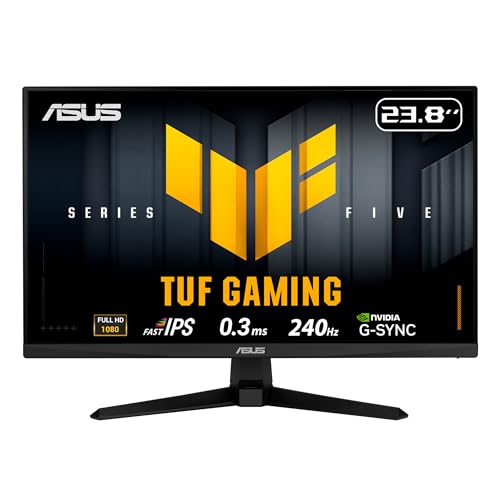
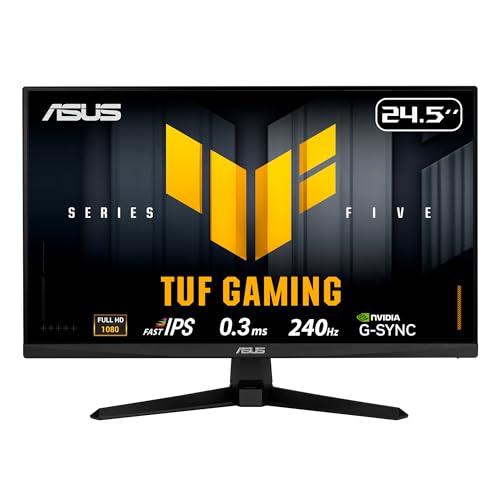
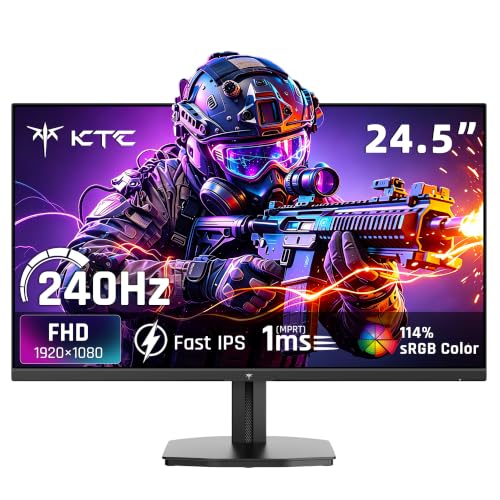
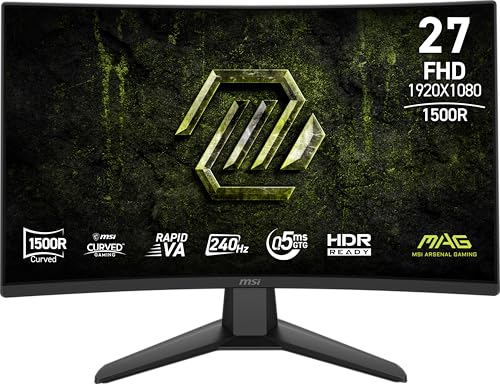
Buying your first fast monitor can feel confusing, because the boxes shout about speed while the details that shape daily use sit in small print. The best 240hz monitors under 300 pair a true 240Hz panel with clear motion, useful ports and a price that leaves budget room for the rest of your desk. The product table gathers the picks in one place.
This guide starts with the basics in plain English, then walks through the specs that matter most at this price. You will learn what you can expect for under $300, which trade offs are normal, and which corners are not worth cutting.


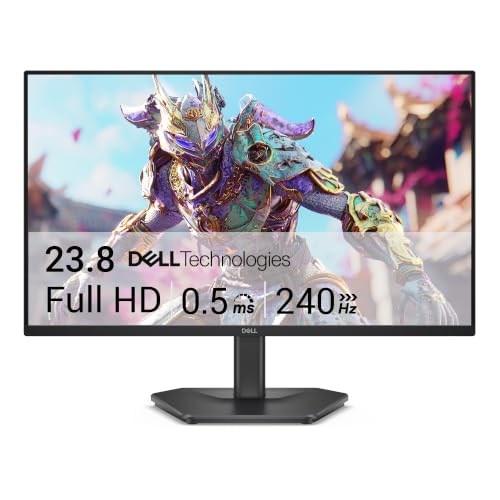
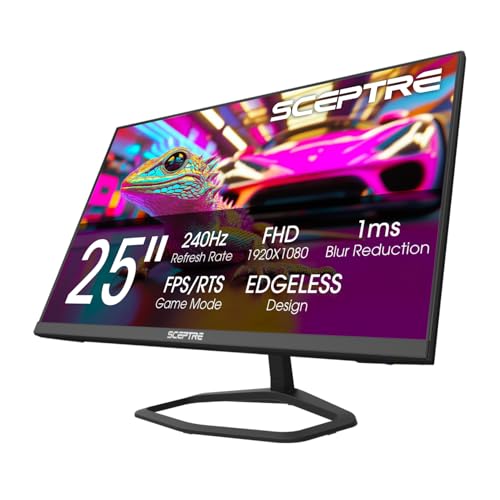
240Hz Monitors 101: The Basics for First Time Buyers
Refresh rate tells you how many times the screen draws an image each second, and 240Hz means 240 updates per second. Your game must also produce enough frames to fill those updates, so the graphics card and the monitor work as a pair. When both keep up, movement looks smoother and mouse input feels more direct. That focus on motion is why the best 240hz monitors under 300 are built mainly for play.
The gain is largest in fast games and shrinks in slow tasks like reading email. Scrolling, panning across a map and dragging windows also look steadier, so daily use feels calmer once the rate is set correctly.
Who Should Buy a 240Hz Monitor Under $300?
Your main use decides which compromises make sense, because no model at this price leads on every measure. Match yourself to one group below before you read the spec sections.
Competitive Players Building a First Fast Setup
You play shooters, racing games or sports titles where quick reactions matter, and you want speed before size or sharpness. Choose a smaller 1080p screen and the strongest motion clarity you can afford. If you want a wider view of this price class, see our guide to the best gaming monitors under 300 before you narrow your list.
Owners of Older 60Hz and 75Hz Monitors Who Want an Upgrade
Your current screen may still work well, yet motion can look smeared once you have seen a faster panel. An upgrade in this budget brings the biggest jump in smoothness for the money, as long as your graphics card can push high frame rates in your games. Keep the old screen as a second display for chat if your desk has room.
Students and Home Workers Who Also Play at Night
You share one desk between classes, documents and evening matches, so the screen must stay comfortable for long reading sessions as well as games. Look for a matte finish, height adjustment and a blue light mode for late work. For a broader look at screens for study and office tasks, see our guide to the best pc monitors under 300 alongside this one.
The Best 240hz Monitors Under 300: Specs That Matter on a Budget
Read each spec for what it changes at your desk, not for the size of the number on the box. Five areas decide almost every experience in this class.
What You Can Realistically Get Under $300
For roughly $100 to $300, expect a 24 to 27 inch screen, a true 240Hz refresh rate, adaptive sync and a basic stand. Most models are 1080p, and a few 1440p models now reach 240Hz in this range. You will not find 4K at 240Hz or OLED panels here, because those features start well above this price. Do not accept a dim panel or a wobbly stand to save money, since you live with those limits daily. If a larger or sharper screen matters more than top speed, see our guide to the best monitors under 300 for comparison.
Panel Technology in This Price Range
Most models here use IPS or VA panels, and the two types behave differently. IPS panels keep colors steady from the side and handle fast motion cleanly, so they suit shared desks. VA panels show deeper blacks and stronger contrast, which helps dark game scenes at night, but some VA panels smear dark moving objects. Choose the type first, because it sets the ceiling for color and motion.
Adaptive Sync, Ports and Cables
Adaptive sync lets the monitor match its refresh rate to the frame rate your graphics card delivers, so the picture stays smooth without tearing when the pace changes. Look for FreeSync support and G Sync Compatible support so either brand of graphics card can use the feature. For full 240Hz, connect with the DisplayPort cable in the box, because some HDMI ports on budget models cap the rate lower.
How 240Hz Speed and Response Time Feel in Play
Refresh rate counts how often the picture updates, while response time measures how fast a pixel can change from one shade to another. A true 240Hz panel with slow pixels can still blur, so both numbers matter together. Makers often quote a best case 1 ms figure reached with strong overdrive, and that setting can add pale halos around moving objects. A medium overdrive setting usually gives the cleanest balance for daily play.
Choosing Between 1080p and 1440p at This Budget
On a 24 to 25 inch screen, 1080p is the easy choice, because the image stays sharp at a normal desk distance and your graphics card can feed high frame rates without strain. A 27 inch 1080p screen spreads the same pixels wider, so text looks softer when you sit close. A 27 inch 1440p screen looks sharper and is available at 240Hz under $300, but the extra pixels lower your frame rates, so your graphics card needs to be strong enough.
Rookie Mistakes to Avoid
First time buyers repeat the same few errors, and each one is easy to prevent.
- Leaving the monitor set to 60Hz in your system settings wastes the speed you paid for, because the panel only shows the rate the computer sends.
- Buying a 240Hz screen for a graphics card that reaches 70 frames per second in your games leaves most of that speed unused.
- Choosing the largest screen in budget without checking pixel density leaves text looking soft at a close desk distance.
- Trusting the boldest HDR label on the box leads to washed out games, because entry level HDR lacks the brightness to show it well.
- Ignoring the VESA hole pattern limits your future options, because a stand upgrade later needs those standard mounting holes to fit an arm.
Setting Up Your New 240Hz Monitor for Full Speed
Attach the stand on a soft surface, then connect the DisplayPort cable and the power lead before you switch the screen on. Open your system display settings, set the resolution to the native value and select 240Hz, because most computers start at a lower rate. Open the monitor menu, turn on adaptive sync, then load a familiar game and confirm the motion feels smooth.
Next, set the picture mode you will live with. The brightest showroom style mode often pushes colors past accuracy and can tire your eyes, so try the standard or sRGB mode. Set brightness so white pages look like paper under your room light, then adjust overdrive while a game camera pans. Stop where edges stay clean and no pale trails follow moving shapes.
How to Make Your 240Hz Monitor Last Longer
Dust the screen with a dry microfiber cloth and light pressure, because grit dragged across the coating can leave fine scratches. For marks, dampen the cloth with water and never spray liquid on the panel. Keep drinks away from the lower bezel, where spills can reach the electronics, and power the monitor down during long breaks.
Check cables and vents every few months. Dust in the rear vents traps heat, and heat ages the backlight and internal parts faster than normal use does. Reseat any cable that flickers when the desk moves, and replace a damaged cable instead of bending it back into shape. Store the box if you can, because it protects the panel during a move.
FAQs
Can you get a good 240Hz monitor under $300 as a first time buyer?
Yes, you can get a good 240Hz monitor under $300, and this class suits first time buyers. Accept a simple stand, then protect panel quality and motion clarity with the rest of your budget. Buying during a sale can move a model with height adjustment into range, so patience can add comfort without extra spending.
What size 240Hz monitor under $300 fits a small desk best?
A 24 to 25 inch 240Hz monitor fits a small desk best for most first time buyers. That size leaves room for speakers, a keyboard and a notebook, and keeps the whole picture in view without head turns. If your desk is under 40 inches wide, measure depth too, because a deep stand can push the screen too close.
Does a 240Hz refresh rate matter for work and study on a monitor under $300?
A 240Hz refresh rate matters less for work and study, but you can still feel it. Scrolling long documents, moving windows and following a cursor all look calmer during long sessions. It will not make text sharper or colors richer, so if you never play games, spend the same money on size and resolution instead.
Is 4K resolution worth it on a 240Hz monitor under $300?
4K resolution is not worth chasing on a 240Hz monitor under $300, because no model in this budget pairs both features. Listings that suggest otherwise usually describe video input support rather than a native 4K panel at full speed. Sharp text fans do better with a 1440p screen, and some 1440p models reach 240Hz within this budget.
Should a first time buyer choose IPS or OLED for a 240Hz monitor under $300?
A first time buyer should choose IPS, because OLED screens at 240Hz start well above $300. IPS gives you accurate color and wide viewing angles for shared desks, and it avoids the permanent image retention risk that OLED owners must manage with varied content. Save OLED for a later upgrade.
The Bottom Line
Start with panel type and motion clarity, then confirm that your graphics card and cables can feed the full rate, and then compare stands and extras. That order protects what you notice every minute you play.
Use the product table above to compare size, panel type and price. When the best 240hz monitors under 300 are judged on speed you can actually use, choose the monitor with the cleanest motion, not the longest feature list.