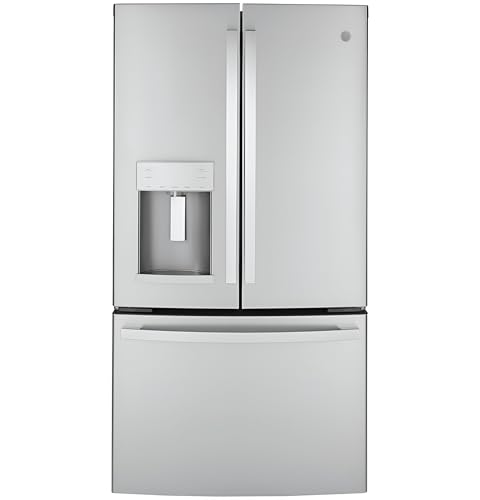
Best 24 Inch Refrigerators in 2026: Layouts and Buying Guide
Disclosure: We may earn a commission when you buy through links on this page, at no extra cost to you. As an Amazon Associate I earn from qualifying purchases. Learn more

Compare the best 24 inch refrigerator layouts by capacity, depth, freezer style and delivery needs for small kitchens and alcoves.
A narrow galley kitchen or a rental with a tight alcove leaves little room for error. One inch too wide and the door will not open fully, or the unit will not pass the hallway at all. Choosing the best 24 inch refrigerator starts with your space, your household size, and how you shop each week. The layout types compared below group the main options so you can compare capacity, depth, and freezer style at a glance.
This guide covers layout, features worth keeping, delivery, running costs, and care.


Quick Answer: What Fits Best in 30 Seconds
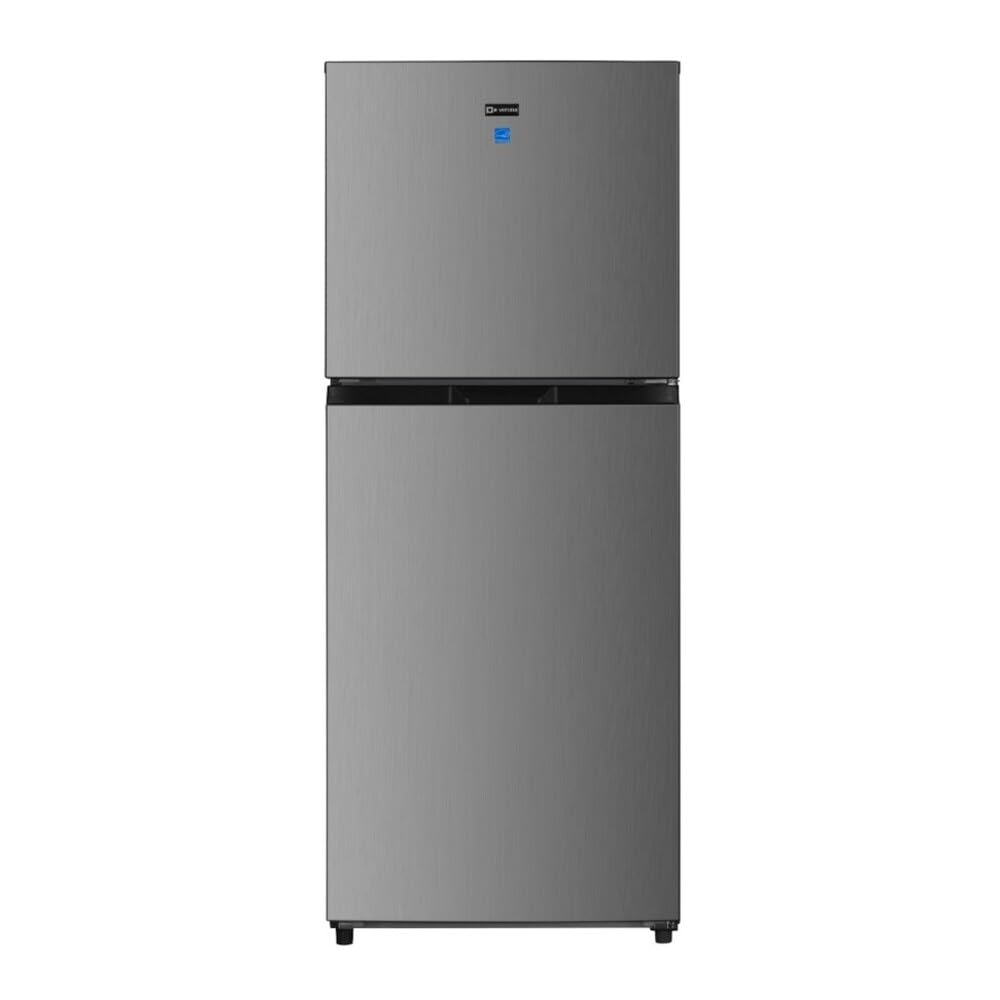
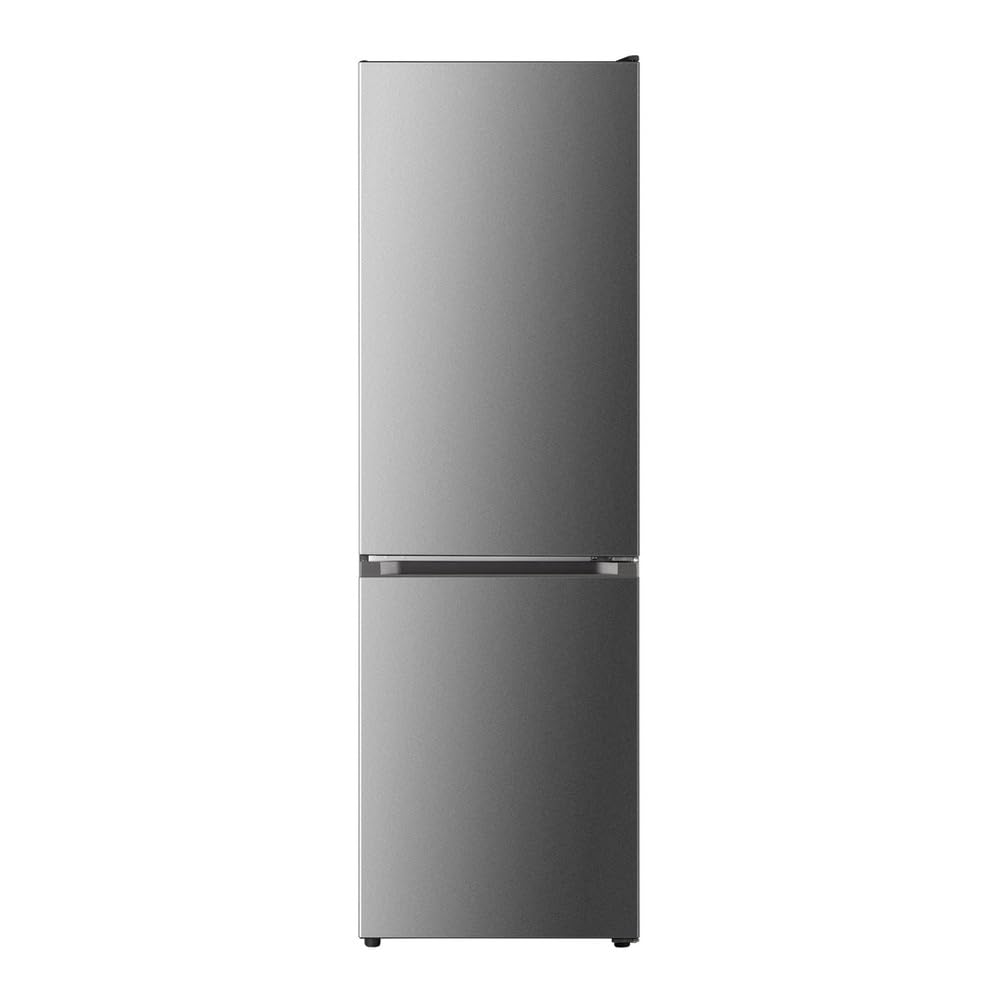
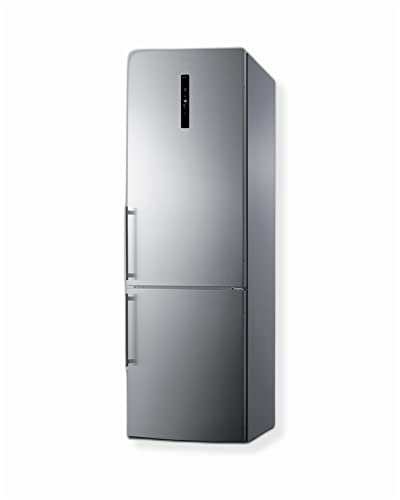
Start with layout. For most one and two person homes, a top freezer model gives the most usable fresh food space for the money. If bending to reach milk and produce bothers you, a bottom freezer layout puts daily items at eye level. If your kitchen has shallow counters and a tight walkway, look first at a slimmer depth design with recessed handles.
- Most homes: a top freezer layout with adjustable shelves and a reversible door.
- Tight walkways: a shallow depth layout that sits closer to flush with your counters.
- Eye level fresh food: a bottom freezer layout with a wide fresh food compartment on top.
Before You Buy: A Quick Checklist for Choosing a Refrigerator
Work through these points in order, starting with size and door swing.
Size: Match It to Your Space
Width gets the attention, but capacity decides whether the fridge works once it is installed. Most models at this width hold about 10 to 13 cubic feet, which suits one or two people who shop once a week. A household that buys in bulk or stores large trays will feel squeezed fast. Shallower designs trade a little volume for a cleaner walkway, and our guide to the best counter depth refrigerator shows how that trade looks across sizes. If you have room to go wider, a 28 or 30 inch model adds real storage for a larger family.
Which Type Fits Your Routine
Top freezer models cost the least and keep frozen food in a simple, wide compartment. Bottom freezer models place fresh food up high, which helps if you open the fridge far more than the freezer. True split door styles are uncommon at this width because each side becomes too narrow for pizza boxes and wide platters. If that split layout is what you want in a larger kitchen, compare the best french door refrigerator options instead. For a 24 inch space, a single door over a freezer drawer or a classic two door layout usually uses the width better.
Features Worth Paying For and Ones to Skip
In a small cabinet, shelf flexibility matters more than extras. Look for shelves you can move without tools, a crisper with a humidity slider, and door bins tall enough for a gallon jug. Bright interior lighting helps too, because small fridges are deep relative to their width and items hide at the back. An ice maker is worth it only if you use ice daily, since the unit takes freezer space you may need for food. Water dispensers, smart screens, and specialty drink drawers are easy to skip here, because each one cuts storage in a fridge that has little to spare.
Measurements and Compatibility With Your Setup
Measure the alcove width, height, and depth, then measure every doorway and hallway turn on the delivery path. Leave about one inch of air space on the sides and at the top if the maker asks for it, and check that the door can open past 90 degrees so bins slide out. Note whether the door can be reversed. Before you order, read our explainer on counter depth vs standard depth if you are unsure how far the handles will project.
Certifications and Safety Marks
Look for an Energy Star label for a public benchmark on energy use that you can compare across brands. An electrical safety listing from a recognized lab, such as UL or ETL, shows the unit passed a standard set of safety checks. If a model includes a water line, confirm that fittings meet local plumbing codes. Keep the manual for the exact clearances your model needs.
Delivery, Installation, and Who Should Do It
Most 24 inch models are freestanding and plug into a standard outlet, so setup is simple if the delivery path is clear. You can level the unit yourself with a wrench and a level. Hire a pro when a water line must be added or the fridge must go up narrow stairs. Ask before checkout what delivery includes and whether the old unit will be removed.
Realistic Budget Ranges
Basic top freezer models often fall under $500 to about $800, and they cover most small homes. Models around $800 to about $1,200 tend to add better lighting, quieter operation, and more flexible shelving. Spending about $1,200 to $2,000 usually buys a bottom freezer layout, a nicer finish such as stainless steel, or an ice maker. Set your ceiling after you price delivery and removal.
Types Compared: Three Layouts That Work at 24 Inches Wide
Compare the three layouts that actually appear at this width. The right choice depends on what you reach for most.
Top Freezer Layout for Most Homes
This is the classic design, with a freezer on top and a larger fresh food section below. It tends to offer the most storage per dollar and the simplest controls, and parts and service are widely available. The freezer is wide enough for flat boxes and bags, though tall items can be hard to stack. The main downside is bending for items stored low in the fresh food section. Choose this layout if you want the lowest price, a proven design, and no water line to connect.
Bottom Freezer Layout for Eye Level Fresh Food
Here the freezer sits below as a drawer or a swing door, and the fresh food section fills the top half. Milk, eggs, leftovers, and produce sit between waist and eye level, which many people find easier on the back during daily use. The trade off is cost, since these models usually price higher than top freezer designs of the same size, and freezer drawers can turn into a jumble without bins. Choose this layout if you value comfortable access to fresh food every day.
Shallow Depth Layout for Tight Kitchens
This layout keeps the same 24 inch width but trims the box depth, so the front sits closer to your counter edge and the walkway stays open. It suits galley kitchens and studio apartments where a full depth door would block traffic when open. You give up some capacity, and large sheet pans may not fit. Choose it when floor space is the limit you cannot change and you shop often.
Our Selection Process
We judged layouts on fit and compatibility first, then on build quality, usable features, certifications, and warranty terms. We used maker specifications for dimensions and capacity, and patterns in verified buyer reviews, such as repeated notes about door swing or noise. We did not rank specific models, so the checks here apply to any unit you find in stock and in your price range.
Is a 24 Inch Refrigerator the Right Size for You?
For one or two people, this size is usually enough, and it is the setting where the best 24 inch refrigerator earns its place. It holds a week of groceries if you plan meals and use the freezer for bread, meat, and leftovers rather than bulk boxes. Add a third person or a habit of hosting, and the shelves fill fast. In that case a wider fridge, or a small second unit in a garage or basement, may serve you better.
Think about how you shop. If you buy fresh food twice a week and keep little frozen stock, a compact fridge supports that routine and uses less floor space and energy. If you shop monthly at a warehouse store, it will not, no matter how well you organize it. Renters often have no choice, since the alcove is fixed.
Common Buying Mistakes to Avoid
- Measuring only the alcove: a fridge that fits the opening but cannot turn the hallway corner goes back on the truck.
- Forgetting door swing: a door that hits a wall early traps the crisper inside and makes daily use frustrating.
- Paying for an ice maker you will not use: the unit eats freezer space and adds a water line that can leak.
- Ignoring noise: a loud compressor in a studio apartment can disturb sleep because the bed sits steps away.
- Skipping the total cost: delivery, removal, and a water line kit can add a real amount to a low sticker price.
Cost of Ownership and Care
Running costs at this size are modest, but they add up over the life of the unit. A model that uses less electricity saves a little each month, and the gap grows if your local rates are high. Keep the coils free of dust if your manual shows you how, keep door seals clean, and set the fridge near 37 degrees and the freezer near 0 degrees unless the maker says otherwise.
Plan for small costs along the way. A water filter, if your model uses one, needs regular replacement, and a worn door seal is cheaper to fix early than after frost builds up. Keep receipts and the model number in one folder so service calls start with the right information.
Your Questions, Answered
What makes one refrigerator brand more reliable than another?
Reliability is hard to judge from a badge alone. Look at the warranty length on the sealed system, how easy it is to reach a service network near you, and whether parts are stocked. Simple layouts with fewer electronics tend to have fewer things that can fail. Read reviews for the exact model and note whether complaints repeat about the same part.
How do you clean a refrigerator without damaging the shelves?
Start by emptying the fridge and unplugging it, then wash removable shelves and bins in warm water with mild soap. One point many guides skip is to let cold glass shelves warm to room temperature before washing, because a sudden change can crack them. Wipe the interior with a baking soda and water mix and dry every surface. Our step by step guide to how to clean a refrigerator covers stains and odors in more depth.
Is a 24 inch refrigerator worth it for a small home?
Yes, if the alternative is a larger unit that blocks the kitchen or does not fit at all. The value shows up daily in a walkway you can pass, a door that opens fully, and lower energy use than a big empty box. It is less worth it if you must also buy a separate freezer for your normal shopping, because two appliances can cost more to run than one right sized fridge.
How long does a refrigerator last before replacement makes sense?
Many refrigerators serve for about 10 to 15 years, though care and use patterns shift that range. A useful new signal is repair frequency: if a second major repair lands within a year of the first, replacement often makes more sense than another bill. Rising energy use and food that no longer holds a steady temperature are also signs. For a fuller breakdown by type, see how long does a refrigerator last for the details owners track most.
What size refrigerator do I need for three people?
A common planning rule is about 4 to 6 cubic feet of total space per person, which puts three people near 12 to 18 cubic feet. That means a 24 inch model at the low end only works for three people who shop often and waste little space on bulky packaging. If your household of three buys weekly and stores leftovers, a wider model will feel calmer. Measure your current fridge load on shopping day to check the rule against your real habits.
Final Thoughts
Start with the tape measure, then choose the layout that matches how you cook and shop. In that order, the best 24 inch refrigerator for your home becomes a clear choice rather than a guess. Use the product table above to compare layouts with your measurements in hand. For a wider view, see our guide to the best refrigerator options across every common width.