
Best 2000Wh Portable Power Station in 2026: Buying Guide and Top Picks
Disclosure: We may earn a commission when you buy through links on this page, at no extra cost to you. As an Amazon Associate I earn from qualifying purchases. Learn more

What to look for in the best 2000wh portable power station: the main types, key features, realistic price ranges and mistakes to avoid before you order.
A storm knocks out power at dinner time, and your fridge, lights, phones, and WiFi all go quiet at once. A best 2000wh portable power station is the size class built for exactly that moment: enough stored energy to run the essentials for hours, yet still light enough to move from room to room. This guide helps you choose by room, by who in the family uses it, and by budget, so start with the product table below the intro.
Instead of ranking specific models, this page compares the types of 2000wh stations, the specs that separate a good buy from a frustrating one, and the mistakes that leave buyers short on power. If you are new to the category, our guide to the best portable power station options across all sizes gives useful background before you settle on this capacity.

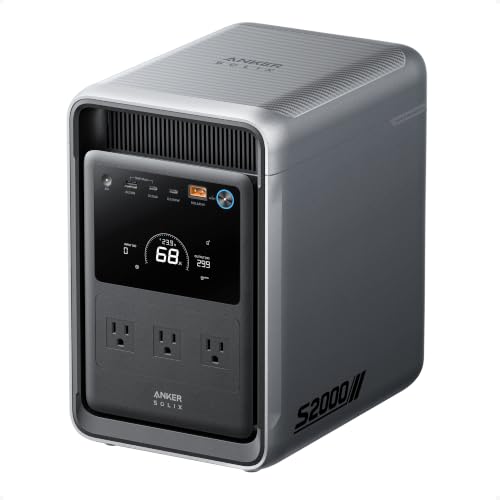
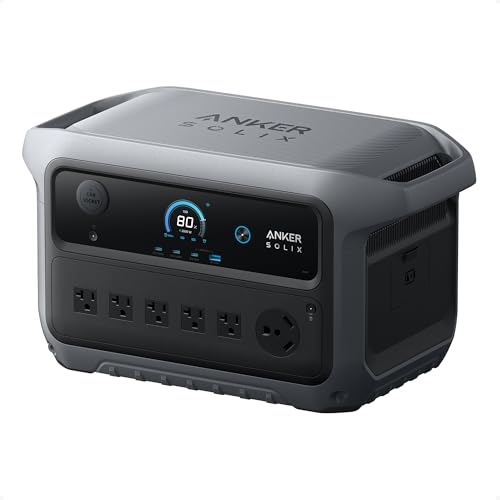
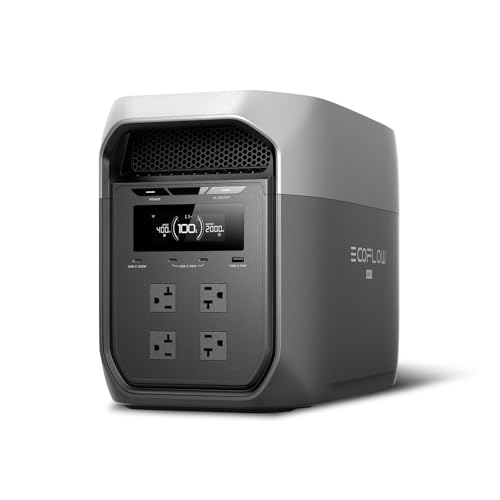


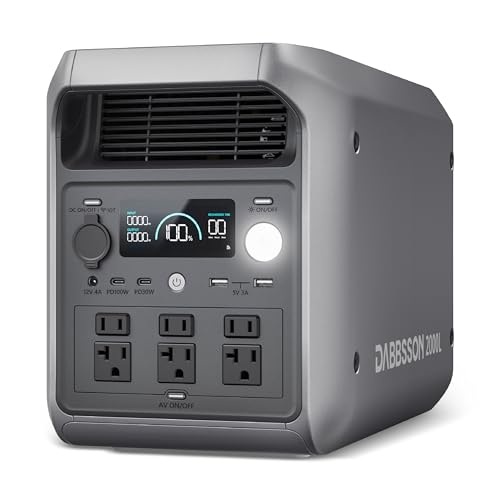
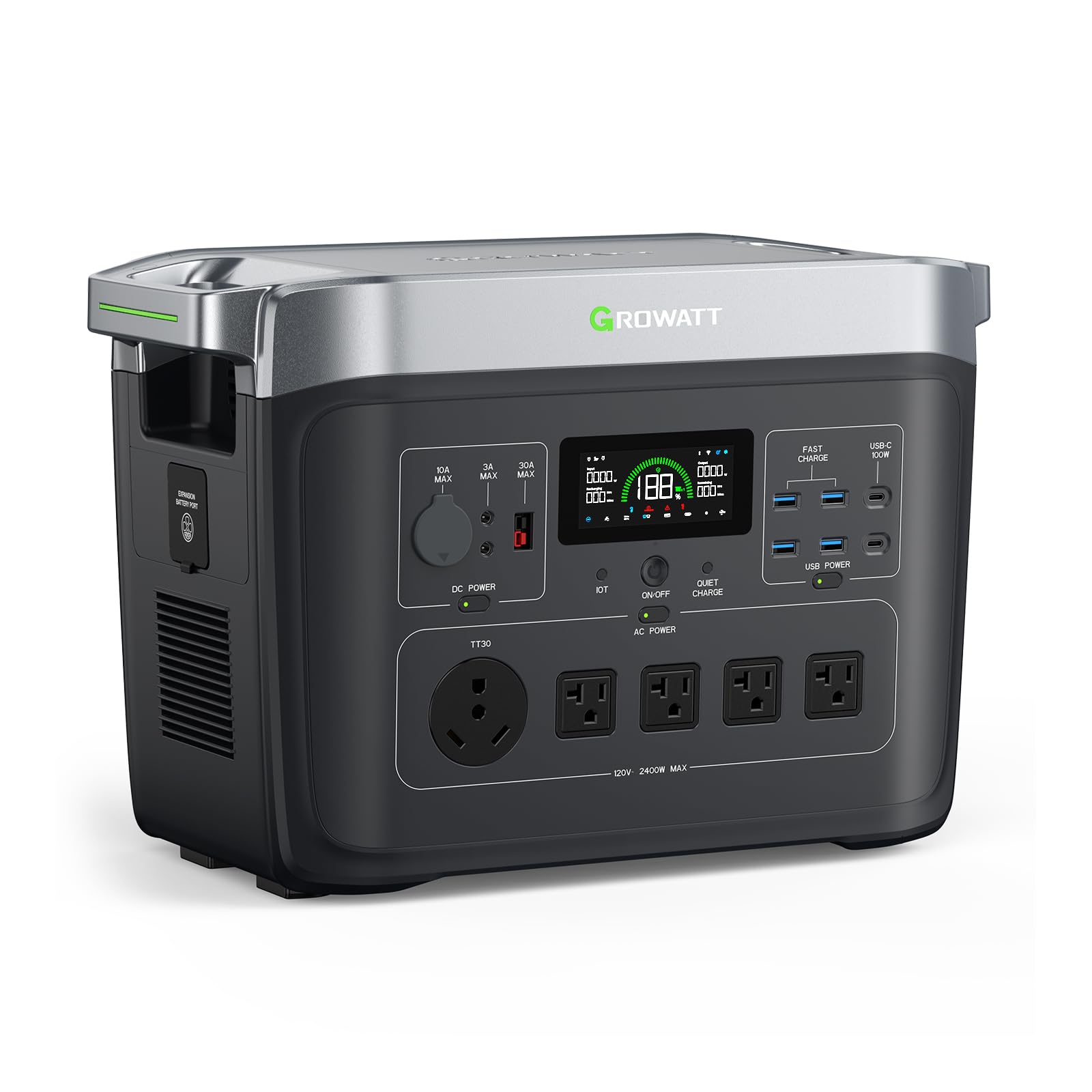
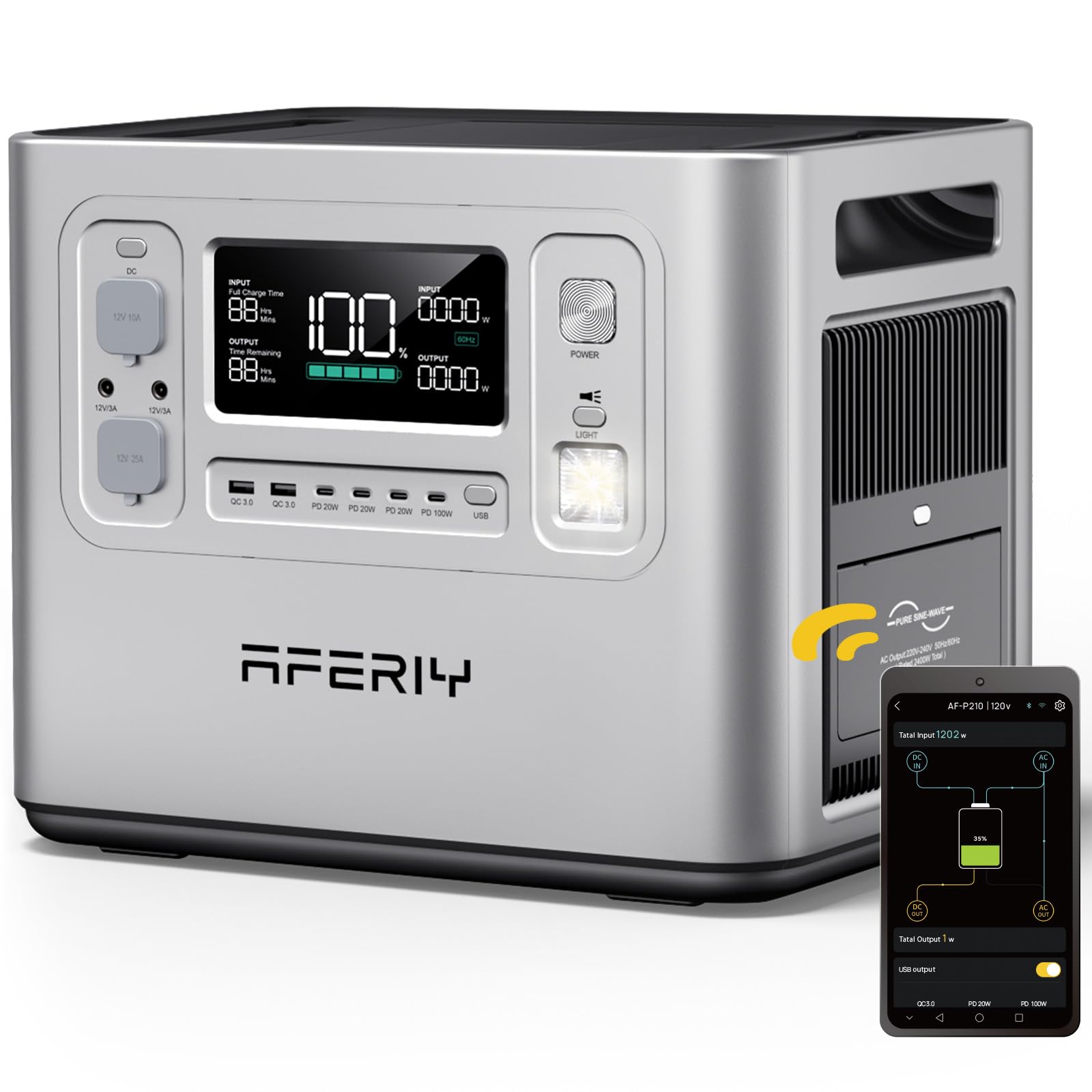

Quick Answer: What a 2000wh Station Does for a Home
A 2000wh station stores about 2,000 watt hours of energy, and you can use roughly 1,700 of those watt hours after conversion losses. That is enough to run a refrigerator for most of a day, power lights and laptops through an evening outage, or support a small home office until the grid returns. It is the middle ground between small camping units and whole house systems. For outage focused planning, see our guide to the best portable power station for home backup setups.
Before You Buy: A Quick Checklist for Choosing a Portable Power Station
Size: Match Capacity to Your Space and Loads
Capacity only has meaning next to your loads. A 300wh unit charges phones and runs a lamp, a 1000wh unit covers a laptop and small TV for an evening, and a 3000wh unit starts to handle bigger appliances for longer. At 2000wh, plan on the fridge, a few lights, device charging, and one comfort item such as a fan or a small TV. Units in this class weigh about 45 to 70 pounds, so check whether one person can carry it up stairs or whether it needs a fixed spot near the kitchen or office.
Battery Chemistry and Station Types
Most 2000wh stations now use lithium iron phosphate cells, often shortened to LiFePO4. This chemistry tolerates daily cycling well and is rated for far more charge cycles than older lithium ion designs, which matters for a unit you may keep for a decade. Types differ in how they grow: fixed capacity models are simplest and cheapest per watt hour, expandable models accept extra battery packs later, and solar ready models pair with panels for charging during long outages. Pick the type that matches how you actually live, not the longest feature list.
Features Worth Paying For, and Ones to Skip
Pay for a UPS function if the station will guard a desktop computer or your home network gear, because it switches to battery fast enough to keep electronics running when the grid drops. Wheels and a pull handle earn their cost on any unit over about 50 pounds. App control helps you check charge levels from another room, which families sharing one station appreciate. You can usually skip giant solar bundles bought on day one, spare cables you already own, and decorative extras such as ambient light bars that add cost without adding runtime.
Outlets and Compatibility Checklist
Count the AC outlets first: most homes want at least four, so the fridge, a lamp, a charger strip, and one rotating appliance can share the station. Check for a high output outlet or RV style port only if you truly plan to use one. USB ports should include at least one fast USB C port for modern laptops. Then confirm the basics: your appliance plugs match the outlets, the station fits its shelf or closet spot with room for vents, and the charging brick works with the solar panels you already own if you plan to add them.
Output, Surge Power, and Cooling Needs
Continuous output on this class usually lands around 2,000 to 3,000 watts, and surge output runs higher for the seconds a motor starts. A refrigerator or sump pump can draw several times its running wattage at startup, so surge headroom is what keeps the station from shutting down at the worst moment. Cooling fans handle the heat that high output creates, and they make real noise under heavy load. If the station will sit in a bedroom overnight, look for a quiet mode or plan to place it just outside the door.
Warranty and Brand Support
A station this size is a long term appliance, so warranty length tells you how much the maker trusts its own battery. Look for at least a few years of coverage, with longer terms on premium models, and check whether the warranty covers the battery itself rather than only the shell and ports. Support quality matters too: a brand with US based service, spare charging cables in stock, and clear firmware updates will be far easier to live with than one you can only reach through a marketplace message form.
Realistic Budget Ranges
Expect to pay about $700 to $1,000 for a basic fixed capacity 2000wh station with standard charging speed. The middle of the market, about $1,000 to $1,500, adds faster wall charging, quieter fans, and app control. Above about $1,500 you are paying for expandability, UPS function, and longer warranties rather than more raw energy. Solar panels, extra batteries, and a transfer switch for home circuits are separate costs, so leave room in the budget if you plan any of them.
Types of 2000wh Stations Compared
Fixed capacity stations are the straightforward choice: one box, one battery, the lowest price per watt hour. They suit apartments and smaller homes where the station lives in one closet and covers the fridge plus essentials. The trade off is a hard ceiling, because when the battery is empty your only option is to recharge.
Expandable stations start at about 2000wh and accept one or more add on battery packs, sometimes doubling or tripling total storage. They cost more up front and the extra packs add weight and shelf space, but they let a family start modestly and grow into longer outages. This is also the type that pairs well with a future transfer switch.
Solar focused stations emphasize high solar input and ship in bundles with panels. They make sense where outages last for days or where the same unit travels to a cabin or campsite; if that mix sounds familiar, our guide to the best portable power station for camping covers the travel side in depth. At home, remember that panels need unshaded roof or yard space and a place to store them between storms.
How to Compare 2000wh Portable Power Stations
Compare in this order: usable capacity, continuous and surge output, wall charging speed, solar input limit, weight, and warranty. Marketing leads with the biggest number, but charging speed decides how useful the station feels on day two of an outage. A unit that refills in about two hours from a wall outlet is ready again the same evening, while a slow charging unit can take most of a day to recover. Our power station buying guide walks through the same criteria across every size class if you want the full framework.
Is a 2000wh Portable Power Station the Right Size for You?
Choose this size if your outage plan centers on the fridge, lights, phones, WiFi, and a few hours of TV or laptop work. If you plan to power any medical equipment, follow its manufacturer's instructions and ask your doctor or supplier before relying on a station. Step down to 1000wh if you only need device charging and lights, and step up or go expandable if you must run a well pump, a space heater, or a window air conditioner, because heating and cooling loads drain any battery fast. If your load list is still fuzzy, the walkthrough at what size power station do i need turns appliance wattages into a capacity target.
Common Buying Mistakes to Avoid
- Buying on headline capacity alone: usable energy after conversion losses is what your appliances actually get, and it is always lower than the printed number.
- Ignoring startup surge: a fridge or pump that starts fine on grid power can trip a station whose surge rating is too low.
- Forgetting the weight: a 65 pound station that nobody wants to move will sit in the garage during the outage it was bought for.
- Skipping the panel math: a station with a low solar input limit recharges slowly even under a large array, so check the input wattage before buying panels.
- Letting the battery sit empty for months: storing a station fully drained shortens its life, a point the care section below covers.
Cost of Ownership and Care
Running costs are small: a full recharge uses about 2 kilowatt hours of grid electricity, which costs well under a dollar in most states. The real ownership costs are optional extras, namely expansion batteries, replacement charging cables, and panels if you add solar later; our notes on the best portable power station with solar panel bundles explain what panel sizing those extras involve. For care, store the station indoors at roughly half to most of a full charge, top it up every few months, keep the vents dust free, and run it under a real load a few times a year so fans and firmware stay exercised.
Your Questions, Answered
How long does a portable power station last?
Two different clocks matter. Per charge, runtime is your usable watt hours divided by the watts your devices draw. Over years, lithium iron phosphate batteries are often rated by their makers for around 3,000 cycles or more before capacity fades noticeably, which at one full cycle a week stretches well past a decade. Calendar aging still applies, so a lightly used station stored in a hot garage will fade sooner than the cycle rating suggests.
How to charge a power station with solar?
Connect panels whose combined voltage and wattage stay within the station input limits printed in its manual, angle them toward direct sun, and expect the rated panel wattage only near midday in clear weather. A useful trick for home users is to pre cool the fridge and charge every phone and laptop before sunset, because solar input drops fast in the evening while your loads keep running.
How long will a power station run a fridge?
A typical full size fridge averages about 100 watts across its on and off cycles, so a 2000wh station keeps it cold for roughly 16 to 18 hours. You can stretch that meaningfully by opening the door less, setting the temperature a degree or two warmer during the outage, and unplugging the station between compressor runs once the fridge is fully cold.
What size power station do I need?
Add up the watts of everything you want running at the same time, then multiply the average draw by the hours you want covered. If the math lands between about 1,500 and 2,500 watt hours, this size class fits. Renters and apartment dwellers should also weigh the answer against storage space, because the right size on paper still has to fit the closet you actually have.
What is the best 2000wh portable power station?
There is no single winner, because the best pick depends on whether you value low price, expandability, fast charging, or quiet running most. For most homes the sweet spot is a lithium iron phosphate model with at least 2,000 watts of output, wall charging near two hours, and a warranty of several years. Match those four traits to your budget tier and you will land on a station your household actually uses.
Final Thoughts
The product table above shows how the current options in this class stack up on capacity, output, and charging speed. For most households, the best 2000wh portable power station is the one whose runtime covers your fridge and essentials, whose weight your family can manage, and whose charging speed fits your longest realistic outage. Pick your type first, fixed, expandable, or solar focused, and the rest of the decision gets much simpler.


