
Best 1000wh Portable Power Station (2026): What to Look For
Disclosure: We may earn a commission when you buy through links on this page, at no extra cost to you. As an Amazon Associate I earn from qualifying purchases. Learn more

How to pick the best 1000wh portable power station: the features that matter, who each style suits and what to avoid.
The lights go out at dinner time, the fridge starts warming up, phones are low, and someone still has work to finish on a laptop. That ordinary family moment is exactly where the best 1000wh portable power station earns its place, big enough to matter and small enough to store in a closet. The comparison table below will help you sort models by capacity, output and charging speed.
This guide focuses on real homes rather than workshops or job sites. You will learn how to match a station to your rooms and your budget, which features deserve your money, and whether this size class fits your home at all.
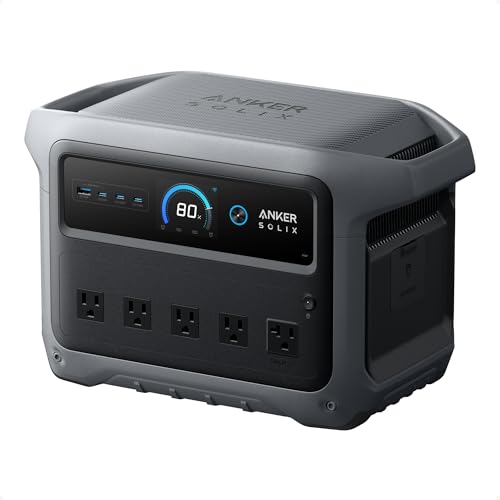


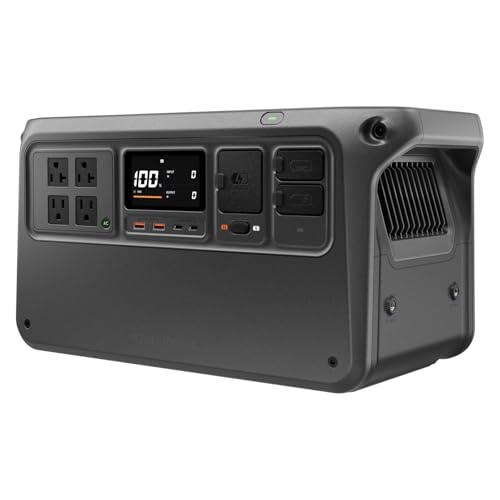

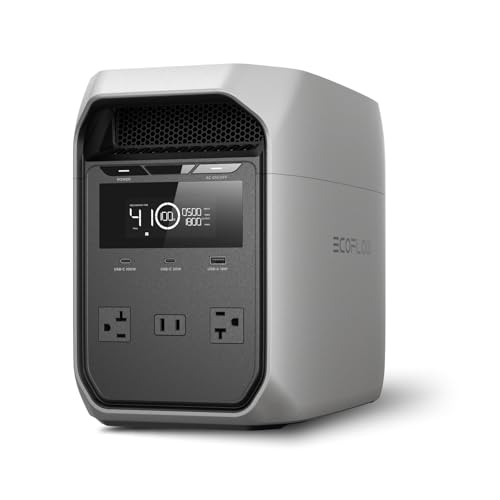
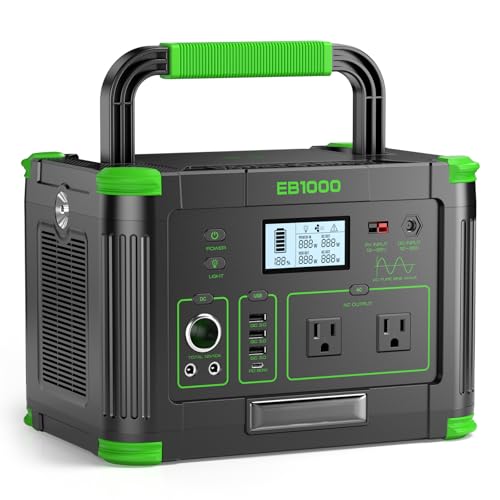
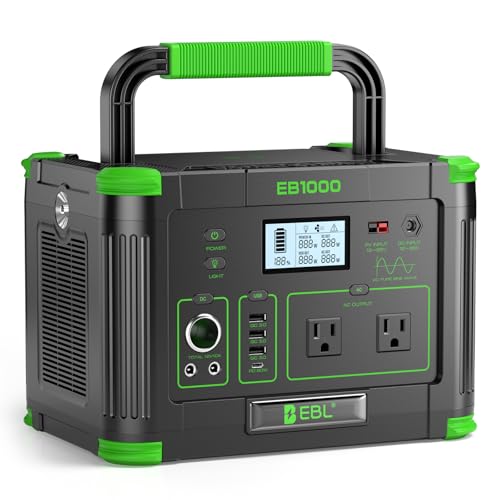
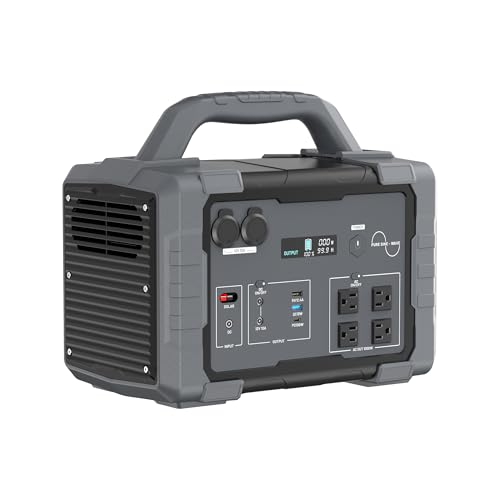
Quick Answer: What a 1000Wh Station Does Best at Home
A station in this class stores about one kilowatt hour of energy and usually offers enough output for a fridge, a television, lights, a router, laptops and phone charging at the same time. It suits short outages, quiet evenings on a patio and weekend trips where comfort matters more than raw power. It will not run a whole house, and large heating appliances will drain it fast. Think of it as a shared family battery that covers the essentials well.
Before You Buy: A Quick Checklist for Choosing a Portable Power Station
Size: Match It to Your Space
Smaller stations around 300 or 500 watt hours are lighter and fine for phones and a lamp, but they run a fridge for only a short stretch. A 2000 or 3000 watt hour unit lasts longer, yet it takes more floor space and can be awkward to carry between rooms. The 1000 watt hour size sits in the middle, roughly the footprint of a small cooler, and it fits a closet shelf or a corner of a living room.
Which Type Fits Your Routine
Most home models now use lithium iron phosphate cells, which last for many more charge cycles than older lithium types and handle daily use well. Solar ready models add flexibility during long outages, while expandable models let you add a second battery later if your needs grow. A station with a standby power function can keep a router running through a brief outage without a gap. Choose the type that matches your routine, because paying for every type at once rarely pays off.
Features Worth Paying For and Ones to Skip
Fast wall charging is worth paying for, because a station that refills in about an hour is far more useful between rolling outages than one that needs most of a day. App control helps when the unit sits in another room, and a clear screen showing watts in and out prevents guesswork. Wheels matter less at this size, since most adults can carry the unit by its handle. Decorative lights and very high solar input ratings you will never use are easy places to save money.
Compatibility Checklist for Outlets, Plugs and Loads
Count the standard wall style outlets and check that the total output in watts covers your largest single load with room to spare. A fridge draws a brief surge when its compressor starts, and that surge can exceed its normal running watts. Confirm the station uses a pure sine wave inverter, which suits modern electronics and motor driven appliances. Check USB ports for phones and tablets, and the solar input range if you plan to add panels later.
Performance per Dollar
Compare usable capacity rather than headline capacity, because every station loses some energy when it converts stored power to the outlets. To judge value, divide the price by the stated watt hours, then check what else the price includes, such as charging speed and warranty length. A cheaper unit with slow charging can cost you more in frustration than a mid priced model.
Power Draw and Cooling Needs
Heavy loads make the cooling fans work harder, and fan noise matters when the station sits in a bedroom or beside a desk during a call, so look for models known for gentle fan behavior at light loads. Keep the vents clear and leave space around the unit while it charges. Heat shortens battery life over time, which is why a cool, open spot beats a closed cabinet.
Warranty and Brand Support
Battery products live in your home for years, so support matters as much as specs. Look for a warranty of at least a few years and a brand that sells replacement cables and chargers. Read how the company handles repairs, because shipping a heavy battery back and forth is a chore you want to avoid. Clear manuals and reachable support will save you trouble later.
Realistic Budget Ranges
Stations under about $200 are mostly small units for phones and lights, well below this size class. Around $300 to $500 you will find entry level models near 1000 watt hours with basic charging speeds. Most strong home options in this class land between about $500 and $900, with faster charging and better warranties. Above about $1000, you are usually paying for expansion options or a standby power function. Set your range before you shop.
Three Types Compared: How 1000Wh Stations Differ
Rather than chasing brand names, sort this class into three types and pick the type first. The standard type is a single unit with fixed capacity, simple controls and the lowest cost per watt hour. It suits families who want backup for the fridge, lights and screens, and who will store the unit away between outages. For most homes it is the sensible default.
The expandable type starts at about 1000 watt hours and accepts an extra battery that can double or triple the stored energy. It costs more up front, but it gives you a growth path if you later move to a house with longer outages. Our guide to the best portable power station for home backup explains how expansion fits a longer outage plan.
The solar focused type pairs the station with panels and quicker solar charging, which suits homes that lose power for a day or more and have a sunny yard or balcony. Panel size and a safe place to set panels up matter as much as the station itself. If you lean this way, our guide to the best portable power station with solar panel covers panel pairing in detail.
How to Compare Models on Paper
Start with the maker spec sheet and write down capacity, total output, surge rating, charging times and battery chemistry for each model you consider. Then read buyer reviews with a filter, looking for repeated comments about fan noise and support rather than single glowing posts. Check that the model is currently sold and supported. A fair price for a station you understand beats a bargain on one with confusing limits.
Is a 1000Wh Station the Right Size for You?
Do a simple energy budget before you buy. Add up the watts of what you truly need during an outage, then estimate the hours you want to run them. A fridge averaging about 100 watts, a router at about 10 watts, two lamps and phone charging can fit inside this class for many hours. Our guide on what size power station do i need shows the math step by step.
Families in apartments tend to love this size, since it stores neatly, runs quietly and needs no fuel or outdoor space. People who work from home get peace of mind for a modem, a router, a laptop and a monitor through a workday outage. Campers who drive to their site also do well here, since the unit can run lights and a small cooler. Our guide to the best portable power station for camping looks at outdoor use in more depth.
If you need to run a well pump, a large air conditioner or an electric heater, this class is too small and a larger system makes more sense. A household that only worries about phones during a short outage can save money with a smaller unit. And our guide to the best portable power station maps out the other size classes and who they suit.
Common Buying Mistakes to Avoid
- Buying by capacity alone: a high watt hour number means little if the output is too low to start your fridge compressor.
- Forgetting the surge rating: motors draw extra power at startup, so a station that looks strong on paper can still shut down under a real load.
- Paying for features you will not use: wheels and huge solar input add cost that a short outage household never recovers.
- Ignoring charging time: a slow charging station may still be half empty when the next outage arrives.
- Storing it empty for months: a battery left fully drained ages faster and may not be ready when you finally need it.
Cost of Ownership and Care
Running costs are modest. Charging from a wall outlet uses about a kilowatt hour of electricity each full cycle, which costs far less than fuel for a gas generator, and there is no oil or engine upkeep. Your main extra costs are optional, such as solar panels or a spare charger. Budget for those only when your outage pattern calls for them.
For care, keep the battery partly charged during storage, roughly in the middle of its range, and top it up every few months. Run the station a few times a year, in a dry room away from direct heat. Wipe dust from the vents and check cables before storm season.
FAQ
How long does a portable power station last before it needs replacing?
Battery chemistry drives the answer. Lithium iron phosphate models are typically rated for several thousand charge cycles before capacity drops to about 80 percent, which can mean many years of outage and weekend use. Calendar age matters too, since cells slowly lose capacity even on a shelf. Note the purchase date and watch run times on a familiar load, such as your fridge, so a decline shows up early.
How do you charge a portable power station with solar panels?
Place the panels in open sun, angle them toward the sun and connect them with the cable the maker specifies for that input. The station screen will show incoming watts, which rise and fall with clouds and shade. Expect a full refill to take most of a sunny day with a modest panel set. One point many people miss is that you can use the station while it charges, although heavy loads slow the refill.
How long will a 1000Wh power station run a fridge during an outage?
It depends on how often the compressor runs, which changes with room temperature, how full the fridge is and how often the door opens. A full fridge holds its cold better, so fill empty space with bottles of water before a storm if you have warning. Keep the door closed, and consider running the fridge in stretches rather than nonstop. Those habits stretch your stored energy further than any spec.
Can a 1000Wh portable power station run a CPAP machine overnight?
Many machines draw modest power, and turning off the heated humidifier and heated tube lowers the draw a great deal, often enough for a full night or more. Try the setup at home on a normal night before you depend on it during an outage. If your treatment is essential, talk with your clinician or equipment supplier about a backup plan that fits your personal needs.
Should you leave a portable power station plugged in all the time?
Some models are built to sit plugged in and act as standby power for a router or computer, switching over when the grid drops. Others are happier stored partly charged and brought out when needed. Check the manual for your model, because the maker states which pattern the battery system expects. If you keep it plugged in, place it where air flows freely and check it now and then for heat or error messages.
Final Thoughts
For most households, the best 1000wh portable power station is the one that covers the fridge, lights, internet and a few screens, charges quickly, and stores where your family can reach it. Pick the type first, then compare models inside that type with the checklist above. The product table above pulls the key specs together so you can confirm capacity and charging speed at a glance. Prices and availability can change, so check the product page before ordering.


