
Best 20 Quart Stock Pots in 2026: Buying Guide for Big Batches
Disclosure: We may earn a commission when you buy through links on this page, at no extra cost to you. As an Amazon Associate I earn from qualifying purchases. Learn more

Compare the best 20 quart stock pot builds by material, stove compatibility, handles and weight for soup, stock, pasta and canning.
A house full of cousins, a table that keeps growing, and one pot that is still too small for the soup you planned. That is the moment a best 20 quart stock pot earns its place in your kitchen. This size feeds a crowd without forcing you to cook in shifts, yet it only works if it fits your stove, your sink, and your storage.
This guide helps you choose by household size, kitchen space, and budget, and you can compare the main builds in the sections below. If you are still deciding whether this category fits your cooking at all, start with our guide to the best stock pot and then return here for the size specific details.
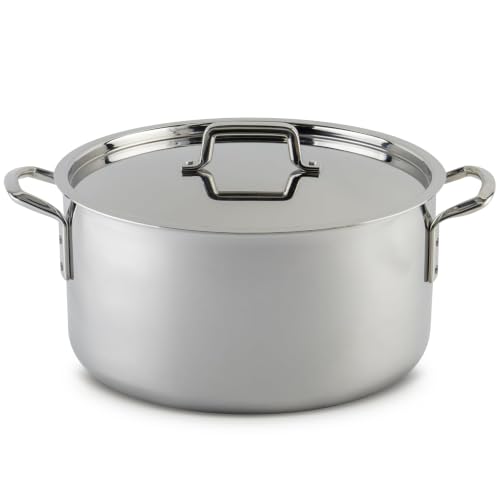
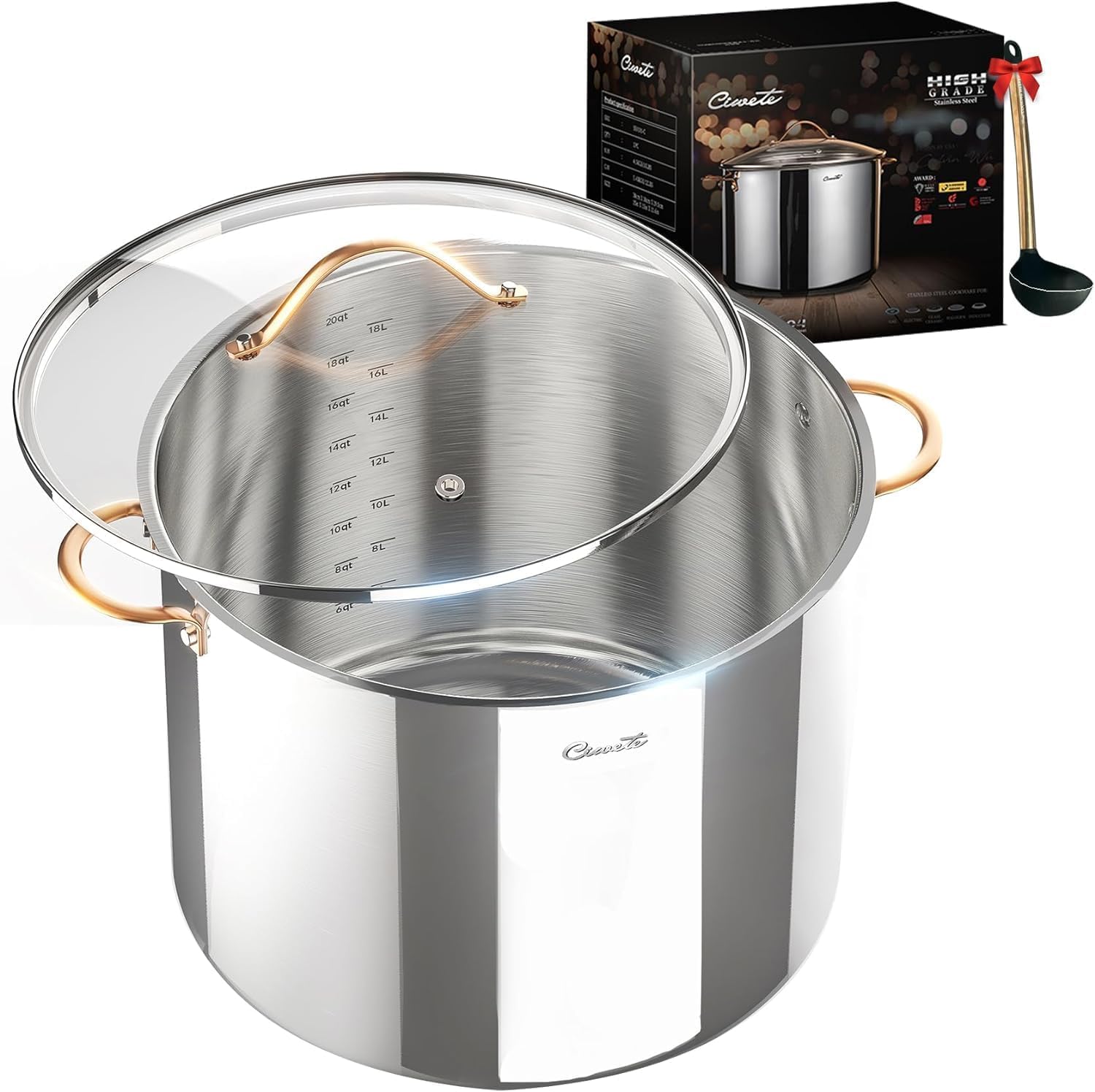


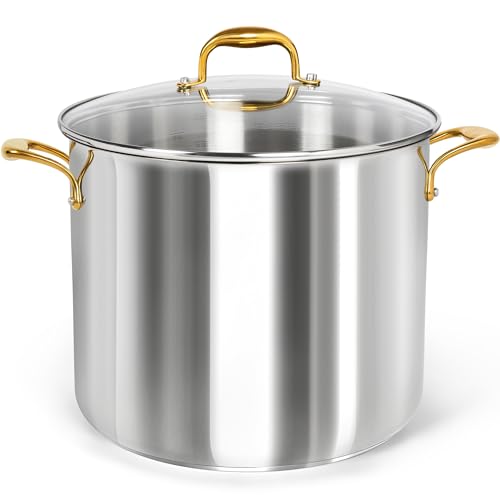

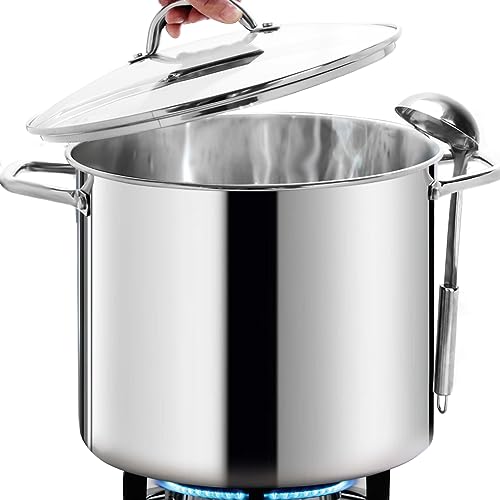

Before You Buy: A Quick Checklist for Choosing a Stock Pot
A 20 quart pot holds five gallons, so small details have big effects on daily use. Work through the points below before you look at finishes or extra pieces.
Size: Match It to Your Space
Measure three places before you order: the burner, the space under your range hood or microwave, and the cabinet or shelf where the pot will live. A full pot is wide and tall, and it needs clearance for steam and for the lid to lift clear. Also check your sink, since a pot that cannot sit flat under the faucet is hard to fill and rinse. If most of your cooking serves four to six people, a best 12 quart stock pot may suit you better and take far less room.
Which Type Fits Your Routine
Stainless steel handles acidic tomato sauces well, tolerates high heat, and goes in the dishwasher in most cases, which makes it a calm choice for busy homes. Aluminum heats fast and weighs less, but plain aluminum can react with acidic foods and often needs hand washing. Enameled steel resists stains, though the coating can chip if you bang utensils on the rim. Nonstick surfaces release starchy foods with ease, yet the coating wears over time and limits high heat use. If stainless sounds closest to your routine, read our guide to the best stainless steel stock pot for a closer look at grades and bases.
Features Worth Paying For and Ones to Skip
A thick base, sturdy riveted handles, and a lid that sits flat are worth your money, since you will feel them every time you cook. A pasta insert helps if you boil pasta often and want to lift it out in one motion, and a steamer basket earns its cost if you cook corn or shellfish for a group. A spigot matters mainly for brewing or for draining large amounts of liquid without lifting. Skip extra pieces you will rarely use, because each one needs washing and storage space you may not have.
Material Safety in Plain Terms
If you want to avoid PFAS and PTFE coatings, choose plain stainless steel, enameled steel, or plain aluminum with no nonstick layer. Stainless steel has no coating to wear away, and quality grades used for cookware are made for food contact. Ceramic style coatings are another option, but they tend to lose their slick surface faster than other finishes, so treat them as a shorter life choice. Whatever you pick, retire a pot if a coating flakes or an enamel surface chips down to bare metal in the cooking area.
Induction, Gas, and Glass Top Compatibility
Induction burners need a magnetic base, so bring a small fridge magnet when you shop in person, or check the product specs for the word induction before you buy online. Gas burners suit almost any base, but a pot much wider than the burner wastes heat up the sides. On a glass top stove, choose a flat and smooth base and lift the pot rather than sliding it, since a rough base or a heavy drag can scratch the surface. A warped base rocks and heats unevenly on any stove, so check that the pot sits steady.
Oven Temperature Limits and Handles
Many stainless pots can move from stove to oven, but the lid handle and side handles set the real limit, and glass lids often allow less heat than metal lids. Check the stated oven limit for the whole pot, not just the body, before you plan to finish a braise in the oven. Long handles stay cooler but take more storage room, while loop handles save space yet need thick mitts for a safe grip. For a pot this size, two strong side handles matter more than a long handle, since a full load needs two hands.
Realistic Budget Ranges
Under $30, expect thin aluminum or light stainless steel that works for occasional boils but may dent and heat unevenly. At about $50 to $100, bases get thicker, handles feel firmer, and lids fit better, which suits most family cooking well. At about $100 to $200, you often get clad construction and better finishing. Spending more mainly buys durability and even heating, not extra capacity, so set your budget by how often you cook for a crowd.
Types Compared: Which Build Suits Your Home
Since the capacity is fixed, the real choice is construction. The three builds below cover most homes, and each one trades weight, care, and cost in a different way.
Single Layer Stainless Steel for Low Effort Care
This build pairs a stainless cooking surface with a base disc that spreads heat. It resists rust, handles metal utensils, and suits cooks who want to put dinner in the dishwasher and be done. The walls can heat less evenly than the base, so stocks and soups do fine while thick chowders need more stirring. Choose this type if you cook large batches a few times a month and value simple care over perfect heat control.
Three Layer Clad for Even Heating
Clad pots bond an aluminum core between stainless layers, often up the sides as well as across the base. Heat spreads more evenly, so beans and grains scorch less and sauces hold a gentle simmer with fewer hot spots. The trade off is weight and price. Choose this type if you cook long simmers often and your stove and arms can handle the extra heft.
Lightweight Aluminum for Occasional Big Batches
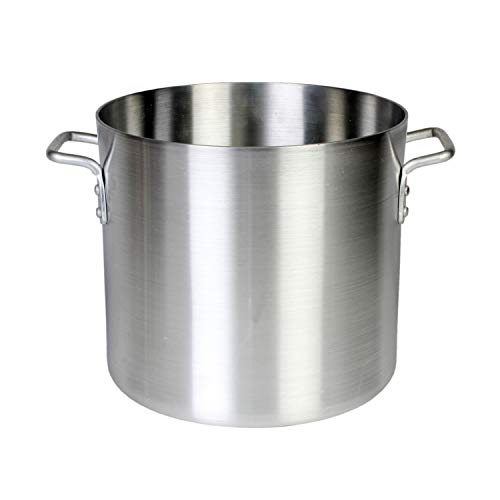
Aluminum keeps the empty pot light and the price low, which helps if you only haul it out for holidays, canning days, or a seafood boil. It heats quickly and responds fast when you lower the flame. The limits are real, though: it can dent, it may not work on induction, and acidic sauces can pick up a metallic taste during long cooks. Choose this type if low weight and low cost matter more than daily durability.
How the Options Were Judged
The checklist above comes from maker specifications, care instructions, and patterns in verified buyer reviews, with weight given to heat distribution, durability, material safety, stove and oven compatibility, and ease of cleaning. Use those same five points when you compare any two pots.
Is a 20 Quart Stock Pot the Right Size for You?
Choose 20 quarts if you cook soup, stock, or pasta for eight or more people, process garden produce, or simmer a whole batch of bone broth at once. The extra headroom also helps with foaming foods, since you can keep the fill line well below the rim. For a full guide to matching capacity to household size, see what size stock pot do i need before you commit to a pot this large.
Think twice if your household is small and your storage is tight. A half empty large pot heats a small amount of food poorly, and you will reach past it most days. In that case, an best 8 quart stock pot covers daily soups and sauces. Also weigh the full weight: five gallons of water alone weigh about 42 pounds, plus the pot itself, so plan to fill and drain it right at the stove or sink.
Common Buying Mistakes to Avoid
- Buying for the biggest meal of the year, then fighting for storage space during the other eleven months.
- Checking capacity but not height, so the pot crowds the range hood and the lid cannot lift clear.
- Ignoring stove fit, then finding the base is not magnetic for induction or hangs far past a small burner.
- Paying for inserts and baskets you will use once, while settling for thin metal you will regret for years.
- Forgetting the full weight, so the first batch of stock is too heavy to move safely to the sink.
Cost of Ownership and Care
Ownership costs stay low for plain metal pots, since there are no parts that wear out on a schedule. Your main costs are storage space, a sturdy trivet for hot bases, and replacement mitts with a good grip. Enameled and coated pots can cost more over time if the surface fails and the whole pot needs replacing. For step by step washing and stain removal advice, follow our guide on how to clean a stock pot rather than scrubbing with harsh pads that mark the finish.
Day to day, wash the pot soon after cooking so starchy residue does not dry onto the base, and dry it fully before you store it with the lid ajar. Store heavy inserts outside the pot if shelf space allows, since nested pieces can scratch interior surfaces. With that simple routine, a plain stainless pot can serve through many years of family cooking.
FAQ
What makes a stock pot brand reliable?
Look for clear specifications, honest capacity markings, and a warranty that the maker honors without fuss. Reliable brands publish the metal grade, the oven limit, and stove compatibility instead of hiding them in fine print. Buyer reviews that praise the same points over several years matter more than a high average from a short burst of ratings.
Is a 20 quart stock pot worth it for a small household?
It can be, if you batch cook and freeze meals in portions for later weeks. One large cook session can fill your freezer and cut daily cooking time, which offsets the storage cost of the pot. It is harder to justify if you rarely freeze food or lack a place to keep it. In that case the money usually serves you better in a smaller pot you will use every week.
How long does a stock pot last?
A plain stainless or aluminum pot often lasts well over a decade, because there is no surface layer to fail. Coated and enameled pots usually have a shorter useful life, since the finish sets the limit once it wears or chips. Longevity also depends on storage: a pot that is dropped, warped on high dry heat, or stored with heavy items stacked inside will age faster than one kept dry and unstacked.
Can a 20 quart stock pot be used for canning?
Yes, if it is tall enough to cover your jars with water by the amount your canning guide requires, and if the base stays flat on your burner. A rack at the bottom keeps jars off direct heat and reduces rattling during processing. Check your stove manual too, because some glass top ranges limit the pot diameter and the total weight allowed. Follow trusted canning recipes and processing times from a trusted food safety source.
What is the best 20 quart stock pot for a glass top stove?
Choose one with a flat, smooth, and heavy base that sits steady without rocking, and keep the base diameter close to the burner size. Stainless steel with an encapsulated base usually fits these needs well and will not react with tomato based sauces. Lift the pot when you move it rather than sliding it across the glass. That single habit protects the stove surface, which costs far more to replace than any pot.
Final Thoughts
Start with your space, your stove, and how often a crowd gathers at your table, and the right build will be clear. For most homes, stainless steel with a solid base offers the calmest mix of durability and easy care, and the product table above can help you compare the options side by side. When you find a best 20 quart stock pot that fits your kitchen and your budget, it stops being special occasion gear and becomes the pot your family asks for by name.


