Best 20 Inch Gas Ranges in 2026: Compact Buying Guide
Disclosure: We may earn a commission when you buy through links on this page, at no extra cost to you. As an Amazon Associate I earn from qualifying purchases. Learn more

Compare the best 20 inch gas range types by burners, oven room, fuel type and installation cost for apartments and narrow kitchens.
A narrow kitchen in a small apartment or an older house can leave you with a gap that no standard range will fill. Choosing the best 20 inch gas range for that space means balancing burner power, oven room, and daily ease of use, plus your household size and budget.
The types compared below sum up the main options side by side. If you are also weighing wider models, our guide to the best gas range covers the full size range.

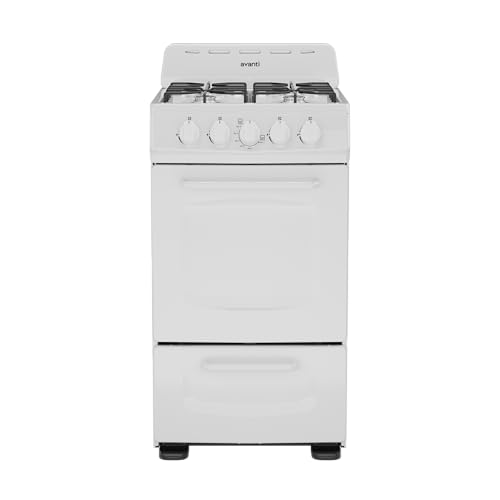

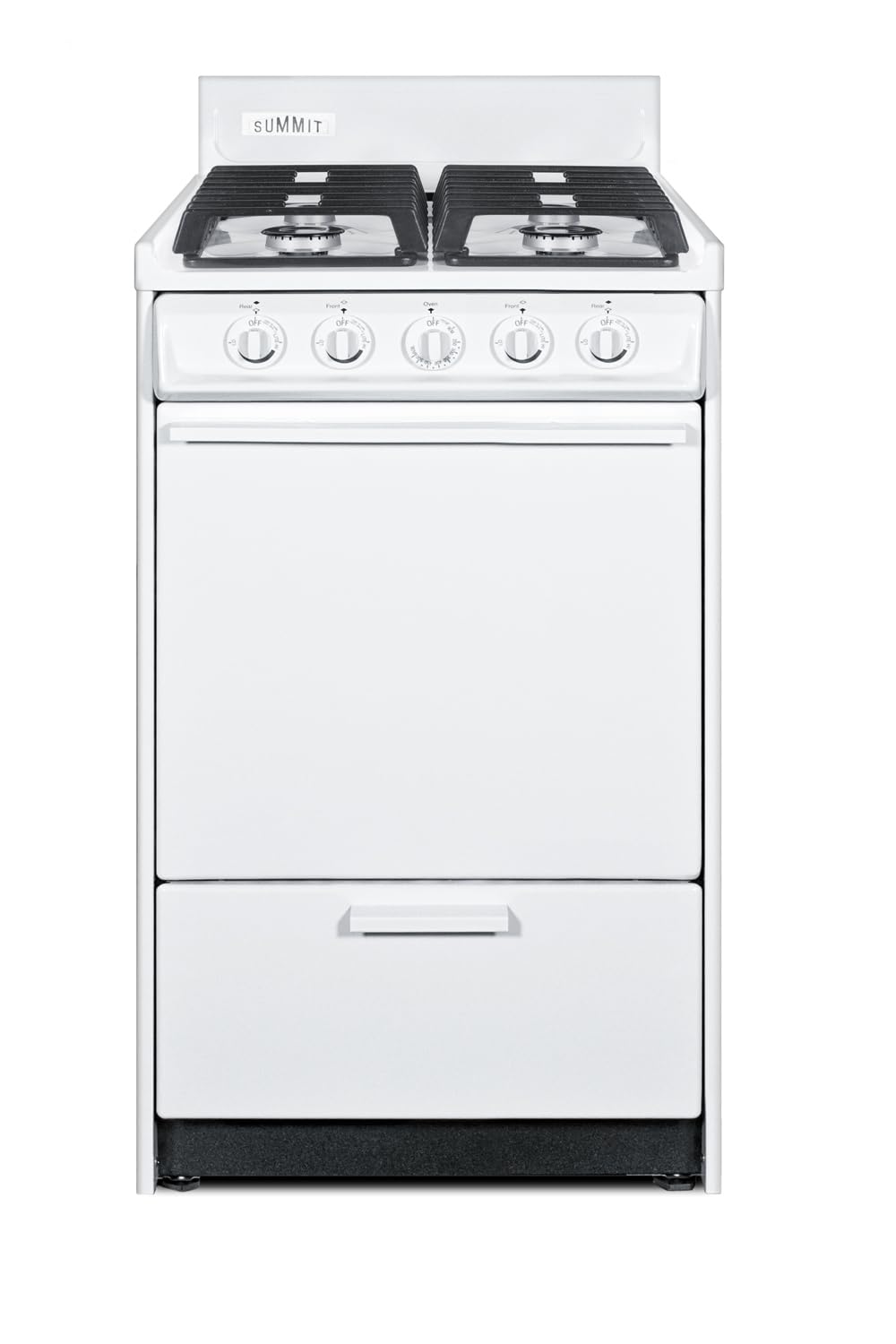
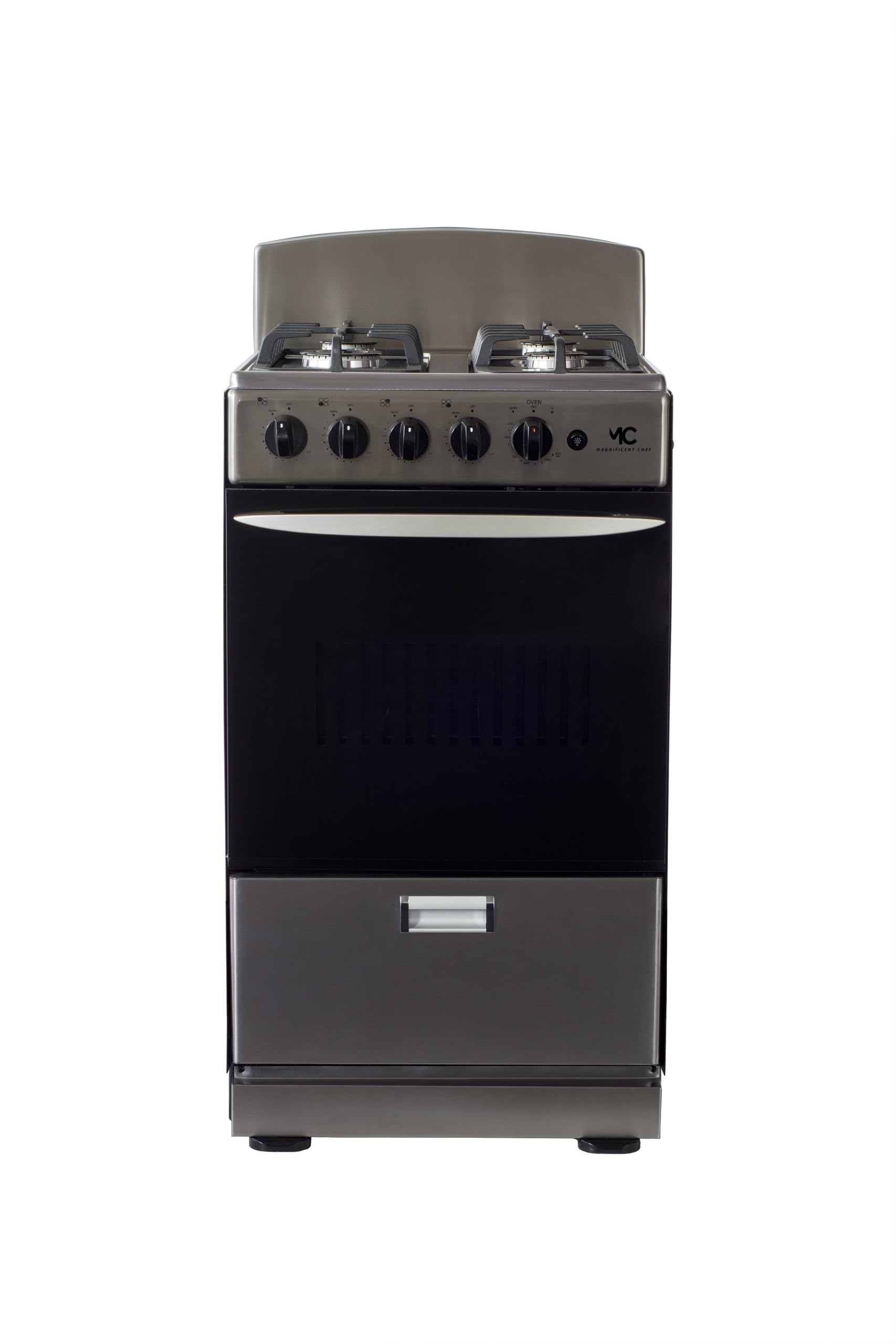
Quick Answer: The Main Types in 30 Seconds
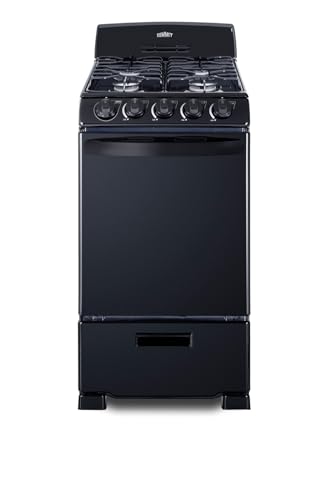
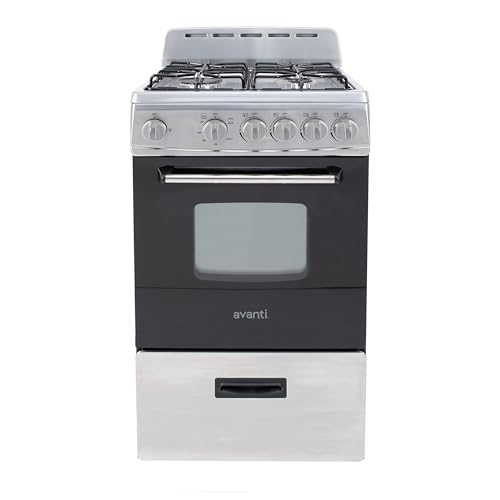
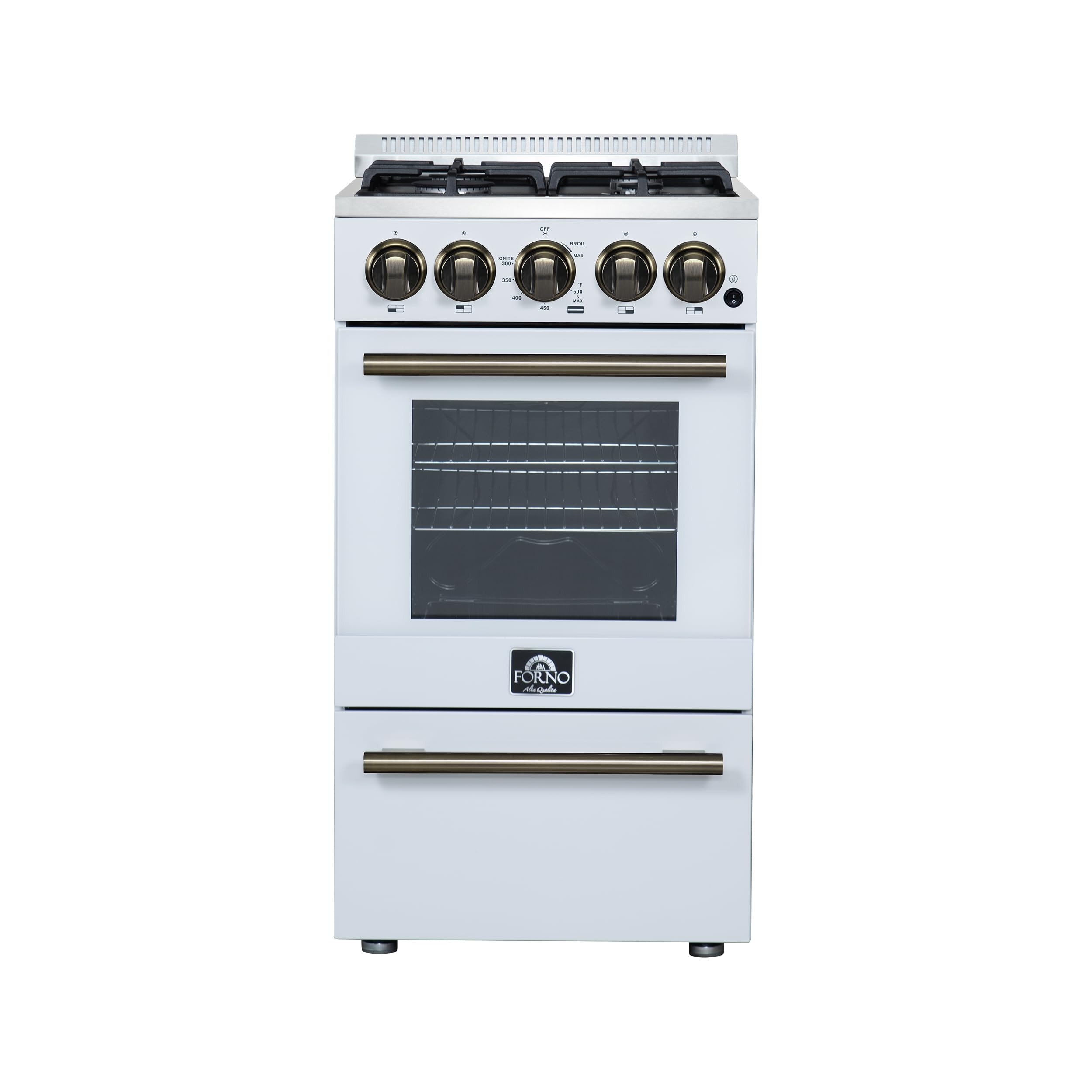
Most 20 inch models fall into three groups. Basic freestanding ranges give you four burners and a simple oven for the lowest cost. Upgraded models add sealed burners or a convection fan. Propane ready and battery ignition models suit cabins and homes that lose power often.
- Basic freestanding: lowest price, simple controls, and an oven for daily meals for one to three people.
- Upgraded with extras: easier cleaning, more even baking, and steadier grates under heavy pans.
- Propane ready: conversion parts included or available, plus ignition that works without household power on some models.
Before You Buy: A Quick Checklist for Choosing a Gas Range
Size: Match It to Your Space
Width is the whole point of this category. A 20 inch range fits a cutout that a 24 inch model cannot. Buyers with more space often step up to a best 30 inch gas range for a wider oven and five burners. Measure your cutout at the counter surface and at the floor, since older cabinets are not always square. Also check door swing, because a range door that hits an island or a drawer pull becomes a daily annoyance.
Which Type Fits Your Routine
Nearly every 20 inch model is freestanding, with finished sides and controls on a raised back panel. True slide in styling is rare at this width. Dual fuel and professional styling belong to larger sizes, and double oven layouts do not fit in a body this narrow. If you are torn between fuel types, the comparison in gas vs induction range explains the tradeoffs. For most small households, a plain freestanding model matches daily cooking with the least cost and fuss.
Features Worth It (and Ones to Skip)
Sealed burners are worth paying for, since spills stay on the cooktop surface instead of falling into the burner box, and cleanup takes minutes. Continuous grates help you slide a heavy pot between burners without lifting it. A convection fan improves baking evenness, though it adds cost. Skip a griddle plate at this width, because four burners already crowd the top and a portable griddle does the same job. Air fry modes and smart controls add price without adding cooking room, so pass on them.
Measurements and Compatibility With Your Setup
Beyond width, confirm the gas supply type, the shutoff valve position, and the outlet location behind the range. Most models need a standard outlet for the igniters and oven light, even though the cooking fuel is gas. Check the leveling legs so the cooktop can sit flush with your counters. Before delivery day, read how to install a gas range so you know which connector, valve, and clearance checks your installer will handle.
Certifications and Safety Listings
Look for a recognized safety listing on the rating plate, such as CSA or ETL, which shows the model was evaluated against national standards for household gas cooking appliances. The plate should state the fuel type, natural gas or propane, and the manual should give required clearances to cabinets and walls. Skip any model with no clear listing.
Doing It Yourself Versus Hiring a Pro
Gas work is where this purchase differs from swapping a microwave. A licensed installer can set the connector, test every joint for leaks, fit the tip prevention bracket, and confirm the burners light correctly. Doing the hookup yourself may be allowed in some places and barred in others, so check local rules first. Our breakdown of gas range installation cost shows what the visit, parts, and permit typically add.
Realistic Budget Ranges
Basic models often cost under $500 and cover simple cooking well. The middle band, about $500 to $800, usually brings sealed burners, sturdier grates, and a better finish. Spending about $800 to $1,200 can add convection, a larger oven window, and propane conversion parts. Above that level you pay mostly for styling. Hold back money for delivery, the connector kit, and installation, which add a noticeable share to the total bill.
Types Compared: Three Ways to Buy a 20 Inch Gas Range
Since this guide focuses on fit and daily use rather than brand names, compare the three types below against your household routine.
Basic Freestanding Models for Modest Budgets
These ranges pair four burners of modest output with a simple oven and plain controls. They suit renters, single cooks, and small families who bake casseroles, roast vegetables, and boil pasta more often than they attempt fancy work. The oven is usually around 2 cubic feet, enough for a chicken or a modest tray of cookies. You give up sealed burners on the cheapest versions, so spills take longer to clean.
Upgraded Models With Sealed Burners and Convection
Stepping up buys sealed burners, cast iron grates that span the cooktop, and often a convection fan in the oven. Bakers notice the fan most, since heat circulates and trays brown more evenly from rack to rack. The wider window and oven light make it easier to check food without opening the door and losing heat. Choose this type if you cook daily, bake often, and plan to keep the range for many years.
Propane Ready and Battery Ignition Models
Some compact ranges ship ready for propane or include the jets needed to convert, and a few use battery powered ignition instead of household current. That mix suits rural homes, cabins, and cottages where propane is the stored fuel and outages are common. You can still light the cooktop and bake during a blackout, within the limits the manual allows. Confirm the conversion kit is included before you order, and have a qualified technician perform the conversion.
Our Selection Process for the Best 20 Inch Gas Ranges
We judged types by installation and compatibility first, since a range that does not fit your cutout or fuel supply is useless no matter how well it cooks. Next came build quality and finish, then features that change daily cooking, such as sealed burners and grate design. We also weighed safety listings, warranty length, and parts availability, using maker specifications and patterns in verified buyer reports.
Is a 20 Inch Gas Range the Right Size for You?
For one to three people in an apartment or a small house, the answer is usually yes. Four burners handle a sauce, a side, and a main at once, and the oven fits a roasting pan or a quarter sheet tray. Large families who cook several big dishes together will feel the squeeze, since a full size sheet pan and a tall stockpot crowd this oven.
Consider a 24 inch model if your cutout allows it and you bake large trays often, since those extra inches go straight into oven width. Keep the 20 inch size if the gap is fixed by cabinets or a doorway, because forcing a wider range into a narrow opening creates clearance and heat problems. Size for your biggest weekly meal, not the holiday feast.
Common Buying Mistakes to Avoid
- Measuring only the counter gap: a range that fits at the top can bind at the floor where cabinets bow, so measure in both places.
- Forgetting the fuel type: ordering a natural gas model for a propane home means conversion parts, a service visit, and a delayed first meal.
- Ignoring door and drawer clearance: an oven door that blocks a nearby drawer makes the whole corner harder to use every single day.
- Paying for features you cannot use: smart controls and air fry modes add cost but no space, and the oven stays the same size.
- Skipping the installation budget: delivery, a new connector, and a leak test cost money, and reusing an old connector risks a poor seal.
Cost of Ownership and Care
Running costs stay modest, since gas for a small range is a minor share of most household bills and there are no filters or consumable parts to replace on a schedule. Your main spending over the years will be a replacement igniter or knob now and then, plus an occasional service call.
For care, wipe spills once the grates cool, lift the grates and caps weekly, and wash them in warm soapy water. Keep burner ports clear with a soft brush so flames burn even and blue. Check that the oven door gasket seals well, since a worn gasket wastes heat. If you smell gas, leave the house and call your gas utility or emergency services from outside.
Your Questions, Answered
What is the most reliable gas range brand?
No single maker wins at this size, and reliability data for 20 inch models is thin because sales volumes are small. A better test is local service. Ask which brands nearby technicians stock parts for, and favor a model with a warranty of at least one year on parts and labor. Simple models with fewer electronic boards also tend to need fewer repairs as they age.
How do you clean a gas range?
Wait until every part is cool, then remove the grates and burner caps and soak them in warm water with dish soap. Wipe the cooktop with a damp cloth and a mild cleaner, and dry the caps fully before putting them back so the igniters light promptly. Inside the oven, a paste of baking soda and water loosens baked residue without harsh fumes. Avoid soaking the burner heads, since trapped moisture can block the ports.
Is a gas range worth it?
For cooks who value instant heat changes, it can be. A flame responds the moment you turn the knob, and most pans you already own work without any compatibility checks. The tradeoff is ventilation. Gas cooking adds moisture and combustion byproducts to the room air, so a vent hood that exhausts outdoors matters more than it does with electric cooking. If your kitchen lacks any venting path, weigh that cost before deciding.
How long does a gas range last?
A gas range commonly serves about 15 years, and simple compact models can go longer because they carry fewer electronic parts to fail. The igniter is usually the first part to wear out, and it is also one of the cheaper parts to replace. Keeping burner ports clean and the oven gasket intact helps the range hold its performance. When oven temperature swings grow large and repairs stack up within a short span, replacement usually beats another service call.
What size gas range do I need?
Start with the cutout, since it sets a hard limit that no preference can override. Then match oven room to your largest regular dish rather than your largest ever dish. Households of one to three people usually cook comfortably on four burners and about 2 cubic feet of oven space. If you regularly bake two trays at once or roast a very large turkey, you need a wider range and should plan the kitchen around that fact.
What is the best 20 inch gas range?
The right answer depends on which type fits your home. A basic freestanding model suits tight budgets and simple cooking, an upgraded sealed burner model suits daily cooks and bakers, and a propane ready model suits homes on stored fuel. Match the fuel type, confirm the safety listing, and leave room in the budget for proper installation. A range that fits your space, your fuel, and your routine will serve you better than any single award label.
Final Thoughts
A compact range rewards careful measuring and honest thinking about how you cook. The product table above pulls the main types together so you can compare fit, features, and cost at a glance. For most small households, the best 20 inch gas range is the sealed burner model that fits the cutout, matches the fuel supply, and leaves money for a safe install.