Best 20 Inch Electric Ranges in 2026: Compact Buying Guide
Disclosure: We may earn a commission when you buy through links on this page, at no extra cost to you. As an Amazon Associate I earn from qualifying purchases. Learn more

Compare the best 20 inch electric range styles by oven size, burner type, circuit needs and cost for apartments and narrow kitchens.
A narrow galley kitchen, a small apartment, or a guest suite often leaves you a gap that a standard range cannot fill. That is exactly the problem the best 20 inch electric range solves, giving you four burners and a real oven in the width of a dishwasher. The catch is that compact models differ a lot in oven space, burner layout, and build quality.
This guide helps you choose by space first, then by household size and budget. Work through the checklist below and compare the types below before you spend anything.

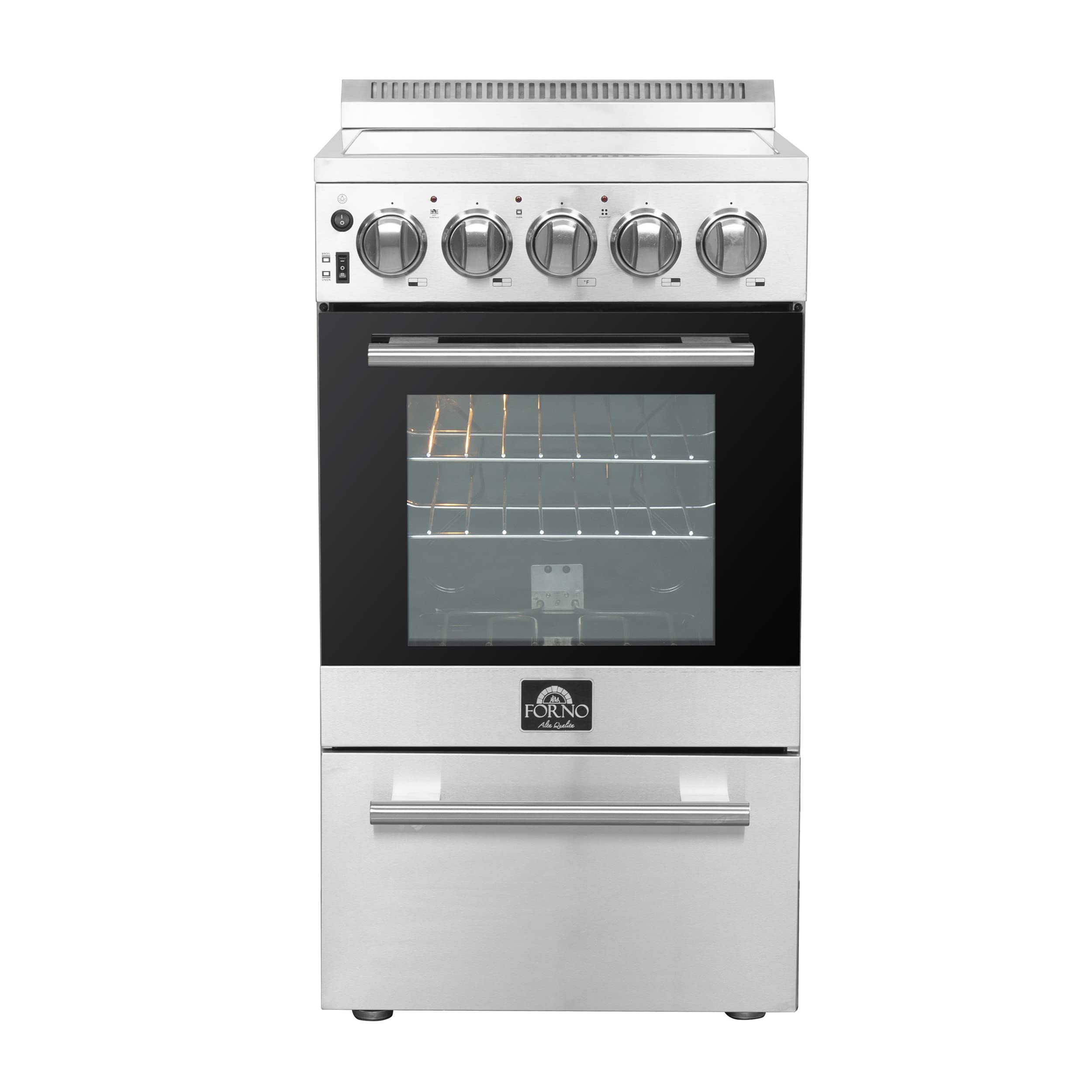
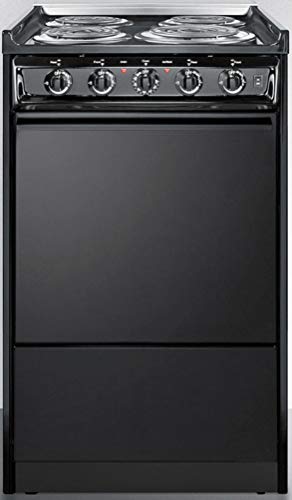

Quick Answer: The Short Version
If your cutout measures 20 inches and your cooking is mostly for one to three people, a freestanding coil or smooth top model with at least two larger burners is the safest all round choice. Prioritize a listed safety certification and a broiler you will actually use. Spend more only when you cook daily and want stronger insulation and sturdier racks.
Before You Buy: A Quick Checklist for Choosing an Electric Range
A compact range is a long term appliance, so a few minutes of checking now prevents the most common regrets. Start with the space itself, since no feature matters if the unit cannot fit or be powered safely. If you are still weighing a full size model, our guide to the best electric range covers the standard sizes.
Size: Match It to Your Space
Ranges come in 20, 24, 30, and 36 inch widths, and each step up adds meaningful oven room. A 20 inch model suits apartments, studios, cabins, and small rental units built around a narrow opening. A 24 inch model is the middle path, adding roughly a fifth more oven width while still fitting many small kitchens. Standard 30 inch models offer the widest feature choice. Measure your actual opening rather than trusting the size of the range you are replacing, because older compact units sometimes sat in openings that were trimmed to fit.
Which Type Fits Your Routine
Nearly all 20 inch models are freestanding, meaning finished sides let them stand alone or slide between cabinets, with controls on a raised back panel or at the front. True slide in designs are rare at this width, and our explainer on slide in vs freestanding range shows why the distinction matters more at standard sizes. For the cooktop, coil burners are simple, cheap to replace, and tolerant of heavy cast iron. Smooth top models wipe down fast, yet the glass can scratch or crack under rough handling. Induction exists at compact sizes but is uncommon, as the comparison in induction vs electric range explains.
Features Worth It (and Ones to Skip)
At this size, the features that earn their cost are a working broiler, a storage drawer for sheet pans, an oven light, and a timer you can set without a manual. Convection appears on a few compact models and helps baking evenness, but it raises the price noticeably. Air fry modes, WiFi links, and warming drawers are rare at 20 inches and usually force compromises elsewhere, so treat them as bonuses rather than reasons to buy. Double ovens do not exist at this width at all, so anyone who needs two cavities should look at a larger size.
Measurements and Compatibility With Your Setup
Measure the opening width, the depth from the wall to the front of your cabinets, and the height to the underside of any cabinet or hood above the range. Leave the small gap the maker specifies so heat can escape and the unit can slide out for cleaning. Check the electrical supply before ordering, because most electric ranges need a 240 volt circuit with a 40 or 50 amp breaker and a matching receptacle behind the unit. Confirm whether a power cord is included, since many ranges ship without one. Also check door swing in tight walkways, where an open oven door can block a narrow passage.
Certifications and Safety Listings
Look for a UL or ETL listing on the rating plate, which shows the model was certified to recognized appliance safety standards. That listing matters more than marketing badges at this price level. Confirm the anti tip bracket is included in the box, because every freestanding range must be anchored so it cannot tip when a heavy load pulls on the open door.
DIY vs Pro Installation Cost
Swapping a range for one with the same plug and circuit is one of the simpler appliance jobs, and many owners handle it themselves, including fitting the anti tip bracket and leveling the feet. Hire an electrician when the circuit, breaker, or receptacle needs changes, because panel work is not a learning project. Our breakdown of electric range installation cost walks through typical labor ranges and permit questions. Delivery crews may place the unit without connecting it, so confirm what your retailer includes.
Realistic Budget Ranges
Most 20 inch electric ranges sell for about $500 to $900, with basic coil models near the bottom of that band and smooth top or convection models near the top. Under about $500 you are usually looking at very basic units sold for rentals and seasonal homes, with thin oven insulation and few extras. Between about $500 and $800 sits the strongest value zone, where burners, racks, and finishes hold up to daily cooking. Above about $800, expect better insulation and heavier racks rather than more cooking power. Budget a little extra for a cord and haul away of the old unit.
Types Compared: What Your Money Buys at 20 Inches
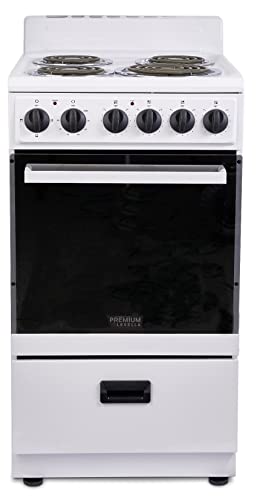
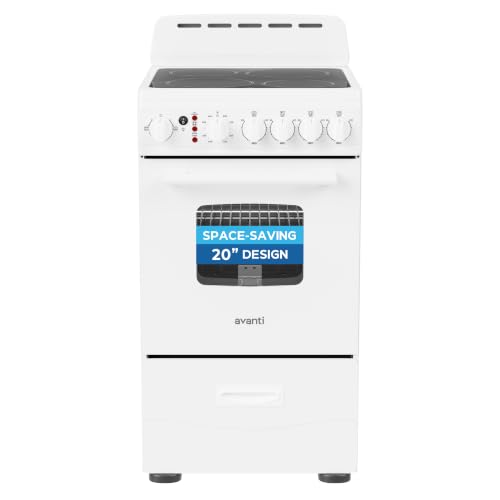
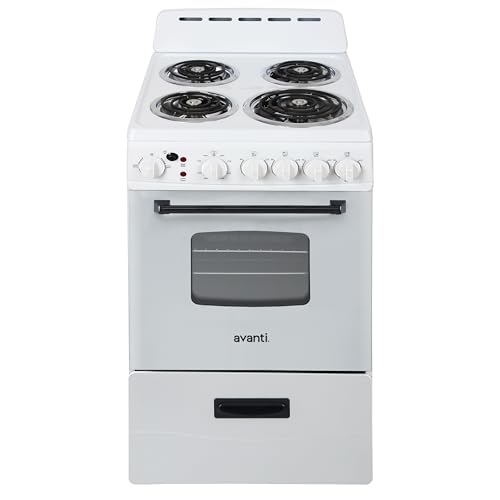
Instead of chasing model names that change every season, compare the three build styles below, which the product table above lines up side by side.
Basic Coil Models for Rentals and Second Kitchens
Coil burners are the workhorses of the compact class. The elements unplug for cleaning or replacement, drip bowls are cheap, and the surface tolerates heavy pots and slightly warped pans. Oven cavities on these models are simple, with a broiler and one or two racks. For landlords, cabins, and break rooms, that simplicity is the point, since nearly any part can be sourced quickly and fitted with basic tools.
Smooth Top Models for Daily Cooking in Small Homes
A glass ceramic top gives a small kitchen a cleaner look and a surface that doubles as extra counter space when cool. Spills wipe up before they bake onto a coil, and most smooth top compact models add slightly better oven insulation than the cheapest coil units. The trade off is care, because sliding rough cast iron can scratch the glass and a dropped pan can crack it.
Upgraded Compact Models With Convection and Better Finishes
The top tier at this width adds a convection fan for more even baking, heavier oven racks, stainless finishes, and tighter door seals that hold heat with less cycling. These models suit owners who bake often in a small permanent home and plan to keep the range for a decade. You pay for durability and finish rather than capacity, since the oven cavity stays modest.
Our Selection Process for the Best 20 Inch Electric Ranges
We judge compact ranges on fit and compatibility first, then build quality, burner layout, oven usability, safety listing, and warranty length. Our notes come from manufacturer specification sheets and patterns in verified buyer reports, with attention to repeat complaints about oven temperature accuracy and element failures. We favor designs with parts that stay easy to source years after purchase.
Is a 20 Inch Electric Range the Right Size for You?
A 20 inch range cooks comfortably for one to three people. Four burners fit on top, but they are close together, so two large pots at once is realistic while four is not. The oven holds a quarter sheet pan or a small roasting pan, and a large turkey will not fit. If you regularly cook for four or more, compare the best 24 inch electric range options before committing, because that extra width transforms what the oven accepts. Batch cooking and holiday meals are the usual pressure points, so think about your biggest cooking day of the year rather than an average Tuesday. For singles and couples, the compact size frees counter space a bigger range would swallow.
Common Buying Mistakes to Avoid
- Measuring the old range instead of the opening, so the new unit binds on cabinets that were trimmed years ago.
- Assuming the existing outlet matches, then facing a delay when the cord plug and receptacle differ.
- Skipping the anti tip bracket, which leaves the range free to tip when a child or a heavy casserole pulls on the open door.
- Paying for convection or smart features while accepting weaker burners for daily cooking.
- Forgetting the space above the range, so an overhead cabinet sits too close to rising heat.
- Ordering before checking the oven interior against your largest pan.
Cost of Ownership and Care
Running costs stay modest because a smaller oven heats less air. Expect the main upkeep costs to be replacement coil elements or drip bowls on coil models, and a glass top cleaner plus a razor scraper on smooth top models. Our step by step guide on how to clean an electric range covers both surfaces without harsh chemicals. Wipe spills promptly, keep the oven vent clear, and check the door seal each year for gaps that waste heat. With that light routine, a compact range commonly serves for about 10 to 15 years.
Your Questions, Answered
What is the most reliable 20 inch electric range style?
Simple coil models tend to be the most forgiving over a long life, because each element unplugs and swaps in minutes without a service call. Smooth top models add a glass panel that costs far more to replace if it cracks. Across styles, reliability tracks build simplicity and parts availability more than brand badges, so favor designs sold in the same form for several years.
How do you level a 20 inch electric range on an uneven floor?
Each foot screws in or out by hand or with pliers, so raise the low corner until a level sits flat across the cooktop in both directions. Leveling matters because pans slide on a smooth top and oven racks tilt, sending batter to one side. Recheck after sliding the range into place, since pushing it home often twists one foot.
Is a 20 inch electric range worth it for a small household?
Yes, when the alternative is a standard range that does not fit or a cooktop plus countertop oven pairing that eats your limited work surface. One compact range keeps cooking in a single footprint on one circuit. It is not worth it if you host large dinners often, because the oven size limits every gathering.
How long does a 20 inch electric range last?
Most compact electric ranges last about 10 to 15 years with routine care. Coil models often reach the top of that range because their parts are cheap and universal, while a cracked glass top can end a smooth top model early for cost reasons alone. Keeping spills out of the burner sockets most extends service life.
What size pans fit on a 20 inch electric range?
Plan on skillets and pots up to about 10 inches across on the larger burners, with smaller saucepans on the rear burners. Inside the oven, a quarter sheet pan and a 9 by 13 inch dish are about the limit, depending on the model. Bring your largest pan measurements when you shop, because interior width varies by an inch or more between brands.
What is the best 20 inch electric range for a first apartment?
For a first apartment, choose the simplest freestanding coil or smooth top model that fits your opening and your circuit, with a storage drawer and a broiler. Spending the difference on cookware that suits the smaller burners serves you better than paying for convection you may rarely use. Confirm the landlord approves the swap first.
Final Thoughts
A compact range succeeds when it matches your opening, your circuit, and the way you cook each week. Measure carefully, pick the surface style that fits your habits, and let the product table above confirm how the types stack up. Chosen that way, the best 20 inch electric range for your home stops being a compromise and becomes the appliance your small kitchen was built around.