Best 20 Gallon Air Compressors in 2026: Types and Buying Guide
Disclosure: We may earn a commission when you buy through links on this page, at no extra cost to you. As an Amazon Associate I earn from qualifying purchases. Learn more

Compare the best 20 gallon air compressor layouts by airflow at 90 PSI, pump type, noise and weight for a garage or home shop.
Choosing a 20 gallon air compressor sounds simple until you compare the numbers on the box. Two units with the same tank size can deliver very different airflow and run at very different noise levels. The best 20 gallon air compressor for you is the one whose airflow matches your hungriest tool, not the one with the biggest tank alone. The three types below line up the main layouts in this size class so you can see the trade offs at a glance.
This guide walks you through those types and the specs that actually matter. If you want the wider picture first, our guide to the best air compressor covers every common tank size, and this article narrows the focus to the 20 gallon class.

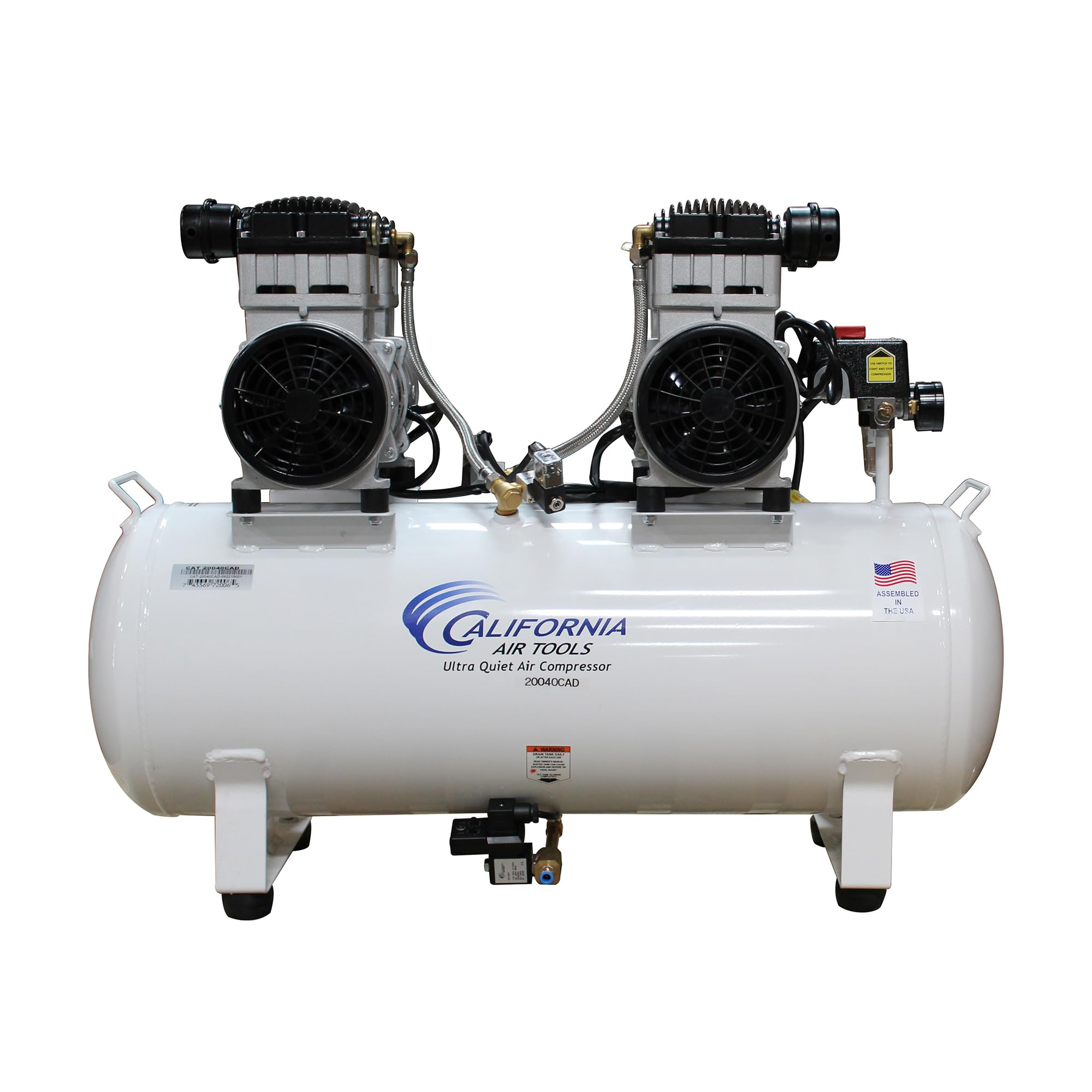

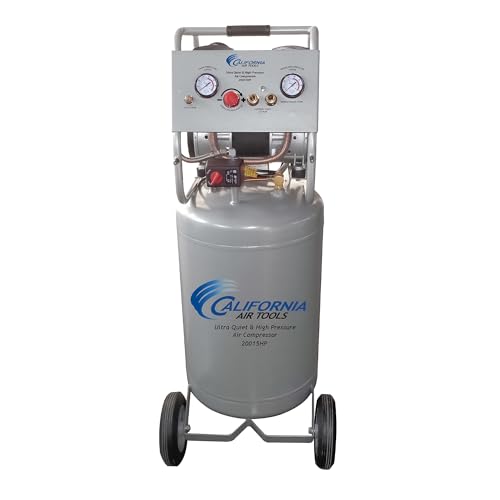


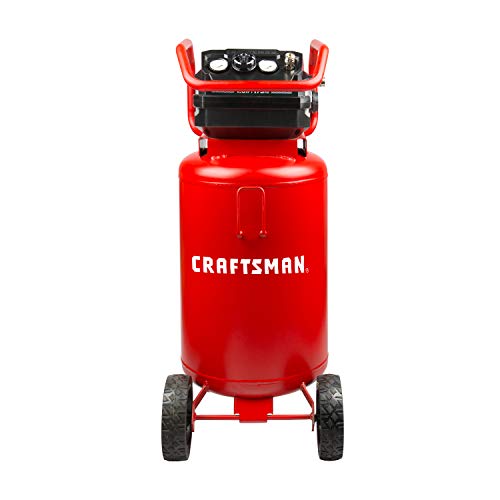

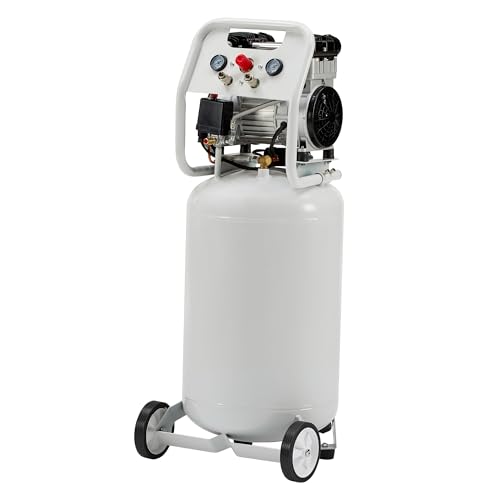
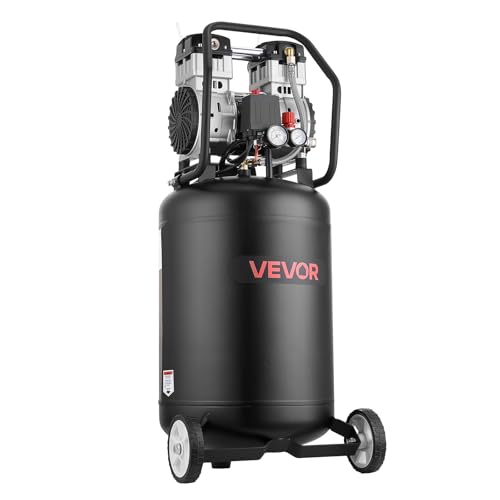
Three Types to Compare in the 20 Gallon Class
Instead of chasing a single winner, compare the three layouts sold at this size. Each uses the same tank very differently, and the right choice depends on your floor space, your tools, and how often you move the unit.
Vertical Units That Save Floor Space
A vertical 20 gallon compressor stands the tank upright, so it takes a narrow footprint in the corner of a garage or shop. That layout suits a fixed spot near a workbench, where a longer hose reaches the work. The trade off is movement, because a tall tank on small wheels can feel top heavy on rough ground. Choose this type when floor space is tight and the compressor will live in one place.
Horizontal Units on Wheels That Travel Well
A horizontal tank sits low on a frame with larger wheels and a pull handle, and that low center of gravity makes it far easier to move across a driveway or around a job site. You give up a little floor space, since the tank stretches out instead of standing up. In return you get stability while towing. Choose this type when you roll the compressor to the work instead of bringing the work to it.
Quiet Oil Free Units for Shared Spaces
Some 20 gallon models use an oil free pump tuned for lower noise, and they suit garages attached to the house or shops where other people work nearby. You skip oil changes entirely, though this pump style can wear sooner under constant heavy use. Noise ratings vary a lot between models, so compare the decibel figure rather than trusting a quiet label. Choose this type when sound and simple upkeep matter more than maximum service life.
How We Chose the Criteria in This Guide
The criteria below come from manufacturer specification sheets and the questions buyers ask most about this size class. We weigh power and performance first, then ergonomics and weight, durability, and warranty terms.
How to Choose the Right Air Compressor
The air compressor buying guide covers the general shopping process, and the points below apply it to the 20 gallon size.
Size and Form Factor
Tank size controls how long you can run a tool before the motor starts again, not how much power the tool receives. A 20 gallon tank sits in the middle of the range, well above the 1, 2, 6, and 8 gallon portables and well below the 30 and 60 gallon stationary units. That middle ground means longer bursts with a nailer, sprayer, or impact wrench and fewer interruptions. Pick this size when a portable tank empties too fast but a stationary unit is more compressor than you need.
Tank Layout and Pump Type
At 20 gallons the real pump choice is oil lubricated versus oil free. An oil lubricated pump with a cast iron cylinder usually runs cooler and lasts longer under daily use, but it needs oil checks and changes. An oil free pump asks almost nothing of you and starts easily in cold weather, at the cost of more noise and a shorter service life. Smaller pancake and hot dog shapes trade this reserve for portability, so they serve a different buyer.
Power and Performance
Judge performance by airflow, listed as CFM or SCFM at a stated pressure, usually 90 PSI for air tools. Your most demanding tool sets the target, since a die grinder or sander can draw two or three times the air of a brad nailer. Max PSI matters less, because most tools regulate down to 90 PSI anyway. Also check the duty cycle and amp draw, since a unit that pulls close to 15 amps needs a circuit that is not already loaded.
Power Source and Motor Design
Nearly every 20 gallon compressor is a corded electric model, because a tank this size is built for sustained work that batteries cannot yet match, and cordless models top out at much smaller tanks. Gas engine models exist for sites without power, but they add exhaust, noise, and engine upkeep. Motor labels such as brushless matter far less here than airflow and duty cycle, so do not pay extra for the label alone.
Features, Accessories, and Warranty
The features worth paying for at this size are practical ones. Large wheels and a sturdy handle matter every time you move a unit that can weigh around 90 to 120 pounds. A regulator with gauges you can read at a glance and a tank drain that is easy to reach both earn their keep. A bundled hose and accessory kit can save money, though kit fittings are often basic. Finally, compare warranty length on the pump itself, since that part is the most likely to need service first.
How Much Should You Spend?
Most 20 gallon compressors sell for about $200 to $600, and where a model lands usually tracks with pump build and airflow. At about $200 to $350 you get a capable oil free unit for home shop duty. At about $350 to $500 you will find stronger pumps, higher airflow, and quieter operation. Above about $500, you are paying for oil lubricated durability meant for daily work. Let your hungriest tool set the budget.
Is a 20 Gallon Air Compressor the Right Size for You?
This size earns its floor space when your work sits between light inflation jobs and full time shop production.
Home Garage Users Who Run Several Tools
If your garage hosts tire inflation, an impact wrench for wheel work, and the odd blow gun cleaning session, a 20 gallon tank covers all of it without constant cycling. Our guide to the best air compressor for home garage use explains how this size fits a typical two car space. You will appreciate the reserve most when two jobs run back to back.
Serious Hobbyists Who Spray and Sand
Spray finishing and air sanding eat air volume, and a small tank makes the motor chase the tool the whole time. The reserve in a 20 gallon tank smooths out pressure swings that can spoil a finish coat. You still need to match airflow to the spray gun, because tank size alone cannot feed a gun that demands more CFM than the pump makes. For occasional furniture or auto body projects, this class often feels calm rather than frantic.
When a Smaller or Larger Size Fits Better
If you only hang trim and inflate tires, a compact unit from the best pancake air compressor class costs less and stores on a shelf. If you run a small shop with two people drawing air at once, step up to a 30 or 60 gallon stationary unit instead. The honest test is your tool list and the largest CFM figure on it.
Common Mistakes to Avoid
- Buying on tank size alone, which leaves you with a pump too weak for your sander or spray gun.
- Ignoring the CFM rating at 90 PSI, since a headline CFM at lower pressure can make a weak pump look strong.
- Forgetting the circuit, because a compressor that trips the breaker under load turns every job into a reset trip.
- Skipping the comparison in our oil vs oil free compressor guide and then discovering the upkeep or noise you chose does not suit your routine.
- Leaving the drain valve shut for months, which lets water pool in the tank and rust it from inside.
- Using an extension cord that is too light, since voltage drop can overheat the motor.
How to Make Your Air Compressor Last Longer
Drain the tank after each day of use by opening the drain valve and letting the moisture out while the tank still holds some pressure. That single habit does more for tank life than any other step, because the water that condenses from compressed air is what rusts the steel.
Keep the intake filter clean and replace it when it looks loaded, since a clogged filter makes the pump work harder for the same air. If your pump uses oil, check the sight glass before long sessions and change the oil on the schedule in the manual. Check fittings and the hose for leaks with soapy water, because small leaks make the motor cycle far more often than the work demands.
Before your first long session, the walkthrough of how to use an air compressor covers safe startup, pressure settings, and shutdown in order. Follow the break in steps in your manual as well, which usually means running the pump briefly with the drain open.
FAQs
What is the best 20 gallon air compressor?
The best choice is the model whose airflow at 90 PSI clears your most demanding tool with margin, in the layout that fits your space. A vertical oil free unit suits a quiet home garage, while an oil lubricated horizontal unit suits daily work. There is no single winner for every buyer, which is why the product table above groups models by type.
What size air compressor do I need?
Start with the tool that uses the most air, and find its CFM requirement at 90 PSI on its label or manual. Choose a compressor that delivers at least that much, with a tank large enough to cover your longest burst of work. Nailers sip air and run happily on small tanks. Sanders, grinders, and spray guns drink air, and they push buyers toward 20 gallons or more.
How long does an air compressor last?
A home shop unit often serves for about 10 to 15 years when the tank is drained and the filter stays clean. Oil lubricated pumps in daily service can run longer still, because the oil film protects the cylinder and rings. The usual end of life signs are slower pressure recovery and rust weeping at the drain. Replacing a worn pump head or check valve can add years at modest cost.
Is an air compressor worth it?
It is worth it when you own or plan to buy air tools, because one compressor powers nailers, inflators, sprayers, and cleaning guns from a single motor. The math works best when at least two or three regular jobs use air, such as tire care, trim work, and shop cleanup. If your only task is inflating the odd ball, a small inflator costs far less.
How do you clean an air compressor?
Unplug the unit, drain the air and the moisture, then wipe the tank, pump, and motor housing with a dry or slightly damp cloth. Clean the intake filter with low pressure air or replace it if it stays gray. Never spray water into the motor vents or use solvents near the intake, since the pump will pull the fumes into the tank and into your next job.
What is the most reliable air compressor brand?
Reliability at this size tracks less with the badge and more with pump construction and parts support. Cast iron cylinders, metal intake filters, and a pump you can buy seals and valves for years later are the signs to look for. Check that the maker stocks wear parts for your model and that warranty service exists near you. A maker who publishes full parts diagrams is usually a safer long term bet.
Final Thoughts
Match the airflow to your hungriest tool, pick the layout that fits your floor and your habits, and keep the tank drained. Do that, and the best 20 gallon air compressor for your garage is simply the one that fits those three tests. Use the product table above to compare the types side by side before you order.