Best 2 Burner Induction Cooktops in 2026: Buying Guide for Small Kitchens
Disclosure: We may earn a commission when you buy through links on this page, at no extra cost to you. As an Amazon Associate I earn from qualifying purchases. Learn more

Compare the best 2 burner induction cooktop types by size, power supply, pan compatibility and cost for small kitchens, rentals and RVs.
A small kitchen can still handle weeknight cooking well when the layout works. Maybe you cook for one or two people, your counters are short, or a guest suite and a rental unit need a simple cooking setup. Choosing the best 2 burner induction cooktop comes down to your space, your household size, and how you cook each day rather than a long feature list.
This guide walks through sizes, types, power needs, and realistic budgets so you can match a model to your home. Read the type comparison below to see how the main types differ.


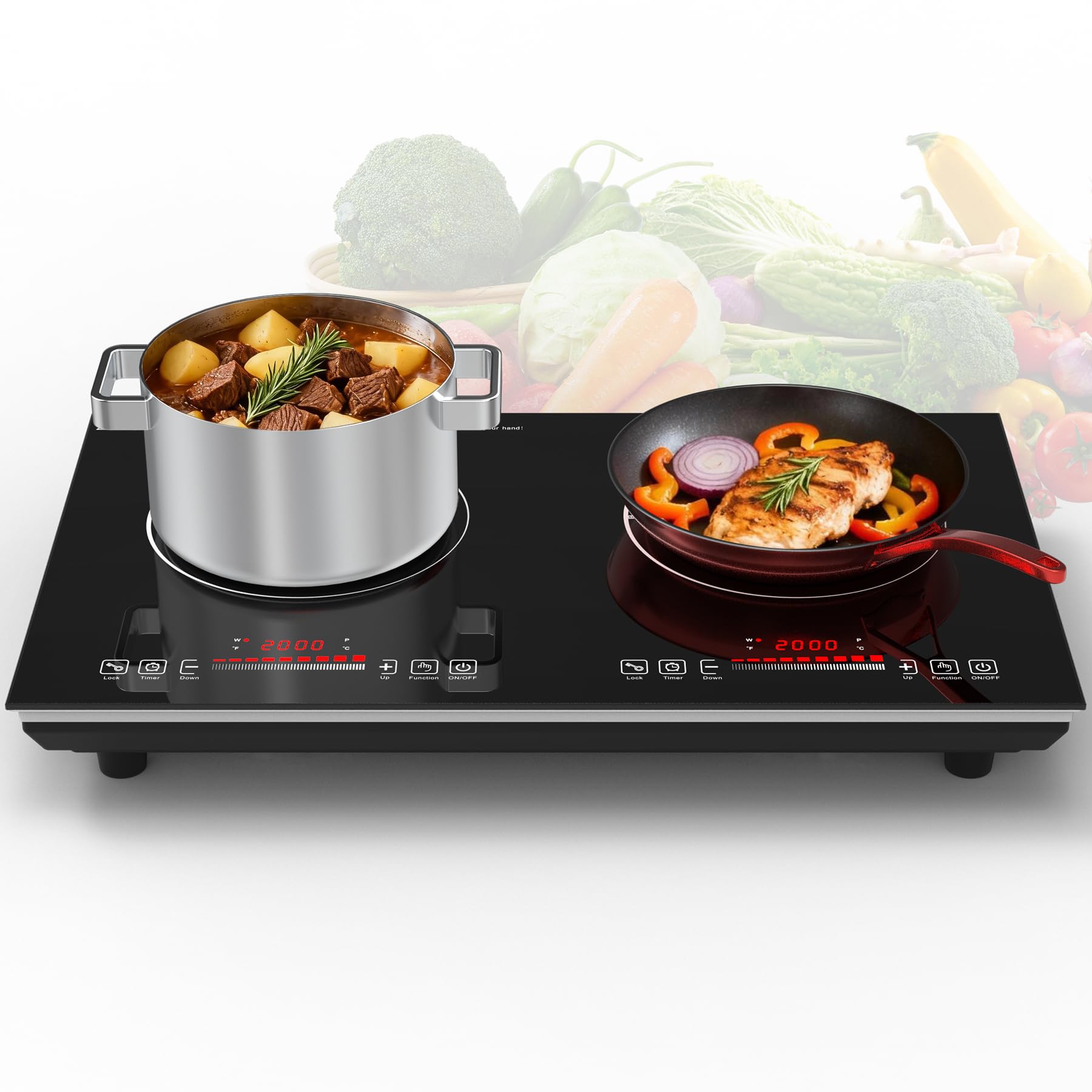
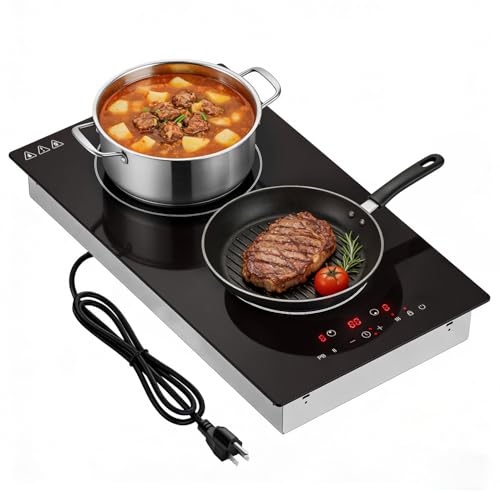


Quick Answer: What Most Homes Should Look For
Most buyers do well with a model that fits the counter or cutout with room to spare, offers one larger zone for wide pans, and has simple touch controls you can read at a glance. Portable units suit renters and temporary setups. Built in units suit owners who want a clean, permanent finish and are ready to pay for wiring and fitting.
Before You Buy: A Quick Checklist for Choosing an Induction Cooktop
Size: Match It to Your Space
Start with the space you actually have. Portable 2 burner models are usually about 20 to 24 inches wide and sit on the counter, so measure depth as well and leave clearance behind the unit for air flow. Built in models need a cutout that matches the listed dimensions exactly, plus cabinet room below for ventilation. A unit slightly smaller than your old cutout can leave gaps that collect crumbs. If your kitchen could later grow, our guide to the best induction cooktop range covers larger formats worth comparing.
Which Type Fits Your Routine
Portable models plug in and move with you, which suits apartments, dorm rooms where rules allow them, RVs with suitable power, and extra cooking space during holidays. Built in and drop in models sit flush in the counter and give a tidy, permanent look, but they need a dedicated circuit and a proper cutout. Think about how fixed your living situation is. If you plan to move within a year or two, a portable unit protects your money. If you own the home and cook daily, the built in route usually feels better every single day.
Features Worth It (and Ones to Skip)
A timer that turns a zone off, a boost setting for boiling water, and a lock for the controls all earn their keep in daily use. Residual heat indicators matter too, since the glass can stay hot from the pan even though induction heats the pan directly. A bridge function sounds appealing, but on a 2 burner unit it often matters less than pan size and zone spacing. Skip paying extra for app control or preset menus if you mostly fry eggs, boil pasta, and simmer sauces.
Measurements and Compatibility With Your Setup
Check three things before you order. First, confirm the electrical supply. Many portable models run on a standard 120 volt outlet, while most built in models need a 240 volt circuit with the right amperage. Second, check your pans. Induction only works with magnetic cookware, so cast iron and many stainless steel pans work while plain aluminum and glass do not. Third, measure your largest pan base. A wide skillet that overhangs the zone wastes energy and can block the second zone entirely.
Certifications and Safety Marks
Look for a recognized safety listing such as UL or ETL on the product page and the rating label. That mark tells you the unit was evaluated against United States safety standards for electrical appliances. Some listings also mention NSF or ANSI standards, which matter more for commercial settings. For a home buyer, the safety listing, a clear warranty, and accessible support count for more than a stack of unfamiliar badges.
DIY vs Pro Installation Cost
A portable model needs no installation beyond an outlet and a stable, heat resistant surface. A built in model is different. Cutting the counter, adding a circuit, and connecting hardwired power often call for a licensed electrician. Our breakdown of induction cooktop installation cost explains what drives those quotes. Get the electrical quote before you buy, since an older panel with no spare capacity can add a panel upgrade that costs far more than the cooktop itself.
Realistic Budget Ranges
Portable 2 burner models often cost under $300, and many solid options fall between about $100 to $250. Built in models usually start higher, with many priced about $300 to $1000 depending on glass quality, power, and brand support. Spending more mainly buys stronger power output, quieter cooling fans, better touch controls, and a longer warranty. Set your budget around installation type first, then compare power and controls inside that group.
Types Compared: Portable, Built In, and Hybrid Use
Portable Countertop Models
Portable models are the most flexible choice for small homes. You can store one in a cabinet when counter space matters and bring it out for meal prep or gatherings. The limits are real, though. Two zones on a shared 120 volt supply split the power, so boiling a large pot while searing on the second zone can feel slow. If you cook simple meals and value flexibility over speed, this type fits well.
Built In and Drop In Models
Built in models give you a flat surface that wipes clean in seconds. With a 240 volt supply, each zone usually delivers stronger and steadier power than a portable unit, which helps when you sear meat or boil a big pot. Readers comparing larger permanent layouts often also look at the best 30 inch induction cooktop options to see what four zones demand in space and wiring. Choose built in only when the cutout, circuit, and ventilation all check out.
When Two Burners Sit Side by Side or Front to Back
Layout changes daily comfort more than many buyers expect. A side by side layout suits wide counters and lets both pans sit at the front. A front to back layout suits narrow counters, galley kitchens, and RV counters, but reaching the rear zone over a hot front pan takes care. Two wide skillets fit better side by side, while a tall stockpot behind a smaller saucepan works well in the deeper layout.
Our Selection Process for the Best 2 Burner Induction Cooktops
We judge these cooktops on fit and daily use rather than headline power alone. The criteria are installation and compatibility, build quality and finish, control clarity, safety listings, warranty terms, and how well the zone layout suits real pan sizes. We rely on manufacturer specifications and patterns in verified buyer feedback about noise, control response, and durability, and we leave live prices to the product pages.
Is a 2 Burner Induction Cooktop the Right Size for You?
For one or two people who cook one main dish plus a side, two burners are usually enough. Singles, couples, small apartments, in law suites, and office kitchenettes all fit this pattern. You will feel the limit when you host often, cook holiday meals with several pots, or run a family of four or five with staggered dinners. In that case a larger format may serve you better, and comparing induction vs gas cooktop layouts can help you weigh speed, ventilation, and fuel type before you widen the search.
Also consider how you cook, not just how many people you feed. A cook who makes soups and one pan meals needs fewer burners than a cook who balances a sauce, a grain, and a vegetable at the same time. Be honest about your busiest normal week. If that meal needs three pans at once every week, two burners will frustrate you no matter how good the model is.
Common Buying Mistakes to Avoid
- Measuring the counter top but not the cutout, so a built in unit arrives that cannot sit flat or seal properly.
- Ignoring the circuit, then learning that a 240 volt model needs panel work you did not budget for.
- Assuming all your pans will work, when non magnetic aluminum and copper pans will not heat at all.
- Paying for smart features and presets while the basic controls are dim, slow, or hard to read in bright light.
- Choosing two small zones when your daily cooking relies on one wide skillet and a large pot at the same time.
Cost of Ownership and Care
Running costs are modest. Induction sends most of its energy into the pan, so less heat escapes into the room than with a radiant electric surface, a point explained well in comparisons of induction vs electric cooktop efficiency. There are no burners to replace and no grates to scrub. Your main costs over time are suitable cookware if your current set is not magnetic, plus the occasional replacement of a scratched protective pad if you use one under pans.
For care, let the glass cool, then wipe spills with a soft cloth and a mild cleaner made for glass cooktops. Our step by step guide on how to clean an induction cooktop covers dried spills in detail. Lift pans instead of dragging rough cast iron across the glass, and keep sugar based spills from sitting, since they can damage the surface as they cool. Never use the cooktop as counter space for heavy items, because a dropped object can crack the glass.
Your Questions, Answered
Can a 2 burner induction cooktop run two large pots at full power?
On many models, not at the same time. Portable units on a 120 volt supply share a limited total wattage, so raising one zone often lowers the output available to the other. Built in 240 volt models handle two demanding pans better, but some still cap combined output. If you boil large pots often, check the combined power figure in the specifications, not just the single zone maximum that appears in the headline.
Why does a 2 burner induction cooktop hum or click?
A soft hum usually comes from the cooling fan or from vibration between the pan base and the glass, especially at high power or with thin pans. Heavier pans with a flat, thick base tend to run quieter. Clicking at low settings is often the power cycling on and off to hold a gentle simmer. These sounds are normal, but a loud buzzing that starts suddenly with a familiar pan is worth a call to support.
Can you use a 2 burner induction cooktop during a power outage plan or in an RV?
In an RV, a portable model can work if the shore power or inverter can supply the wattage the unit draws, and many campers run one zone at a moderate level to stay within limits. During a home outage, a cooktop only helps if you have a generator or battery system sized for it. Always check the RV maker guidance on cooking appliances and ventilation before you rely on one as your main stove.
What happens if you turn on an induction burner with no pan on it?
Most models detect the missing pan and refuse to heat, showing an error code or beeping before shutting the zone down. That pan detection is a genuine safety advantage, because the zone does not sit glowing hot while empty. Still, teach everyone in the home that the glass can stay warm after cooking from contact with the hot pan, so the residual heat indicator deserves respect.
Is a 2 burner induction cooktop a good choice for a rental property?
It can be, for both sides of the lease. Tenants like a portable model because it leaves with them and needs no wiring changes, though you should still check your lease for appliance rules. Landlords fitting a small unit often prefer a built in model with simple controls and a strong warranty, since fewer loose appliances means fewer calls. A flat glass surface that cleans fast also helps the kitchen look cared for at inspection time.
Final Thoughts
The right choice is the one that fits your counter, your circuit, and the way your household actually cooks. Portable models win on flexibility and price, while built in models win on power and a clean, permanent finish. The product table above pulls the main options together so you can compare types side by side. When you narrow your search to the best 2 burner induction cooktop for your own home, let pan size and power supply make the final call.