Best 18000 Btu Mini Splits in 2026: Types, Sizing and Costs
Disclosure: We may earn a commission when you buy through links on this page, at no extra cost to you. As an Amazon Associate I earn from qualifying purchases. Learn more

Compare the best 18000 btu mini split by type, coverage, efficiency and install cost to pick the right 1.5 ton system for one large zone.
Choosing an 18000 BTU system is harder than the size number suggests. Two units with the same rating can differ a lot in heating output, noise, and install cost. This guide helps you find the best 18000 btu mini split for your space by comparing types, efficiency, and the features that change daily comfort. Read the three main types below before you get to the details.
An 18000 BTU unit is a 1.5 ton system. It suits one large zone rather than a whole house on its own. The right choice depends on your climate and room layout.




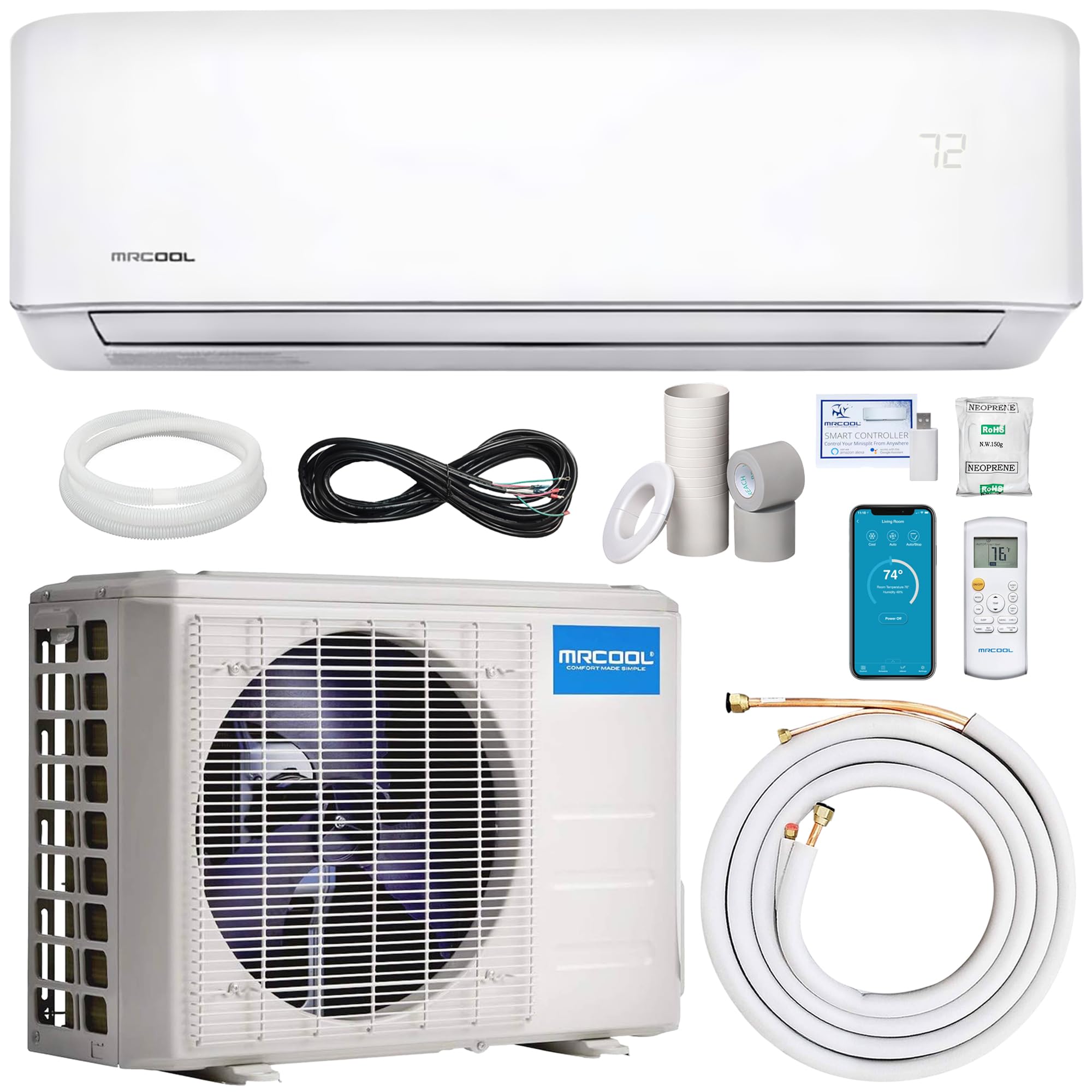
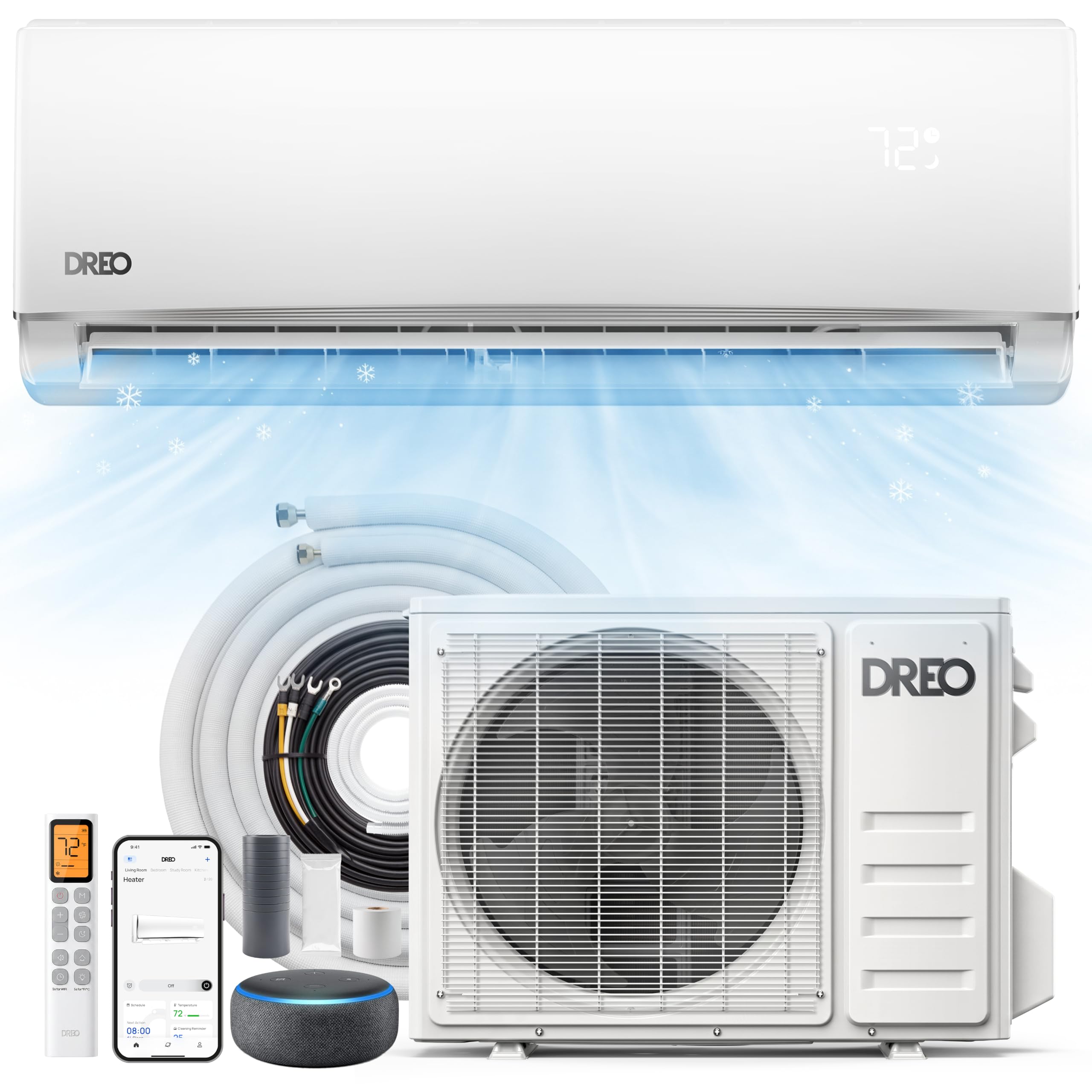

The Main Types at a Glance
Instead of chasing a single model name, start with the type of system. The type decides who can install it, what tools you need, and how well it heats in winter.
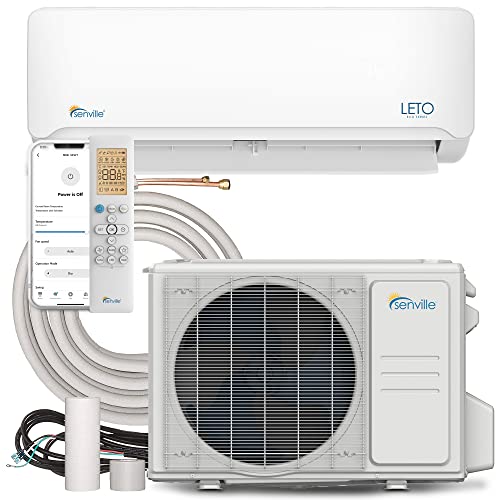
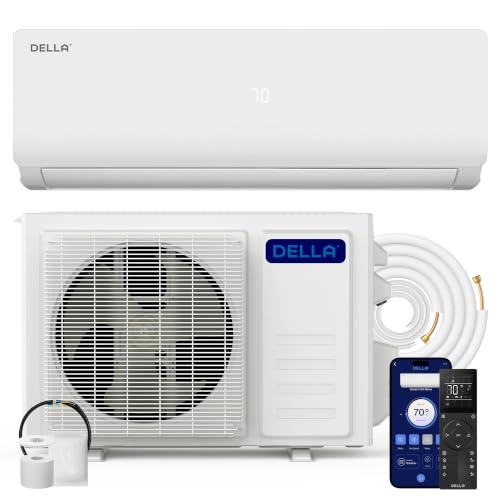
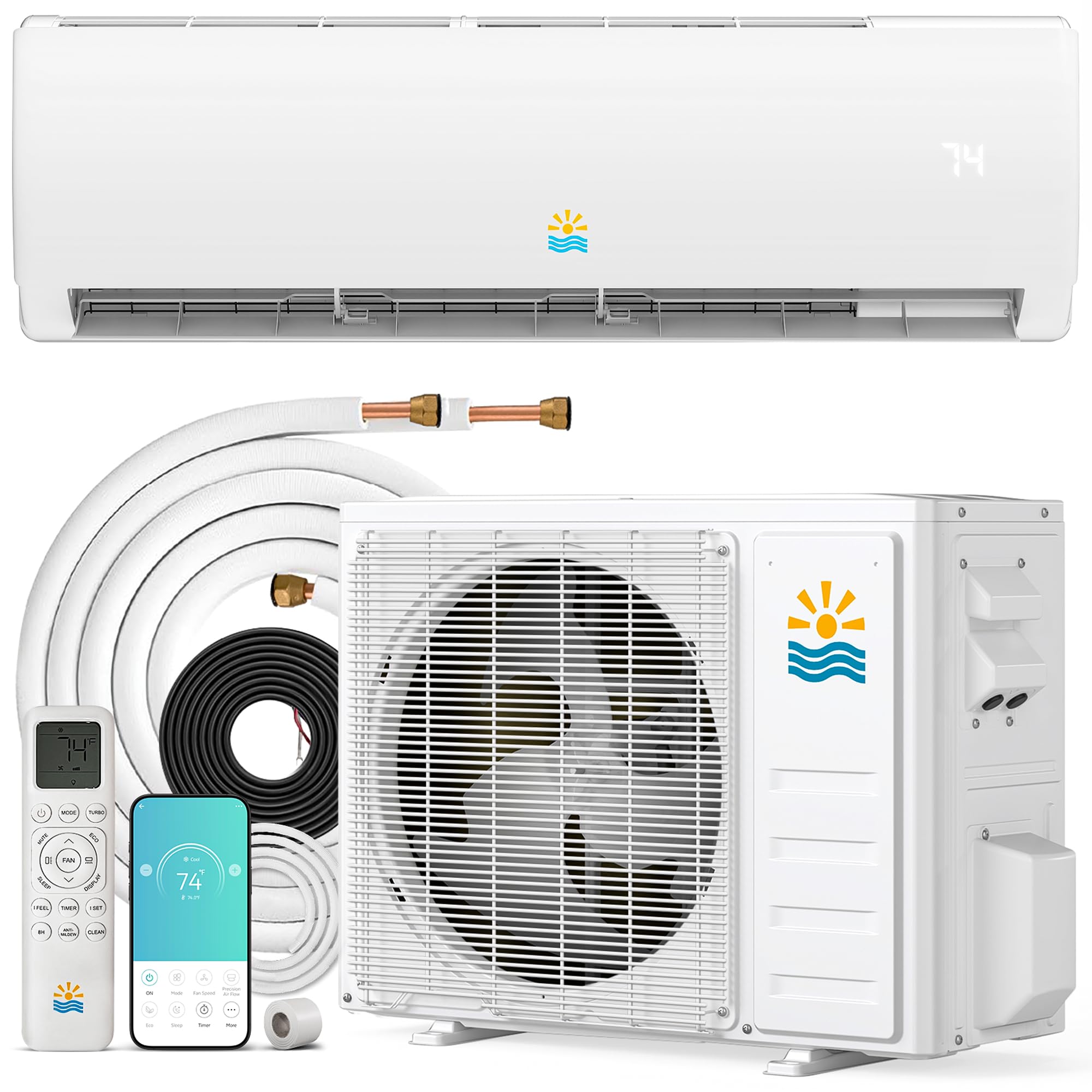
- Standard inverter heat pump type. A pro installs this type and pulls a vacuum on the lines. It offers the widest choice of efficiency ratings and indoor unit styles.
- DIY type with pre charged lines. The lines come charged, so you avoid vacuum tools. Length options are fixed, and you must coil or route any extra line with care.
- Cold climate type. This type keeps more heating capacity at low outdoor temperatures. It costs more, and its value depends on how cold your winters get.
For a broader view across all sizes, see our guide to the best mini split options. If you lean toward the second type above, our guide to the best diy mini split systems explains the install steps in more depth. Either way, the best 18000 btu mini split for you is the type that matches your install plan first and your wish list second.
How We Chose What to Compare
We compared types using maker spec sheets and the factors buyers feel every day. Those factors are coverage, heating and cooling output, noise level, energy use, filter and drain care, and control options. We also weighed install needs, since a low equipment price means little if the install adds large extra costs.
We did not rank by headline BTU alone. A unit that holds its output in hot or cold weather can outperform a unit that only hits its rating in mild test conditions.
How to Choose the Right Mini Split
Size and Form Factor
The 18000 BTU size sits in the middle of the range. Smaller sizes such as 9000 and 12000 BTU suit single bedrooms, while 24000 and 36000 BTU suit very large or open spaces. At 18000 BTU you get one strong indoor unit for one zone, or a share of a multi zone setup with two or more indoor units.
Form factor matters as much as output. Wall units are the most common and the simplest to install. Ceiling cassette units spread air in four directions, but they need ceiling space and a more complex install. Floor units suit rooms where wall space is tight.
Type, Voltage, and Heating Mode
Most 18000 BTU systems are heat pumps, so they cool in summer and heat in winter by reversing the refrigerant flow. Inverter compressors vary their speed to hold a steady temperature instead of cycling fully on and off. That steady running is a big reason these systems feel comfortable and use less power at partial load.
Check the electrical needs before you buy. Most units in this size need a 208 to 230 volt circuit and a dedicated breaker, and a licensed electrician may be required by local code. A few smaller sizes run on 115 volt, but that is rare at 18000 BTU. If heating is your main goal, compare the options in our guide to the best heat pump mini split systems as well.
Features Worth Paying For
WiFi control is worth paying for if your schedule changes often, since you can adjust the temperature before you get home. A good sleep mode helps too, as it eases output and dims lights at night. Turbo or powerful mode has real value in rooms that heat up fast in afternoon sun, because it cools the room down quickly before settling back.
Some features add cost with little daily gain. Fancy air treatment claims beyond basic filtration rarely change how a room feels. Spend first on efficiency, heating capacity, and a warranty with local support.
Room Size and Coverage Ratings
As a rough guide, 18000 BTU covers about 700 to 1000 square feet in an average home. That range assumes standard ceiling height, decent insulation, and a moderate climate. A sunny room with large windows, a kitchen with heavy cooking heat, or a space with very high ceilings will sit at the small end of that range or below it.
Treat maker coverage claims as a best case. If your space sits near the top of the range and faces west, stepping up a size or improving shading will serve you better than pushing a smaller unit hard.
Running Cost and Energy Use
Look at the SEER2 rating for cooling efficiency and the HSPF2 rating for heating efficiency. Higher numbers mean less electricity for the same output. The gap matters most when the unit runs many hours a day, so a high rating pays back faster in hot climates and in homes that also heat with the system all winter.
Running cost also depends on how you use it. Inverter systems use the least power when they run steadily at low speed, so set a temperature and let the unit hold it. Turning the unit off all day and then demanding a fast cool down raises use.
Noise Levels for Bedrooms
Indoor noise is listed in decibels, and the low fan speeds on many units fall in the low 20s to low 30s. That is quiet enough for most sleepers, about the level of a soft whisper. The higher speeds used for fast cooling are louder, but you will rarely need them at night once the room is at temperature.
Outdoor noise matters if the unit sits near a bedroom window or a neighbor. Place it on a stable pad, keep it clear of walls that reflect sound, and avoid brackets fixed to a bedroom wall. Vibration pads under the feet help light sleepers.
Filters, Condensate, and Maintenance
The indoor unit pulls air through washable mesh filters that catch dust and protect the coil. In summer the coil also pulls moisture from the air, and that water leaves through a condensate drain line. The drain needs a steady downhill slope, or a small pump where the line must rise, so plan its route before you mount the unit.
Care is simple but regular. Rinse the filters, wipe the louvers, and keep the outdoor coil clear of leaves and grass. Our walkthrough on how to clean a mini split covers deeper coil cleaning. A blocked drain can drip water down your wall.
How Much Should You Spend?
Equipment in this size often falls between about $900 and $2500 before install. Under about $1000 you get a basic inverter heat pump with a remote and modest efficiency. In the middle, about $1200 to $1800, you gain higher SEER2 ratings, WiFi control, and quieter indoor units. Above that, you pay for cold climate heating, premium finishes, or ceiling cassette formats.
Budget for the full job, not just the box. Pro install, a concrete pad, line set covers, and electrical work can add about $1500 to $4000 depending on your area and the run length. A DIY type shifts much of that cost into your own time, but you still need tools, a mounting plan, and electrical work that meets code.
Is an 18000 Btu Mini Split the Right Size for You?
This size fits a large living room, an open plan kitchen and dining space, a primary bedroom suite, a finished basement, or a large garage workshop. It also works as the main zone in a small home with an open layout, where air can move freely between rooms. Closed doors and long hallways limit that spread, since one indoor unit can only push air so far.
It is the wrong size for a small bedroom, where a 9000 or 12000 BTU unit will run quieter and control humidity better. It is also too small as the sole system for a large multi room house. To check your own space, use the method in our guide to what size mini split do i need, and note your insulation and window area as you go.
A garage is a special case, since garages leak more air and often have little insulation. An 18000 BTU unit may cover less area there than in a living room, and adding insulation first often lets this size do the job well.
Common Mistakes to Avoid
- Buying on square feet alone. Ignoring sun, ceilings, and insulation leads to a unit that runs constantly or cycles too much.
- Mounting the indoor unit too high or too low. Poor placement leaves warm or cool pockets and can cause short cycling of the sensor.
- Routing the drain without slope. Standing water in the line leads to odors, algae growth, and leaks inside the wall.
- Skipping the vacuum on standard installs. Air and moisture left in the lines cut efficiency and can damage the compressor over time.
- Placing the outdoor unit in a tight corner. Blocked airflow raises energy use and can trigger shutdowns on the hottest days.
- Ignoring local permits and codes. Unpermitted electrical or refrigerant work can cause problems at resale and may void the warranty.
FAQ
What makes one 18000 btu mini split better than another?
The better unit holds its rated output in real weather, runs quietly at low speed, and has parts and warranty support near you. Check the capacity tables at high and low outdoor temperatures, not just the headline BTU. Also compare the minimum output, since a low minimum lets the unit sip power on mild days instead of cycling. Two units with equal ratings can feel very different once installed.
Can an 18000 btu mini split heat a room in very cold weather?
Yes, within limits. Standard heat pump types lose capacity as outdoor temperatures fall, and many stop being effective heat sources well below freezing. Cold climate types are built to keep heating at much lower temperatures, though output still drops. If your area sees long spells of severe cold, keep a backup heat source and size the system with your installer using local winter design temperatures.
How long does an 18000 btu mini split last?
Most systems last about 15 to 20 years with regular care. Life span depends on run hours, coastal salt air, and how well the install was done. A clean coil, clear drain, and correct refrigerant charge reduce strain on the compressor, which is the part you most want to protect. Coastal homes may see shorter life on the outdoor unit unless it has a protective coil coating.
Is an 18000 btu mini split worth it compared with central air?
It is often worth it when you need to condition one zone, an addition, or a home without ducts. Duct losses can waste a real share of central air output, and a ductless unit avoids those losses entirely. The trade off is that each zone needs its own indoor unit, so whole house coverage can cost more. Our comparison of mini split vs central air walks through the cost and comfort trade offs in full.
Can I install an 18000 btu mini split myself?
You can install a DIY type if you are handy, since its lines come pre charged and need no vacuum pump. You still must mount both units, drill the wall hole, route the lines without kinks, and handle the electrical hookup to code. Standard types need a vacuum, gauges, and refrigerant handling skills, so most owners hire a pro. A poor install can erase the efficiency you paid for.
Final Thoughts
Start with your room, your climate, and your install plan, then match the type to those facts. A standard inverter type suits most pro installs, a DIY type suits hands on owners, and a cold climate type suits northern homes that heat all winter. Whichever route you take, the best 18000 btu mini split is the one sized and installed with care. Review the product table above once more, check your electrical panel and drain route, and then order with confidence.