Best 12000 Btu Mini Splits (2026): Types, Sizing and Buying Tips
Disclosure: We may earn a commission when you buy through links on this page, at no extra cost to you. As an Amazon Associate I earn from qualifying purchases. Learn more

How to choose the best 12000 btu mini split: system type, room coverage, efficiency, noise, installation and budget.
Picking a 12000 BTU mini split sounds simple until you compare spec sheets side by side. One system suits a confident homeowner install, another expects a licensed installer, and a third costs more because it keeps heating when outdoor temperatures drop hard. The best 12000 btu mini split for you depends on your room, your climate, and how the system will go in, not on the BTU number alone.
This guide compares the three main types you will see at this size, then walks through sizing, efficiency, noise, features, and running costs. Use the product table on this page to check coverage, performance, and sound levels at a glance. If you are still weighing other sizes, our guide to the best mini split range is a useful place to start before you narrow down.
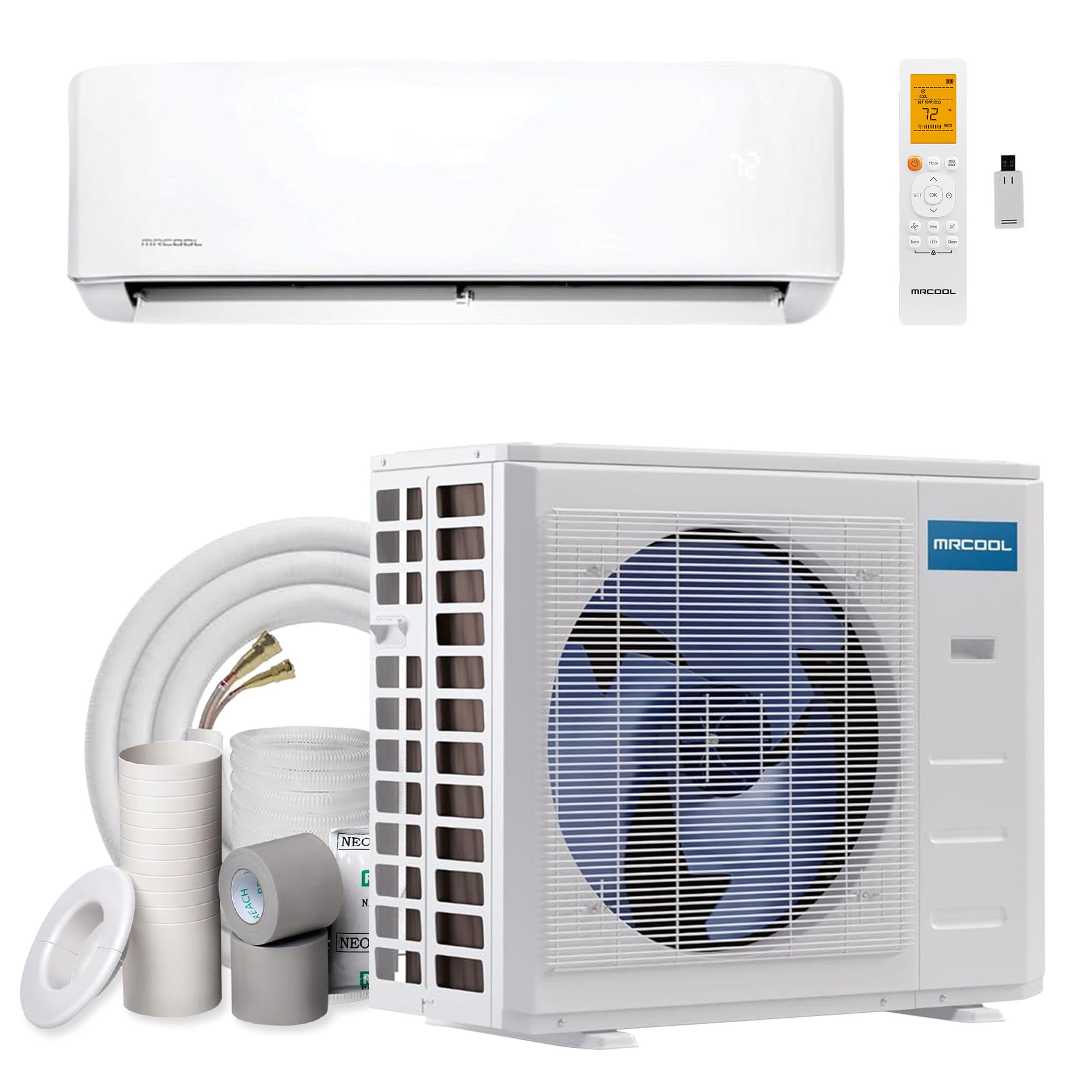

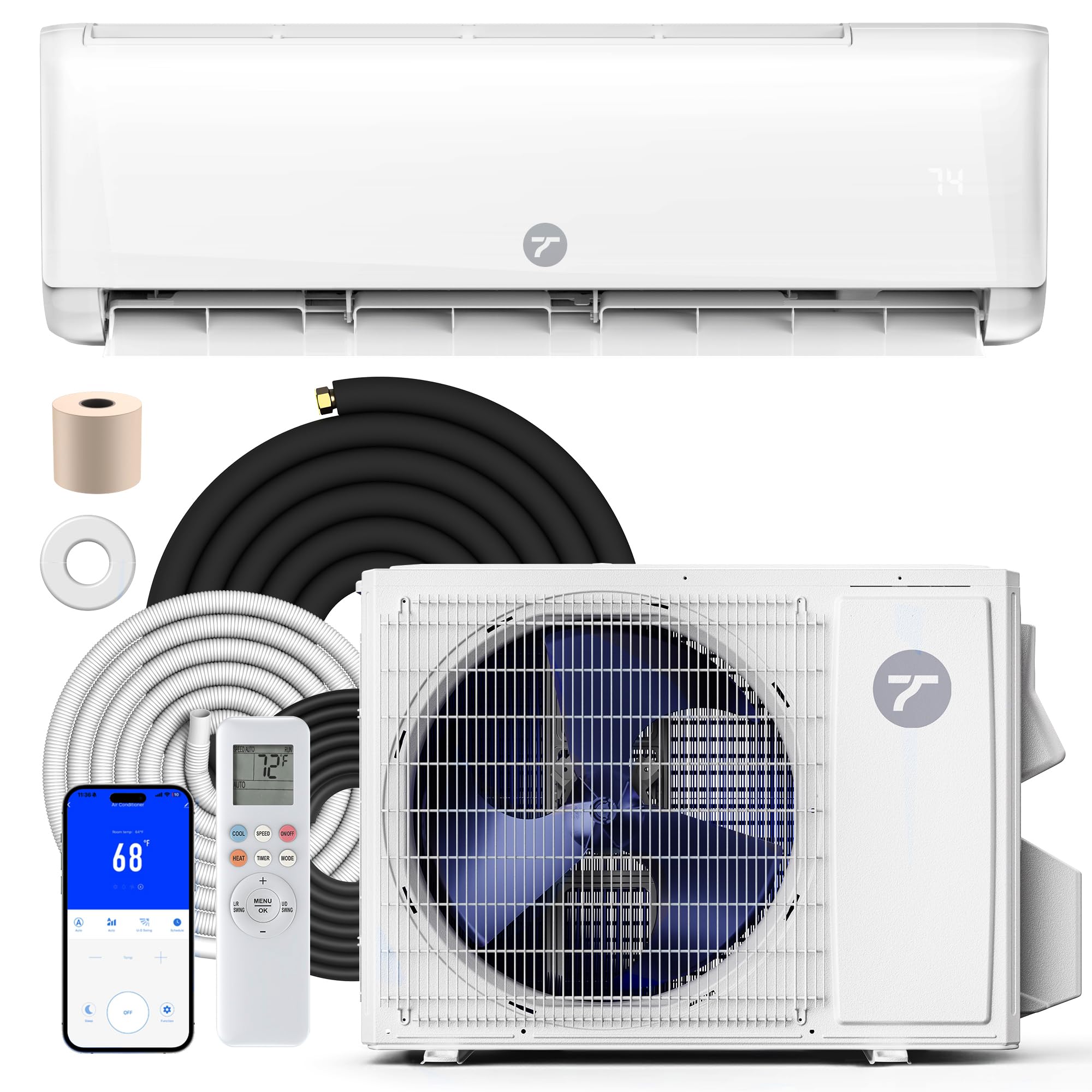


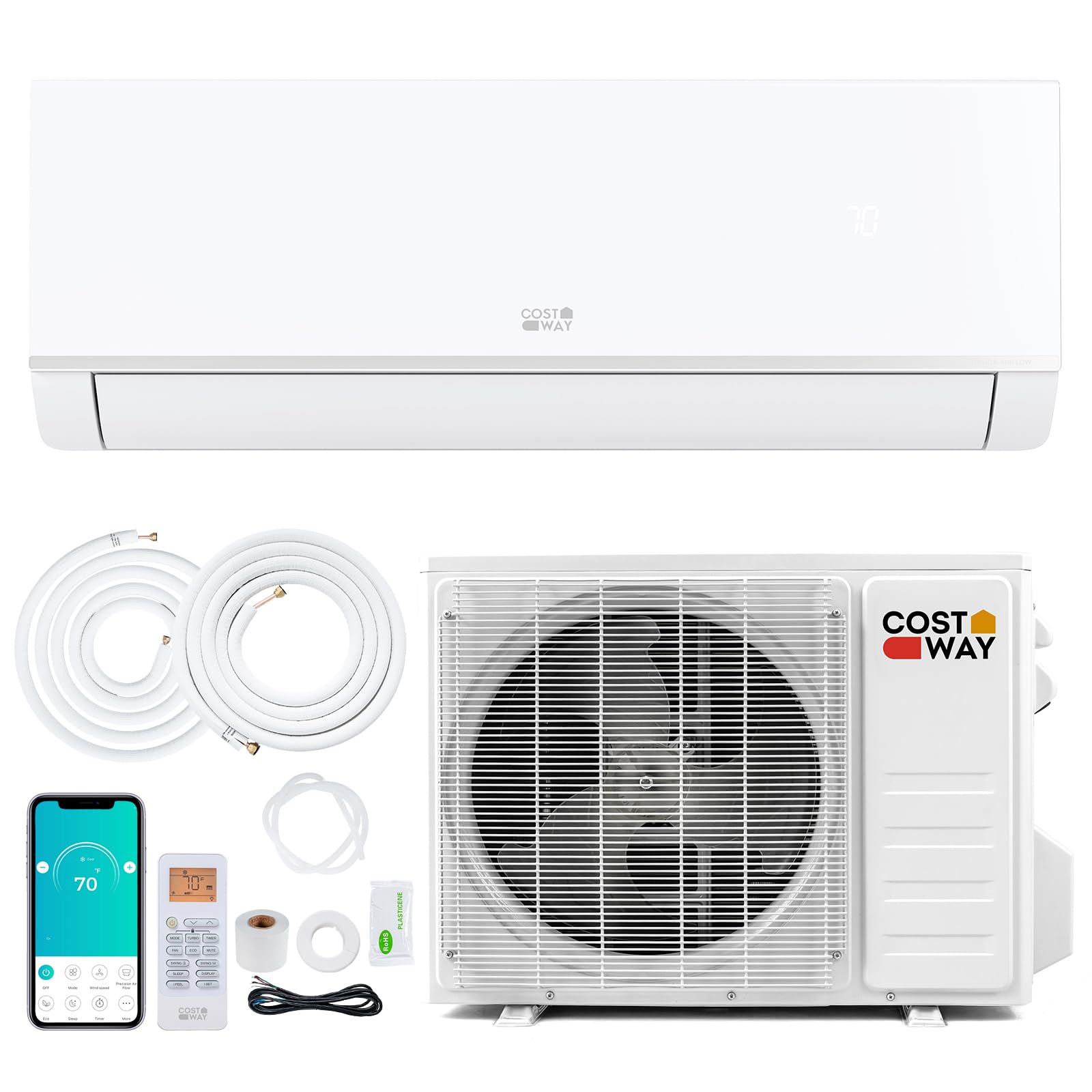
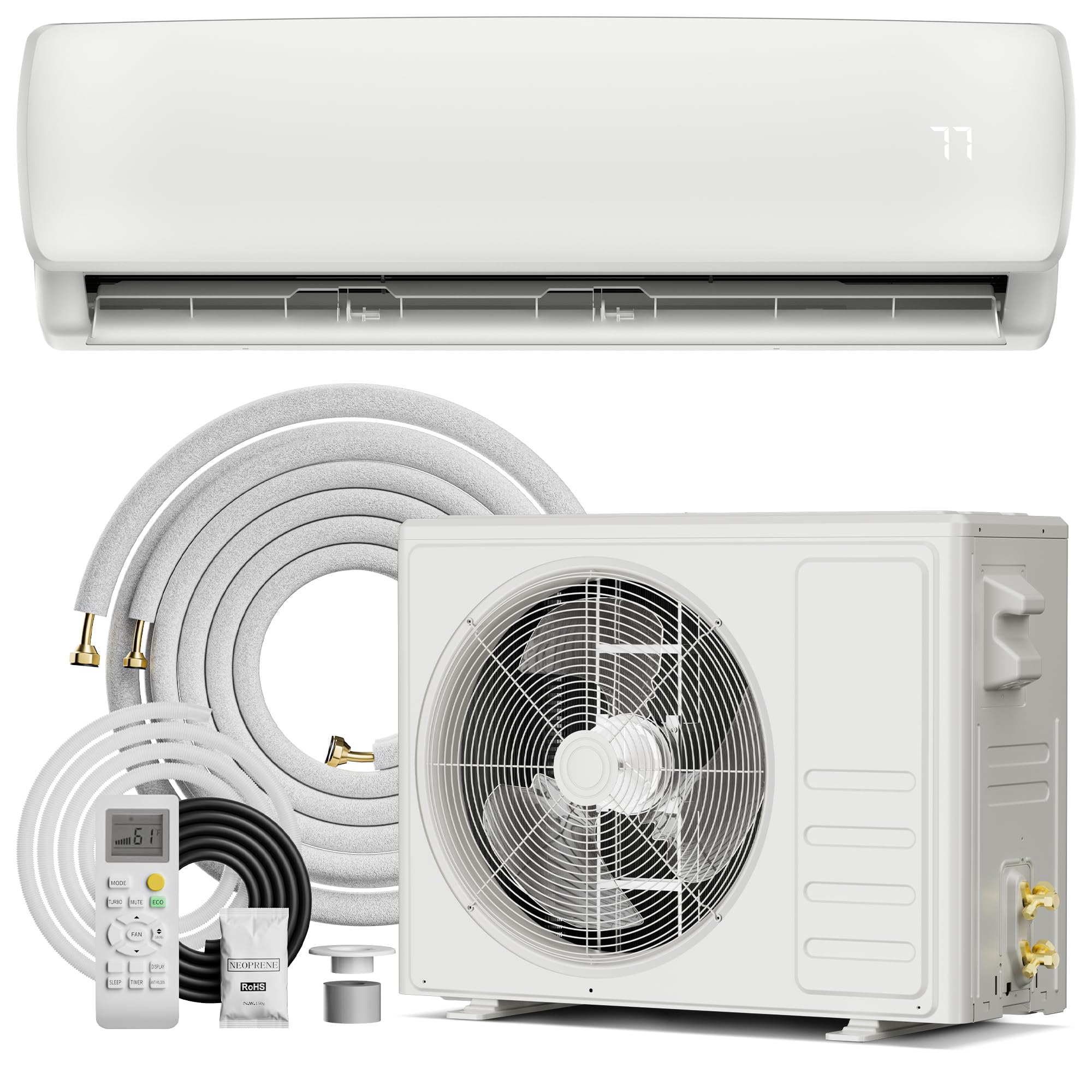
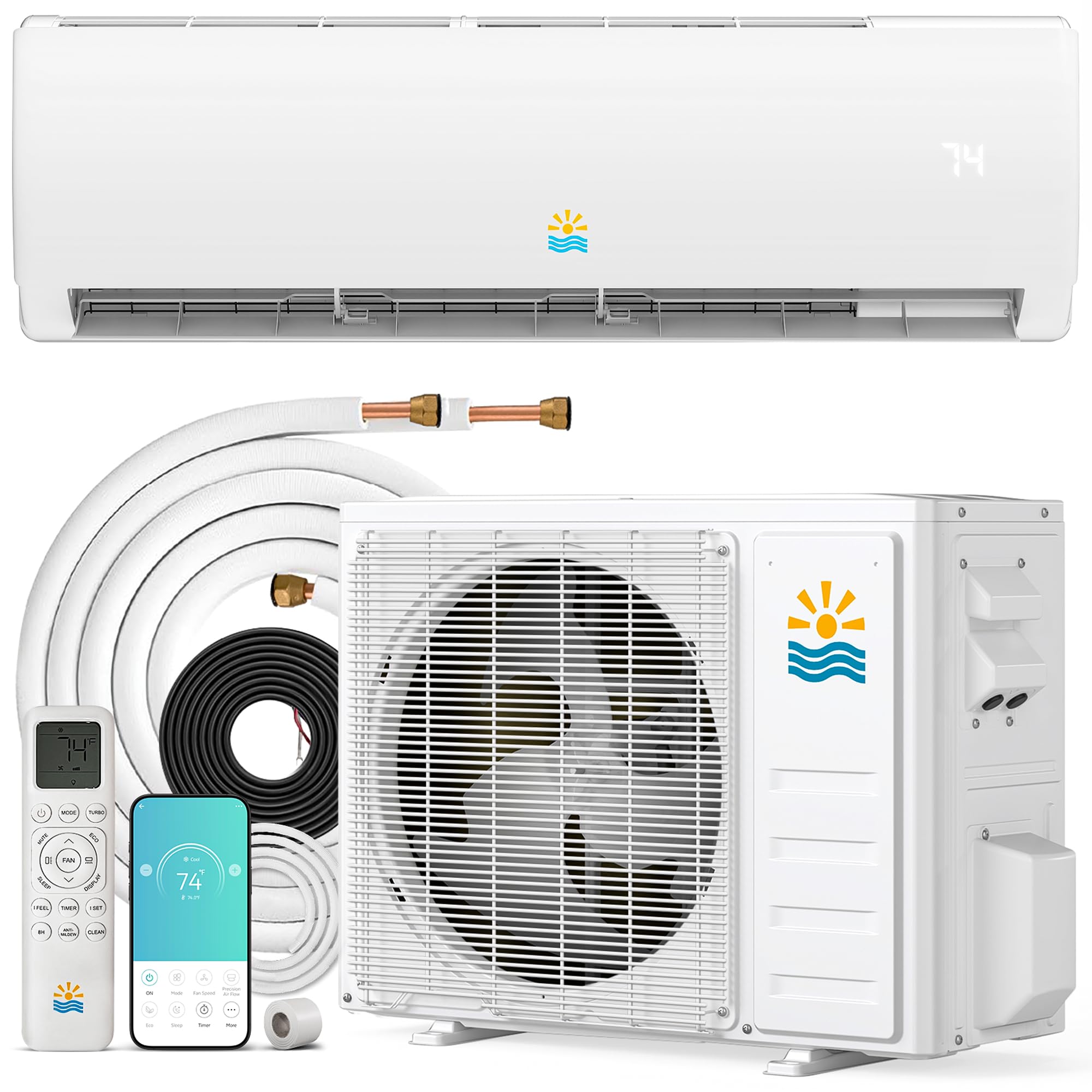
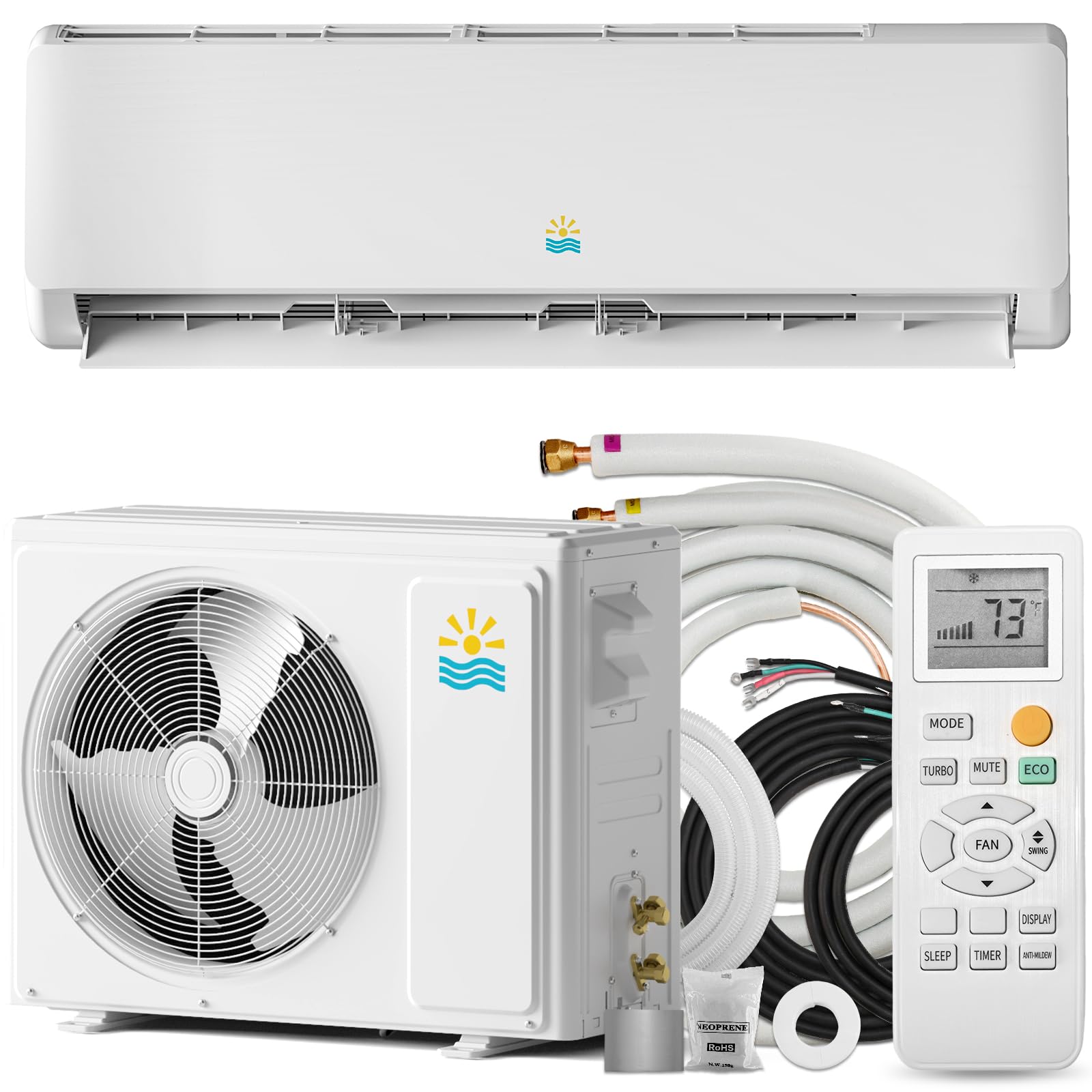
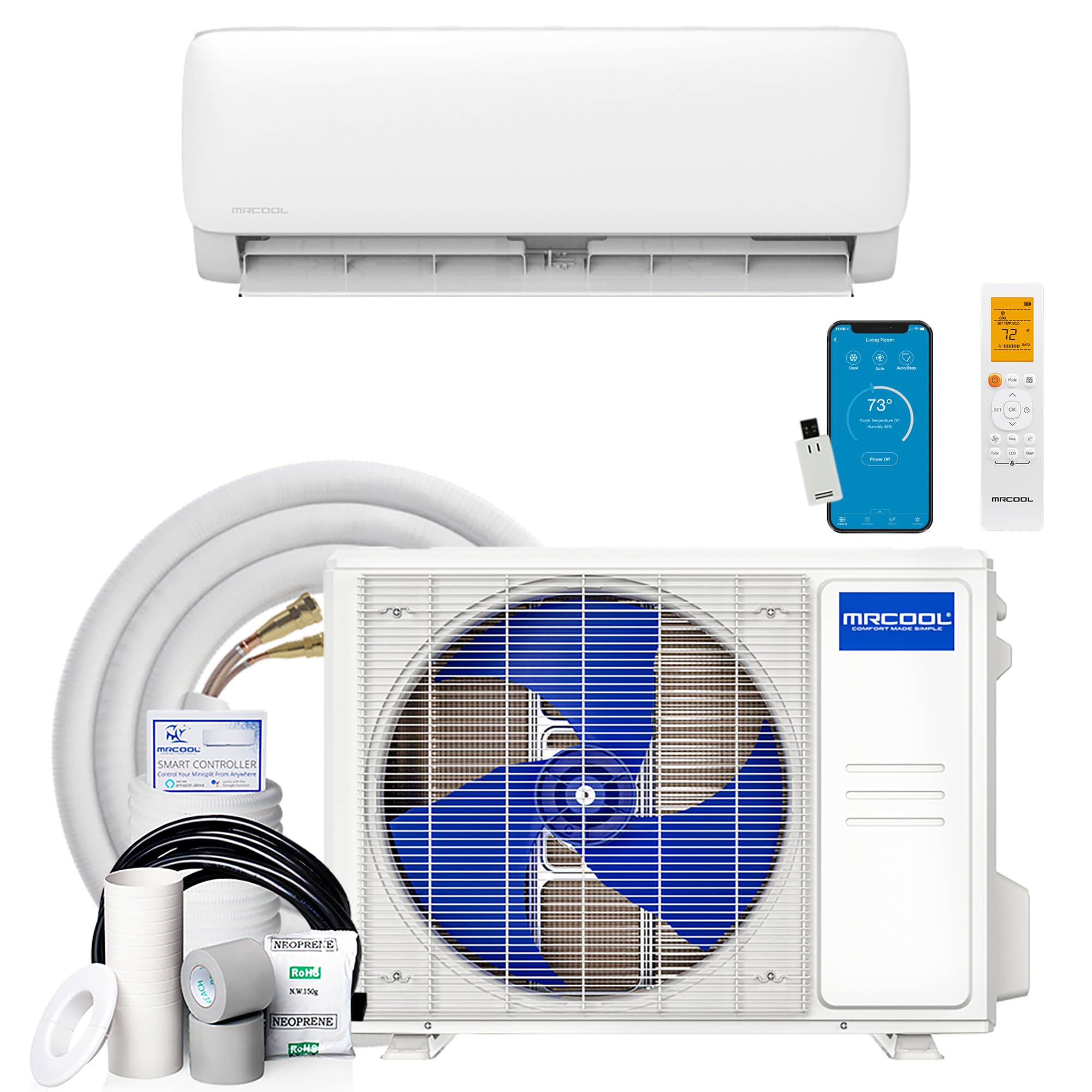
Three Types Compared: How 12000 BTU Systems Differ
Nearly every system at this capacity falls into one of three groups. Knowing which group fits your home removes most of the confusion before you compare individual ratings.
DIY Kits With Pre Charged Line Sets
These kits ship with refrigerant already sealed in the line set, so you mount the indoor unit, run the lines through the wall, connect the fittings by hand, and open the valves. That design removes the vacuum pump and gauge work that usually requires a pro, though many owners still hire an electrician for the hookup. If that route appeals to you, read our guide to the best diy mini split kits before you commit, because the labor savings only count if your wall, circuit, and layout suit a kit install.
Standard Systems for Professional Installation
A standard system arrives without charged lines, and a licensed installer pulls a vacuum, checks pressures, and sets the charge on site. You pay more in labor, yet you gain flexible line lengths, cleaner routing, and an installer who can spot drainage or placement problems early. Warranty terms on this type often require documented professional installation, so keep the invoice and startup paperwork. For most homeowners, this is the calmest path to a quiet, correctly charged system.
Cold Climate Heat Pump Systems
The third group adds stronger heating capacity for regions where winter is a real season rather than a brief cool spell. These units hold more of their rated output at low outdoor temperatures and often add a pan heater to manage ice on the outdoor unit. Cooling performance is similar to the other types, so the extra cost only makes sense when the mini split will serve as a main heat source. In a mild climate, that money does more good spent on efficiency or a better install.
How to Compare 12000 BTU Mini Splits
Compare systems in a fixed order so marketing claims do not distract you. Start with capacity and coverage, then look at the SEER2 rating for cooling and the HSPF2 rating if you plan to heat. Next check sound at low fan speed, the electrical requirement, and warranty length. Finish with maintenance access, such as washable filters and a reachable drain, plus controls like WiFi. A system that leads on those basics beats one that wins on a long feature list you rarely use.
How to Choose the Right Mini Split
Size and Form Factor
At 12000 BTU you are choosing within a family that also includes 9000, 18000, 24000, and 36000 BTU sizes, so confirm this step is the right jump for your space. A single zone system pairs one indoor unit with one outdoor unit and suits one defined area. Multi zone setups run two or three indoor units from one outdoor unit for adjoining rooms. Wall mounted units are the common form, while ceiling cassette and floor mounted styles suit rooms where wall space rules out a standard head.
Type, Voltage, and Heating Ability
Most 12000 BTU systems are heat pump models, meaning they cool in summer and reverse to heat in cooler weather, and an inverter compressor lets them slow down instead of cycling fully on and off. If heating matters as much as cooling, browse our guide to the best heat pump mini split options for a deeper look at low temperature performance. Check voltage early in your shopping. Many units need a 230 volt circuit, while a smaller number run on 115 volt service. Your panel capacity can decide the question before features do.
Features Worth Paying For
Pay first for the heat pump function itself if you want year round use, since a cooling only model leaves you heating the room some other way. Pre charged lines are worth their price only on a DIY kit. WiFi control earns its keep when the unit serves a room on a changing schedule, such as a home office. An included installation kit saves a separate order, but measure your run first, because a line set that falls short helps no one.
Room Size and Coverage Ratings
Manufacturers generally rate a 12000 BTU unit for about 400 to 600 square feet. Treat that range as a starting point shaped by your room rather than a promise. A shaded, well insulated bedroom sits at the easy end, while a sunny room with tall ceilings pushes toward the limit. Kitchens, rooms over an unconditioned garage, and spaces with large west facing windows all add heat load. When your room sits near the top of the range and carries two or more of those burdens, sizing deserves a closer look.
Running Cost and Energy Use
Your electric bill turns mostly on the SEER2 rating and how many hours the system runs. A higher SEER2 number means the unit moves the same heat with fewer watts, and the inverter helps because the compressor idles at low speed once the room reaches its set point instead of restarting at full draw. Heating costs follow the HSPF2 rating in the same way. Local electricity prices decide how fast a premium model pays back its price, so run your own rate through the math.
Noise Levels for Bedrooms
Indoor sound ratings on spec sheets often fall around 25 to 45 decibels depending on fan speed, with the lowest figure quoted at the quietest setting. For a bedroom or nursery, judge the number at the fan speed you will actually sleep with, usually low or medium rather than the silent marketing setting. Outdoor units make more noise, so place yours away from a neighbor facing window and off a deck where sound reflects.
Filters and Routine Maintenance
The indoor unit pulls room air through washable mesh filters that catch dust before it reaches the coil. Rinse them every few weeks during heavy use, let them dry fully, and slide them back in, because a clogged filter cuts airflow and makes the unit work harder for the same cooling. Keep the outdoor coil clear of leaves and lint, and leave open space around it so air can move. For the full routine, including coil and drain care, see our walkthrough on how to clean a mini split.
Installation and Electrical Needs
Every install needs a level mounting plate indoors, a small wall opening for the lines and drain, a downward slope on the condensate drain, and a stable pad or bracket outside. The system also needs a dedicated circuit, a disconnect near the outdoor unit, and line connections made to the method the manual specifies. Refrigerant work and panel wiring are regulated in many areas, and permits may apply. When in doubt, hire a licensed installer or electrician for those parts and check local rules first.
How Much Should You Spend?
Equipment at this size spans a wide band. Around $700 or less usually buys a basic cooling focused model with a shorter warranty. Between about $700 and $1000 you find the mainstream heat pump systems most homes need. Spending about $1000 to $1500 adds higher efficiency, quieter operation, and stronger heating output, while prices near $2,000 and above reflect cold climate builds. Professional installation is a separate cost that can rival the equipment price, so budget for the full job.
Is a 12000 BTU Mini Split the Right Size for You?
This size fits the rooms people most often struggle to keep comfortable: a primary bedroom, a small studio, a home office over the garage, or a modest living room in an older home without ducts. It also works well as one zone inside a larger plan. Our sizing guide, what size mini split do i need, walks through a room by room estimate if your space does not match those examples.
Consider the alternatives honestly. If the room connects openly to a large living area, one head may cool its own corner while the wider space stays warm. If the space is a whole small home, compare total cost against ducted options, as our breakdown of mini split vs central air explains. If your room is under about 350 square feet and well sealed, stepping down a size can give quieter, steadier operation.
FAQ
What is the best 12000 btu mini split for a typical home?
The best choice for a typical home is a heat pump model with an inverter compressor, a SEER2 rating in the upper half of its price band, and a warranty you can actually use through a local installer. One point buyers miss is parts support. A system whose filters, remotes, and control boards are easy to source in the US will be cheaper to keep running in year eight than a slightly cheaper unit with scarce parts.
What size mini split do I need for a room with tall ceilings?
Start with square footage, then adjust for volume. Ceilings above 8 feet add air the unit must condition, so a room at 500 square feet with a 12 foot ceiling can behave like a much larger space. Cooking heat, exercise equipment, and several computers add load in the same way. When two or more of those factors apply, ask an installer to run a proper load calculation rather than relying on the chart alone.
How long does a 12000 BTU mini split last?
A well installed system commonly lasts about 15 to 20 years. One factor rarely mentioned is location of the outdoor unit. Homes near the coast see faster coil corrosion from salt air, which can shorten that life unless the coil has protective coating and gets rinsed during routine care. Surge protection also helps, since the inverter board is costly to replace after the warranty ends.
Is a 12000 BTU mini split worth it compared with a window unit?
For a room you use daily, usually yes. The mini split leaves your window free, runs far more quietly indoors, and heats as well as cools if you choose a heat pump model. The point that tips the decision is permanence. A window unit you remove each fall costs little to own, while a mini split is a fixed install, so it makes the most sense in a home you plan to stay in for several years.
How do you deep clean a mini split beyond the filters?
Turn the power off at the disconnect first. Fit a wash bag under the indoor unit to catch runoff, spray the coil and blower wheel with a no rinse coil cleaner made for these units, and flush the drain line from the outside end so trapped slime clears instead of backing up. If you see mold deep in the blower or smell it after cleaning, book a professional service rather than spraying more product into the unit.
What makes one mini split brand more reliable than another?
Reliability in daily use comes less from the badge and more from support around the product. Look for a parts and compressor warranty of good length, a dealer or installer network near you, and documentation that a local technician can work from. Installers tend to recommend what they can service quickly, and that advice is worth hearing, because a mid priced system installed and supported well often outlasts a premium one that nobody nearby stocks parts for.
Final Thoughts
Narrow your search by type first, confirm the size against your room, then compare efficiency, sound, and warranty within your budget. The product table above pulls those details together for a quick check. Chosen in that order, the best 12000 btu mini split for your home will cool quietly, heat when you need it, and stay easy to live with for years.