Best 18 ft Above Ground Pools (2026): Types, Features and Buying Tips
Disclosure: We may earn a commission when you buy through links on this page, at no extra cost to you. As an Amazon Associate I earn from qualifying purchases. Learn more
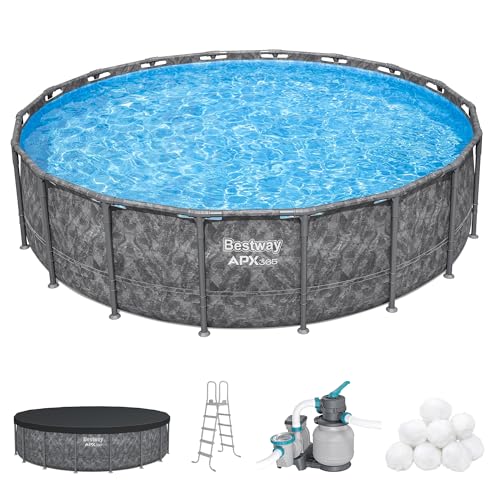
How to choose the best 18 ft above ground pool: pool type, depth, pump and filter size, yard space and budget.
An 18 ft pool sounds simple on paper, yet models at this size differ a lot in frame strength, wall depth, pump power and what arrives in the box. Pick the wrong one and you can end up with cloudy water or a pool too tight for your yard. This guide to the best 18 ft above ground pool options compares the main types on build materials, capacity and setup effort, so you can match a pool to your space and your swimmers. Start with the product table on this page.



18 ft Pool Types at a Glance
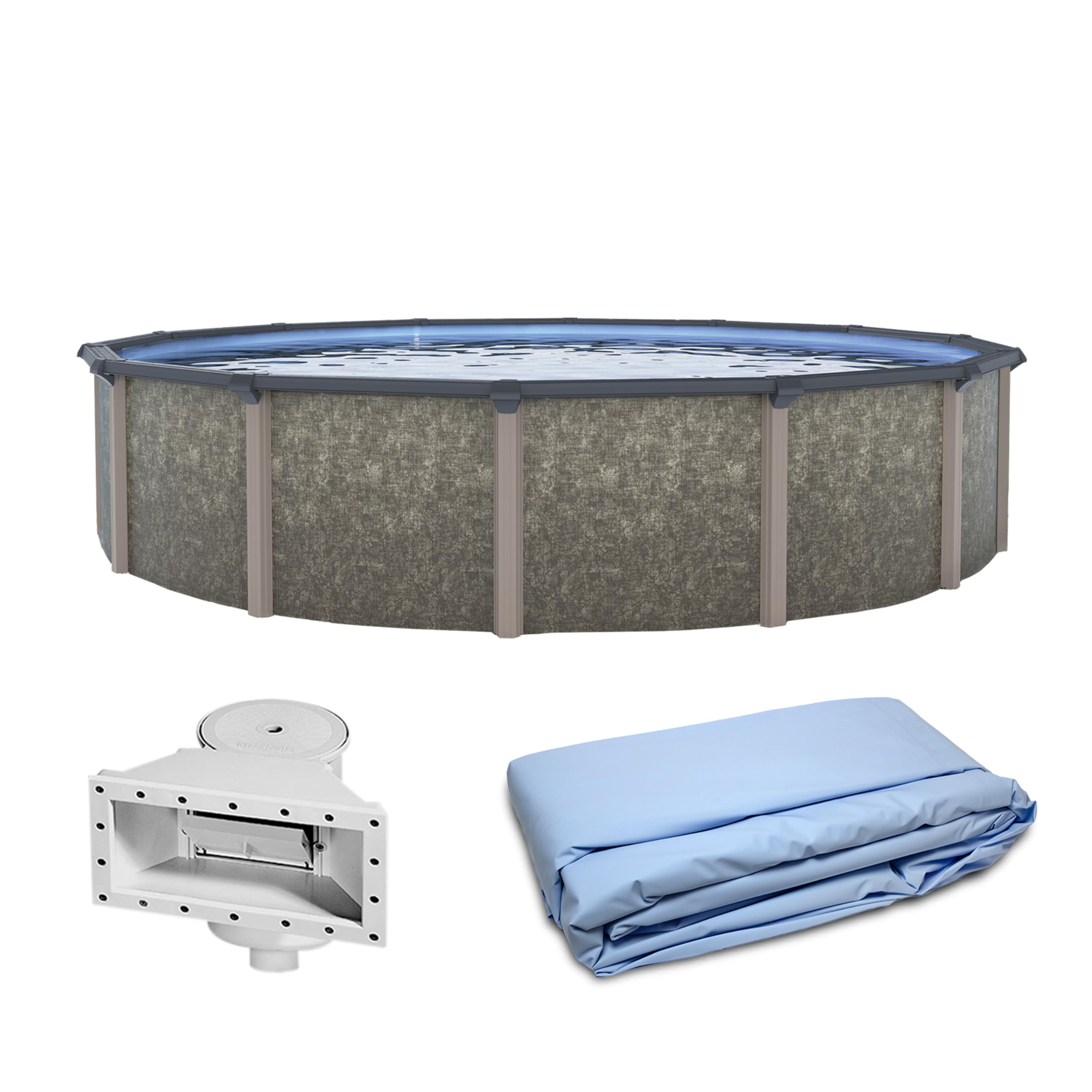
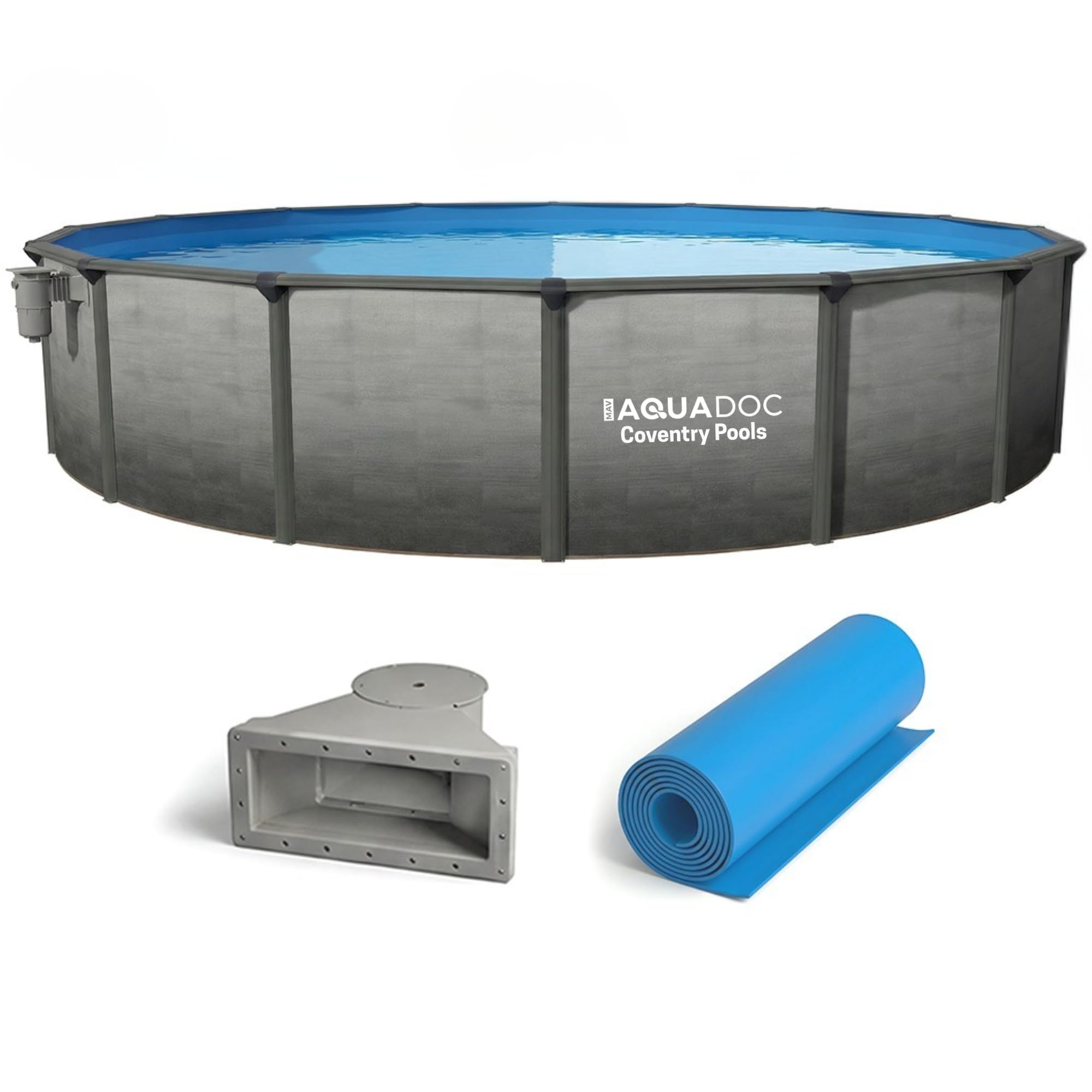
Three build styles dominate at this diameter, and the right one depends on how long you plan to keep the pool up. Metal frame pools with a reinforced liner are the most common choice, since they balance price, strength and seasonal storage. Hard sided steel wall pools cost more and take longer to install, but they can stay up through winter in many climates. Inflatable ring pools are the fastest to fill, yet at 18 ft the ring design is less stable and usually shallower.
If you are still deciding between sizes and styles, our overview of the best above ground pool models shows how this diameter fits into the wider range.
Who Should Buy an 18 ft Above Ground Pool?
Families With Kids Who Need Real Swim Room
At 18 ft across, several children can swim, float and play games at the same time without constant collisions. The round shape gives them a clear center for play and lets adults supervise from any side. Depth matters for this group, so look at 48 inch and 52 inch walls in the product table above and pick based on the height of your youngest swimmers. A removable ladder adds a useful layer of safety between swim sessions.
Adults Who Want to Swim and Cool Off at Home
This diameter is wide enough for relaxed laps, water exercise and floating with room to spare. Adults who plan to swim daily should favor the deeper 52 inch walls, since the extra depth makes treading water and low impact exercise more comfortable. Our guide to the best above ground pool for adults covers depth and entry options in more detail if adult comfort is your main priority.
Hosts With a Medium to Large Yard
If your summer plans include cookouts and neighbors dropping by, an 18 ft pool handles a mixed group of adults and kids without feeling cramped. Plan on roughly six to eight swimmers at once for comfort rather than packing the water to its limit. Hosts should also budget space outside the pool for the ladder and room to walk around the frame for cleaning. A round pool suits open lawns, while oval and rectangular shapes fit narrower lots.
Key Features to Compare
Frame and Wall Materials
Frame pools use steel tubes that lock together, paired with a liner made of layered vinyl that resists punctures and sun damage. Look for frames with a powder coating or galvanized finish, since bare steel rusts quickly where water splashes at the joints. Hard sided pools use a continuous steel or resin wall that bolts together, which feels more rigid but needs a careful, level install. Resin parts will not rust at all, so frames that mix resin connectors with coated steel legs age better in humid or coastal air.
Depth and Water Capacity
Most 18 ft round pools hold about 6,400 to 7,000 gallons when filled to the recommended line, depending on whether the wall is 48 inches or 52 inches tall. That volume drives everything else, from chemical doses to the pump size you need. Deeper water stays cooler and suits taller swimmers, while the 48 inch depth is easier for shorter adults and older kids to stand in. Fill only to the marked line, because overfilling adds weight the frame was not designed to carry.
Pump and Filter Sizing
A pool this large needs a pump that can turn over the full volume in about eight hours, which usually means a flow rate near 1,500 to 2,500 gallons per hour. Cartridge filters are simple to rinse and swap, but large cartridges for this size can add up over a season. Sand filters cost more at first and clean by backwashing, which suits owners who would rather not buy replacement cartridges. Check that the listed pump matches the pool volume, since some bundles pair a big pool with a small pump that struggles to keep water clear.
Ladder, Cover and Included Accessories
Bundles vary widely, so read the box contents before you compare prices. A sturdy ladder matters at 52 inch depth, and a cover keeps leaves and debris out between swims, which cuts cleaning time. Ground cloths protect the liner from sharp stones, and a basic kit with a skimmer net and vacuum head saves a separate purchase. If a bundle leaves out the ladder or cover, add those costs to the sticker price before deciding which option is truly cheaper.
Warranty and Weather Resistance
Warranties on liners and frames at this size usually run from one season to a few years, and the terms often cover seams and manufacturing defects rather than wear. Sun exposure is the main threat to vinyl, so liners with UV protection hold their color and flexibility longer in southern yards. In regions with strong storms, a frame with more legs and thicker tubes resists flexing in wind when the pool is full. Keep your receipt, since warranty claims on seams usually need proof of purchase.
How to Choose the Right 18 ft Pool for Your Yard
Measure Your Space Beyond the Pool Itself
The pool wall needs a flat area of at least 18 ft, but your real footprint is bigger. Leave about 3 ft of clear space on every side for assembly, ladder access and walking room during cleaning, which means a yard area of roughly 24 ft across. Check for overhead wires and tree branches that drop debris. If your lot cannot spare that circle, a best rectangular above ground pool shape may fit the same swim area into a narrower strip of yard.
Prepare Level Ground Before Setup Day
An 18 ft pool full of water weighs well over 50,000 pounds, and even a small slope puts uneven pressure on the frame and liner. Level the ground by removing high spots rather than filling low ones, since loose fill can settle and shift under the load. Remove stones and roots, then add a thin layer of sand or a ground cloth under the liner. Never set this size of pool on a deck or on pavers that were not built for the weight.
Plan Assembly and Anchoring
Frame pools at this size usually take two adults about two to three hours to assemble before filling, and filling itself can take most of a day with a standard garden hose. Check each joint before the water goes in, because draining to fix a leg costs you thousands of gallons. Our walkthrough on how to assemble an above ground pool lays out the full sequence if you want to see the job before you buy. Follow local codes on fencing and gates, and keep the ladder secured when no adult is present, since children can climb in quickly and quietly.
How Much Should You Spend?
Basic frame pools at this size often start around $400 to $700 with a small pump, while stronger frames with sand filters and deeper walls run about $800 to $1,500. Hard sided pools can reach about $2,000 to $3,000 before installation costs. Spending more mainly buys frame strength, a better matched pump and a thicker liner, all of which extend the seasons you get from the pool. Set aside part of your budget for chemicals and test supplies too.
Is an 18 ft Above Ground Pool the Right Size for You?
Choose 18 ft when you have the yard space and four or more regular swimmers, since smaller pools feel crowded fast once floats and games enter the picture. A 15 ft pool suits couples and small families and costs less to fill and treat. A 24 ft pool gives true lap room but needs a much larger level area and a bigger pump. If your yard is tight, the options in our guide to the best small above ground pool models will serve you better than forcing this diameter into a space it does not fit.
Common Mistakes to Avoid
- Setting the pool on unlevel ground, which strains the frame and can split liner seams.
- Buying a bundle with an undersized pump, so the water turns cloudy and chemical costs climb.
- Forgetting clearance for the ladder and pump, then crowding equipment against the wall where hoses kink.
- Skipping a ground cloth, which lets small stones work through the liner floor and cause slow leaks.
- Leaving the ladder in place when the pool is not in use, which removes your simplest barrier for young children.
- Ignoring local permit and fencing rules until after setup, which can mean fines in some towns.
Care and Off Season Storage
Run the pump daily during swim season and test the water a few times a week, adjusting chlorine and pH in small steps rather than large doses. Skim the surface often, brush the walls weekly to stop algae from gaining a hold, and clean or backwash the filter whenever the pressure gauge climbs. Cover the pool on windy days, since most debris problems start with an open pool under trees.
When the season ends, you can drain, dry and store a frame pool in a garage or shed, or leave a hard sided pool up with the water lowered and the plumbing protected from freezing. Our step by step guide on how to winterize an above ground pool covers both routes in detail. Store the liner fully dry and folded loosely, and keep the pump indoors where freezing water cannot crack the housing.
FAQ
What size yard do I need for an 18 ft above ground pool?
You need a level circle of about 24 ft across once you add working room around the walls for the ladder, pump and cleaning access. The pool itself is 18 ft wide, but assembling the frame and walking the perimeter with a skimmer pole takes extra space on every side. Also check setbacks from fences and property lines, since some towns set minimum distances for pools.
How long does an 18 ft above ground pool last?
A frame pool liner typically lasts about three to five seasons, while the frame can serve longer if you dry and store it well and touch up rust early. Hard sided steel walls often last ten years or more with a liner change partway through. Storage and water care matter more than brand, since sun exposure and unbalanced water shorten liner life faster than normal swimming wear.
How much does it cost to run an 18 ft above ground pool each season?
Expect chemicals and test supplies to run about $200 to $400 per season for a pool of roughly 6,500 gallons, plus electricity for the pump, which varies with your local rate and daily run time. A solar cover trims both heating and chemical loss by slowing evaporation. Replacement cartridges or filter sand add a smaller yearly cost, and a patch kit avoids emergency spending when a small leak shows up.
Do I need a fence around an 18 ft above ground pool?
Most local codes require a barrier around any pool, and many towns count a locking or removable ladder as part of that barrier for above ground models. Rules on fence height and gate latching differ by location, so check with your city or county office before setup. Whatever the code says, adult supervision and a ladder stored out of reach remain the strongest protection for children.
Final Thoughts
The right choice comes down to matching build type, depth and pump size to your yard and your swimmers instead of chasing the lowest price. Frame pools suit most families, and hard sided pools reward owners who want a longer service life. Use the product table above to compare the best 18 ft above ground pool options side by side, confirm the footprint fits your level ground, and you will spend the summer swimming instead of troubleshooting.